Anyone mill their own flour?

Bebop

Suspended / Banned
Messages
7,318
Edit My Images
No
I've got into making sourdough bread and am now thinking of milling my own flour - mainly for nutritional benefits, though I believe it tastes much better too.
Does anyone here mill their own flour? Any thoughts? I'm curious to try it.

The mills aren't cheap and I'm a bit nervous that it's a passing phase :LOL: ... though I've been making sourdough for 10 months and it's over 4 years since I actually bought a loaf.
 
I would think that you could source "real" (as in fresh, mill ground) flour far cheaper than you could produce your own. I know of at least 2 mills locally who grind regularly and sell the results and they're totally unadulterated! If it's personal involvement in the process you want, maybe a local mill needs volunteers on milling days?

There's a list of artisan flour mills HERE.
 
Good for you making your own bread (y)

Though, unless there is an overarching reason/need to mill your own........and you want local........do you know of this water will on the island? Maybe I have just suggested the blindingly obvious to an islander :cautious::thinking:

 
Last edited:
Good for you making your own bread (y)

Though, unless there is an overarching reason/need to mill your own........and you want local........do you know of this water will on the island? Maybe I have just suggested the blindingly obvious to an islander :cautious::thinking:

Yes - it's very close to me actually, but I'm afraid it has closed down and is up for sale - or at least it was. It featured on TV not too long ago, and they needed about £80k to fix the water wheel.

Thanks @Nod - that's a good link. I used to buy four from Calbourne Mill, and do often use Wessex Mill flour which is sold locally, and Doves. Shipton is next on my list :)

The difference is that commercial flour is usually roller milled and does not include the germ, which is where the nutrients are. The germ causes the flour to go rancid quite quickly, so it is removed to preserve shelf life.... and then they have to add in various nutrients by law in the UK, because without them you may as well eat cardboard (I haven't scientifically researched cardboard :ROFLMAO:). However I am not 100% certain about 'commercial' stoneground flour.

I think milling my own would mean an extra 5 minutes in the process. The wheat will keep for 20 years or so if you store it properly, and then the flour is always fresh. I don't eat masses of bread, but I like the idea that what I eat is nutrient rich.

I might need a ladder to get out of this wormhole :LOL: It occurred to me that those that are into milling their own coffee might be on a similar course.
 
I periodically go down little rabbit holes like this, because it's interesting and why not?

I always end up deciding that life's too short and already complicated enough.

I fully understand the urge to have a go though.
 
Never thought about milling my own flour, but I generally make 1 or 2 loaves a week. I like decent toast for breakfast and I struggle to find a decent commercial loaf that's tasty, crispy a& soft in the middle when toasted. I prefer a mix of 300g wholemeal, 100g white & 100g Rye, sometimes adding some black treacle for taste & colour.
 
Yes - it's very close to me actually, but I'm afraid it has closed down and is up for sale - or at least it was. It featured on TV not too long ago, and they needed about £80k to fix the water wheel.

Thanks @Nod - that's a good link. I used to buy four from Calbourne Mill, and do often use Wessex Mill flour which is sold locally, and Doves. Shipton is next on my list :)

The difference is that commercial flour is usually roller milled and does not include the germ, which is where the nutrients are. The germ causes the flour to go rancid quite quickly, so it is removed to preserve shelf life.... and then they have to add in various nutrients by law in the UK, because without them you may as well eat cardboard (I haven't scientifically researched cardboard :ROFLMAO:). However I am not 100% certain about 'commercial' stoneground flour.

I think milling my own would mean an extra 5 minutes in the process. The wheat will keep for 20 years or so if you store it properly, and then the flour is always fresh. I don't eat masses of bread, but I like the idea that what I eat is nutrient rich.

I might need a ladder to get out of this wormhole :LOL: It occurred to me that those that are into milling their own coffee might be on a similar course.
Ah! I see.....

I have Googled and talk about a potential expensive bit of kit. The lowest cost one looks like a version of the same thing my mum had to mince meat but configured/modified for 'grains' but even that is £82.67
 
Last edited:
Never thought about milling my own flour, but I generally make 1 or 2 loaves a week. I like decent toast for breakfast and I struggle to find a decent commercial loaf that's tasty, crispy a& soft in the middle when toasted. I prefer a mix of 300g wholemeal, 100g white & 100g Rye, sometimes adding some black treacle for taste & colour.
I do similar only adding Marmite!
 
Yes - it's very close to me actually, but I'm afraid it has closed down and is up for sale - or at least it was. It featured on TV not too long ago, and they needed about £80k to fix the water wheel.

Thanks @Nod - that's a good link. I used to buy four from Calbourne Mill, and do often use Wessex Mill flour which is sold locally, and Doves. Shipton is next on my list :)

The difference is that commercial flour is usually roller milled and does not include the germ, which is where the nutrients are. The germ causes the flour to go rancid quite quickly, so it is removed to preserve shelf life.... and then they have to add in various nutrients by law in the UK, because without them you may as well eat cardboard (I haven't scientifically researched cardboard :ROFLMAO:). However I am not 100% certain about 'commercial' stoneground flour.

I think milling my own would mean an extra 5 minutes in the process. The wheat will keep for 20 years or so if you store it properly, and then the flour is always fresh. I don't eat masses of bread, but I like the idea that what I eat is nutrient rich.

I might need a ladder to get out of this wormhole :LOL: It occurred to me that those that are into milling their own coffee might be on a similar course.


The flour from Otterton Mill is proper stoneground but I don't think they do mail order on it. I know a couple of people who use nothing else for their homemade bread (and the bread the café serves is made from it and is delicious!)

I can see the attraction of doing the milling as well as all the other bits - I think I'd want to go down THIS route if I wanted to play that game!
 
I'm really not here (as the kids say) for all the "just buy it" comments, we should absolutely encourage things like this.

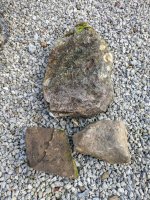
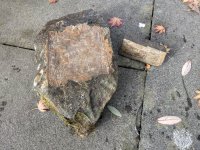
I've never tried milling flour, I make quite a lot of bread and have tried making a lot of other things over the years such as cheese, kombucha, etc. and this seems like a great thing to try. Do you need to buy an expensive mill to get started? I mean I am now really about to head out and find a couple of flat rocks (I live near some milstone grit outcrops) and do it like our ancestors :) . Where do you get wheat from?
 
Or maybe some Spelt - the ancestor of modern Wheat?
 
I don't know enough to help (used to be very into baking bread but always bought flour - I do mill my own flax every morning though), but I'd say definitely go for it.

Google says flour mills are in short supply so if it's a passing fad just eBay it for like 90% of your money. Somebody else will buy it for their passing fad :)

There's a quote in one of the sourdough books I have that says something like "try things - you'd have to fail pretty badly to end up with something worse than they sell in a supermarket".
 
Thanks for all the interesting and entertaining posts. I feel slightly less nutty for you all taking the time to reply. I don't think I'll be making a mill :ROFLMAO: but fascinating to read that article. I have heard of people using pasta rollers to flake their oats.

If it saves anyone else going down the same wormhole...a few things I have gleaned below...

- Hand milling is extremely time consuming and you may not get the same fineness of flour. I like the idea, but I'm not sure my biceps are up to it. That metate looks hard work and this has just prompted a memory that my Grandad was involved in making millstones... I'd completely forgotten until I saw that link.

- Spelt and ancient wheats.... yes this is a real attraction. You can buy the flours of course, but you could always have fresh when needed.

- There is definitely a school of thought that the flour degrades... I've heard something like 90% of the nutrition is gone in a couple of days. I've struggled to find hard scientific evidence to back this up though...

- I've read that 40 of 44 essential daily nutrients exist in freshly milled flour and it is the best source of vitamin E - I'm not 100% convinced they all make it through the grinding/ baking process though there are plenty of believers

- they say the heat produced in milling the flour can degrade the nutrients... so it's best not to run the mills for too long... I think they shut down if they get hot unless you buy a professional model.

- I haven't found any used mills on ebay yet

- you can use a vitamix to make flour though I've read it's not as fine or consistent. I don't have one but I do have a blender. I haven't tried it.

- the stone grinding mills seem to use stones that are corundum - ceramic and stone - I do wonder if this is a good thing... plastic/adhesive?? Impact mills don't use stones, but have other limitations.

- commercial flour is aged and this helps with gluten development (an airier loaf). In the US they age flour more quickly by bleaching or using carcinogenic chemicals (potassium bromate I think it was) - thankfully these are not allowed in the UK. It can only be aged because the germ is removed which would make it go rancid quickly.

When making bread, there is a learning curve with freshly milled flour. The bread will most likely be denser and not rise so well. I note some people add lecithin or eggs to help. Personally I'm a fan of using only flour, salt, water and yeast/sourdough starter so I'd do a mix of commercial and home milled. They say home milled tastes superior.

Wheat can be purchased in a few places online. You do need the right wheat for the job... queue another wormhole - I'll spare you the details :LOL: . And some people do start growing their own.

For the moment I'm still waiting for the urge to pass :)
 
I've never milled my own flour, but the windmill where I'm a volunteer guide has a hand quern as part of its exhibits on the history of milling which works and is available for people (usually young!) to try. I normally show how it's done first, so I have milled to that extent. It takes a bit of effort, but it would be feasible to mill a reasonable amount of flour. I tend to think in terms of cakes, though, where my standard recipes require 8 oz of flour. A two pound loaf would knead :) more.
 
As a non sequitur, a book I read some years ago by Rosalie David on mummies (she studied Egyptian mummies) commented that the wear on teeth was much greater than we see today, and it was attributed to sand that got into the hand ground flour due to the desert conditions.
 
I've never milled my own flour, but the windmill where I'm a volunteer guide has a hand quern as part of its exhibits on the history of milling which works and is available for people (usually young!) to try. I normally show how it's done first, so I have milled to that extent. It takes a bit of effort, but it would be feasible to mill a reasonable amount of flour. I tend to think in terms of cakes, though, where my standard recipes require 8 oz of flour. A two pound loaf would knead :) more.
I think British wheat (flour) is better for cakes than bread. It seems we don't get enough sunshine for good strong wheat for bread.
 
As a non sequitur, a book I read some years ago by Rosalie David on mummies (she studied Egyptian mummies) commented that the wear on teeth was much greater than we see today, and it was attributed to sand that got into the hand ground flour due to the desert conditions.
Interesting! I'll bet they wouldn't grind grains so finely either.

They do say you should inspect your wheat before grinding for stones and debris.... another thing that is putting me off a little.
 
Interesting! I'll bet they wouldn't grind grains so finely either.

They do say you should inspect your wheat before grinding for stones and debris.... another thing that is putting me off a little.
Isn't that what winnowing is?
 
Winnowing gets rid of the light bits rather than the stones.

I check chickpeas and split yellow peas before I cook them because I put them in the food processor and don't want to knacker the blades (or my teeth!!!)
 
Isn't that what winnowing is?
I found an interesting reddit post where someone had grown their own wheat and I came across terms like winnowing - there is a whole other world out there :ROFLMAO: At one point I found myself on a website where they were preparing for world food shortages etc. It seems wheat will keep a very long time as long as the moisture, weevils and rodents are kept away.

So if there were one you'd snap it up, right? Will be an easy sell if you buy one and regret it :)
I haven't set eBay up to watch for mills - that is a thought! I've just dipped in now and again and haven't seen a single one.
 
I found an interesting reddit post where someone had grown their own wheat and I came across terms like winnowing - there is a whole other world out there :ROFLMAO:

True; and "our" windmill has various machines in the museum to handle all the stages... Photos on request :p.
 
Yes - it's very close to me actually, but I'm afraid it has closed down and is up for sale - or at least it was. It featured on TV not too long ago, and they needed about £80k to fix the water wheel.
Letheringset Mill in Norfolk used to produce (and sell online) some fine flours (including Spelt), but they are suffering in the same way as your local mill. In this case only £10k needed though, so it may get going again. Fascinating place to visit.
 
True; and "our" windmill has various machines in the museum to handle all the stages... Photos on request :p.
That must be fascinating. I would love to see some photos. Our local mill Calbourne, which is now closed, used to demonstrate the mill being used. I wasn't into making bread at the time, but I did go to one of the demos. I'd have a lot of questions for them now :)
 
Letheringset Mill in Norfolk used to produce (and sell online) some fine flours (including Spelt), but they are suffering in the same way as your local mill. In this case only £10k needed though, so it may get going again. Fascinating place to visit.
That's a huge mill compared to our local one. I hope they manage to raise funds. I currently buy spelt flour and often mix some in - it's not great for bread on its own but adds to the taste.
 
That must be fascinating. I would love to see some photos. Our local mill Calbourne, which is now closed, used to demonstrate the mill being used. I wasn't into making bread at the time, but I did go to one of the demos. I'd have a lot of questions for them now :)
As a quick response to the photos, here's a link to my OneDrive with most of my West Blatchington Mill photos. There's also a folder under this top level on two other mills, Melin Llynon (windmill) on Anglesey and Barony Mill (watermill) on Orkney. These last two are (or were when we were last there in 2020 (Wales) and August this year (Orkney) working mills. West Blatchington Mill was damaged in 1897 and hasn't worked since; the local council apparently think it would be too much of a health and safety issue to have it working now that there's a housing estate built round it.


In passing, there's an unusual and non working watermill on Orkney called Click Mill. The wheel is driven horizontally, not vertically, and there is only one mill stone. If you look it up on Google maps, you'll find photos. Mine aren't on OneDrive...

There is a DVD of the West Blatchington Mill which also serves as information for the guides and explains the inner workings. From memory it costs about £5 or £6. The mill open season is now over, but if you'd like a copy PM me an address and I'll post my DVD and replace it in a few weeks (or next mill season).

Any questions on the photos, let me know and I'll try to answer them. I think the photos of Melin Llynon show most or all of the information boards, so you can probably learn a lot from them - operationally, there's not a lot of difference between mills.
 
As a quick response to the photos, here's a link to my OneDrive with most of my West Blatchington Mill photos. There's also a folder under this top level on two other mills, Melin Llynon (windmill) on Anglesey and Barony Mill (watermill) on Orkney. These last two are (or were when we were last there in 2020 (Wales) and August this year (Orkney) working mills. West Blatchington Mill was damaged in 1897 and hasn't worked since; the local council apparently think it would be too much of a health and safety issue to have it working now that there's a housing estate built round it.


In passing, there's an unusual and non working watermill on Orkney called Click Mill. The wheel is driven horizontally, not vertically, and there is only one mill stone. If you look it up on Google maps, you'll find photos. Mine aren't on OneDrive...

There is a DVD of the West Blatchington Mill which also serves as information for the guides and explains the inner workings. From memory it costs about £5 or £6. The mill open season is now over, but if you'd like a copy PM me an address and I'll post my DVD and replace it in a few weeks (or next mill season).

Any questions on the photos, let me know and I'll try to answer them. I think the photos of Melin Llynon show most or all of the information boards, so you can probably learn a lot from them - operationally, there's not a lot of difference between mills.
Thank you! I'll enjoy having a browse.

On another note - it looks like my local mill is re-opening in a weeks time!!! I can't believe it. Perhaps it was sold? I did notice the sign had gone. I hope the water wheel and mill is actually working.
 
Shipton Mill offers several organic stoneground wholemeal flours as well as lots of other interesting ones. They do mail order and delivery is free if the order is more than £30. We’ve made all our own bread for many years, including sourdough, and put in an order twice a year.

We have a hand mill, which is like a giant hand coffee grinder and bolts on to the table. It is quite hard work, though! Once we bought a sack of local whole wheat berries - the bread was rather dense and almost soggy but the flavour was fantastic.

I think a decent stand mixer is more useful than a mill.
 
As a quick response to the photos, here's a link to my OneDrive with most of my West Blatchington Mill photos. There's also a folder under this top level on two other mills, Melin Llynon (windmill) on Anglesey and Barony Mill (watermill) on Orkney. These last two are (or were when we were last there in 2020 (Wales) and August this year (Orkney) working mills. West Blatchington Mill was damaged in 1897 and hasn't worked since; the local council apparently think it would be too much of a health and safety issue to have it working now that there's a housing estate built round it.


In passing, there's an unusual and non working watermill on Orkney called Click Mill. The wheel is driven horizontally, not vertically, and there is only one mill stone. If you look it up on Google maps, you'll find photos. Mine aren't on OneDrive...

There is a DVD of the West Blatchington Mill which also serves as information for the guides and explains the inner workings. From memory it costs about £5 or £6. The mill open season is now over, but if you'd like a copy PM me an address and I'll post my DVD and replace it in a few weeks (or next mill season).

Any questions on the photos, let me know and I'll try to answer them. I think the photos of Melin Llynon show most or all of the information boards, so you can probably learn a lot from them - operationally, there's not a lot of difference between mills.
A great collection of photos and I will be sure to visit if I'm in the area. Thanks for sharing. It looks like a lovely place to volunteer.

What a life the millers in Anglesey had... in the sixteenth century a treatise was drawn up... the miller has to watch the door at all times apart from when he goes to church or has his masters permission to be elsewhere. Anglesey used to be a favourite haunt of ours, but since living in the far south we haven't been much. I will look this up next time we are there.

I really enjoyed this video -
View: https://youtu.be/xl6LqdmEbCQ?si=JAA5Mtlny4Ufe8ih
which makes me feel like a complete flakey weakling :LOL: They work so hard. The whole channel has lots of interesting artisan crafts and skills
 
Thank you! I'll enjoy having a browse.

On another note - it looks like my local mill is re-opening in a weeks time!!! I can't believe it. Perhaps it was sold? I did notice the sign had gone. I hope the water wheel and mill is actually working.
It looks like they had been struggling to raise funds and indeed avenues of support for the heritage side of things.

They auctioned off their museum items

Also, perhaps get along there and see/ask about the mill and their products on one of the Open Days before the 3rd November?
 
Shipton Mill offers several organic stoneground wholemeal flours as well as lots of other interesting ones. They do mail order and delivery is free if the order is more than £30. We’ve made all our own bread for many years, including sourdough, and put in an order twice a year.

We have a hand mill, which is like a giant hand coffee grinder and bolts on to the table. It is quite hard work, though! Once we bought a sack of local whole wheat berries - the bread was rather dense and almost soggy but the flavour was fantastic.

I think a decent stand mixer is more useful than a mill.
Yes I read somewhere that it takes an hour to grind a pound of flour - so I don't think that is for me.

I've been looking at the Shipton Flours - the organic no. 4 is on my radar. It's good to hear it works well for sourdough. I've been using Marriage's white and Canadian wholemeal from M&S or Waitrose - all of which has been great. Plus Doves rye and spelt.
 
It looks like they had been struggling to raise funds and indeed avenues of support for the heritage side of things.

They auctioned off their museum items

Also, perhaps get along there and see/ask about the mill and their products on one of the Open Days before the 3rd November?
Thanks. I didn't spot that. It doesn't look like it will be milling, sadly. I regularly used to take my children there to see the peacocks and ducks, but a bigger attraction has opened up down the road which I'm sure must have affected their income.

I shall go along next weekend. There used to be another water mill that we frequented too, but that closed down a while ago and I think the wheel has been removed now. I never saw that one grind anything.
 
Yes I read somewhere that it takes an hour to grind a pound of flour - so I don't think that is for me.
Not as long as that, but it was hard work, all the same.

I loved the video - they are tough, aren’t they!
 
Last edited:
Impressive. We will need ongoing pictures... ideally resulting in a lovely bake at the end :)

I forgot to go to my local mill, but I will do at some point.

My mill journey has faltered. I've learned that the mills I was looking at don't use natural stone - it's some sort of ceramic/corundum composite. This has raised a red flag with me as given the high friction action, I really don't want to be ingesting any more 'plastic' than I already do.... Further wormhole to dive into to see how these things are made. Alternatively I have found some granite mills in Europe but they are double the price.... so I might just forget about it all and buy stoneground flour. I'll report back if I splash the cash.... some camera gear might get sold in the process :oops: :$
 
I would *expect* ceramic to be essential engineering pottery, fused together with heat and pressure or set like concrete rather than plastic materials.
 
Back
Top