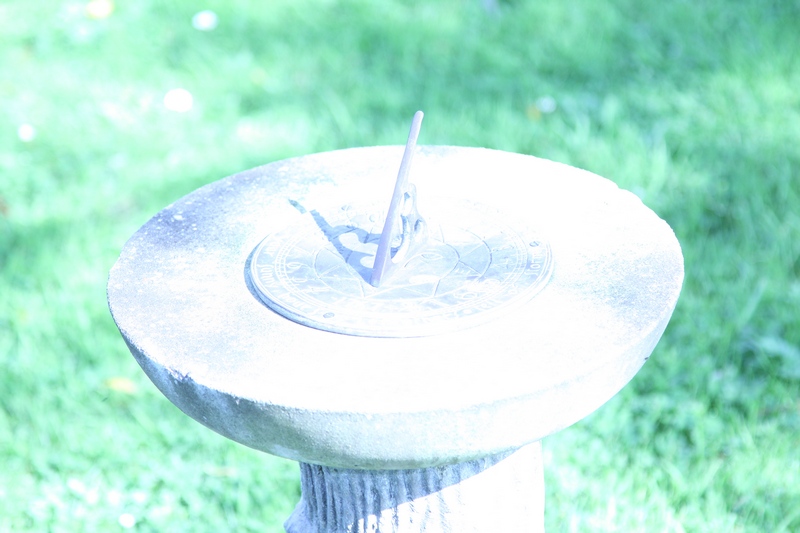
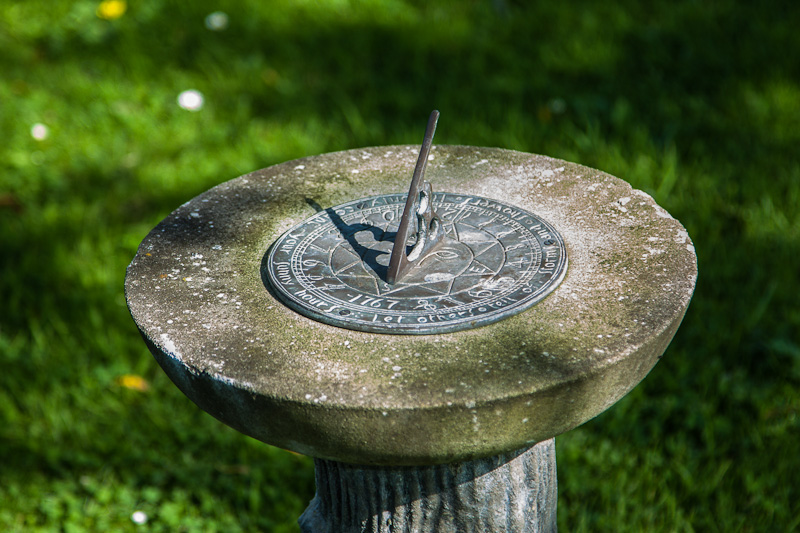
Whatever works for you is fine. To me, it just seems pointless, to spend all that money on a body and glass capable of collecting massive detail about an image, then throw loads away before you've even looked at it.
Even putting aside the lossy compression used on the image by saving it as jpg, there's also the fact that all jpg are by definition 8 bit files, giving 256levels of luminance per color channel.. thats just an eighth of the luminance information that was there in the typical 12bit RAW file, and some bodies go higher than that.
Shooting JPG means that before you've even started editing, you've thrown away a large proportion of what you had. No amount of converting back to tiff etc can possibly recover that missing information. It's like using a high quality microphone to record an orchestra.. onto an old Sharp C90 cassette recorder.. then copying it back onto a CD and expecting it to be as good as a true digital master. It just doesn't work that way. You make that original recording as high quality as possible, and use that as the basis for all later editing, even if a later copy ends up on an old tape!
If you've nailed the exposure in the first place, which many competent togs will do consistently, and are using the shots just for web-based work, (or need the speed advantage that some bodies have for FPS when shooting jpg only) then it may be fine. Where RAW really wins with all that not-binned detail, is in the recovery of shots that didn't quite work, or lifting back fine data from areas of shots that (on jpg) would have ended up blown or shifted to black. The ability to tweak WB etc too, and carry out all further editing with every bit of data from the file still there, well to me thats how it should be.





 .
.
 luslots!: