Simply put, composite photography is when a photographer uses two or more different images to create one new image.
Also
In the digital world, a double exposure image is basically a type of composite. It can be done in-camera or after the fact in PS - but in the end, two distinctly separate images are being composited together.
And
When shooting a landscape, it can often be difficult to expose properly for the sky and land alike. If a graduated filter isn’t easily available, the next easiest solution is to take two photos — one exposed for the sky and one of the ground — and then stitch them together in post-production, masking out the parts you don’t need.
Be sure to shoot on a tripod when stitching together images like this to ensure both photos line up accurately.
Composite photography is also a great way to edit out unwanted people in your photos, especially if photographing in a busy tourist area. Take multiple photos on a tripod, and layer the images one on top of the other. After that, simply erase anything you don’t want to see in the final photo.
Astro photography has another benefit from composite photography — known as stacking — to get rid of visual “noise” when shooting long exposures.
Shooting on a macro lens can come with the disadvantage of losing details outside the narrow depth of field afforded. Some photographers will shoot multiple photos at different focus marks so that the insect, tree frog, or other minute subject being captured comes out in greater detail.
Like the stacking method for astrophotography, this is known as focus stacking. This method can also be helpful for landscape photography when it’s necessary to have elements in the foreground and background in focus. Again, shoot on a tripod.
Also, you have the live composite mode on some cameras where it will take a series of images (say lights on a motorway at night) and the stitch / stack them (sorry not sure on the correct terminology) into a single image.
My GX9 also has a mode called sequence composition:
5. Sequence Composition mode
Sequence Composition is a brand new 4K Photo mode that is currently exclusive to the GX9.
It allows you to select a series of images from a 4K Photo movie clip and instruct the camera to combine them into one composited image, all in-camera
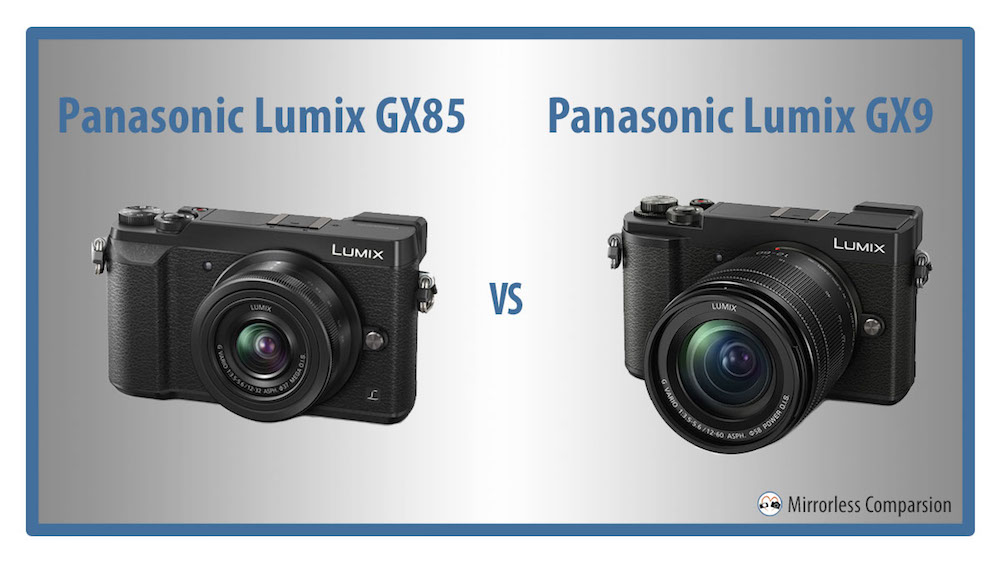
The Panasonic Lumix GX9 is the latest edition to the Lumix GX range of cameras. Officially speaking it is the direct successor of the Lumix GX8 but in reality, it has much more in common with the mid-range Lumix GX85/GX80 which was released in mid-2016. In the following comparison preview, ...

mirrorlesscomparison.com
So they are all forms of composite photography?