Single Long Exposures

theraven

Suspended / Banned
Messages
918
Name
Jenna
Edit My Images
Yes
Ok so this is something I've thought about for a while, I'm interested in doing single long exposures. Day and night (I've ordered the ND filter!). Now people with night shots tend to layer, I don't want to do this, some I've looked at on-line are stunning single exposure shots! Also they did mainly single exposure shots in the days of film!

So I am asking you guys on here for examples of your single shot exposures! It's ok for them to be edited, just only shot with one exposure.

Looking for the best examples if people don't mind! :)
 
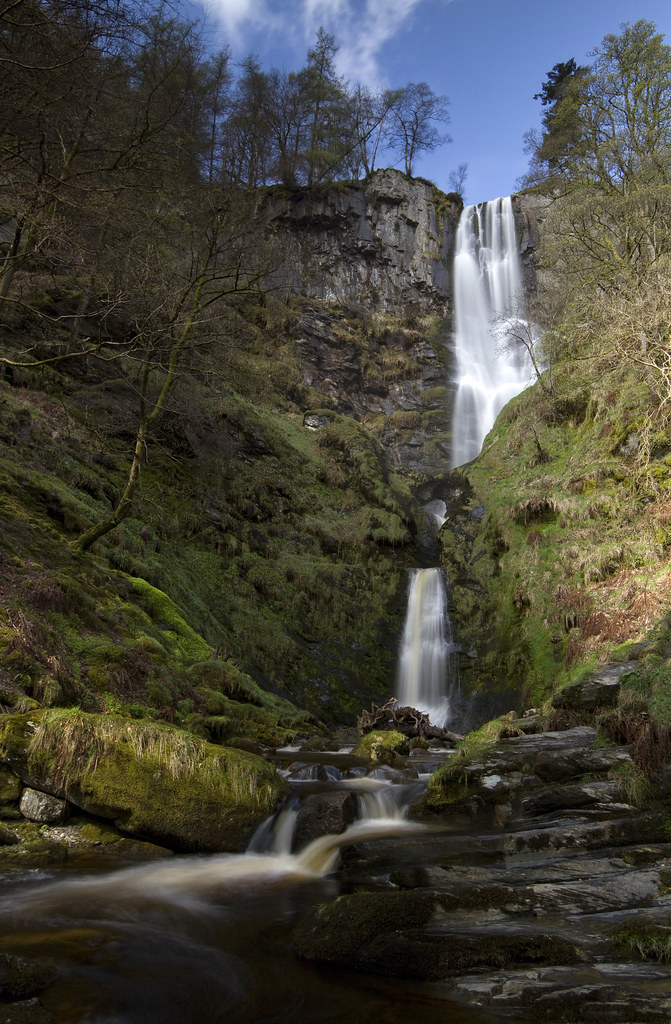
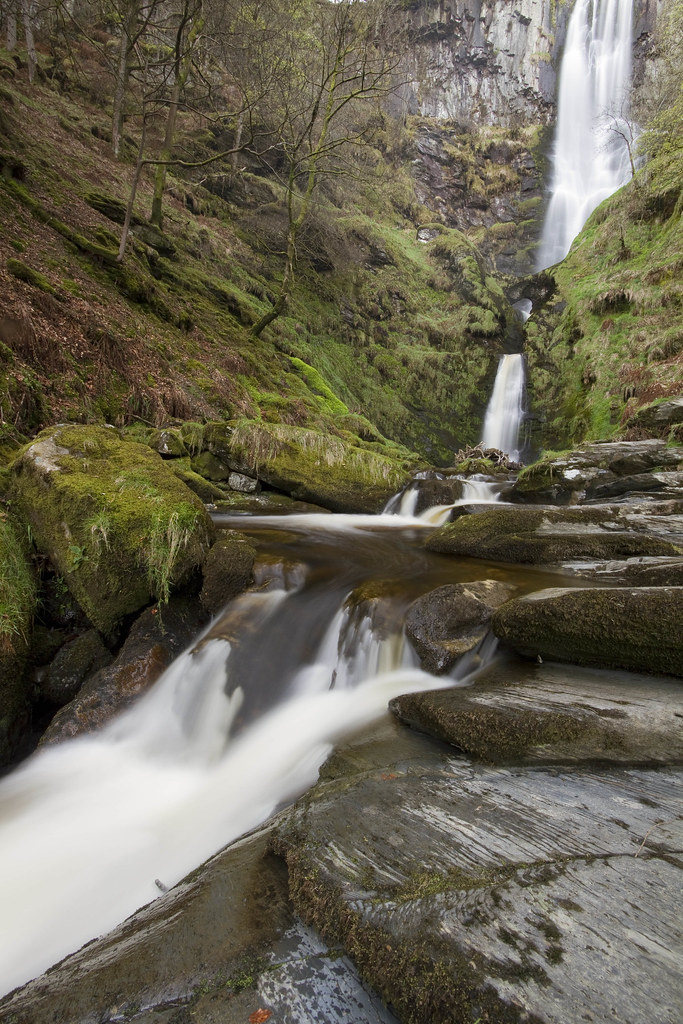
Not sure what sort of examples you are looking for, but here are a couple taken with a variable ND at Pistyll Rhaeadr, just over the Welsh border, between Oswestry and Bala - a great place to play with long exposures, although I know that many people are tired of the "slow water" effect.


Pistyll Rhaeadr 4r by Chris S B, on Flickr


Pistyll Rhaeadr 6r by Chris S B, on Flickr


It's not too far from Stoke, well worth a trip.

Chris
 
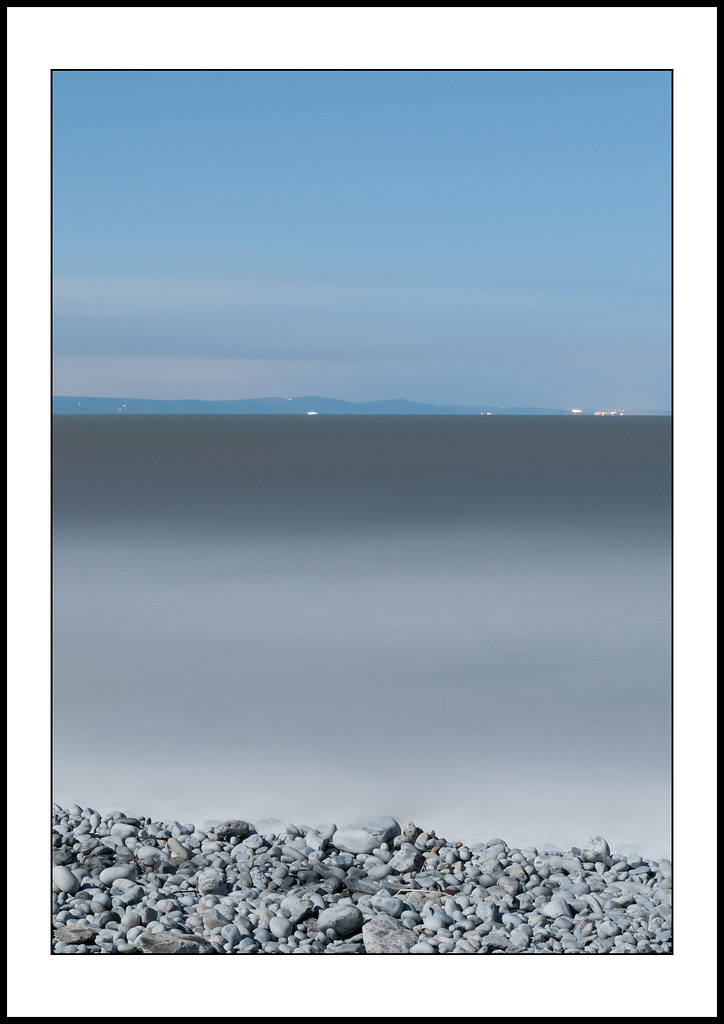
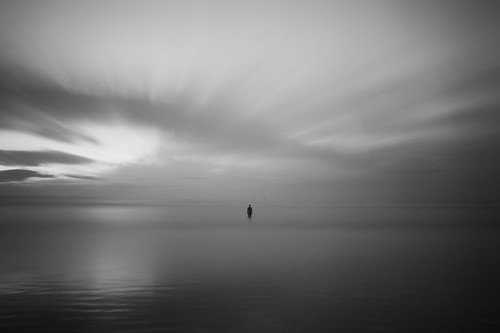
10mins pitch black except for the lights on the headlands, no ND

13z4fnk.jpg
 
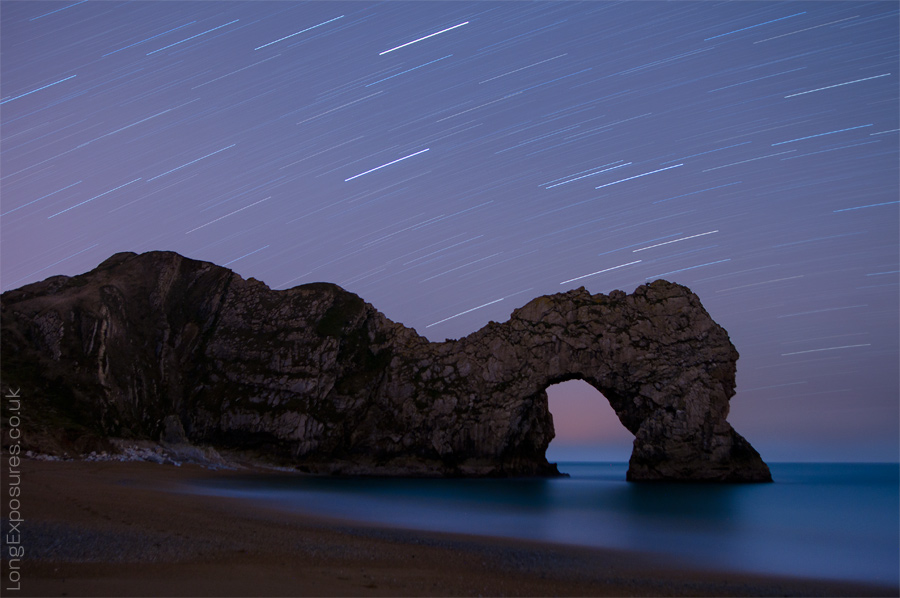
26 minutes- well past twilight; no moon. (ISO200 f/2.8)


Time

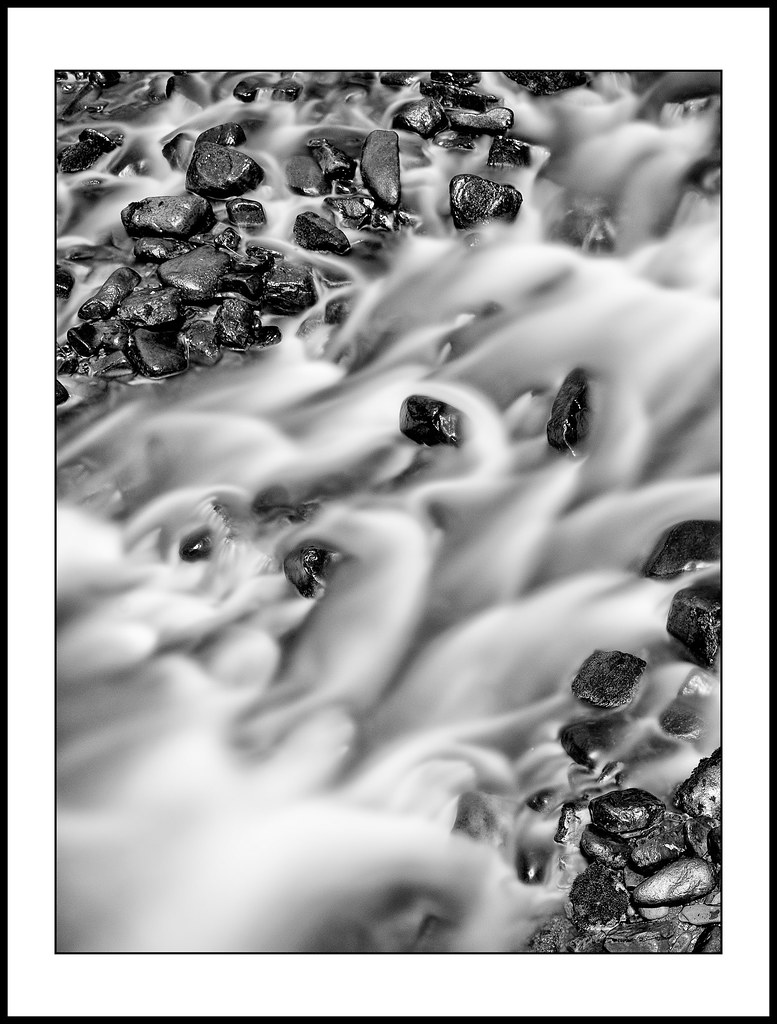
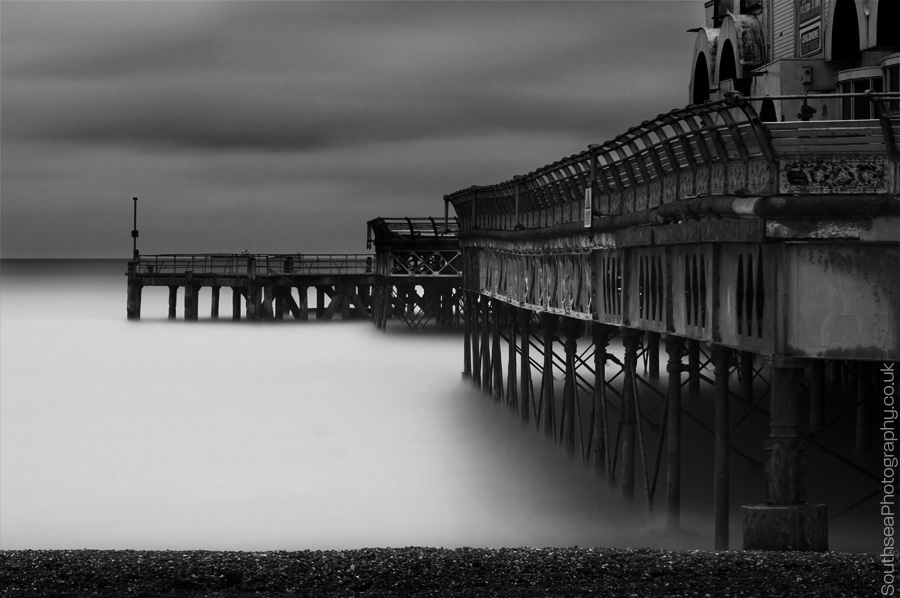
2 minutes- daytime, overcast, welding glass filter. (ISO400 f/5.6)


South Parade Pier

There's something intensely satisfying about capturing startrails etc in a single long exposure- the euphoria of knowing I'd nailed the Durdle Door image got me through the 2hr, 1am drive home! But I have to agree with Mark (above) that noise management and the achievability of night-sky images in challenging environments mean stacking should not be overlooked. Ultimately it depends on your motivation for making a photo- is it about the technical process or the final image?
 
Oh, one reason for people using film for long exposures is that the exposure duration becomes non-linear after about 30sec (depending on which film you're using). Whereas with digital if you're a stop underexposed you just need to double the exposure duration or double it again for two stops under, with film the issue of "reciprocity failure" means the longer you expose for, the longer you need to expose for; one stop under might require 2.2x the exposure length but then two stops under might need 4.7x the exposure length (rather than 4.4x). It's guesswork to an extent but the extra duration required by film means its easier to shoot single long exposures as the process takes longer by default.
 
but the extra duration required by film means its easier to shoot single long exposures as the process takes longer by default.


lol....well that really depends on what you call a "long" exposure.

you can't say a 30 second digital exposure is not a long exposure because the equivalent film exposure would take a minute....can you ?

and that's without chucking in any number of iso/ND variables

anyway, I always felt films biggest advantage for long exposures was grain v noise ratios, though there is something to be said for the differences between how a sensor and how film deals with long exposures in relation to latitude.

nice pics btw...:)
 
A 30 sec digital exposure would pretty much be the same as a 30sec film exposure, but as the exposures get longer, that would no longer be the case. What whynot was trying to explain was that when working with long exposures on film, if you wanted double the exposure you couldn't simply double the length of time the shutter was open due to reciprocity failure. When working with film, you move away from a linear rule for exposure time as exposures get longer. We don't have this problem with digital.
 
What whynot was trying to explain was....


I know what he was trying to explain, and a fine job he's done of it.

I'm questioning the idea that film is easier to shoot long exposures with, because it takes longer by default ?

Personally I find, and its dependant on the type of film used of course, on one hand its tougher because of the additional reciprocity and colour shift calculations required, yet on the other hand the extra latitude helps, or at least can produce a result that under the same circumstances digital would not.

Over all I think digital is easier because it is linear, regardless of exposure times.
 
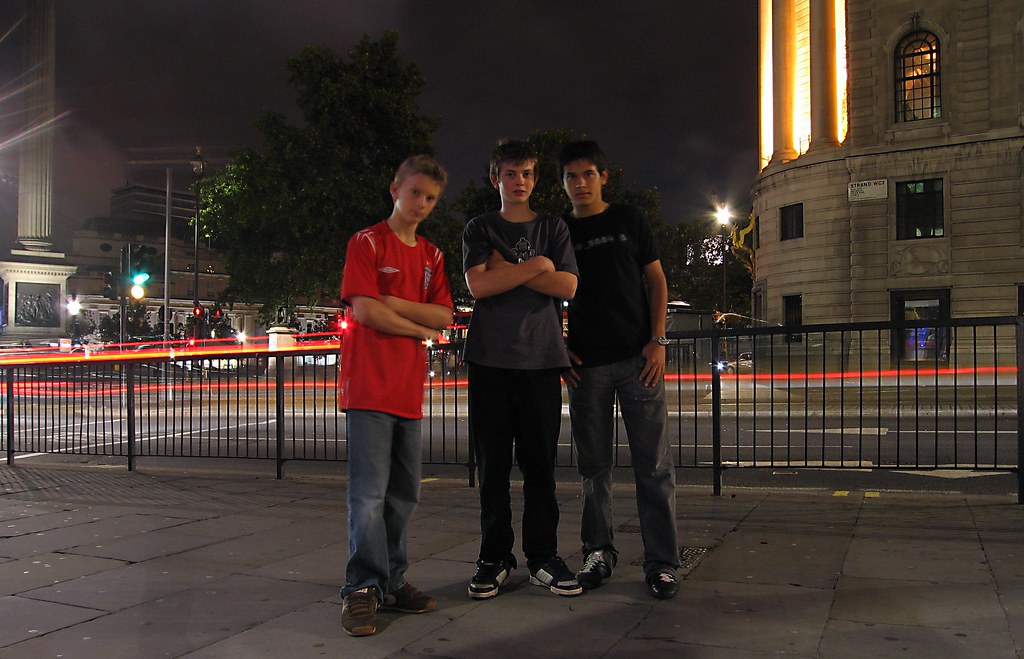
This one is only four seconds - but on a compact, hand-held (braced against a wall) and with subjects trying their hardest to stay still! Taken way back in 2005 on a trip to London with my nephews - just messing about :).


The Strand at night. by felix rufus, on Flickr
 
AndWhyNot said:
26 minutes- well past twilight; no moon. (ISO200 f/2.8)

http://www.flickr.com/photos/andwhynot/5657386032/
Time

2 minutes- daytime, overcast, welding glass filter. (ISO400 f/5.6)

http://www.flickr.com/photos/andwhynot/6985368752/
South Parade Pier

There's something intensely satisfying about capturing startrails etc in a single long exposure- the euphoria of knowing I'd nailed the Durdle Door image got me through the 2hr, 1am drive home! But I have to agree with Mark (above) that noise management and the achievability of night-sky images in challenging environments mean stacking should not be overlooked. Ultimately it depends on your motivation for making a photo- is it about the technical process or the final image?

Andrew, these are very nice images. Which lens and filter did you use.
 
Andrew, these are very nice images. Which lens and filter did you use.

Thanks :)

Durdle Door: Nikon D300 w/ Sigma 20mm prime at f/2.8 unfiltered
Pier: Nikon D300 w/ Sigma 70-200mm @ 70mm at f/5.6 w/ welding glass used as a 10-stop filter.
 
Back in the 'welding glass revolution' (ie. a few years ago) I did spend quite some time messing around with daylight long exposures.

If you ignore the absolute nightmare-ish WB tints, then it is well worth the investment!


Another place by Danny Beattie, on Flickr

That was a 392 second exposure in daylight.
 
Thank you guys, I've ordered an 8 ND filter as I'm looking to do long daytime exposures, I love them, day or night! Thank you for your examples!

Any tips?

When you say 8 ND filter, do you mean 8 stop or ND8 which is only 3 stops?

If it is the latter that might limit you somewhat.
 
Last edited:
ND8 filter.

Just have a think about what you want to shoot and what effect you want.

You may know this already but, 3 stops isn't a lot. Imagine a shot without a ND8 filter fitted

a 1/1000s shot would go to 1/125s

a 1/125s shot would go to 1/15s

a 1s would go to 8s
 
Just have a think about what you want to shoot and what effect you want.

You may know this already but, 3 stops isn't a lot. Imagine a shot without a ND8 filter fitted

a 1/1000s shot would go to 1/125s

a 1/125s shot would go to 1/15s

a 1s would go to 8s

Understandable, it is double threaded so would be putting my polariser on there too. If not then it was only £1.50 from eBay, I'll try again! :D
 
Understandable, it is double threaded so would be putting my polariser on there too. If not then it was only £1.50 from eBay, I'll try again! :D

If it only cost £1.50 you may find it will have a strong colour cast, also stacking a polariser on top may lead to vignetting at the edges.
 
If it only cost £1.50 you may find it will have a strong colour cast, also stacking a polariser on top may lead to vignetting at the edges.

Well I'll try this one, if it is not strong enough then I'll get a stronger one and better quality! :lol:
 
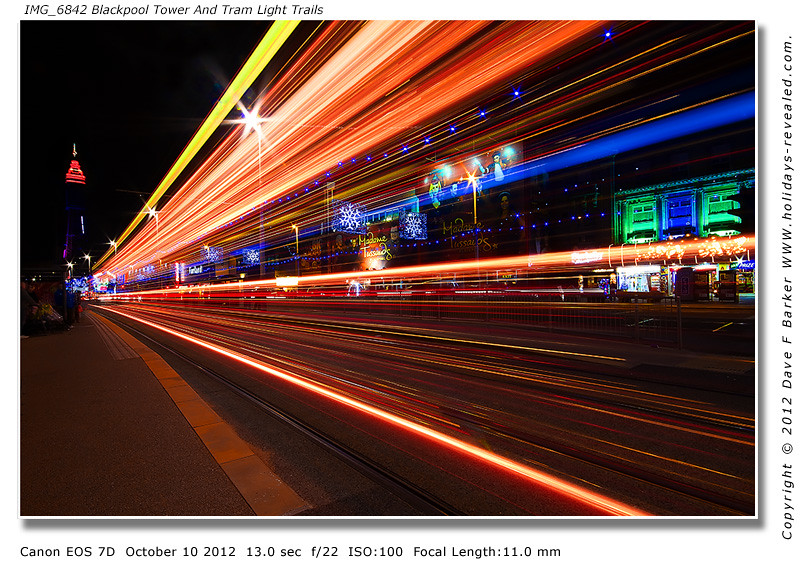
I took these the other night - Awesome spot and well worth the freezing cold, nearly getting run over and banter from people in cars!! ;

Bullring---3rd-Nov.jpg


Bullring---3rd-Nov_2.jpg
 
Last edited:
I took these the other night - Awesome spot and well worth the freezing cold, nearly getting run over and banter from people in cars!! ;

8158826846


Nothing showing here.
 
This is my favourite LONG single exposure;


At around 1.5hrs (if memory serves me right- exif should be on the photo page but can't see it on my iPhone) I think it should qualify.

Took this a year ago and just returned to Norfolk area this weekend to try it again. I got one ok pic but rest the filter got covered in dew so misted up massively. Nothing worse than crawling out of bed at 2am to find your camera only to find the thing didn't work!
 
Last edited:
5799 seconds, or roughly 96 minutes
 
Just bought myself a set of ND filters so I can get into doing some long exposures.

This is the longest exposure I've done to date without any filters; Edmonton skyline in a lightning storm, 20 seconds.


Lightning Over Edmonton #1 by TorontoBlue, on Flickr

Just a 30 minute car ride north or east and I'll get to see the northern lights. I can actually see them from where I took this photo (my balcony) but there is too much light pollution to get a decent photo.
 
More ideas.
15secs f11 no filter. I could Not see the blue in the dark sky when I shot this.
shirleystream2.jpg

6secs f8 no filter (bad pushed exposure but ok nonetheless)
BankHole.jpg

32secs f22 plus polariser to reduce light. (image has suffered from diffraction)
Streaminghome.jpg

Odd shimmy lights on the right are headlights and street lights reflected in the glass windows of a passing tube train.
 
Last edited:
Back
Top