

You are using an out of date browser. It may not display this or other websites correctly.
You should upgrade or use an alternative browser.
You should upgrade or use an alternative browser.
Show us yer film shots then!
- Thread starter Grant
- Start date


stevelmx5
Suspended / Banned
- Messages
- 10,176
- Name
- Steve
- Edit My Images
- No
I did some quick test scans (2400dpi) last night from a couple of rolls I've developed over the last week. These are on a friends' V700 but unfortunately he can't find the negative holder at the moment so they were directly on the glass which has caused Newton rings. I'll get them scanned again once he can find the holders!
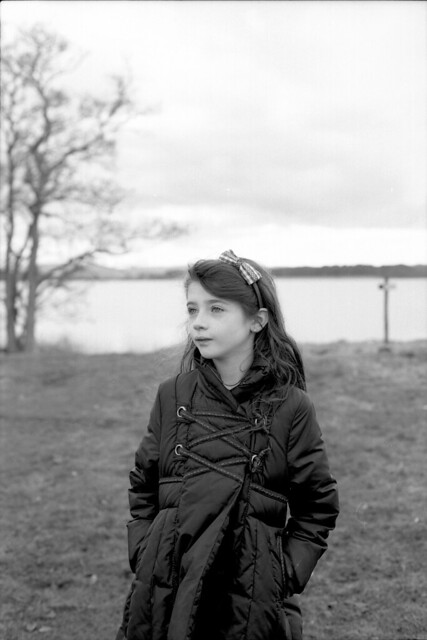
Kowa 6 - Ilford Pan F 50
1)
 [/url] Chloe Kowa 6 - Ilford Pan F 50 by Steve Lloyd, on Flickr[/IMG]
2)
 [/url] Chloe Kowa 6 - Ilford Pan F 50 by Steve Lloyd, on Flickr[/IMG]
Leica M2 - Fuji Neopan 400
3) Slight edit of this one using Snapseed on the Ipad
 [/url] Chloe - Leica M2 - Fuji Neopan 400 by Steve Lloyd, on Flickr[/IMG]
4)
 [/url] Chloe - Leica M2 - Fuji Neopan 400 by Steve Lloyd, on Flickr[/IMG]
5)
 [/url] Dad - Leica M2 - Fuji Neopan 400 by Steve Lloyd, on Flickr[/IMG]
OM10 - Ilford HP5+
6)
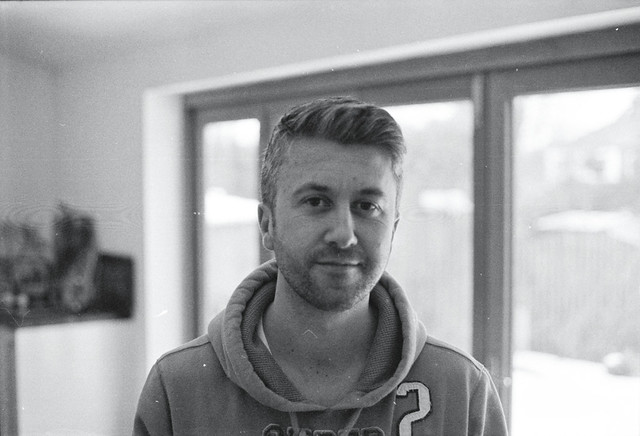
Mike - Olympus OM10 - Ilford HP5+ by Steve Lloyd, on Flickr
All of these were developed in R09 (Rodinol) at 1+25 for around 6 minutes. I've got another roll of Pan F 50 to develop from a Mamiya 645 ProTL so i'll add those when I have them.
I think my favourite camera out of the 4 I'm currently using is the Kowa 6
Cheers
Steve
Kowa 6 - Ilford Pan F 50
1)
2)
Leica M2 - Fuji Neopan 400
3) Slight edit of this one using Snapseed on the Ipad
4)
5)
OM10 - Ilford HP5+
6)
Mike - Olympus OM10 - Ilford HP5+ by Steve Lloyd, on Flickr
All of these were developed in R09 (Rodinol) at 1+25 for around 6 minutes. I've got another roll of Pan F 50 to develop from a Mamiya 645 ProTL so i'll add those when I have them.
I think my favourite camera out of the 4 I'm currently using is the Kowa 6
Cheers
Steve
Last edited:

Woodsy
Suspended / Banned
- Messages
- 7,676
- Name
- Jonathan
- Edit My Images
- No
So I know this is similar to one of the last shots I've posted from my recent trip to cornwall, but I felt this was different enough to post Shot on Portra 160.

Godrevy Lighthouse, Portra 160, Cornwall by Jonathan Woods Photography, on Flickr
EDIT: looking at this at home on my (calibrated) monitor, the colours look fine... but here at work the sky looks red?! Hmmm
Shot on Portra 160.Godrevy Lighthouse, Portra 160, Cornwall by Jonathan Woods Photography, on Flickr
EDIT: looking at this at home on my (calibrated) monitor, the colours look fine... but here at work the sky looks red?! Hmmm
Last edited:

compulsivehordr
Suspended / Banned
- Messages
- 320
- Name
- Alastair
- Edit My Images
- No
So I know this is similar to one of the last shots I've posted from my recent trip to cornwall, but I felt this was different enough to post
Godrevy Lighthouse, Portra 160, Cornwall by Jonathan Woods Photography, on Flickr
EDIT: looking at this at home on my (calibrated) monitor, the colours look fine... but here at work the sky looks red?! Hmmm
Ooooh, very nice. The light catching the spray is incredible Love it.

- Messages
- 4,158
- Name
- Rob
- Edit My Images
- Yes
Like that a lot Woodsy, seems you are getting along with Portra a lot better than I managed.
Stonking light, exposure is nailed with just enough detail left in the water. Did you use any movements on this?
The sky doesn't look markedly red here on my (uncalibrated) screen btw.
Stonking light, exposure is nailed with just enough detail left in the water. Did you use any movements on this?
The sky doesn't look markedly red here on my (uncalibrated) screen btw.

Andysnap
Suspended / Banned
- Messages
- 16,322
- Name
- Andy Grant
- Edit My Images
- Yes
Looking good Woodsy my man, very nice indeed.
I'm very tempted by a little 5x4 up for sale at Vintage Classic Cameras. Its called 'The British and has a Wray 5 x 5,4 lens and DD slide and new bellows but I don't know if I would be gaining that much over my Mamiya C330 and I'm maybe just thinking of buying it because I have the money.
Would you say that the difference is that noticeable? Can I assume that when printed the difference in quality is much more obvious than with the scans on here (good as they are)? What are the advantages and disadvantages of 5x4?
Sorry for all the questions but I'm a bit torn at the moment as to what to do.
Cheers
Andy
I'm very tempted by a little 5x4 up for sale at Vintage Classic Cameras. Its called 'The British and has a Wray 5 x 5,4 lens and DD slide and new bellows but I don't know if I would be gaining that much over my Mamiya C330 and I'm maybe just thinking of buying it because I have the money.
Would you say that the difference is that noticeable? Can I assume that when printed the difference in quality is much more obvious than with the scans on here (good as they are)? What are the advantages and disadvantages of 5x4?
Sorry for all the questions but I'm a bit torn at the moment as to what to do.
Cheers
Andy
Woodsy
Suspended / Banned
- Messages
- 7,676
- Name
- Jonathan
- Edit My Images
- No
Ooooh, very nice. The light catching the spray is incredible Love it.
Like that a lot Woodsy, seems you are getting along with Portra a lot better than I managed.
Stonking light, exposure is nailed with just enough detail left in the water. Did you use any movements on this?
The sky doesn't look markedly red here on my (uncalibrated) screen btw.
Many thanks chaps
Portra, to my incredible surprise, scans very nice indeed, even with Epsonscan. Getting a dull but unclipped scan by adjusting only the histogram levels looks terrible. Crucially however, simply increasing the saturation in photoshop yielded very good colours indeed, suggesting that the scanner got the balance almost bang on. Tiny tweaks of colour balance later, et voila. Heeding Alex Burke's advice on that matter certainly paid off. (http://www.flickr.com/photos/alexburke/)
With results as easy to achieve as this, I can certainly see myself running Portra 160 alongside a good slide film like Provia for when scene contrast is just too much to correct / expose for.
I used front tilt and front fall on this shot. Impressively, no grads either. Stunning DR on this film!
Last edited:
Woodsy
Suspended / Banned
- Messages
- 7,676
- Name
- Jonathan
- Edit My Images
- No
Looking good Woodsy my man, very nice indeed.
I'm very tempted by a little 5x4 up for sale at Vintage Classic Cameras. Its called 'The British and has a Wray 5 x 5,4 lens and DD slide and new bellows but I don't know if I would be gaining that much over my Mamiya C330 and I'm maybe just thinking of buying it because I have the money.
Would you say that the difference is that noticeable? Can I assume that when printed the difference in quality is much more obvious than with the scans on here (good as they are)? What are the advantages and disadvantages of 5x4?
Sorry for all the questions but I'm a bit torn at the moment as to what to do.
Cheers
Andy
So, in my experience, 5x4 is a world apart from MF. First and foremost it takes a long time to set up the camera compared to MF. Focusing ideally needs a loupe. A loupe is essential if you want to start using movements such as tilt and what not. I'd say the movements alone make LF worth the move.
Straight away, over MF, you get ~4 times the film surface area compared to 6x6 format MF (I can't remember the exact value, but it's around there). When scanned and stuffed on the net, this basically makes no difference what so ever. The argument of tonal separation when reduced to a web res of ~800 x whatever is basically void. The advantage comes when viewing larger and when printing. To put it into context, I printed a B&W LF frame from a digital scan at 2400 DPI - about the realistic limit of the V700 - at 40x60 inches. I printed at native res at 200 DPI. To do this from MF and given the approximate film area difference, to print at the same size without upscaling the resolution, you'd be limited to 100 DPI. Still good, but pushing close to the generally accepted limit of 72 DPI. Up-ing the resolution in photoshop is perfectly fine, but ultimately degrades the fine detail. No matter what anyone says, interpolation degrades quality, even if photoshop is very good at it these days. I'm being pedantic here, of course.
Printing in the darkroom requires a considerably more expensive enlarger than when enlarging from MF frames. Enlargers like the DeVere 504 are much more expensive than other "up to and including MF" spec'd enlargers.
Film is more expensive, and by quite a margine. A roll of Acros might cost you £3-4? This gets you 12 frames on 6x6 format MF. Acros is £1.50 per frame on LF. Colour is even worse. Developing is also about an order of magnitude more expensive (on a per frame basis) when getting it done commercially. Just look at peak-imaging prices. If you want to shoot B&W on LF, you can home dev, cutting cost massively.
Other aspects include reduced number of frames you can take with you, as you either need a dark bag to change film in the field, or carry more film holders. Generally, one film holder holds 2 frames and after 5-6 of these, it starts to get heavy.
Lenses for LF are the sharpest you'll experience. My Nikon 150mm F/5.6 can resolve small windows on a building 2.5 KM away from the camera when focused well and with appropriate aperture values.
Mistakes are more common on LF as there is no redundency / safety measures apart from on the shutter (it wont fire on some lenses if the shutter is open / in preview mode) - Doesn't stop you removing the dark slide too early however. Be prepared for many mistakes if one is not concentrating.
You'll need a light meter. Don't spend all this time, effort and money on the film + camera and use a digital camera as a light meter. They use integrating meters and often get it completely wrong. A proper hand held light meter measures light intensity, not light intensity across three colour channels and averages, and so you are much less likely to blow a "colour channel" on the film if using colour film. Also, the sensors in these light meters are usually calibrated and are as such normalised across the visible spectrum. They also promote the easier use of the zone system - Something you'll definitely need if shooting slide, but will probably want to use anyway when shooting any type of film.
All in all... is it worth it? Would I go the same way given the choice again? Abso-sodding-lutely. I love LF. It has been exactly what I needed in photography. The pace, the results of a good frame, the process of setting up the camera, everything. The only way I'd ever go back to MF is if sheet film ceased being made, and even then I'd probably use a roll film adapter on the LF body. It is not for the feint hearted, and requires patience by the bucket load. But for me, all of the image quality advantages, including camera movements, tonal graduation and overall resolution of the final files and optically for the lenses make it all worth it. I've never looked back
 HTH!
HTH!
Last edited:
Andysnap
Suspended / Banned
- Messages
- 16,322
- Name
- Andy Grant
- Edit My Images
- Yes
Thanks for that matey, a full and honest appraisal I think. I shall give it more thought but I think I'm probably not ready to take the step just yet, I really need to start getting more consistent results with MF before I begin shelling out much gold on LF. Mmm it's just so tempting, the equipment is so bloody brilliant and I already assumed that the final results would be phenomenally better than MF......argh need beer.
Andy
Andy

tikkathreebarrel
Suspended / Banned
- Messages
- 2,150
- Edit My Images
- Yes
Only 3 of the 4 images showing. I love the 2nd showing (3rd) all are well exposed however I would correct the verticals of the first.
As for the scratches, were both the films suffering taken from bulk rolls? If so are you sure you are following the correct procedure for your bulk loader?
Years ago I had similar problems with a 'computrol' type loader (see below) when I wasn't opening the film gate when loading the film, this meant that the film was being 'dragged' across the film gate when loading causing scratches.
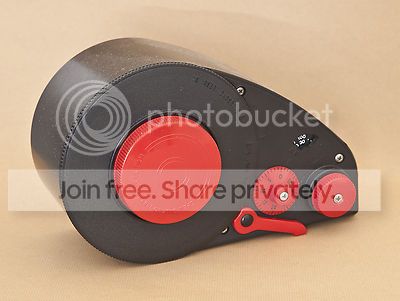
Ed, I posted this photo to show it straight from the developer but I have a " verticals vertical" version in which I have also adjusted Levels here:

You might be onto something with the loader technique. I'm still in early days with bulk loading and I'd much rather do the whole thing under a lightproof cloth but I probably pulled this film onto the cassette just before locking the cassette into the loader with the gate closed. That could be it.
tikkathreebarrel
Suspended / Banned
- Messages
- 2,150
- Edit My Images
- Yes
So I know this is similar to one of the last shots I've posted from my recent trip to cornwall, but I felt this was different enough to post
Godrevy Lighthouse, Portra 160, Cornwall by Jonathan Woods Photography, on Flickr
EDIT: looking at this at home on my (calibrated) monitor, the colours look fine... but here at work the sky looks red?! Hmmm
You're banned!
 I'm envious of the shot you've taken here not just because you're probably better at this than me, but especially because I've had a week of grey skies and dreary lunchtime town walks.
Very nice image indeed.
Last edited:
tikkathreebarrel
Suspended / Banned
- Messages
- 2,150
- Edit My Images
- Yes
Liking these. Nice.
compulsivehordr
Suspended / Banned
- Messages
- 320
- Name
- Alastair
- Edit My Images
- No
SI love LF. It has been exactly what I needed in photography. The pace, the results of a good frame, the process of setting up the camera, everything.
Does this mean you won't be needing that FM3A then?
If Nick Brandt shot horses I think this is what they would look like. Sterling work.
Chaps and lasses this is another page of wonderful photos, just all around goodness.
I don't like to play favourites but I have to say that Osh's shot of the pony is one of the best photos I have ever seen. I keep going back to it for another look. It has an almost 3d quality to it and the sharpness is a wonder to behold. Perfect.
Andy
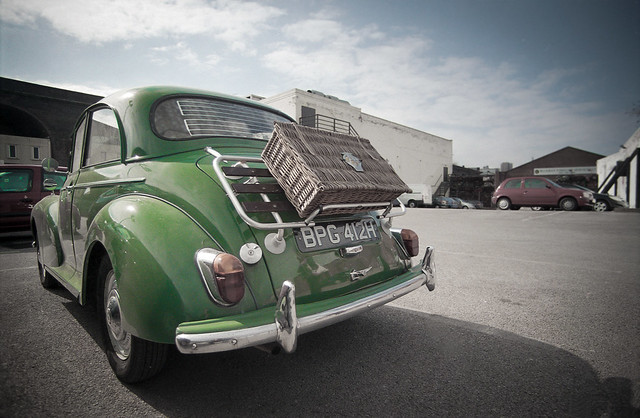
Thanks! Yes, I was very happy with that one. Here's one I took last week on holidays in Dorchester. Not as cute but I may as well share it:
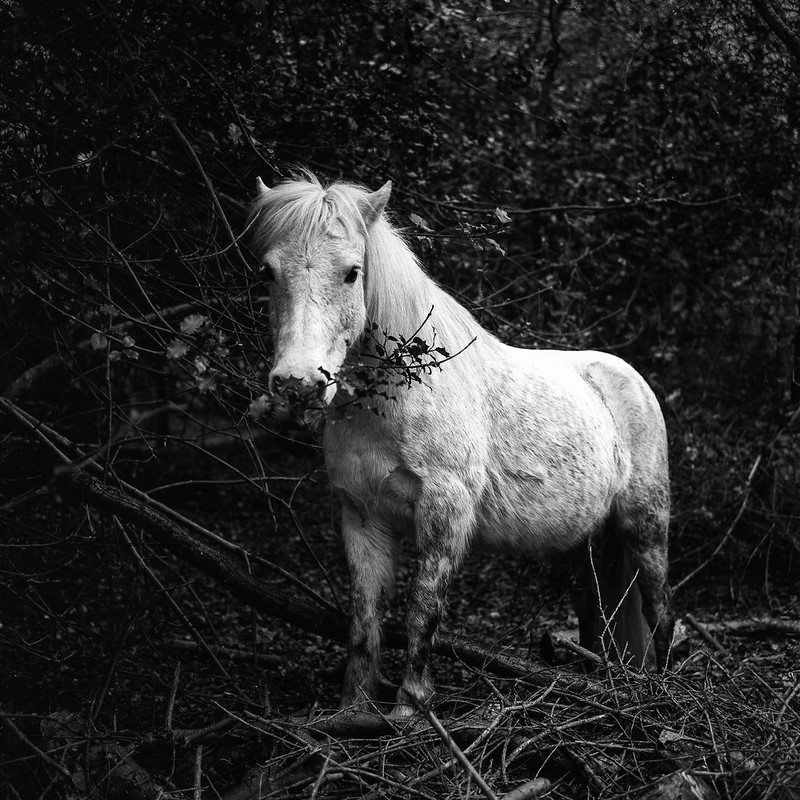
Grazing Pony in Puddletown Forest by osh rees, on Flickr


EdBray
Suspended / Banned
- Messages
- 7,179
- Name
- Edward Bray
- Edit My Images
- Yes
Thanks! Yes, I was very happy with that one. Here's one I took last week on holidays in Dorchester. Not as cute but I may as well share it:
Grazing Pony in Puddletown Forest by osh rees, on Flickr
At least you didn't cut the hoofs off this one


Albi
Suspended / Banned
- Messages
- 582
- Name
- Allan
- Edit My Images
- Yes
So I know this is similar to one of the last shots I've posted from my recent trip to cornwall, but I felt this was different enough to post
Godrevy Lighthouse, Portra 160, Cornwall by Jonathan Woods Photography, on Flickr
EDIT: looking at this at home on my (calibrated) monitor, the colours look fine... but here at work the sky looks red?! Hmmm
Jonathan

Your Cornish shots are outstanding, I live in Cornwall yet dont see it like you or others do. On my uncalibrated monitor the sky looks fine. I have recently taken on a LF camera with a Schneider 135 f5.6, which I hope will be good for landscape. Got all the gear to dev at home, going to give the Taco Method useing a Jobo processor a try. Trying to sort out a scanner, then it will be all go.

At least you didn't cut the hoofs off this one
Ha ha no made sure of that this time!

So I know this is similar to one of the last shots I've posted from my recent trip to cornwall, but I felt this was different enough to post
Godrevy Lighthouse, Portra 160, Cornwall by Jonathan Woods Photography, on Flickr
EDIT: looking at this at home on my (calibrated) monitor, the colours look fine... but here at work the sky looks red?! Hmmm
Just stunning!
Woodsy
Suspended / Banned
- Messages
- 7,676
- Name
- Jonathan
- Edit My Images
- No
You're banned!
Very nice image indeed.
Haha, many thanks for the comment! I completely feel your pain though... Last year on basically the same visit to Cornwall for a week, we quite literally came back with nothing. Rained all week.
I try not to go to locations with the idea in mind that I'm going to get loads of awesome photographs because frankly, it never happens! That said, when you spend a week somewhere, it's fair to hope for getting that one properly good photograph would make the week completely worth it!
Jonathan
Your Cornish shots are outstanding, I live in Cornwall yet dont see it like you or others do. On my uncalibrated monitor the sky looks fine. I have recently taken on a LF camera with a Schneider 135 f5.6, which I hope will be good for landscape. Got all the gear to dev at home, going to give the Taco Method useing a Jobo processor a try. Trying to sort out a scanner, then it will be all go.
Thanks for the comment chap
Outstanding! Always good to hear people are switching towards LF Sounds like you've got a cracking lens to go on that camera - F/5.6 just makes it that much easier compared to the (mostly) cheaper F/8 lenses. I'm sure given the right place and right time you'd see the photographs as well! just takes practise I guess. 135mm is a great landscape lens for landscapes. It'll give fantastic perspective and isn't too wide; I love my 90mm, but sometimes it's just too wide for some scenes. Even this shot of Godrevy above is cropped from a 90mm frame by a little bit. 135mm is a lovely starting focal length as well, as it makes room for say a 75mm, 105mm, 180mm and then possibly a 240mm. An ideal set of focal lengths!Just stunning!
Many thanks! Been having a look through your flickr stream... Some really fantastic work there! Your work on Velvia is a real benchmark imho.

antihero
Suspended / Banned
- Messages
- 4,274
- Name
- Paul
- Edit My Images
- Yes
4 year OOD XP2 with Pentax z1-p and 70mm f2.4 @ 2.4. Scanned via V500.
Have to say thanks for the advice re the OOD film (I originally thought it was only 3 years but it went OOD in Feb 09), and shot it at box speed. Came out fine. Only pp was to remove a mass of dust bunnies
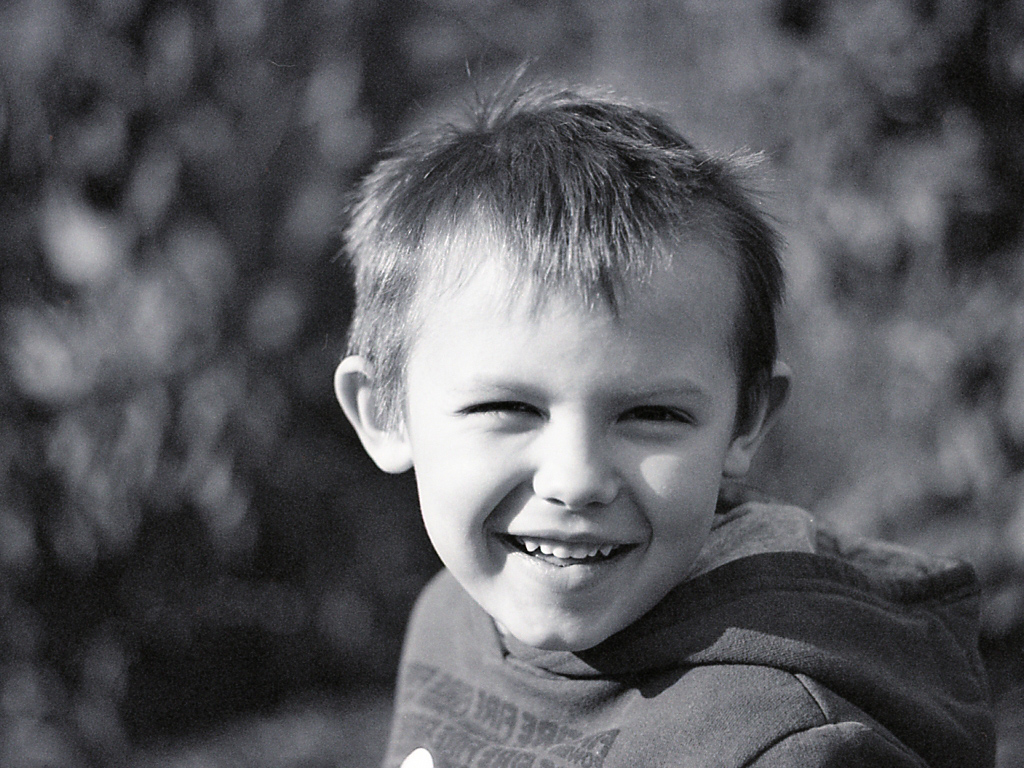
smile by AlternatePixel, on Flickr
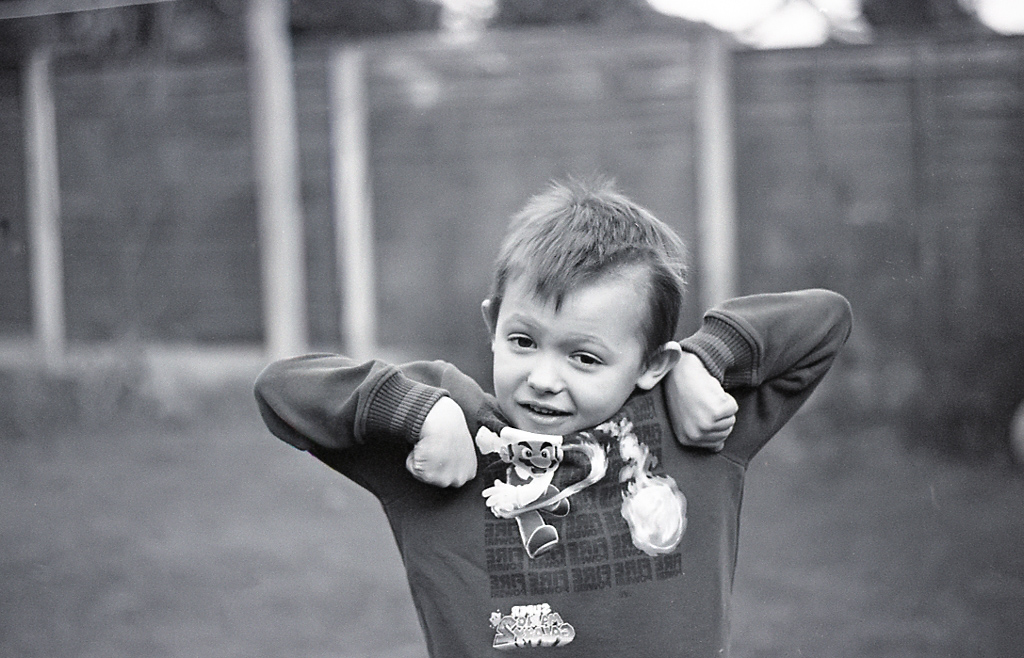
muscles by AlternatePixel, on Flickr
Have to say thanks for the advice re the OOD film (I originally thought it was only 3 years but it went OOD in Feb 09), and shot it at box speed. Came out fine. Only pp was to remove a mass of dust bunnies
smile by AlternatePixel, on Flickr
muscles by AlternatePixel, on Flickr
Andysnap
Suspended / Banned
- Messages
- 16,322
- Name
- Andy Grant
- Edit My Images
- Yes
A quick one from the Mamiaya C330f and 55mm lens. On Portra but converted to b&w as it looked better that way.
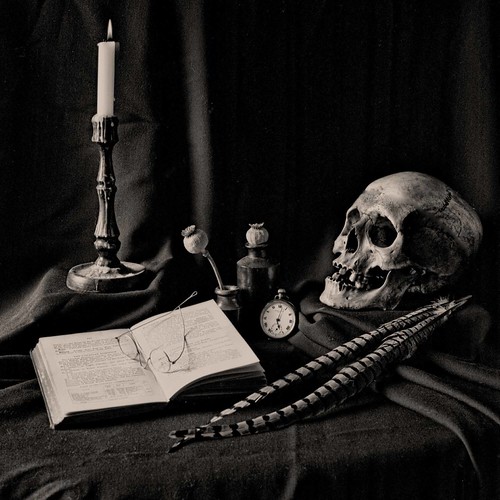
Vanitas1small by andysnapper1, on Flickr
Andy
Vanitas1small by andysnapper1, on Flickr
Andy

AshleyC
Suspended / Banned
- Messages
- 2,956
- Name
- ...
- Edit My Images
- No
my first 5x4 shots. Not amazing, couldnt work the focus out on the lamp shot and forgot about rotating the lens to get the back of the boat in focus! But its a start. Ive got a pile coming back from peak imaging in the week which will be interesting. The full scans were 98MPixels and 180megs per image so i dont think i'll be keeping too many full ones on the pc!
Anyway, ilford delta 100, rodinal one shot and the taco method which kinda worked but one of the bands insisted on springing off mid way through the processing. There is also some fogging on the lamp shot so im hoping thats not a leaky film holder.


Anyway, ilford delta 100, rodinal one shot and the taco method which kinda worked but one of the bands insisted on springing off mid way through the processing. There is also some fogging on the lamp shot so im hoping thats not a leaky film holder.

- Messages
- 9,277
- Edit My Images
- No
Printing in the darkroom requires a considerably more expensive enlarger than when enlarging from MF frames.
Not always. I got a DeVere 54 (not 504) for free. Generally though, your'e correct. 5x4 enlargers do seem to keep their prices here whereas in the US, where I think they were more popular with amateurs, they can be picked up for little or no money quite regularly.
It's definitely worth a try though. If you think your scanned and printed 5x4 images are good, you will love an optically printed one.
Steve.
Last edited:

- Messages
- 12,294
- Name
- Brian
- Edit My Images
- Yes
I had similar problems with a bulk loader as well, I wasn't opening the film gate fully :bang:
....and make sure you operate the Watson loader correctly:-


RaglanSurf
Suspended / Banned
- Messages
- 11,477
- Name
- Nick
- Edit My Images
- Yes
....and make sure you operate the Watson loader correctly:-
Yep, that's pretty much the bulk film loader look, let's see them re-create that with a plug-in.
EdBray
Suspended / Banned
- Messages
- 7,179
- Name
- Edward Bray
- Edit My Images
- Yes
my first 5x4 shots. Not amazing, couldnt work the focus out on the lamp shot and forgot about rotating the lens to get the back of the boat in focus! But its a start. Ive got a pile coming back from peak imaging in the week which will be interesting. The full scans were 98MPixels and 180megs per image so i dont think i'll be keeping too many full ones on the pc!
Anyway, ilford delta 100, rodinal one shot and the taco method which kinda worked but one of the bands insisted on springing off mid way through the processing. There is also some fogging on the lamp shot so im hoping thats not a leaky film holder.
If you have loaded the film correctly with the taco method, the film should stay where it is even without the bands. Most film holders will leak to some degree in strong sunlight. Many LF users leave their dark-cloth over the film holder during the exposure to prevent the chance of this happening.
LF is fraught with potential 'trip ups' but when you get it right the results are simply fantastic.

medwaygreen
Suspended / Banned
- Messages
- 4,425
- Name
- Richard
- Edit My Images
- No
A quick one from the Mamiaya C330f and 55mm lens. On Portra but converted to b&w as it looked better that way.
Vanitas1small by andysnapper1, on Flickr
Andy
Very good still life set up, I think there must be lots of details left in the shadows, but I love the tones you have got, it reminds me of something TBY did a long time ago.
The conversion was correct, this would not look as good in colour.

Andysnap
Suspended / Banned
- Messages
- 16,322
- Name
- Andy Grant
- Edit My Images
- Yes
Here's a couple from Edinburgh on my new Yashica 124g.
Ilford HP5
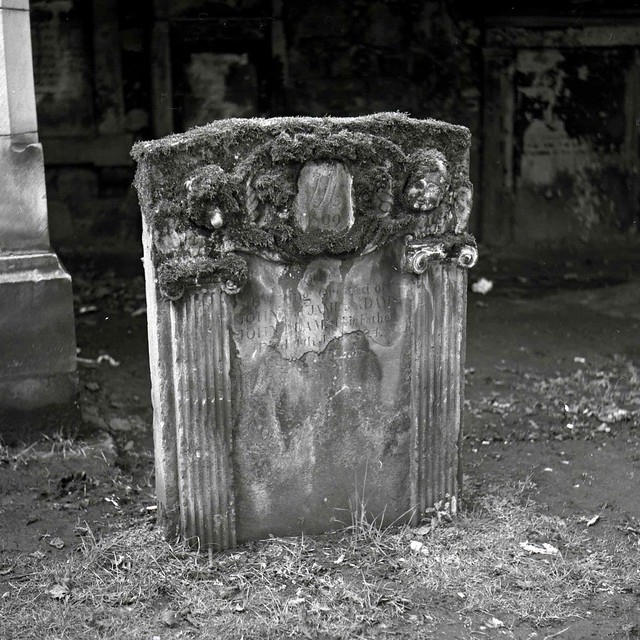
1800 by andysnapper1, on Flickr
Ilford HP5
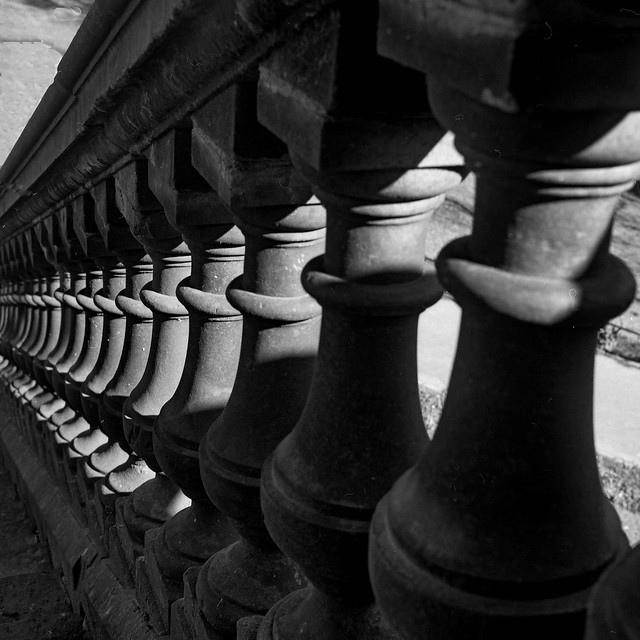
Balustrade-b&w by andysnapper1, on Flickr
Kodak Portra 160
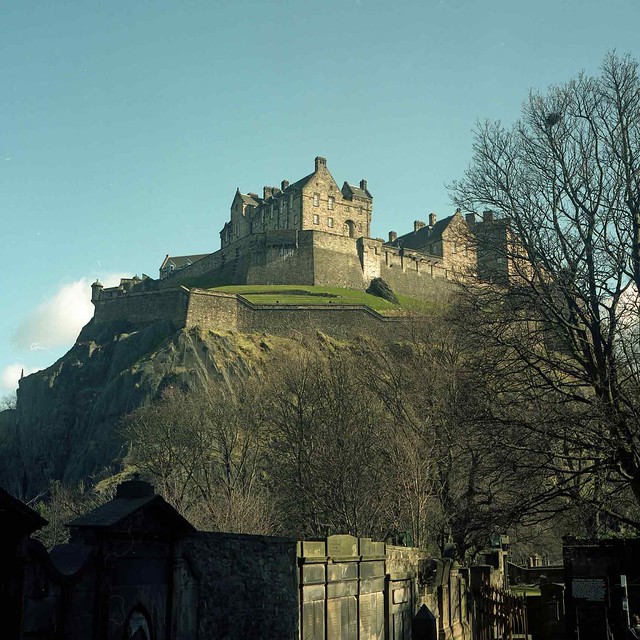
Castle-from-graveyard by andysnapper1, on Flickr
Kodak Portra 160
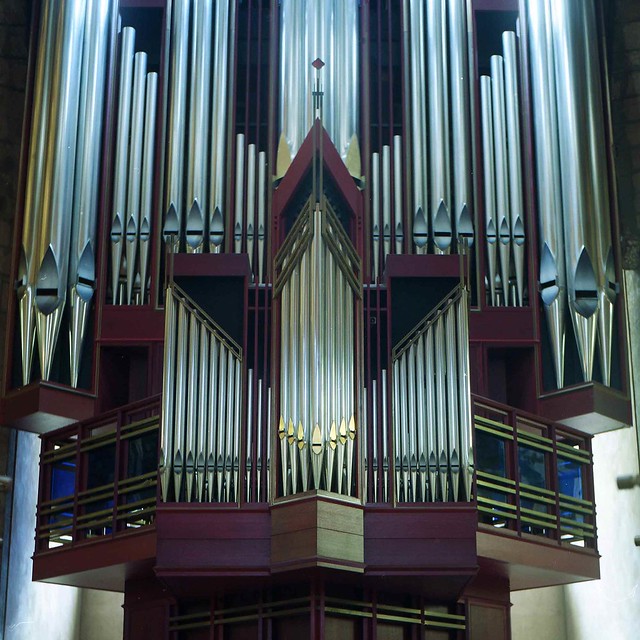
Organ-Pipes-Provia by andysnapper1, on Flickr
Cheers
Andy
Ilford HP5
1800 by andysnapper1, on Flickr
Ilford HP5
Balustrade-b&w by andysnapper1, on Flickr
Kodak Portra 160
Castle-from-graveyard by andysnapper1, on Flickr
Kodak Portra 160
Organ-Pipes-Provia by andysnapper1, on Flickr
Cheers
Andy

steveo_mcg
Suspended / Banned
- Messages
- 6,319
- Name
- Steven
- Edit My Images
- Yes
Ran a roll of Vista through the Mamiya in addition to some Panf, results a little hit or miss and scanning was difficult I had to scan them on the glass as the frames were either too long to go in the sleeves or too short to go in the 120 film holder. Developed by Asda.
Early ones, just after loading the film it wasn't so hard to frame but the later ones I couldn't remember where the film was on the view finder.
Snow on the pentlands
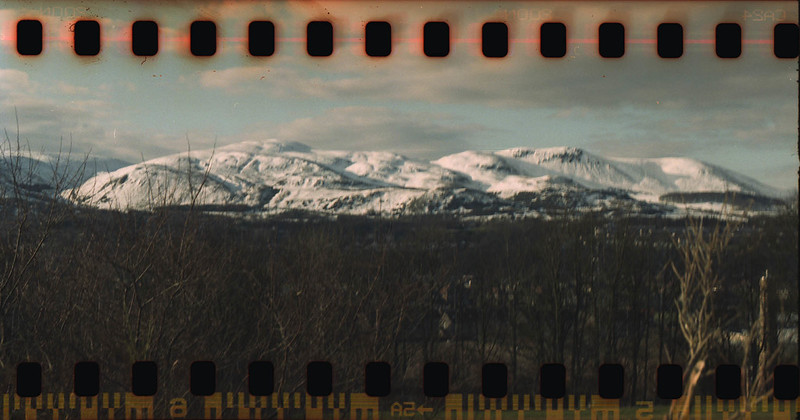
Vista-RB67Pano-Mar13004 by steveo_mcg, on Flickr
Napier University with Corstorphine hill in the background
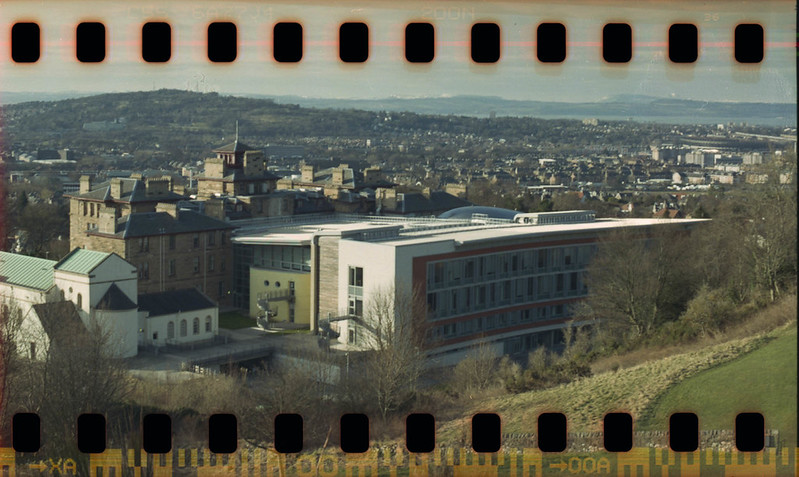
Vista-RB67Pano-Mar13001 by steveo_mcg, on Flickr
More here: http://www.talkphotography.co.uk/forums/showthread.php?t=476253
Early ones, just after loading the film it wasn't so hard to frame but the later ones I couldn't remember where the film was on the view finder.
Snow on the pentlands
Vista-RB67Pano-Mar13004 by steveo_mcg, on Flickr
Napier University with Corstorphine hill in the background
Vista-RB67Pano-Mar13001 by steveo_mcg, on Flickr
More here: http://www.talkphotography.co.uk/forums/showthread.php?t=476253
compulsivehordr
Suspended / Banned
- Messages
- 320
- Name
- Alastair
- Edit My Images
- No
Andy isn't the only one with a new Yashica Mat-124 G. Only put 1 roll through so far in the back garden. Metered with an incident light meter.. Natch..


Nice and sharp at f11, nice and lightweight tho a bit slow to use and no close focussing. Also the speed and aperture readouts are TINY and hard for old gits to see. Also also, the little adjuster knobs are easy to knock, so accidentally shot at wrong settings once or twice and too blind to notice, so will stick to me Bronica for now. Big knobs, big writing! Fuji Neopan Acros 100 in FX-39
Nice and sharp at f11, nice and lightweight tho a bit slow to use and no close focussing. Also the speed and aperture readouts are TINY and hard for old gits to see. Also also, the little adjuster knobs are easy to knock, so accidentally shot at wrong settings once or twice and too blind to notice, so will stick to me Bronica for now. Big knobs, big writing! Fuji Neopan Acros 100 in FX-39

skysh4rk
Suspended / Banned
- Messages
- 3,134
- Name
- RJ
- Edit My Images
- No


- Messages
- 12,294
- Name
- Brian
- Edit My Images
- Yes
Well RJ the quality of your shots are very good and don't think you would get an improvement with a Yashica 124.