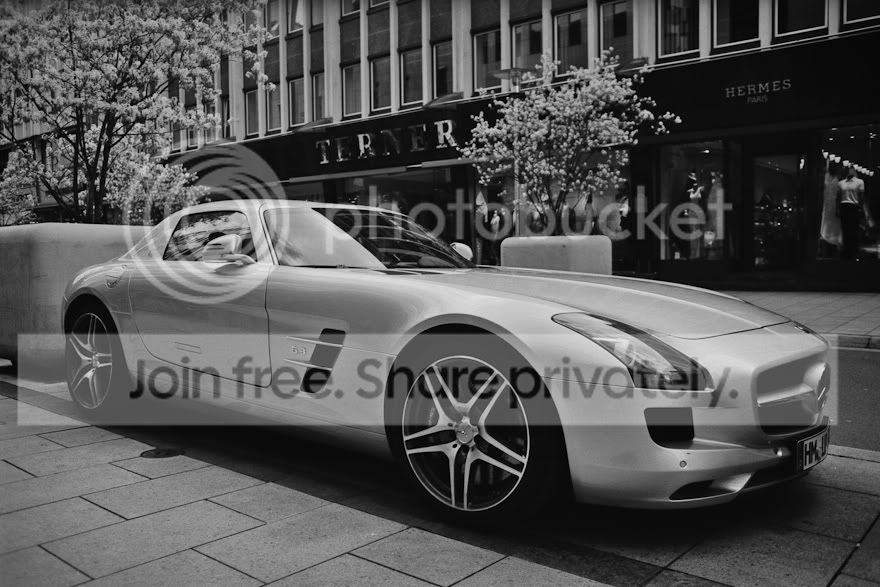
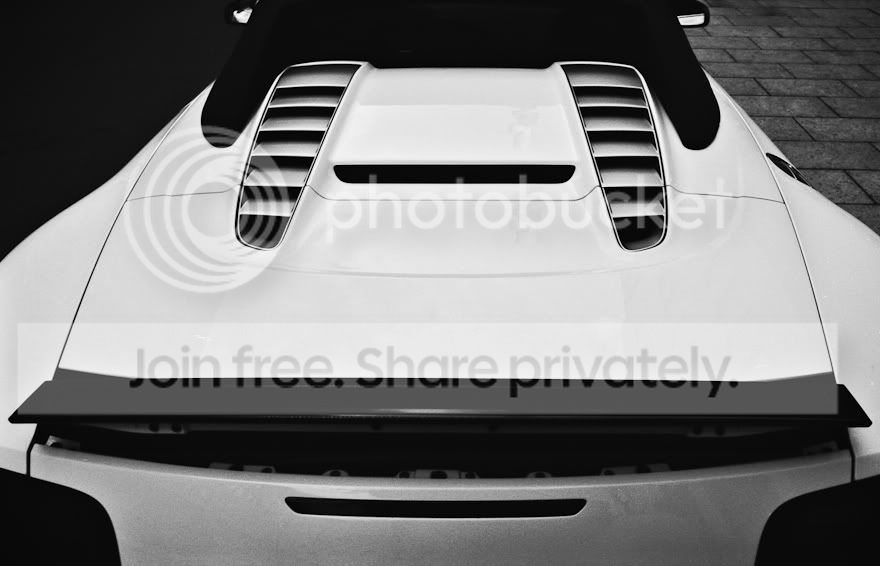
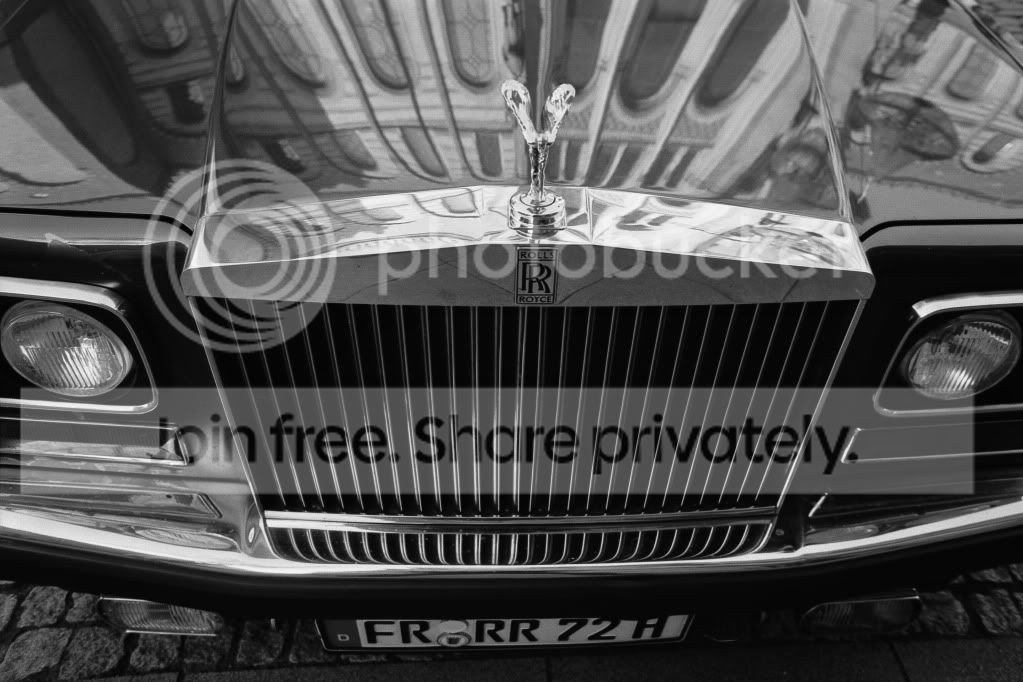
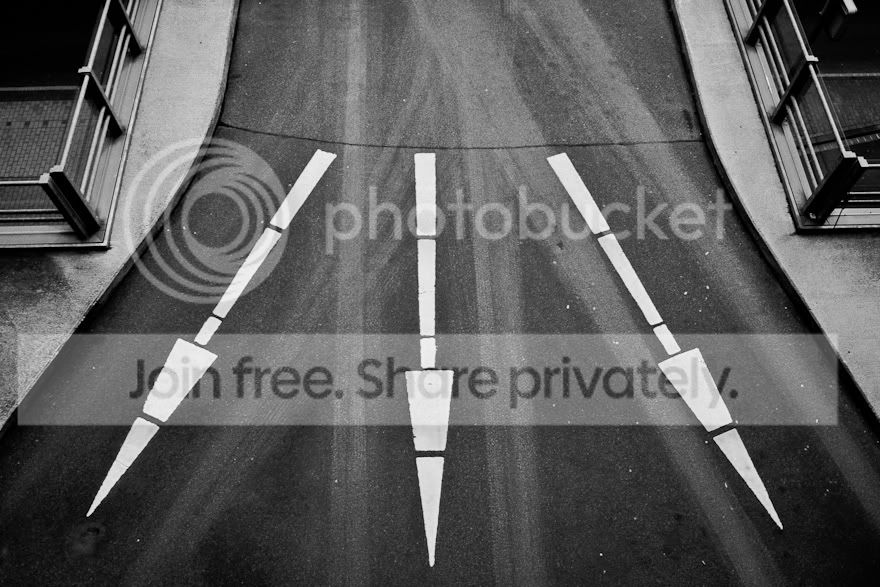
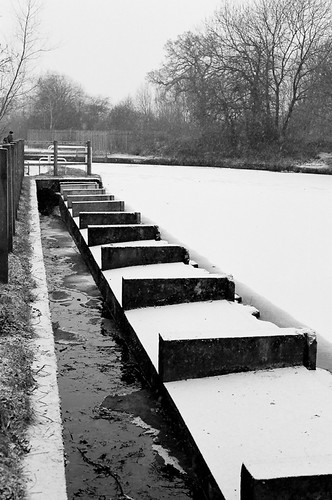
Show us yer film shots then!

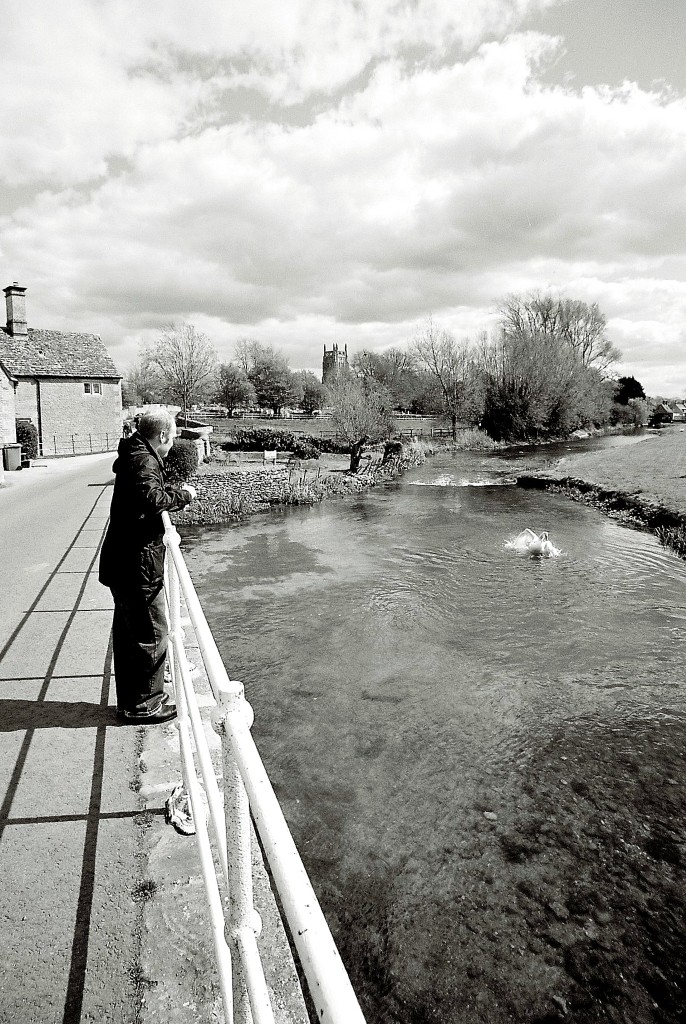
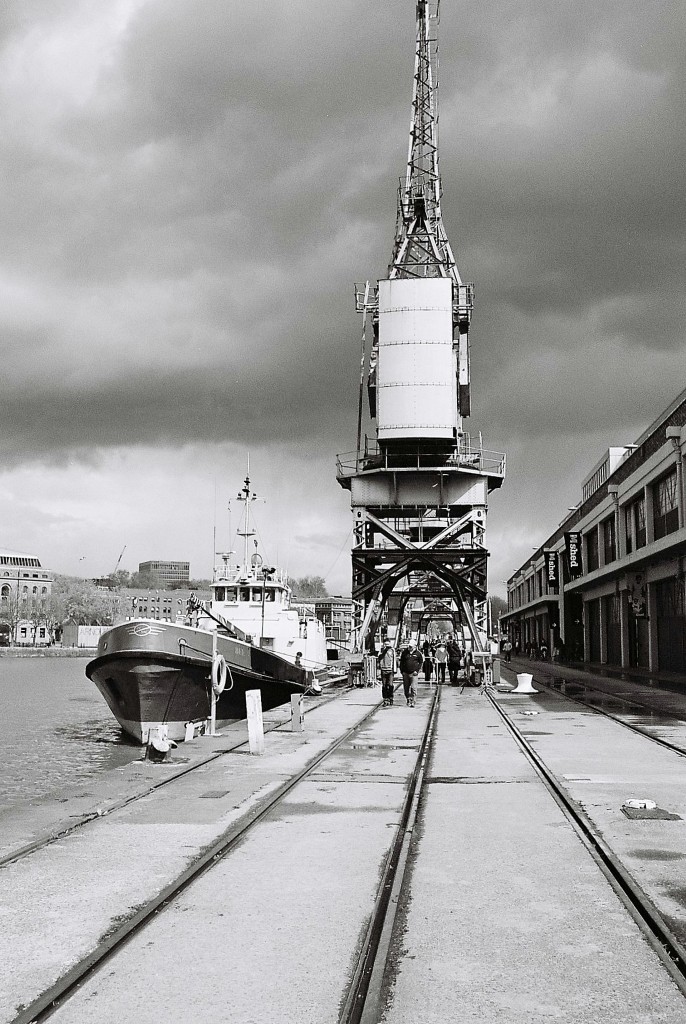
I've just switched from Rodinal to Diafine for my developing and am blown away with the almost total lack of grain that I got with the Acros 100 (compared to Acros in Rodinal) :eek:.

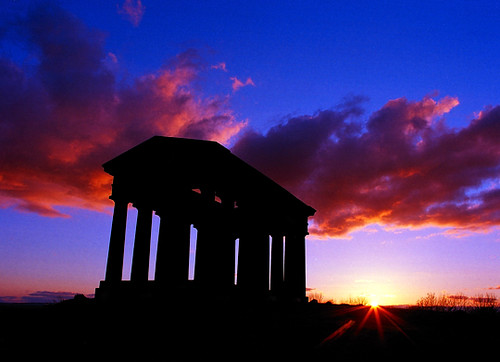
1.
2012_R04_20.jpg


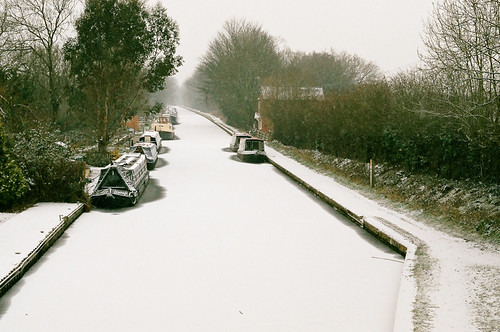
2.
2012_R04_24.jpg


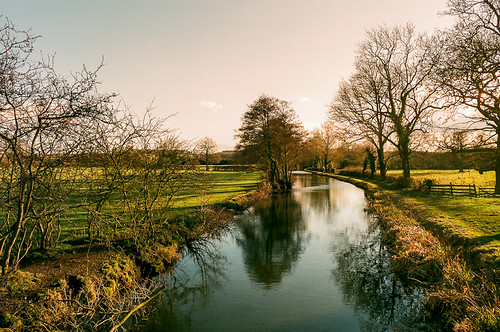
3.
Scan131.jpg


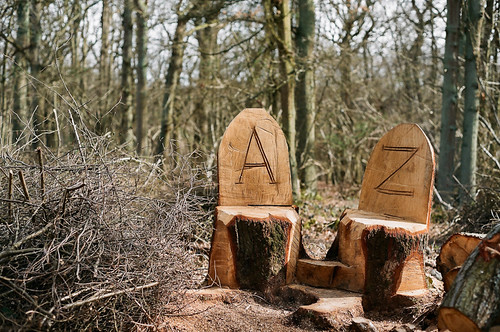
4.
2012_R04_12.jpg


5.
2012_R04_14.jpg


6.

2012_R04_32.jpg


I'm also currently shooting through a roll of Kodak Tri-X 400 (@ ISO 1250 :naughty:) and expect to see some very 'tasteful' grain with that combo. Clean as the Acros is, it almost makes me wonder why I bother to shoot that film, when the results come out as 'clean' as digital :thinking:!?
 
I've just switched from Rodinal to Diafine for my developing and am blown away with the almost total lack of grain that I got with the Acros 100 (compared to Acros in Rodinal) :eek:.

1.
2012_R04_20.jpg


2.
2012_R04_24.jpg


3.
Scan131.jpg


4.
2012_R04_12.jpg


5.
2012_R04_14.jpg


6.

2012_R04_32.jpg


I'm also currently shooting through a roll of Kodak Tri-X 400 (@ ISO 1250 :naughty:) and expect to see some very 'tasteful' grain with that combo. Clean as the Acros is, it almost makes me wonder why I bother to shoot that film, when the results come out as 'clean' as digital :thinking:!?

Sorry for my ignorance but how can u use ISO 1250 on Kodak Tri-X 400 that can only be used at ISO 400?
 
jonneymendoza said:
Sorry for my ignorance but how can u use ISO 1250 on Kodak Tri-X 400 that can only be used at ISO 400?

Its push processing. Something i was given muchos info here to be exact.
You use 400, or what ever speed film you have and set your iso on the camera to your desired speed. Giving you the shutter speed range for that iso, but that will either over or under expose depending on your chosen path (push, pull process)
Your left with under exposed film with push so to compensate for this you have to alter your development stage for longer times
My recent outing with tri x 400 shot at 1600iso needed 13:50 dev time in 1+1 id11.
If i shot at the same film at 400iso developing time For the same ratio developer is 9:45.
Push process will give you higher shutter speeds, more grain and some loss in shadow detail.
Something i wanted for my last project.
 
Last edited:
Sorry for my ignorance but how can u use ISO 1250 on Kodak Tri-X 400 that can only be used at ISO 400?

As already stated the ISO rating for any particular film is only the nominal speed, this can be increased or decreased and accounted for during the processing. In fact, photographers using sheet film could measure the dynamic range of the scene and then expose the film to give the optimum exposure for that scene. This sheet of film would then be processed individually to ensure that the processing matched exactly the exposure as required. This was how the Zone System was designed to be used with the previsualisation of where each tone will be within the exposure and then processed to achieve that result.

The is also possible with roll film although it is slightly more of a pain, in as much as a full roll has to be treated the same, so with the exception of Chromagenic Black & White films if you rate a ISO400 film at ISO1600 you have to expose the whole roll at that figure and then process as such. With cameras that have interchangeable film backs you can designate a back for a specific type of exposure such as exposing a ISO400 film at ISO1600 and exchange the back for another when you want to use a different speed film or different type.

I mentioned Chromagenic films (such as Ilford XP2 Super) and these treat the ISO much more like you are used to with a digital camera in so much as you can shoot individual frames on the film across a wide range of ISO speeds, in XP2 Super's case you can use iSO speeds between ISO50 and ISO800 and still get a useable result with the standard C41 process. While this means that this type of film is very versatile it also means that if you do shoot it at it's nominal ISO400 speed you can take advantage of the very wide dynamic range that this type of film offers with a approximate 9 stop range. It can be processed in standard Black and White film chemicals with good results.
 
Sorry for my ignorance but how can u use ISO 1250 on Kodak Tri-X 400 that can only be used at ISO 400?

Ed and Simon gave some very thorough answers to your question (thanks guys :thumbs:), but my answer is much more simple ... I just followed the instructions on the box :D!

On the side of the box of Diafine, it says that when you are planning to shoot Tri-X 400 you should select and Exposure Index (EI) of ISO 1600 (:eek:)!

Well, I didn't quite follow that! I've read that shooting it at ISO 1600 doesn't look as good as when it's shot at 1000 or 1250, so I am actually using 1250 in one camera and 1000 in another one, just to see how they differ.

If I can get similar results to those that I got with the Acros 100, but with more visible, smooth grain and still get to shoot at the speeds that ISO 1000+ can offer, I think that I will have found my ideal b&w film :). Fingers crossed!
 
Even viewing on my phone, that is an absolutely awesome picture. Nice work.
 
The tones in that large format camera are gorgeous. What film did you use?
 
Thanks a lot everyone. I use Velvia 50 predominantly though it is a pig if exposure is slightly off. I am just really getting into large format having started with a digital camera in 2009 and worked my way backwards from there!


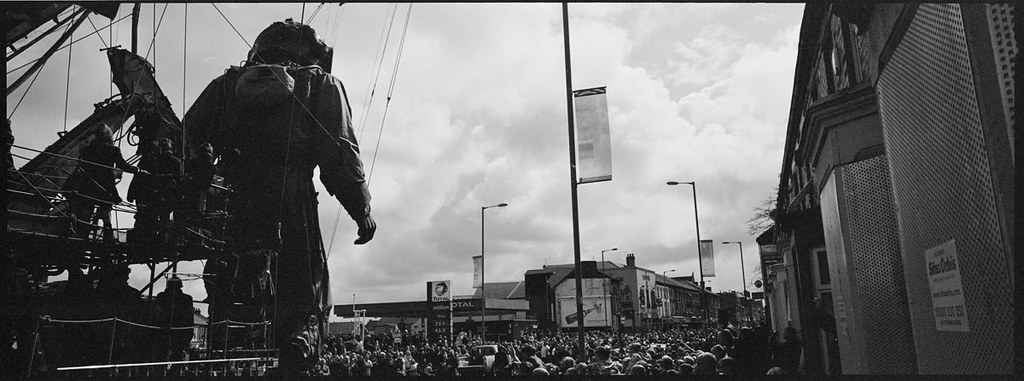
Sea Odyssey in Liverpool. Xpan, Rollei Retro 100 rated at 400. R09 semi stand 70 mins.
 
I've only recently gone from digital to film and found an Olympus point & shoot camera (a mju iii 120) in a drawer which has not been used for ages.
I have also just brought a Nikon FM2 but not yet had any films back from the developers.
I'm quite pleased with the quality from the basic P&S camera using a cheap Fuji superia 200 film and scanned with vuescan on my old epson 4490 scanner.
I thought I'd put the film P&S cam to the test during a recent trip to Torquay.
(This is straight from vuescan using default settings)

original.jpg
 
Last edited:
A few more from my first roll. Superia 200 through a pentax MX (with pentax-M 50mm or cosina 24mm f/2.8).


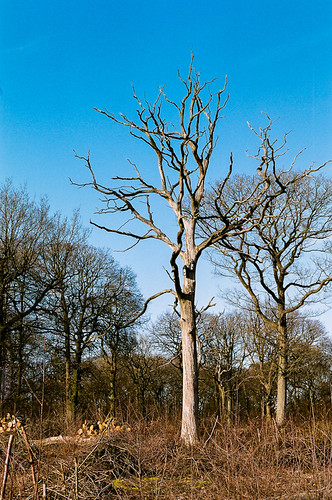
http://www.flickr.com/photos/75758432@N08/6964805710/http://www.flickr.com/people/75758432@N08/Snow-swept day. When I opened the scan for this originally I thought it was soft because of camera shake. Looking back at it now, it's actually falling snow making it appear soft.


http://www.flickr.com/photos/75758432@N08/6964804982/http://www.flickr.com/people/75758432@N08/Accidentally centered the horizon on this one which bugs me a bit.


E1-79710030.jpg by adamhawtin2, on Flickr


http://www.flickr.com/photos/75758432@N08/7110876193/http://www.flickr.com/people/75758432@N08/Another from the snow day


Dead tree by adamhawtin2, on Flickr


Thanks for looking
 
Last edited:
At 1/1500 sec and it still wont freeze a Robin frightened by the shutter noise, next time I use the T90 I will set it for 1/4000 sec that should do it.

FDn50mmf1-431000px.jpg
 
Some shafted Ektar from me, Blue cast was horrific so i converted it to B&W to at least get something out of it


Llanddwyn Bay by Rob Hooley, on Flickr
 
Ooh I actually really like the tones in the Ektar after black & white conversion. Interesting :}
 
A couple from Sywell Museum Opening a couple of weeks ago,

Photo19_16.jpg


Photo18_15.jpg


Taken with a Canon T90 and some 200 ASA Truprint film .


Dave.
 
Some shafted Ektar from me, Blue cast was horrific so i converted it to B&W to at least get something out of it


Llanddwyn Bay by Rob Hooley, on Flickr

Shame the colour didn't come out, looks like some lovely sunbursts from behind the clouds. However, it's a nice black and white shot. The composition works for me, and the sky is very dramatic in black and white. Next time send some unwitting assistant to stand on the beach and look lonely and stare emptily out to sea.
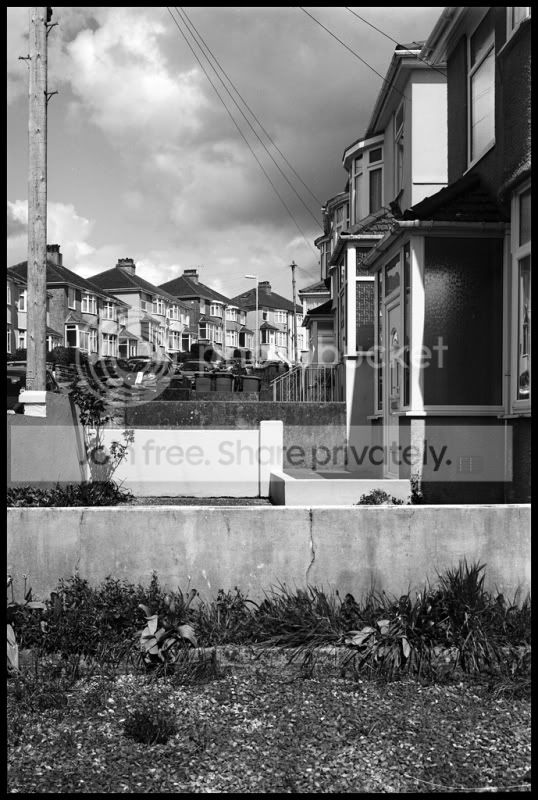
 
@Alan Clogwyn I really like that, the tones & the milky edges to the sea captured my eye :}
 
Ooh I actually really like the tones in the Ektar after black & white conversion. Interesting :}

Shame the colour didn't come out, looks like some lovely sunbursts from behind the clouds. However, it's a nice black and white shot. The composition works for me, and the sky is very dramatic in black and white. Next time send some unwitting assistant to stand on the beach and look lonely and stare emptily out to sea.

Thanks for the comments, i liked the composition and i at least wanted something to come out of the roll so i whacked it in silver efex and converted it

JCoquillon, i actually cloned a few people out because it looked untidy, they just looked too small
 
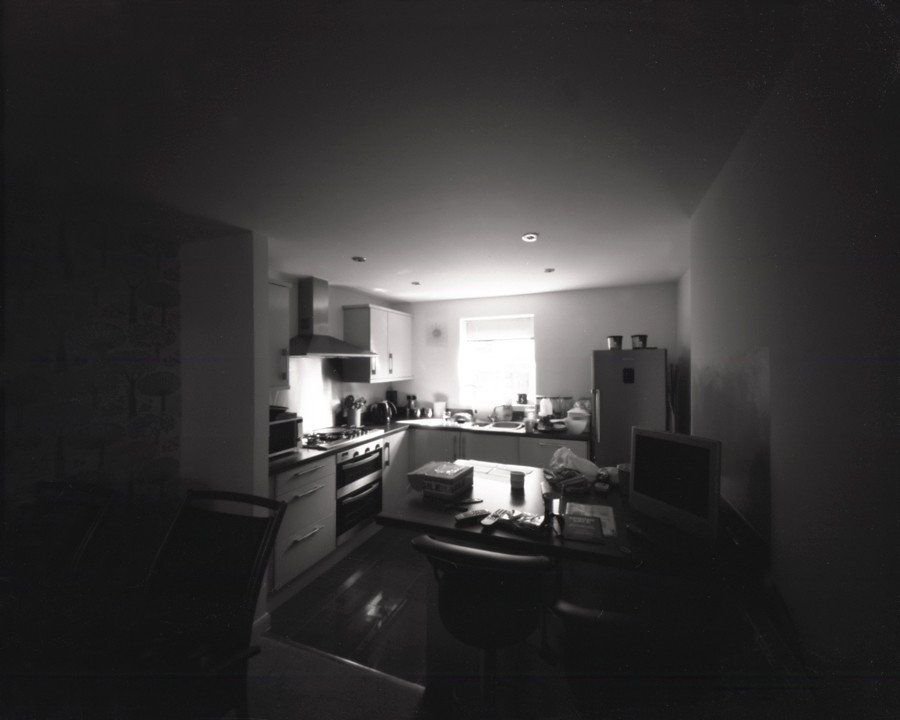
My first image from the Toyo C Monorail with the 90mm f8 Super Angulon (1/15 sec @ f22), not 4x5 though just a frame of 6x9. Pan F @ ISO32 developed in Caffenol CL, the shot was unintentionally pulled. I realised after I had processed the negatives that whilst I had a lovely negative with a full range of tones, I could barely see the frame numbers that Mr Ilford had so lovingly exposed for me on the film, this has always meant to me that the film was underdeveloped.

This got me to pondering (dangerous I know) what could have been the cause of the underdevelopment, I suspect that it was because I have started to up the Potassium Bromide slightly (from 0.5g to 0.7g in 500mls) to reduce the base fog, but I was surprised at how much of a difference it seemed to have made.

I decided that if I am going to be successful at this large format film lark, I was going to have to do some thorough testing. I used a FP4+ 120 film in my Hasselblad H1 (16 shots see) and took 4 lots of 4 identical shots of my front room lit by daylight through the window (this gave a massive dynamic range), the camera was set at ISO80 for shots 1,5,9 & 13, ISO125 for shots 2,6,10 & 14, ISO200 3,7,11 & 15 and ISO320 for 4,8,12 & 16, then the fun really began, I had to try to cut the film up into 4 strips inside my Callumet popup changing tent thingy, this was a nightmare, the first bit was easy removing the film from the backing paper, then I got hold of both ends in the same hand and tried to get to the middle of the film to cut it, this took a lot longer (and I mean a lot) than I had imagined, then I cut each of them down again to give me 4 strips of film each the same length. I loaded each length onto a seperate Jobo spiral and stuck three of them in my large multi-tank for storage (oh I forgot that bit, I had a large multi-tank [5x35mm or 3x120] and a universal tank in the changing thing too), the other spiral was loaded into my universal tank for processing.

I processed the first section of film at the same 21 degrees Celcius but for an extended time of 71 minutes (approx 10% additional time) with 30sec (constant agitation) then 3 invertions after 2, 4, 8, 16 and 40.5 minutes this extended the previous time by 6 minutes. The frame numbers looked a lot better but not perfect so it was back to the changing tent thingy and take a spiral from the multi-tank and fit it into a Universal Tank to have another go.

I then made a big mistake, I reused the Caffenol CL that I had just used, bearing in mind that it had only processed 3.5 frames (oh, I forgot to say that whilst the 4 bits of film were each the same length they had a different number of frames) this time I extended the time for a total of 78 minutes which gave nice round agitation figures of 30 secs, 2.5, 5, 10, 20 & 40 minutes, Trust me, I was more than a little tissed off when although the temperature was kept at exactly 21 degrees and I had increased the time the film was in the developer, the frame numbers were more faint than the previous test. I can only assume that the Caffenol CL only likes being used once.

By this time I had had enough of stand processing (each time it is at least an hour and a half without all the rigmarole inbetween) and I have left the other 2 spirals to try again with tomorrow using fresh developer each time.

So after all that, here is the image that started it all: Oh, the crappy bit of foreground (chippings and unkempt plants) is part of my front garden.

If you want to see the full sized version click on the link below the image.

ToyoCMonorail90SA6x9.jpg


Toyo C Monorail 90 SA 6x9 large by Ed Bray, on Flickr
 
Last edited:
Thanks for the comments, i liked the composition and i at least wanted something to come out of the roll so i whacked it in silver efex and converted it

JCoquillon, i actually cloned a few people out because it looked untidy, they just looked too small

You wouldn't be calling your fellow TPers untidy there would you :naughty:
 
My first image from the Toyo C Monorail with the 90mm f8 Super Angulon (1/15 sec @ f22), not 4x5 though just a frame of 6x9. Pan F @ ISO32 developed in Caffenol CL, the shot was unintentionally pulled. I realised after I had processed the negatives that whilst I had a lovely negative with a full range of tones, I could barely see the frame numbers that Mr Ilford had so lovingly exposed for me on the film, this has always meant to me that the film was underdeveloped.

This got me to pondering (dangerous I know) what could have been the cause of the underdevelopment, I suspect that it was because I have started to up the Potassium Bromide slightly (from 0.5g to 0.7g in 500mls) to reduce the base fog, but I was surprised at how much of a difference it seemed to have made.

I decided that if I am going to be successful at this large format film lark, I was going to have to do some thorough testing. I used a FP4+ 120 film in my Hasselblad H1 (16 shots see) and took 4 lots of 4 identical shots of my front room lit by daylight through the window (this gave a massive dynamic range), the camera was set at ISO80 for shots 1,5,9 & 13, ISO125 for shots 2,6,10 & 14, ISO200 3,7,11 & 15 and ISO320 for 4,8,12 & 16, then the fun really began, I had to try to cut the film up into 4 strips inside my Callumet popup changing tent thingy, this was a nightmare, the first bit was easy removing the film from the backing paper, then I got hold of both ends in the same hand and tried to get to the middle of the film to cut it, this took a lot longer (and I mean a lot) than I had imagined, then I cut each of them down again to give me 4 strips of film each the same length. I loaded each length onto a seperate Jobo spiral and stuck three of them in my large multi-tank for storage (oh I forgot that bit, I had a large multi-tank [5x35mm or 3x120] and a universal tank in the changing thing too), the other spiral was loaded into my universal tank for processing.

I processed the first section of film at the same 21 degrees Celcius but for an extended time of 71 minutes (approx 10% additional time) with 30sec (constant agitation) then 3 invertions after 2, 4, 8, 16 and 40.5 minutes this extended the previous time by 6 minutes. The frame numbers looked a lot better but not perfect so it was back to the changing tent thingy and take a spiral from the multi-tank and fit it into a Universal Tank to have another go.

I then made a big mistake, I reused the Caffenol CL that I had just used, bearing in mind that it had only processed 3.5 frames (oh, I forgot to say that whilst the 4 bits of film were each the same length they had a different number of frames) this time I extended the time for a total of 78 minutes which gave nice round agitation figures of 30 secs, 2.5, 5, 10, 20 & 40 minutes, Trust me, I was more than a little tissed off when although the temperature was kept at exactly 21 degrees and I had increased the time the film was in the developer, the frame numbers were more faint than the previous test. I can only assume that the Caffenol CL only likes being used once.

By this time I had had enough of stand processing (each time it is at least an hour and a half without all the rigmarole inbetween) and I have left the other 2 spirals to try again with tomorrow using fresh developer each time.

So after all that, here is the image that started it all: Oh, the crappy bit of foreground (chippings and unkempt plants) is part of my front garden.

If you want to see the full sized version click on the link below the image.

ToyoCMonorail90SA6x9.jpg


Toyo C Monorail 90 SA 6x9 large by Ed Bray, on Flickr
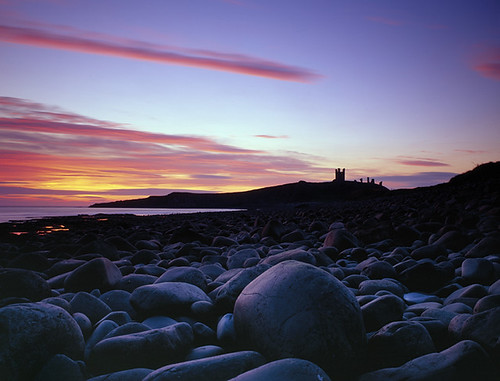
Sounds like fun - I had the brainwave of reloading my Pentax LX in a Calumet tent and that killed it (I fired the shutter when my thumb was resting on it, I thought my thumb was resting on the back of the film!)

Caffenol CL definitely a 1 shot dev - even if the chemicals weren't exhausted the developing would have introduced more bromide into it!
 
Back
Top