

You are using an out of date browser. It may not display this or other websites correctly.
You should upgrade or use an alternative browser.
You should upgrade or use an alternative browser.
Show us yer film shots then!
- Thread starter Grant
- Start date


Andysnap
Suspended / Banned
- Messages
- 16,322
- Name
- Andy Grant
- Edit My Images
- Yes
Great set Nick, very impressed. Sorry for asking such a simple question but when you say Ilford 400 set to 200 does that mean that on the camera you tell it the ASA is 200 and would that then under-expose the images and if so by how many stops?
Andy
Andy

TheBigYin
Moderator
- Messages
- 16,982
- Name
- Mark
- Edit My Images
- No
Great set Nick, very impressed. Sorry for asking such a simple question but when you say Ilford 400 set to 200 does that mean that on the camera you tell it the ASA is 200 and would that then under-expose the images and if so by how many stops?
Andy
This is the basis of pull-processing. You set the camera to meter as 200 iso, which results in a 1 stop overexposure on 400 iso film. Then, to get back to normal you under-develop the film by 1 stop, resulting in a properly exposed negative, but with less grain because the film has spent less time in the developer.
each doubling of the ISO = 1 stop,
50 - 100, 1 stop
50 - 200, 2 stop
50 - 400, 3 stop
etc
It's usually recomended that you only pull process by 1 stop (as above) whereas you can push process 2-3 stops (or more if you like grain like hailstones!)
TheBigYin
Moderator
- Messages
- 16,982
- Name
- Mark
- Edit My Images
- No
Thanks BY, clear as crystal now. So if you were sending to a developers you would ask them to pull process the developing (and pay extra I suspect)?
Andy
Yep - in the example above, it'd be pull -1 stop and £££ extra


CaptainPenguin
Suspended / Banned
- Messages
- 5,161
- Name
- Nigel Cliff
- Edit My Images
- Yes
Studio shots on my Mamiya RZ67 Pro II.
Katy
Emma
The colour ones are either on Fuji Astia 100F or time expired Fujicolor 400NPH. I'm still struggling with getting the colour right on my scans.
The B&Ws are on Ilford Pan Plus50.
Paul


Thats a gorgeous set of portraits and the colour ones especilly benefit from the film colours

Kev M
Suspended / Banned
- Messages
- 4,347
- Name
- You can call me Sir.
- Edit My Images
- Yes
Great set Nick, very impressed. Sorry for asking such a simple question but when you say Ilford 400 set to 200 does that mean that on the camera you tell it the ASA is 200 and would that then under-expose the images and if so by how many stops?
Andy
This is the basis of pull-processing. You set the camera to meter as 200 iso, which results in a 1 stop overexposure on 400 iso film. Then, to get back to normal you under-develop the film by 1 stop, resulting in a properly exposed negative, but with less grain because the film has spent less time in the developer.
each doubling of the ISO = 1 stop,
50 - 100, 1 stop
50 - 200, 2 stop
50 - 400, 3 stop
etc
It's usually recomended that you only pull process by 1 stop (as above) whereas you can push process 2-3 stops (or more if you like grain like hailstones!)
Just to expand on this a little for the benefits of those that don't know about it.
As well as allowing you to shoot a film at a more convenient ISO, for example 400 might be too fast in the lighting conditions and you don't have and 200 with you there is another benefit.
By shooting a film at a slower speed you are over exposing the film. The film's sensitivity hasn't changed so by down rating the ISO you're giving it more exposure. The good thing about this is that it gives you more shadow detail, the longer you expose the film to those dark areas the more detail you get. The side effect is that your also over exposing the highlights.
Developing has a bigger effect on the highlights than it does the shadows (in general, of course there are methods, developers etc etc but I'm keeping this basic). So by developing a 400 film at 200 you are under-developing it and thus protecting the highlights. Essentially what you've done here is extend the dynamic range of your film.
There are trade offs, compromises and all sorts of other things going on, film is a wonderfully complex world with as many methods of processing as digital.
I'd recommend "Creative Black & White Photography" by Les McLean if you want an easy to understand explanation of the zone system and the reasons for pushing and pulling film. I picked it up in one of those bargain book shops for £2 and it was so much easier to understand than the book I had by Roger Hicks (the fella who writes the column in the back of AP)

jgredline
Suspended / Banned
- Messages
- 2,622
- Name
- Javier
- Edit My Images
- Yes
Very nice
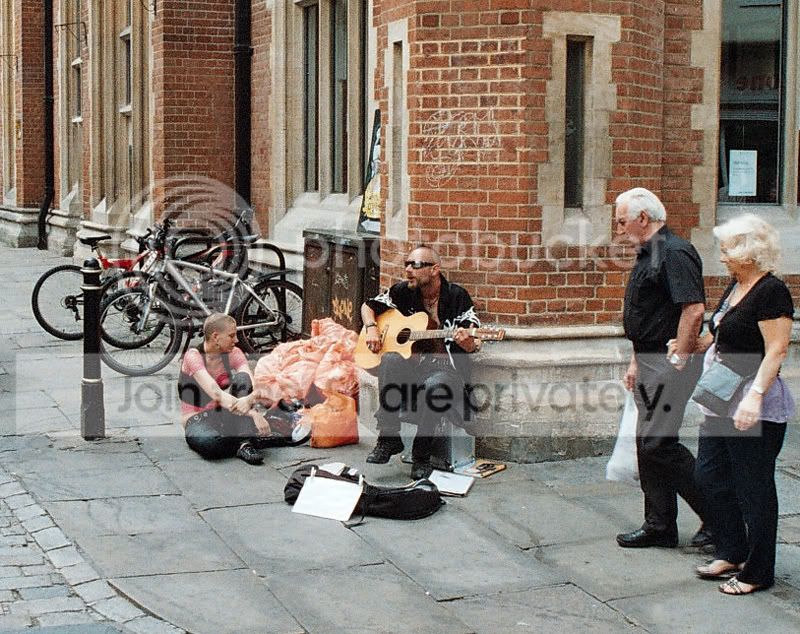

jgredline
Suspended / Banned
- Messages
- 2,622
- Name
- Javier
- Edit My Images
- Yes
Studio shots on my Mamiya RZ67 Pro II.
Katy

Paul
Love this shot!. Shame about the pimple though. Perhaps cloning it out?

medwaygreen
Suspended / Banned
- Messages
- 4,425
- Name
- Richard
- Edit My Images
- No
Thanks, Javier

Knikki
Suspended / Banned
- Messages
- 1,901
- Name
- Nick (yes there is more than one of us)
- Edit My Images
- Yes
Following on from what Kev has said, also I find that under exposing and developing accordingly (Ilford is great for that as there data sheets give you different times depending on what you set your ISO to) I find that give a mush larger tonal range.
Meaning that when i scan I can do far more with level and curves to get the effect I want. All the above, shot on a very bright day, have had small amounts of curve added to get nice blacks and good highlights.
I believe that darkroom printing is also easier as well, but I as I have not tried it I am not 100% on this.
Before I started to do things this way I used to have to play for ages in PS to get the tonal range I was after.
Meaning that when i scan I can do far more with level and curves to get the effect I want. All the above, shot on a very bright day, have had small amounts of curve added to get nice blacks and good highlights.
I believe that darkroom printing is also easier as well, but I as I have not tried it I am not 100% on this.
Before I started to do things this way I used to have to play for ages in PS to get the tonal range I was after.

paulhuk
Suspended / Banned
- Messages
- 65
- Name
- Paul
- Edit My Images
- No
Love this shot!. Shame about the pimple though. Perhaps cloning it out?
Cloning?....Film?.....Begone Satan

These are some studio shots on 35mm B&W Fomapan 100 of Laura.
I thought I'd taken them on either a Pentax SP500 or Fujica ST605 but the focusing seems way too consistent - you won't be seeing any of the blurry colour shots I took with them
 - so I think it must have been an EOS500.


Paul


jgredline
Suspended / Banned
- Messages
- 2,622
- Name
- Javier
- Edit My Images
- Yes
Cloning?....Film?.....Begone Satan
These are some studio shots on 35mm B&W Fomapan 100 of Laura.
I thought I'd taken them on either a Pentax SP500 or Fujica ST605 but the focusing seems way too consistent - you won't be seeing any of the blurry colour shots I took with them
Paul
Nice set Paul and believe me. I hated using the dreaded word clone on film. Heck, I normally don't like to clone in or out in digital.

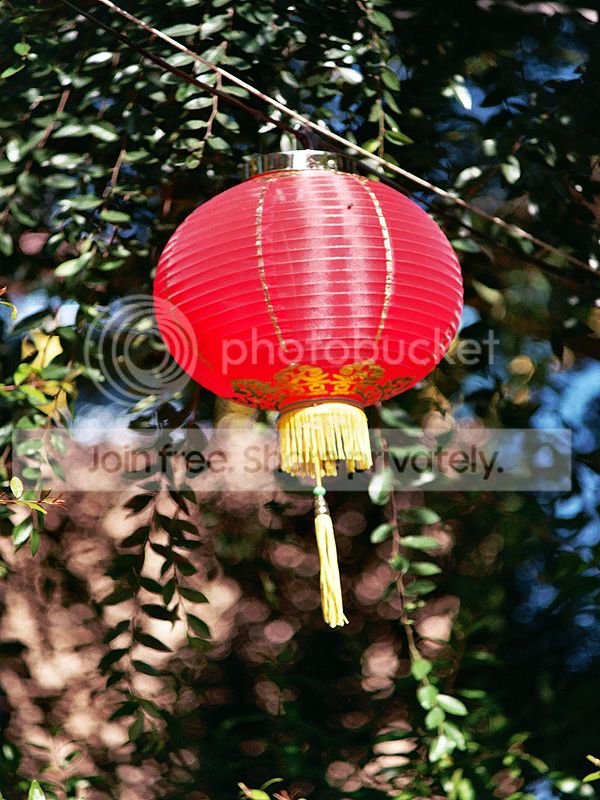
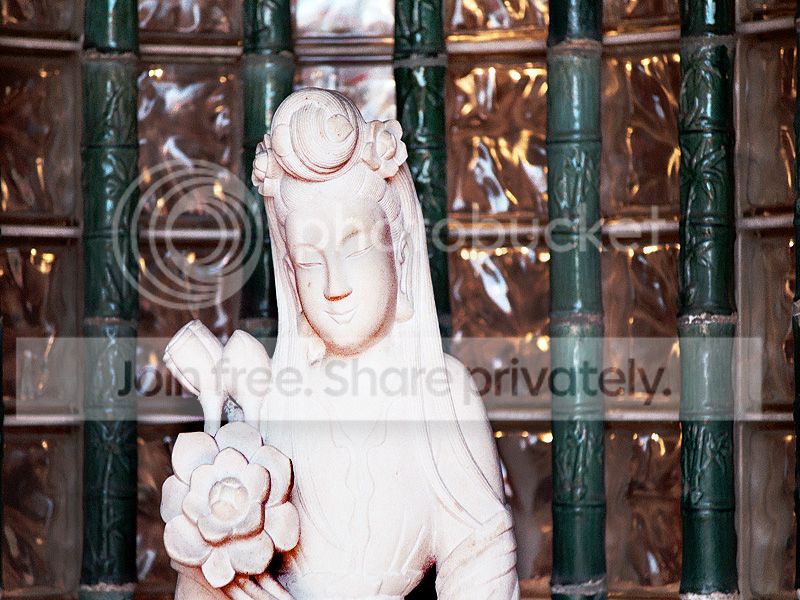
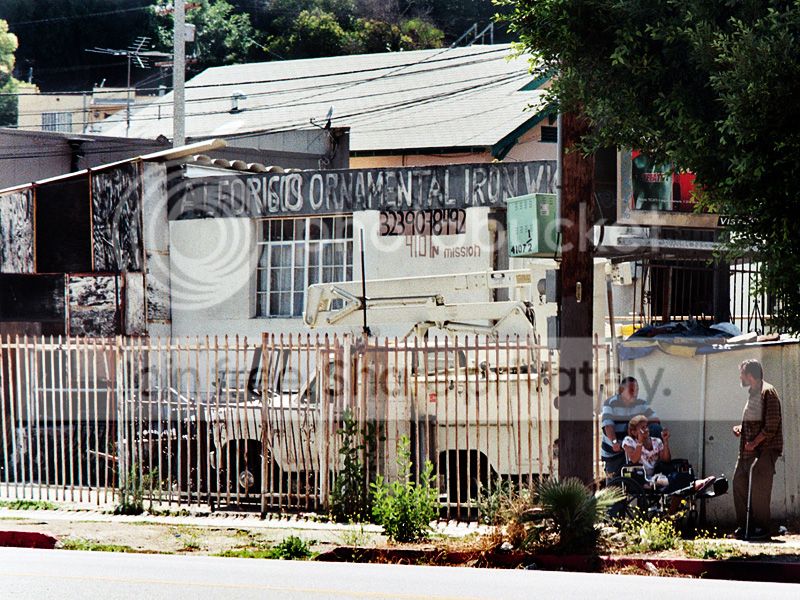
medwaygreen
Suspended / Banned
- Messages
- 4,425
- Name
- Richard
- Edit My Images
- No
#1
#2
#3
#4
#2
#3
#4

medwaygreen
Suspended / Banned
- Messages
- 4,425
- Name
- Richard
- Edit My Images
- No
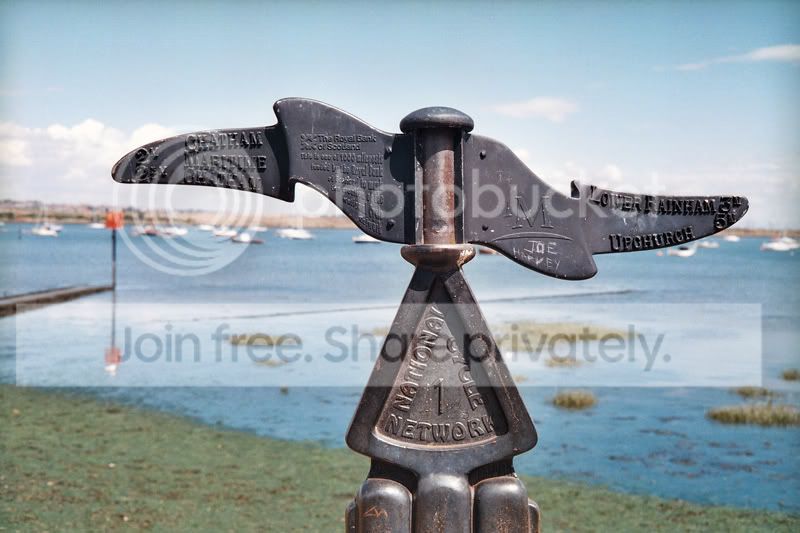
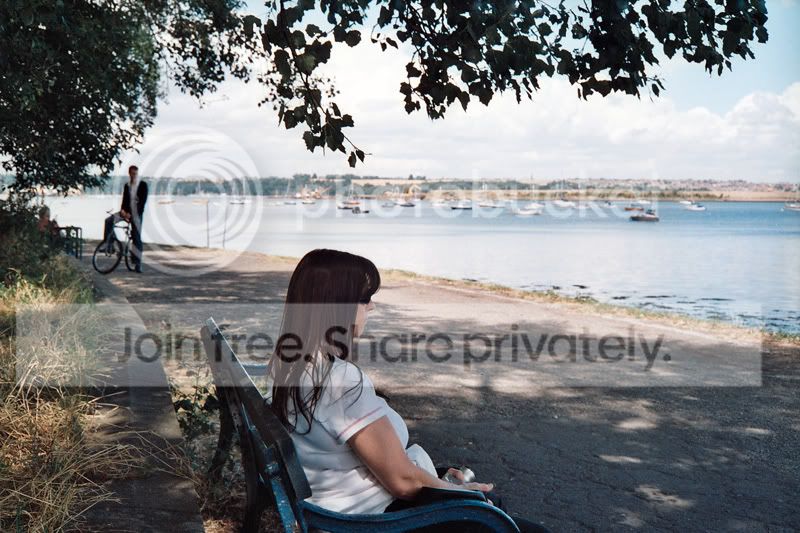
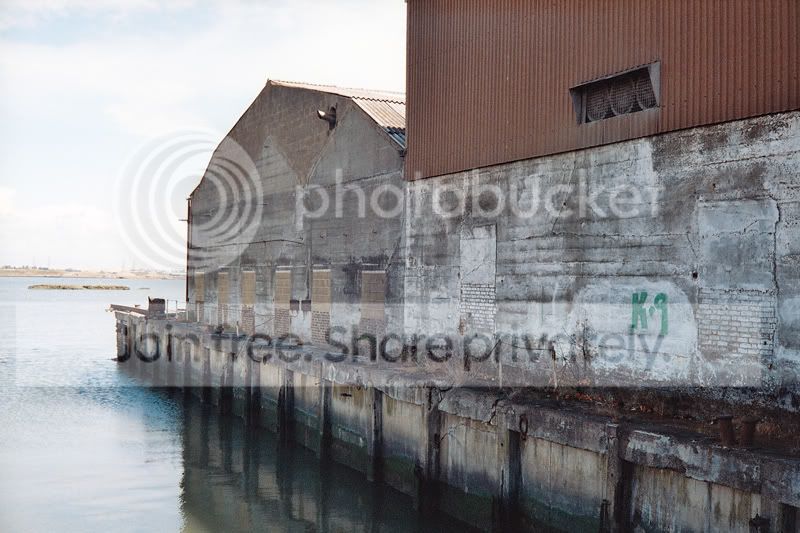
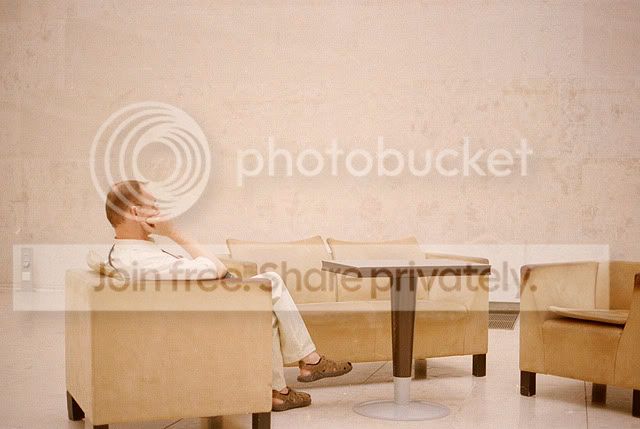
Cracking colours Richard. What film are you using?
Konica Centuria 200 Asa. OOD by fours years.

jgredline
Suspended / Banned
- Messages
- 2,622
- Name
- Javier
- Edit My Images
- Yes
The fellow on the bike makes and ordinary photo into a great photo. Well framed, spotted and captured.



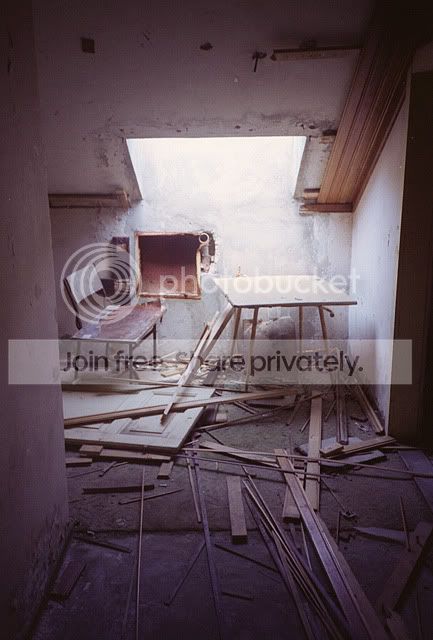
jgredline
Suspended / Banned
- Messages
- 2,622
- Name
- Javier
- Edit My Images
- Yes
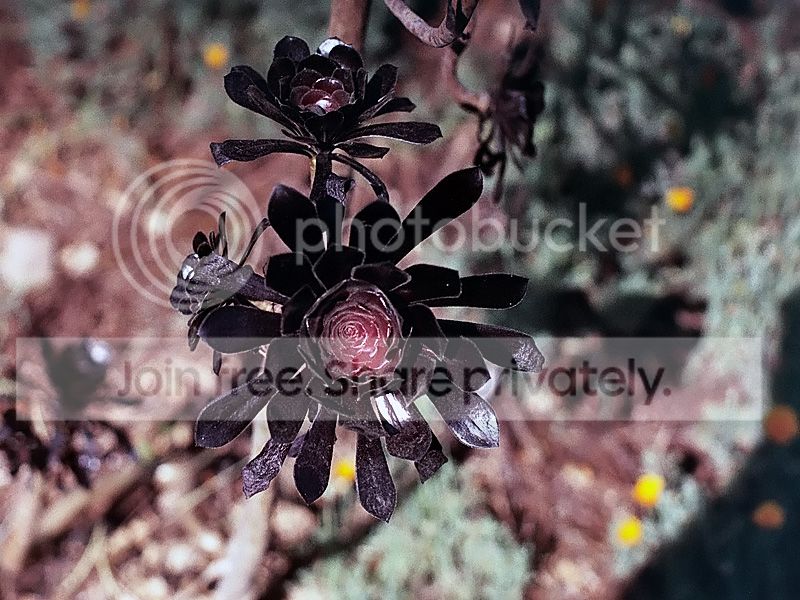
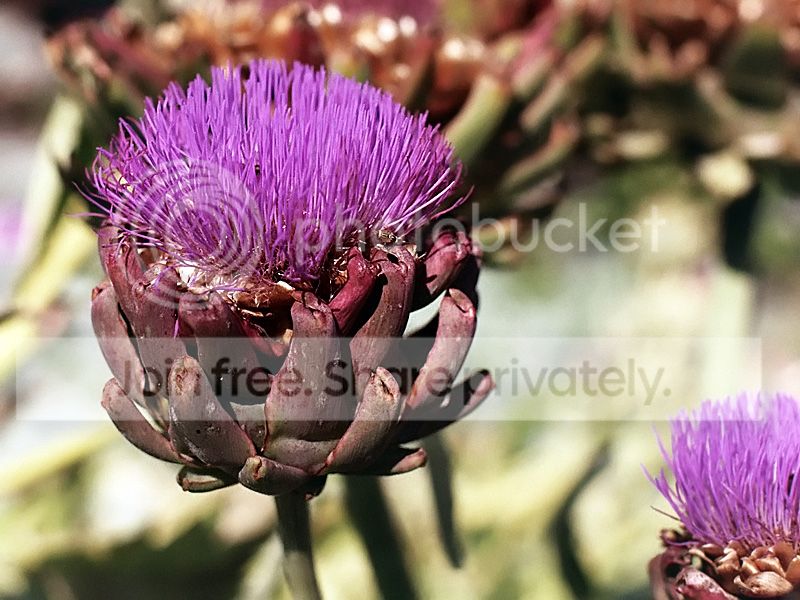
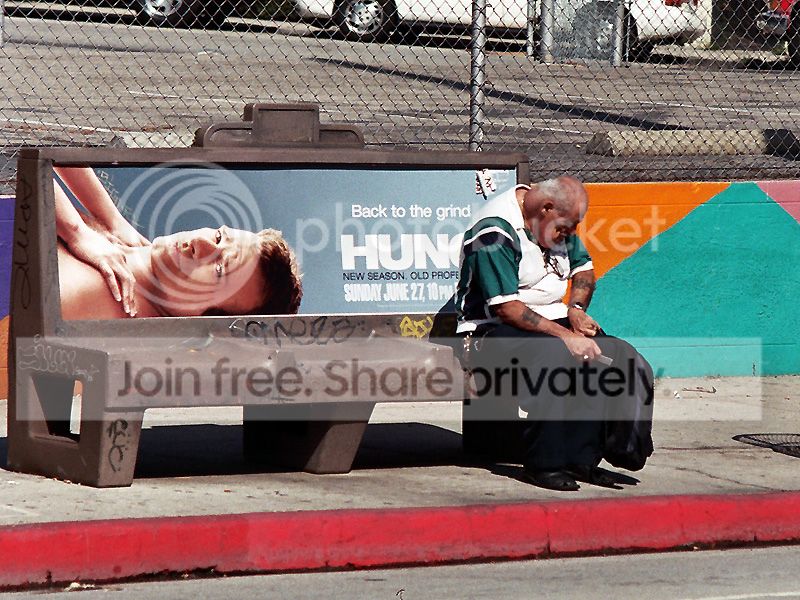
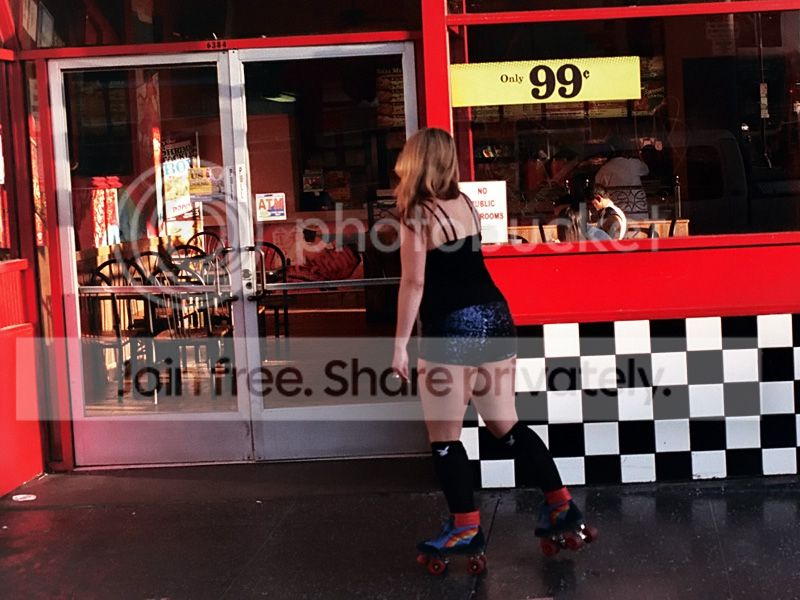
Some photos from Croatia:
Olympus OM-2n
Zuiko 50mm 1.8 (+ filthy UV filter
Reala 100 / NC 160 / VC 160 / Impresa 50 / Velvia 50
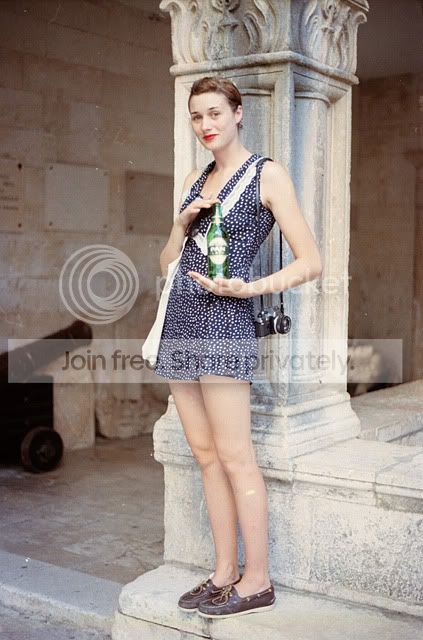
I like this one.

medwaygreen
Suspended / Banned
- Messages
- 4,425
- Name
- Richard
- Edit My Images
- No
Thanks Javier
medwaygreen
Suspended / Banned
- Messages
- 4,425
- Name
- Richard
- Edit My Images
- No
Javier, Your photo titled Hanging out is just brilliant, the old gentleman on the bench with that advertisement behind just makes for a great photograph. Wonderful.

RaglanSurf
Suspended / Banned
- Messages
- 11,477
- Name
- Nick
- Edit My Images
- Yes
^^^WHS^^^ Cracking shot
medwaygreen
Suspended / Banned
- Messages
- 4,425
- Name
- Richard
- Edit My Images
- No
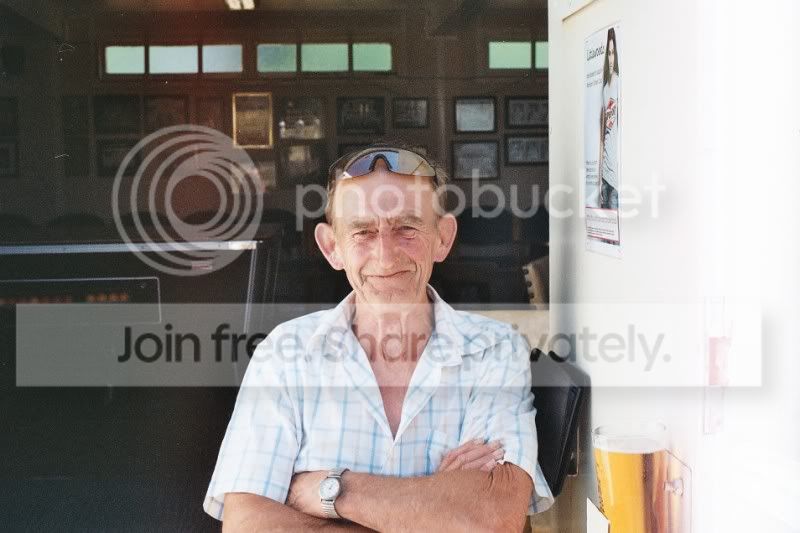
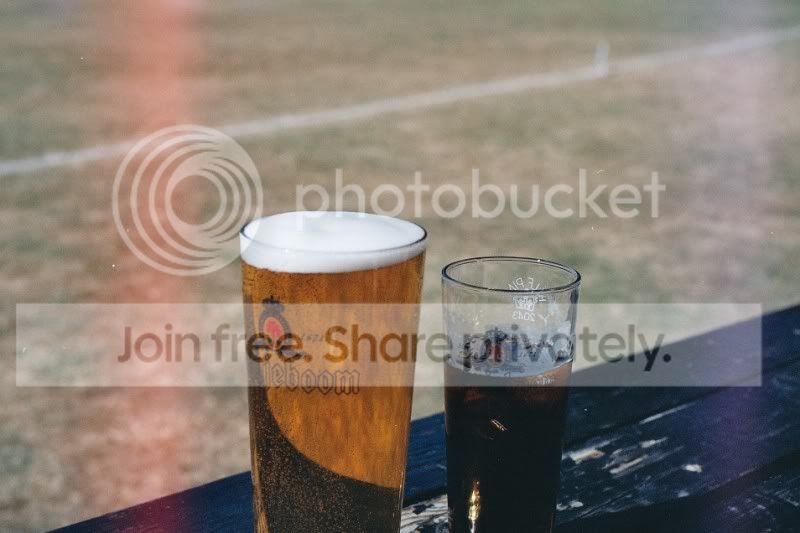
New light seals on the EM
Last edited:

joxby
Suspended / Banned
- Messages
- 8,782
- Name
- John
- Edit My Images
- No
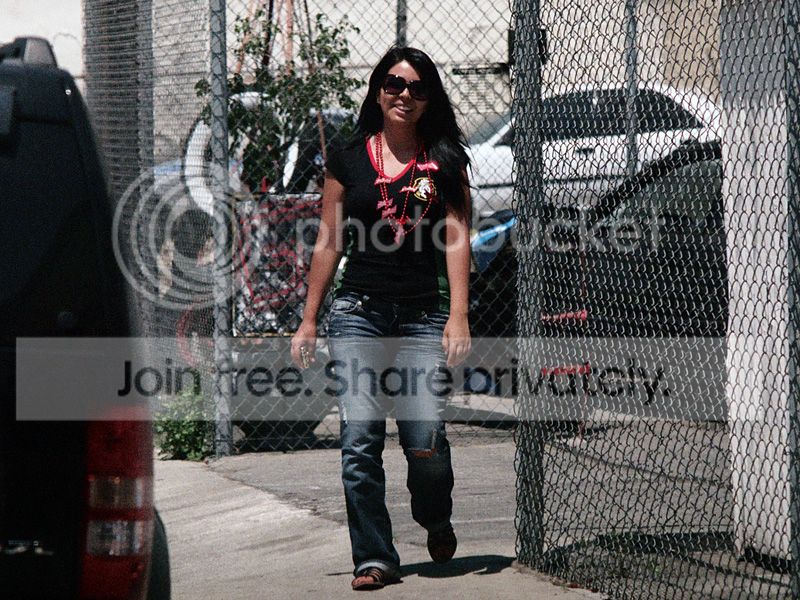
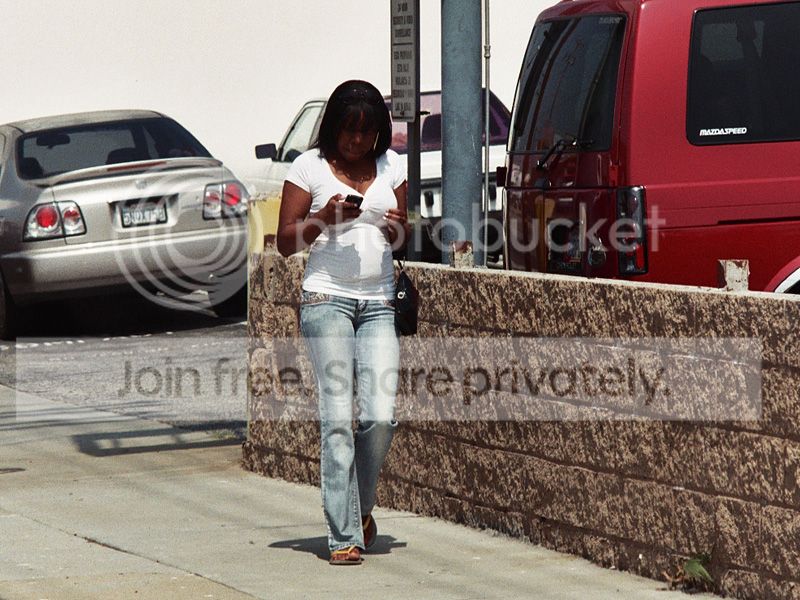
These two where a case of the last frame on each roll and just wanted to get it done.
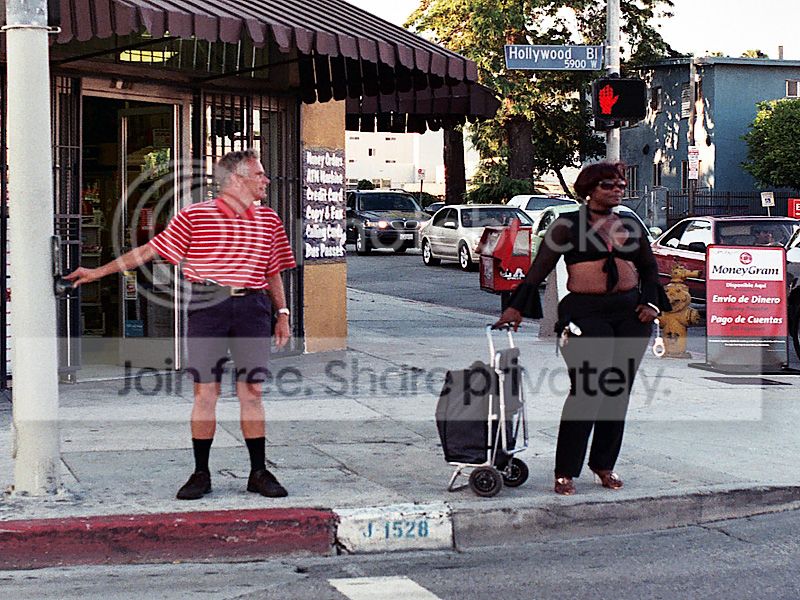
hmm.....there are some really poor dress choices being made in this picture...
RaglanSurf
Suspended / Banned
- Messages
- 11,477
- Name
- Nick
- Edit My Images
- Yes
New light seals on the EM
I must be buying my light seals from the wrong place
TheBigYin
Moderator
- Messages
- 16,982
- Name
- Mark
- Edit My Images
- No
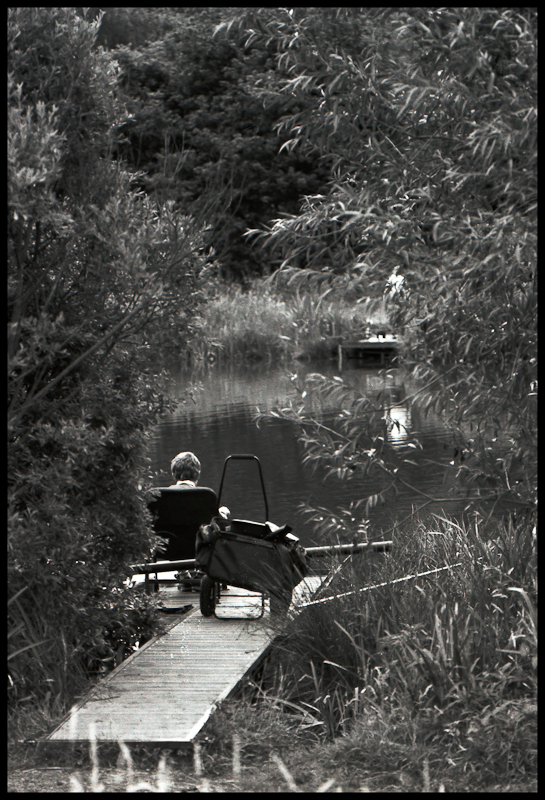
I had a couple of lenses to test out yesterday - the FD135 and FD35-105, so went for a little wander.
Angler at Rest
End of the Raspberry Crop

You're not Coming in here Wearing Those...
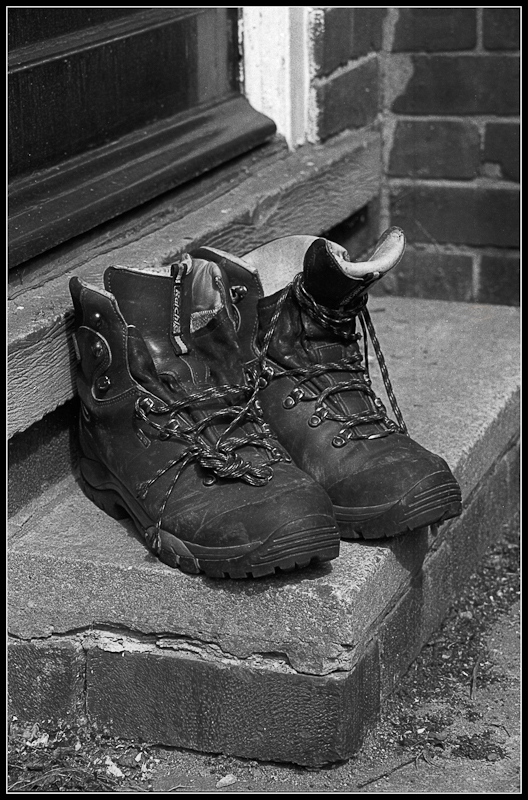
All shot on the Canon A-1, Ilford FP4+, Ilfosol 1+14 and scanned on Canoscan 8800F with Silverfast SE software.
Angler at Rest
End of the Raspberry Crop
You're not Coming in here Wearing Those...
All shot on the Canon A-1, Ilford FP4+, Ilfosol 1+14 and scanned on Canoscan 8800F with Silverfast SE software.
Last edited:
jgredline
Suspended / Banned
- Messages
- 2,622
- Name
- Javier
- Edit My Images
- Yes
That last one Javier is sureal
Thank you kindly. I was not sure about the composition on that one and it took a bit to grow on me.