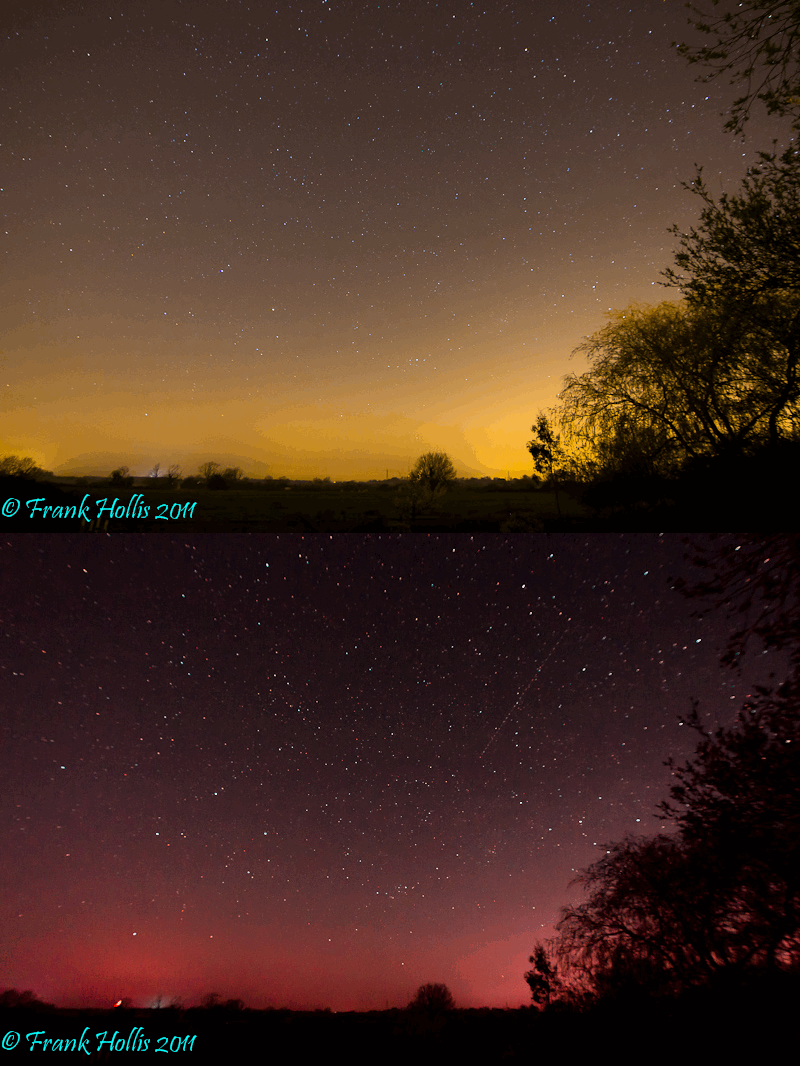
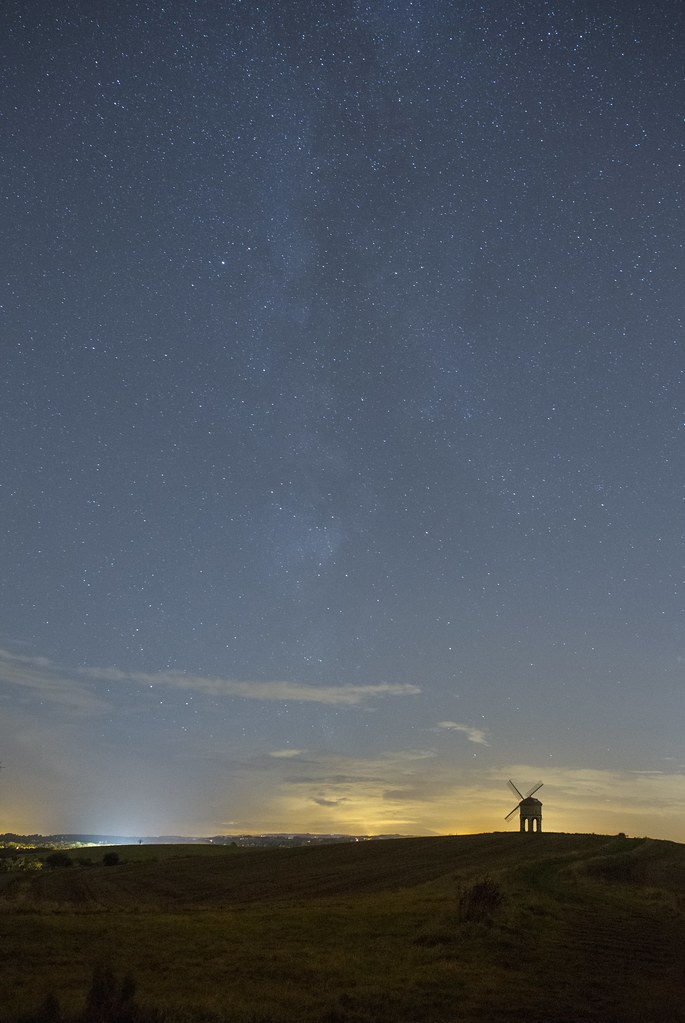
Images without trails offer problems that images with trails do not have. The biggest issue is that you have a limited amount of time before the earth's rotation registers as trails. This varies depending on your focal length. The wider the lens, the longer you have, but a good rule of thumb is 600 divided by focal length = time in seconds. I find this gives a slightly generous figure though. With a 24mm lens for example, I find around 25 seconds the ABSOLUTE limit before movement becomes intrusive and you can still see movement when you zoom in at this.
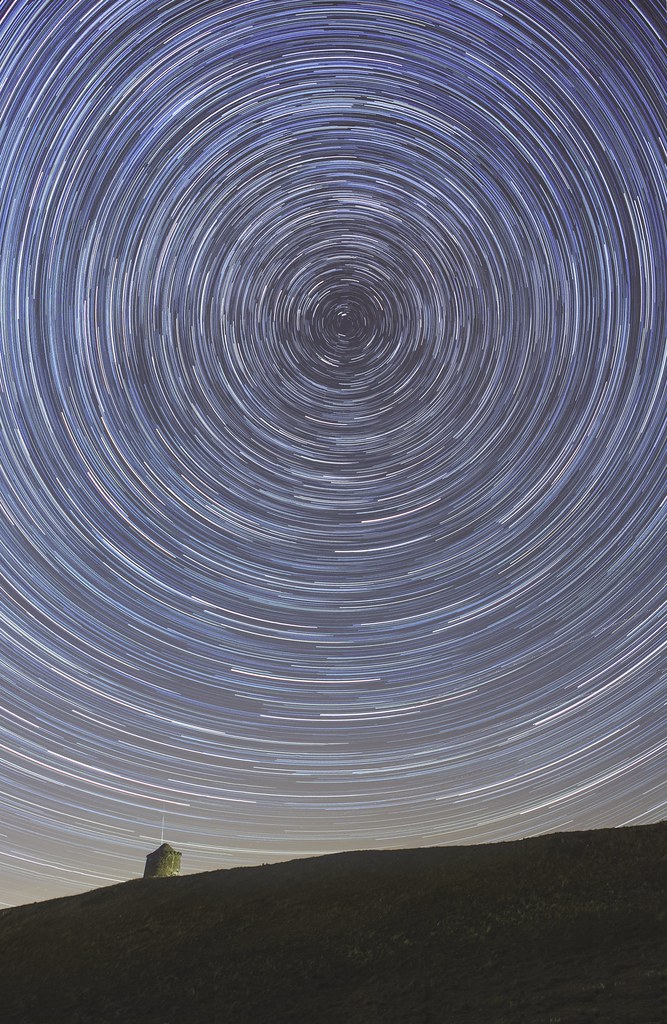
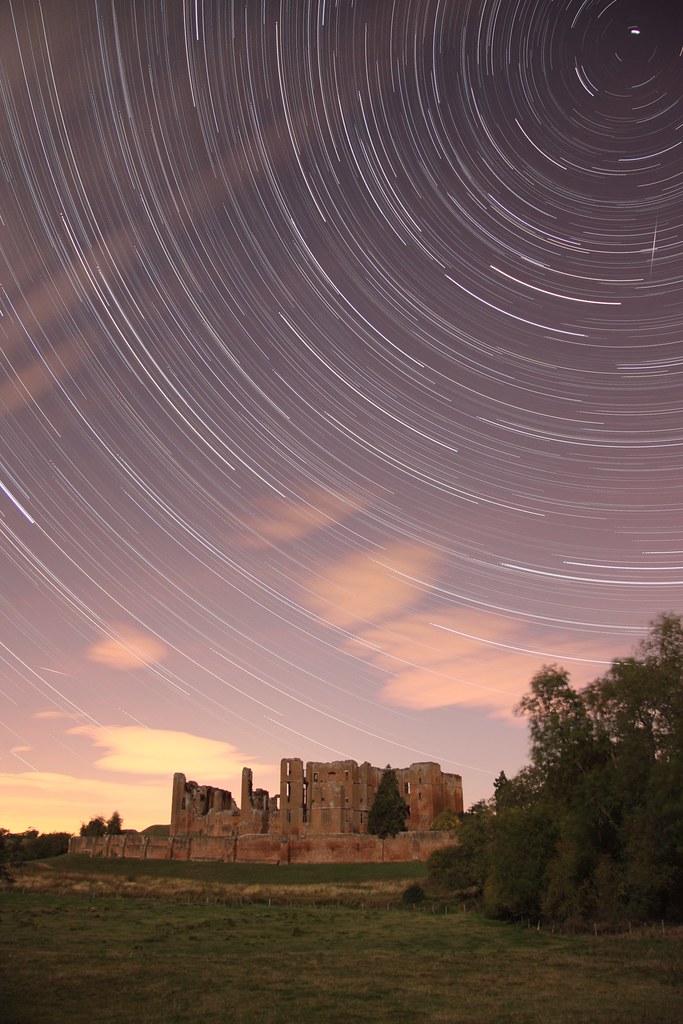
The problem with this is you are limited to how much light you can gather in that time. Doing trails is easy, as there is no limit to how long you can leave the shutter open for (excluding battery life and light pollution), and even if you use shorter exposures you can stack them. This longer exposure allows more of the fainter stars to be recorded, and also allows for low ambient light to actually expose foreground detail.
With a 20 second exposure however... you often have to have a dark foreground, or you have to light it... or get a balance by shooting when there's a very new, or very waning moon. A full moon will give too much light in the sky, and too much environmental lighting will also give too much light pollution.
As a result, with sharp star shots without trails, you need a high ISO, and ideally a camera that performs well at high ISO.
As a starting point, assuming a 24mm lens or thereabouts, I'd suggest 25 seconds @f4 with ISO3200. Bracket around that and experiment. Conditions are variable, and some nights you'll need less... others more.
If you JUST want the sky and no foreground.. then invest in a driven equatorial mount such as those used with telescopes. This will track the earth's rotation and you can expose for much longer as a result. That's a learning curve and expense you may not want, or need though.




 and then you can if you wish merge all exposures with shooting stars into a single exposure


 lol. But here you can step outside an just see all the stars on a clear night...there's not a single street light. This is a problem leaving early for work and falling on your ass during the winter months though!