- Messages
- 13,716
- Name
- Dale.
- Edit My Images
- Yes
Evening all,
Long story short, in October 2014, we had to move out of our home due to a leak from a pipe feed to our bath. We are living in bungalow and it is a floating floor, ie, a huge concrete slab, a layer of polystyrene and then boards on top. The boards started going soft and when investigated, it was predicted the leak had been going on for 3 months or so. The damage was huge, again a long story short, the house had to be gutted and everything replaced, walls, floors etc.
The work was contracted out to an Insurance approved builder. They were in 4 months and when we got back, on the face of it, our house was practically brand new. However, things soon started going wrong, I found 4 more leaks, in time to prevent any damage, our bathroom cabinets fell off our bathroom walls, injuring my Wife. I dread to think about the consequences if my 3 year old Daughter, at the time, had been anywhere near that cabinet when it fell.
Anyway, I have notified the builder as these things have cropped up and they have fixed them, one by one but I lost all confidence in their work and despite the works being under a 2 year guarantee, I decided to get the smaller things done by tradesmen I had confidence in.
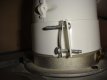
We were aware that our boiler was coming up to it's due service and we got a gas engineer in, who highlighted some problems with our boiler and the way it was installed. Basically, the clamps sealing the flue joints have been but together quite sloppily.
I am now in dispute with the original builder who carried out the original works to our property and he is basically only agreeing to inspect the clamps. I presume he will then just replace them and it's end of story for him. I do feel agrieved though as I'm quite sure this is a significant safety issue, potentially dangerous and risking our lives.
Also, where the flue exits through the wall, the interior side has not been sealed.
Just wondering if anybody here can advise or would be happy with the screws used and the way they have been fitted?

Ta.
Long story short, in October 2014, we had to move out of our home due to a leak from a pipe feed to our bath. We are living in bungalow and it is a floating floor, ie, a huge concrete slab, a layer of polystyrene and then boards on top. The boards started going soft and when investigated, it was predicted the leak had been going on for 3 months or so. The damage was huge, again a long story short, the house had to be gutted and everything replaced, walls, floors etc.
The work was contracted out to an Insurance approved builder. They were in 4 months and when we got back, on the face of it, our house was practically brand new. However, things soon started going wrong, I found 4 more leaks, in time to prevent any damage, our bathroom cabinets fell off our bathroom walls, injuring my Wife. I dread to think about the consequences if my 3 year old Daughter, at the time, had been anywhere near that cabinet when it fell.
Anyway, I have notified the builder as these things have cropped up and they have fixed them, one by one but I lost all confidence in their work and despite the works being under a 2 year guarantee, I decided to get the smaller things done by tradesmen I had confidence in.
We were aware that our boiler was coming up to it's due service and we got a gas engineer in, who highlighted some problems with our boiler and the way it was installed. Basically, the clamps sealing the flue joints have been but together quite sloppily.
I am now in dispute with the original builder who carried out the original works to our property and he is basically only agreeing to inspect the clamps. I presume he will then just replace them and it's end of story for him. I do feel agrieved though as I'm quite sure this is a significant safety issue, potentially dangerous and risking our lives.
Also, where the flue exits through the wall, the interior side has not been sealed.
Just wondering if anybody here can advise or would be happy with the screws used and the way they have been fitted?
Ta.
Last edited: