There are many factors to consider. Without seeing an example or two, with EXIF intact, and knowing your workflow, it is hard to give advice on how best you might improve. Here are some thoughts....
- Good quality glass helps
- A prime will generally be sharper than a zoom
- IS/VR can help reduce camera shake at slow shutter speeds
- IS/VR must be given time to settle before releasing the shutter
- A tripod can help reduce camera shake at slow shutter speeds
- Good shutter release technique will help reduce camera shake
- A good stance, relaxed posture, controlled breathing will reduce camera shake
- With a tripod, use of mirror lockup will reduce camera shake
- With a tripod, use of a remote or timer release will reduce camera shake
- A fast shutter speed will reduce camera shake. The recommended minimum for handheld shooting with a crop body (no IS/VR) is 1/(focal length * crop factor). Some people need to shoot faster; others can shoot slower
- Shutter speed must be appropriate for any movement in your subject, to freeze subject motion to imperceptible levels
- If panning then practice, practice. Perfect panning take skill and that comes with practice. I'm far from competent at this and tend to suffer from jerky finger syndrome when releasing the shutter on panning shots
- Firing a short burst of 3-5 shots may give you sharper images in the middle of the sequence, as the first and last are often susceptible to jerky finger syndrome.
- Stopping down a lens from wide open will increase lens sharpness
- Stopping down too far will cause lens softness from diffraction
- AF must be calibrated accurately and given time to lock onto the subject properly
- For difficult subjects, like BIF, focus point aiming must be very precise
- Contrasty light, like sunlight, makes things look sharper than flat light, like light from an overcast sky
- Front lighting can reduce the apparent sharpness by disguising shape and texture detail. Side lighting will accentuate these things, creating the appearance of more detail/sharpness
- Shooting at high ISO may require strong NR, which may soften an image
- Cropping heavily degrades IQ
- Excessive JPEG compression to achieve a small file size degrades IQ
- If you shoot to JPEG in camera you immediately throw away image detail and any further edits/saves degrade quality further. Be aware of your workflow when shooting.
- Good post processing will enhance the perception of sharpness, perhaps considerably. For maximum IQ shoot raw and then tailor your post processing to the needs of the subject, lighting, ISO, output size and format.
- When you downsize an image file the final step before saving should be to sharpen the image.
That's a quick hit list off the top of my head. Equipment is only a small part of the equation. Much of the solution comes down to technique in the handling of the camera, the settings chosen and the processing of the image file. Pretty much all DSLRs are capable of producing sharp images but a cheap consumer grade kit lens can give IQ a bit of a knock. Nonetheless, there is much for the photographer to consider before simply upgrading glass or any other equipment.
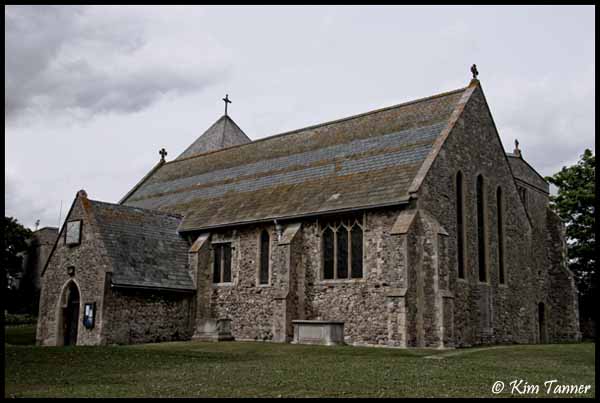
This was shot with a 30D and 17-85 zoom lens. It was shot raw and processed in DPP using only modest amounts of sharpening. To my eyes it looks plenty sharp enough.
This was shot with my 40D and 17-55 zoom lens at 35mm, 1600 ISO, f/2.8, 1/100 and processed in DPP with no edits....
Sharp enough?