in practical terms, what is the difference between the uncoated, coated, and multi-coated filters?
In practical terms, not a great deal. With any filter, you get at least some flare and ghosting.
Flare - bright light sources are diffused within the material and made larger, sometimes spreading a thin layer of veiling glare over the whole image, reducing contrast slightly. Glass is better for this than resin/acrylic, and the thinner the material, the better.
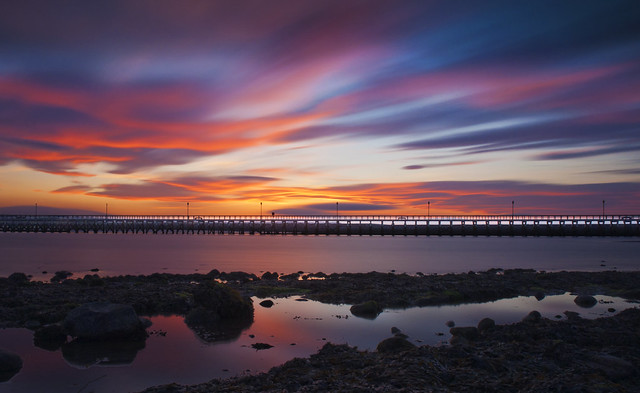
The other problem is sensor reflections, where bright light-sources, eg the sun in a sunset, bounces off the sensor and back again off the rear of the filter, which shows up as a repeat ghost image. This is most common at low f/numbers, because at higher f/numbers the light path back through the lens is narrowed by the aperture blades so unless the light is right in the middle, it often bounces off to one side fairly harmlesly. Coating reduces the brightness of the ghost quite a lot, but certainly doesn't eliminate it. Mulitcoating is better still, but not massively.
Edit: since these filters are quite often used for sunsets, it can be a problem. You can't see ghosts through the viewfinder, though they are visible in live-view, but you need to check at the shooting aperture. This is usually impossible in practise as live-view just doesn't work with the filter on, especially when the lens is stopped down, so you have to take a picture to check. However, the best way to avoid ghosts is to move the sun off-centre so you don't get them in the first place, rather than trying to reduce them with multi-coating.