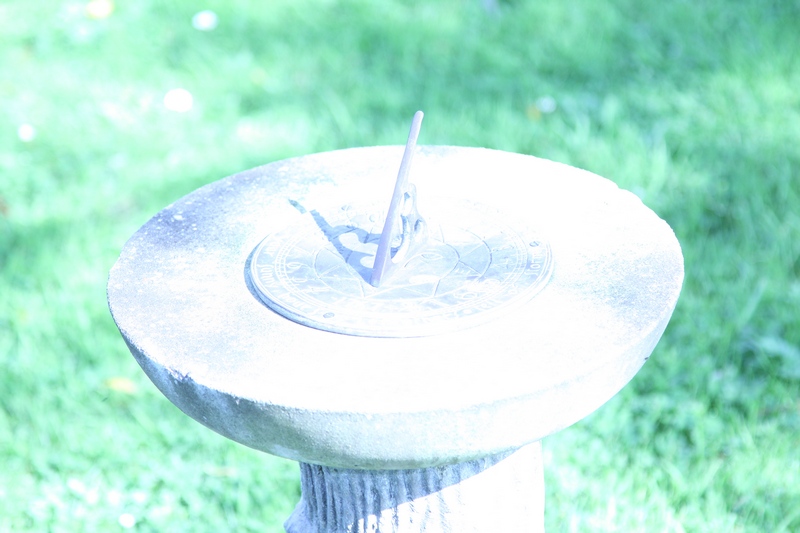
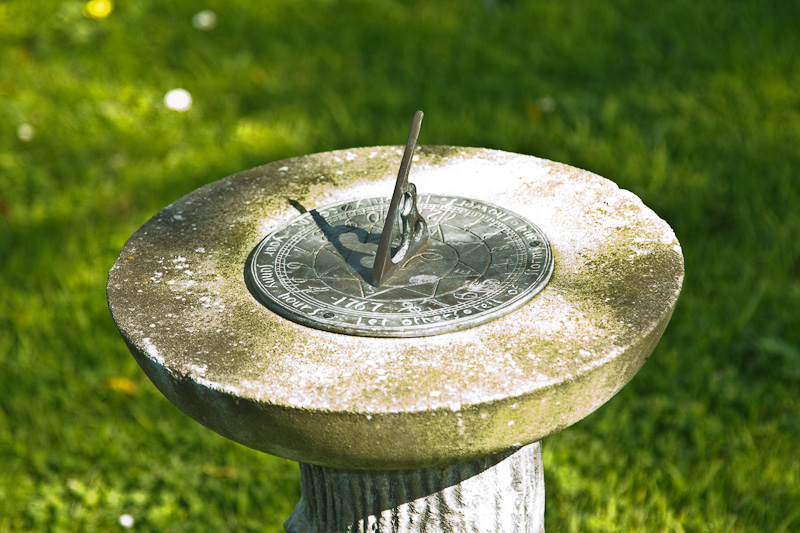
Why Raw

Have to agree that this has been one of the. Best threads here for a while, and you have to give thanks for all the input provided by the users, Tim especially.

I did a high number of shots yesterday for a specific project, so when I get time I'll get a straight output from both PS &LR into Jpg and put the results up here.

That may be a while though as my Broadband is down & BT are installing a new service on Monday...... (Thank heavens for the iPad!!)

Steve

Sent from my iPad using TP Forums
 
Nope.. RAW doesnt give a better picture than JPG so nothing like that at all.. Shot correctly there is no difference between a raw and a jpg picture

Raw will always be capable of producing a better picture than jpeg except in the unique case where all the camera settings (exposure, white balance, sharpening, noise reduction, demosaicing) are all set 100% perfectly at the time of shooting. In that case raw can produce an image just as good as the jpeg.

In every other situation it is easy to take the raw data and produce an image identical to the jpeg image the camera would have produced. It is also possible to produce an image better than the camera-produced jpeg (although it may not be substantially better).
 
Agree.


What you can do with a raw image you can do with a jpg image. Using CS5 and it's raw editor I can open a jpg and tinker in the same way. Fair enough the raw may have a bit more detail in the highlights and the shadows for you to pull back, but regarding things like white balance you can do it to a jpg as well.
The beneift to shooting raw is perhaps the increased detail (if not exposed 100% correctly) and having a original non camera processed file to work with.

I shoot raw when I need to, but generally default always to jpgs purely due to processing time and storage, and work REALLY hard to get the shot right in camera.

Herein lies the myth, All PP software can work on just about every image format ever produced, all the adjustment slider are there and they all work.
Unfortunatelty, when you use the WB slider on a JPG, the effect is NOT the same as when used on a raw file.
Rather than take my word for it, there is a simple experiment to prove the point.

Set your camera to shoot raw and JPG (Highest quality JPG), set WB (Auto should be fine) and take a shot. Now change the WB to Tungston (if you are outdoors) and take another shot.

save the files to your PC (mac) take the JPG that was shot with the wrong WB and adjust (WB only!) in your PP software, try as you might you will NOT get the same result as the OOC JPG with the correct WB.
You can now take the raw file with the wrong WB, correct the WB and do the other adjustments that you camera is applying to the JPG (saturation, sharpness etc). The JPG now produced from the bad raw file should look as good as, if not better than the correctly shot OOC JPG.

I am not saying that, because of the above, you should shoot raw, just trying to clear up some misconceptions, regarding PPing JPG files.
 
"oh yeah, you can recover loads of info and save bad shots etc..." which is obviously true (to whatever extent obviously depends on initial exposure and camera capabilities) but there's rarely anything to back this up.

OK. A while ago I did a test of this. I shot with the wrong exposure and the wrong white balance - raw and jpeg. Here's the jpeg image -

Grass.jpg


And here's what I could get from the raw data -

Grass%20Proc%20Raw.jpg


IMNSHO that is a perfect example of how shooting raw can rescue one from cockups at shooting time.


more often than not, a correctly exposed JPEG with in-camera additions might have been a better alternative to a raw file that ends up not being worked on efficiently.

It's always possible to process raw data to be exactly the same as the jpeg that the camera would have produced. If one shoots Canon (not sure about others) then it's easy to do it with DPP.
 
hollis_f said:
OK. A while ago I did a test of this. I shot with the wrong exposure and the wrong white balance - raw and jpeg. Here's the jpeg image -

And here's what I could get from the raw data -

IMNSHO that is a perfect example of how shooting raw can rescue one from cockups at shooting time..

Good example. Can remember you posting that example before. Clearly illustrates how to save an image....

It's always possible to process raw data to be exactly the same as the jpeg that the camera would have produced. If one shoots Canon (not sure about others) then it's easy to do it with DPP.

Agreed, but why not use the JPEG if it's spot on?
 
Last edited:
Agreed, but why not use the JPEG if it's spot on?

That's a hugely massive 'if'. If I could get everything correct in the camera, every single time, then I would only shoot jpeg. And my first shot would be of squadrons of piggies flying over the frozen wastes of Hell.
 
Quote:hollis_f
It's always possible to process raw data to be exactly the same as the jpeg that the camera would have produced. If one shoots Canon (not sure about others) then it's easy to do it with DPP.

Your right there, I think most camera manufacturers include software that will apply the same 'in camera' settings to the raw file.

Agreed, but why not use the JPEG if it's spot on?

Even with all the correct in camera settings, the JPG is unlikely to be 'spot on'.
for the following reasons
1/ the 'in camera' firmware/hardware is not as good as computer software such as LR3, CS5, etc + a fast modern processor.
2/ the in camera settings are applied to every 'in cam' JPG - is EVERY scene you take the same for max/min shadow, mid range or highlights, I would doubt that very much.
Processing the raw data to generate your own JPG, allows you to tailor the settings to each individual picture, True! it does take time and a little experience, but a little experimentation goes a long way.
 
Here's a good example I've just shot as to why I use RAW:

Here's what I was shooting (Raw with no colour changes at all):
P1040575s43.jpg


But for some reason, this is how it came out in JPEG form:
jpgbodlas.jpg


That's a pretty marked difference, Panasonic have a LOT of work to do on their JPEG engine.
 
Even with all the correct in camera settings, the JPG is unlikely to be 'spot on'....

What I meant was if the JPEG is good (i.e. to your taste) then why process a raw file to make it identical.... what's been gained?

...1/ the 'in camera' firmware/hardware is not as good as computer software such as LR3, CS5, etc + a fast modern processor.....

I'm genuinely intrigued to what the difference is - technical issue like that are way above my head :)

....2/ the in camera settings are applied to every 'in cam' JPG - is EVERY scene you take the same for max/min shadow, mid range or highlights, I would doubt that very much...

I'd argue that does it have to be the same every time? Unless you're shooting a set that has to look the same then that's a moot point TBH

.....Processing the raw data to generate your own JPG, allows you to tailor the settings to each individual picture, True! it does take time and a little experience, but a little experimentation goes a long way.

No argument from me there, although that goes against what you've said about consistency in tonal range, shadow etc.... if you're processing each shot as an individual, does it matter?
 
Last edited:
Quote:
Even with all the correct in camera settings, the JPG is unlikely to be 'spot on'....
What I meant was if the JPEG is good (i.e. to your taste) then why process a raw file to make it identical.... what's been gained?
because we can get a 'better' photo from doing the adjustment ourselves, because WE not the camera are doing the decision making

Quote:
...1/ the 'in camera' firmware/hardware is not as good as computer software such as LR3, CS5, etc + a fast modern processor.....

genuinely intrigued to what the difference is - technical issue like that are way above my head :)

In camera processing has a limited time to produce the JPG image and while they do do a GOOD job, it CAN be done better with more powerfull computing power and software.

Quote:
....2/ the in camera settings are applied to every 'in cam' JPG - is EVERY scene you take the same for max/min shadow, mid range or highlights, I would doubt that very much...

I'd argue that does it have to be the same every time? Unless you're shooting a set that has to look the same then that's a moot point TBH

you've lost me there somewhere but No! different lighting conditions, different shot compositions etc all require different processing parameters/settings, a one size fits all approach doesn't always cut it

Quote:
.....Processing the raw data to generate your own JPG, allows you to tailor the settings to each individual picture, True! it does take time and a little experience, but a little experimentation goes a long way.

No argument from me there, although that goes against what you've said about consistency in tonal range, shadow etc.... if you're processing each shot as an individual, does it matter?

I don't recall saying anything about consistency in tonal range or whatever, again some misunderstanding creeping in a little, I am just re emphasizing the previous point that each photo is individual and needs individual PPing rather than have the camera apply the same (JPG) settings to every shot
I suppose it all boils down to whether you want or think you need to PP each shot and of course whether your type of photography needs it, sport, journalistic photography etc where it is more important to 'get the shot' than whether it's perfectly PP'd
The basic argument here, is, by using raw and PPing ourselves gives us the opportunity to get the absolute best out of every shot and being able to easily correct for making silly mistakes (WB is the most obvious), rather than run the risk of losing the shot altogether, had we made the same mistakes but shot ooc JPG's.
As always, it's swings and roundabouts really, I, like a lot of others, judging by the response on here, actually, enjoy seeing a 'usually' rather flat raw file(because NO adjustments/camera settings have been applied at this stage), transform into an entirely different looking image.
I do agree though, that it's not always as easy to get the PPing right, if you are not used to the software, it can be quite daunting to get to grips with
 
What I meant was if the JPEG is good (i.e. to your taste) then why process a raw file to make it identical.... what's been gained?

We're back to that "if" again. If your jpegs are always 'good enough', and if you're happy with 'good enough' and not something better, then you should shoot jpeg.
 
Last edited:
We're back to that "if" again. If your jpegs are always 'good enough', and if you're happy with 'good enough' and not something better, then you should shoot jpeg.

'If' can be replaced with 'when' for argument's sake.

I never said good enough - I said good, meaning it's what is/was desired. It's not about better; it's about getting the intended result and you can do that with a JPEG shot.
 
In camera processing has a limited time to produce the JPG image and while they do do a GOOD job, it CAN be done better with more powerfull computing power and software.

Interesting, will have to have a dig around to find out more...:)

Sorry for confusion....thought you were referring to something else with the mid tone, shadow comment...... think a long day out in the rain has frazzled my most basic senses :D
 
I never said good enough - I said good, meaning it's what is/was desired. It's not about better; it's about getting the intended result and you can do that with a JPEG shot.

But, in almost every case, you can process the raw data to get a better image. That's why I used 'good enough'.
 
But I don't see how you can get better than what was intended.... whatever 'better' is?

Think we might have to agree to disagree on this :)
 
Last edited:
Interesting, will have to have a dig around to find out more...:)

Sorry for confusion....thought you were referring to something else with the mid tone, shadow comment...... think a long day out in the rain has frazzled my most basic senses :D

No problem specialman :wave:

Camera processing firmware, is at least as old as the day that particular camera model is released, and won't get upgraded until the next model comes out. Now that's not to say it still can't do a good job on producing JPG's.
But, let's take LR as an example, the difference between V2 and V3 are quite pronounced, especailly with respect to noise reduction, the difference is quite staggering.
There are other things like lens correction that, while not impossible to do by the 'in camera' firmware, does take more time and processing power.
 
TBH, did a shoot yesterday in the pouring rain so thought I'd shoot raw + JPG to give me processing options, especially with available light being so poor and having to work quickly with flash due to the rain.

In terms of the JPEGS, I'm happy (on the whole) with the results and they give me a starting point for minor tweaks in LR3. The old D2x has done a good job on the WB front and saturation and tonal range is good. Mind you, I was always going to be mindful of nailing exposure shooting at ISO 800+, so it wasn't like shooting blind. The only duffers were the ones I expected; shooting into a massive highlight (the lake surface) so effectively backlighting the subject. Plus, doing the catch shots as the light was going at 3pm was a bit of a pain because of the guy wearing a cap (eyes in shadow) but showing off small bream (very reflective), a nightmare when you want to pump flash in but not overcook things.

IMO, had I shot earlier in the day there wouldn't have been any problem - I'd have happily processed the JPEG file to get a good balance between highlight and shadow without any problems - but because of conditions deteriorating so rapidly, the end shot wasn't great, which I could tell instantly from the LCD and histogram. To me, that's where the raw file is coming in a big help because I can recover those highlights pretty effectively without overegging the shadows and giving the guy the eyes of a junkie!! No argument from me there on the effectiveness of raw capture.

On the flipside, I did a shoot on Tuesday in North Yorkshire and it was blue skies and warm sunlight - perfect after the crappy winter we've had. Again, I shot raw + JPG but to be honest, on some shots, the raw file gives me no advantage whatsoever over the JPEG (when processed through LR3), other than being able to work on it in future without any in-camera alterations already in place.

My conclusion is yet to be formulated about this whole debate but nonetheless, it's at least enjoyable learning about how people approach their photography. :)
 
Well the thread is about "Why raw?" and not "Why raw to the exclusion of anything else?", so it seems you've identified an example when raw shows its advantage. Nothing wrong with that.

The only thing I would say is that if I was to shoot to JPEG instead of to raw then I would modify my camera setup and shooting style. That's something I prefer not to do, so I stick with raw no matter what the occasion.

As for glare/backlight shining off a lake, is that something a CPL could help with?
 
I find the debate analogous with digital music.

For most people the MP3 compression on the original digital audio, makes no noticable difference yet the convenience (size, therefore speed of transfer between media too) of it far outweighs the the audio loss.

Whether original analogue audio is better than the digital master...is another debate :lol:
 
After reading this thread I decided to record my last shoot in jpg and raw. I used the raw editor to look at every image, then ping it straight into photoshop to save as a photoshop file. I reckon I used the raw functions on about 5 images just to pull in some fill lighting.

Basicaly I'm converted. Raw now everytime for me, on a 'just in case' basis.
 
tdodd said:
As for glare/backlight shining off a lake, is that something a CPL could help with?

More to do with a massive difference in exposure between foreground and background. Will post the image up later to show you :)
 
Last edited:
TBH, did a shoot yesterday in the pouring rain so thought I'd shoot raw + JPG to give me processing options, especially with available light being so poor and having to work quickly with flash due to the rain.

In terms of the JPEGS, I'm happy (on the whole) with the results and they give me a starting point for minor tweaks in LR3. The old D2x has done a good job on the WB front and saturation and tonal range is good. Mind you, I was always going to be mindful of nailing exposure shooting at ISO 800+, so it wasn't like shooting blind. The only duffers were the ones I expected; shooting into a massive highlight (the lake surface) so effectively backlighting the subject. Plus, doing the catch shots as the light was going at 3pm was a bit of a pain because of the guy wearing a cap (eyes in shadow) but showing off small bream (very reflective), a nightmare when you want to pump flash in but not overcook things.

IMO, had I shot earlier in the day there wouldn't have been any problem - I'd have happily processed the JPEG file to get a good balance between highlight and shadow without any problems - but because of conditions deteriorating so rapidly, the end shot wasn't great, which I could tell instantly from the LCD and histogram. To me, that's where the raw file is coming in a big help because I can recover those highlights pretty effectively without overegging the shadows and giving the guy the eyes of a junkie!! No argument from me there on the effectiveness of raw capture.

On the flipside, I did a shoot on Tuesday in North Yorkshire and it was blue skies and warm sunlight - perfect after the crappy winter we've had. Again, I shot raw + JPG but to be honest, on some shots, the raw file gives me no advantage whatsoever over the JPEG (when processed through LR3), other than being able to work on it in future without any in-camera alterations already in place.
My conclusion is yet to be formulated about this whole debate but nonetheless, it's at least enjoyable learning about how people approach their photography. :)

We have 3 options at our disposal, raw, JPG or raw + JPG, (actually we have more as the size/quality of JPG can usually be set from small to large).

Normally I just shoot raw, not for any other reason than I like doing the PPing, (in Camera 2 I have to use raw + JPG as raw only is not available, but usually set JPG to smallest)

I suppose the best compromise (if there is one) is to shoot raw + best JPG, with the JPG keepers - just bin the raw files, with the others PP to get your JPG then bin the raw file, it would certainly save some space.....

at least if you screw up with things like WB (something I'VE certainly done) nothing is lost.

Now, I don't have any issues with mem card space or HDD space, so I'm going to follow your example and shoot raw + best JPG for a while (I can always bin the JPG's after all!) and see how it goes - a case of, best of both worlds, at the cost of some memory space.
 
We have 3 options at our disposal, raw, JPG or raw + JPG....

I haven't even played with the TIFF setting on mine.... reading up on it it takes an age to write shots to card, and they end up being massive. Think I'll leave that well alone..... :)


- - - - - - - -


So here's one of the shots from yesterday.

The guy is against a rather large area of surface reflection that's blowing out, which isn't something I'm too bothered about because it'll be cut out by the designer or feathered. Overall, I'm happy with the exposure. Thing is, I know his cap is an off-white (dirty) and doesn't look white in real life so it's time for a bit of recovery (that's the only change):

Here's the whole scene so you can get the gist:

Picture_14.jpg


Here's the adjustment made on the original JPEG:

Picture_42.jpg


Here's the adjustment on the .NEF file:

Picture_32.jpg


As you can see, the .NEF wins hands down. Obviously, the amount of adjustment is different between the two files because one is processd in-camera and the other is flat - notice that at maximum the JPEG doesn't hod the info.

I was amazed at how much detail there was in such a boring bit of the scene but it shows that the JPEG just runs out of steam at the highlight end and there's so little it can recover; plus, it looks pretty nasty because there's no softness between tones. The .NEF looks miles better.

I wouldn't leave this file like this because i feel there needs to be some contrast, a tad of WB and some saturation changes to be made, plus too much recovery on whatever file format you use, will just make things a bit grey if turned up to 11. :)

JUst goes to show that you learn some things when you least expect it :)
 
Last edited:
Back
Top