This is not another "I am doing my 1st wedding". A good friend of mine is getting married in late Sep this year, they have hired a pro tog for the day inc. the speeches. What he would like is some casual photo's during the evening i.e. on the dance floor and basically everyone having fun getting drunk.
At present I have a 75-300mm and the kit lens. What lens and flash would I need to get some good shots, they are not looking for pro pics but just something to remind them of the night.
Budget is tight so please bare this in mind.
In my experience you'll be needing a short/standard zoom/prime of f/2.8 or faster and a body that can deliver useable images at 1600 ISO. You'll also benefit from a decent flashgun that has a tilt/swivel feature and the knowledge to use it properly. I would expect to be shooting at 1600 ISO, f/2.8 and between 1/40 and 1/100 (probably about 1/60 most commonly) for indoor evening shots. Fast (f/1.2-f/1.4) primes are all well and good, if they deliver sufficient DOF to be useful. I reckon that all in all f/2.8 is a good compromise between lens speed and DOF.
Here are a couple of examples, with EXIF. I'm not citing these as great examples or anything, but simply to show the necessity for high ISO and fast glass...
50D and 17-55 lens at 55mm, f/2.8, 1600 ISO, 1/40, bounced flash (not that there was much to bounce off) with small index card reflector. This has almost certainly been edited for WB but probably nothing else. It was shot at 13:44 on 30th November, so the light can be monumentally bad even during daytime :
30D and 17-55 lens at 31mm, f/2.8, 1600 ISO, 1/60, bounced flash, no edits :
I've shot in situations, at a wedding, where I was shooting with a 50D at 200mm, f/2.8, 3200 ISO, 1/60 and could not use flash due to the nature of the environment. The example here was taken at 14:21 in the afternoon, with overcast daylight through the windows on camera right and feeble tungsten within the room itself. The room had a low, sculpted, coloured ceiling, making bounced flash a no-hoper, and the picture on the wall reflected back with a vicious hotspot if I used direct flash. The room was so tightly packed that I had no option to pick a different angle to remove/reduce reflections, so all I could do was use the miserable available light. Now that is a tough gig....

The common theme for me in these conditions is manual exposure, f/2.8, 1600 ISO and bounced flash to make up the exposure shortfall. If you have a slower lens, or use a lower ISO then you will be more dependent upon your flash to supply the missing light. This approach may destroy the natural ambience of the scene, or cause problems with colour casts if the ceiling/walls are not neutral, or just generally cause problem with mixing light of different temperatures (tungsten = yellow, flash = blue). Of course, you can gel your flash to match the ambient colour teperature, but the more complex you make things the more challenging you make life for yourself.
So, to answer your question, if you want a fair crack at doing the job well, you need to be able to use 1600 ISO comfortably, have glass of f/2.8 or faster, a tilt/swivel flash gun, perhaps some flash gels/modifiers, and the skill to adapt to the environment and use it all together. With a "tight budget" I'm not sure how easily you will accomplish those goals.
That said, if the environment you are in is kind (nice pale/neutral surfaces for bouncing) and/or you are happy to use direct flash and sacrifice the background ambience then you might get away quite well with more modest kit. Plenty of nightclub photography (I don't do it myself) delivers great results at f/4 and 800 ISO. Whether you can get away with that depends on your ambient lighting, how your subject is lit vs the background, and how much movement there is in the scene. Check out this thread -
http://photography-on-the.net/forum/showthread.php?t=415099&highlight=nightclub - the first photo, for example, is with a 30D at 18mm, 1/3, f/4.5, 800 ISO. Looking at the shadows it seems to me that the flash is off camera, high and to the left of camera, probably hand held at the end of a sync cord. The examples in post #2 all look pretty good to me. Sadly, the examples in posts 13 and 14 illustrate to me that there is more to it than just whacking a flash on the camera and pointing and shooting. Equipment is important for sure. Knowing how to use it is even more important. I'm still learning.




 And you don't need any new expensive glass to shoot it either which might just be good for you


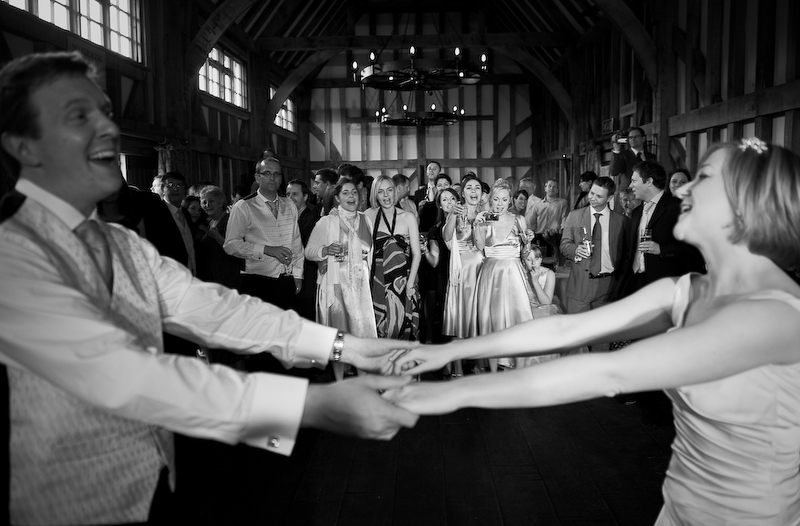
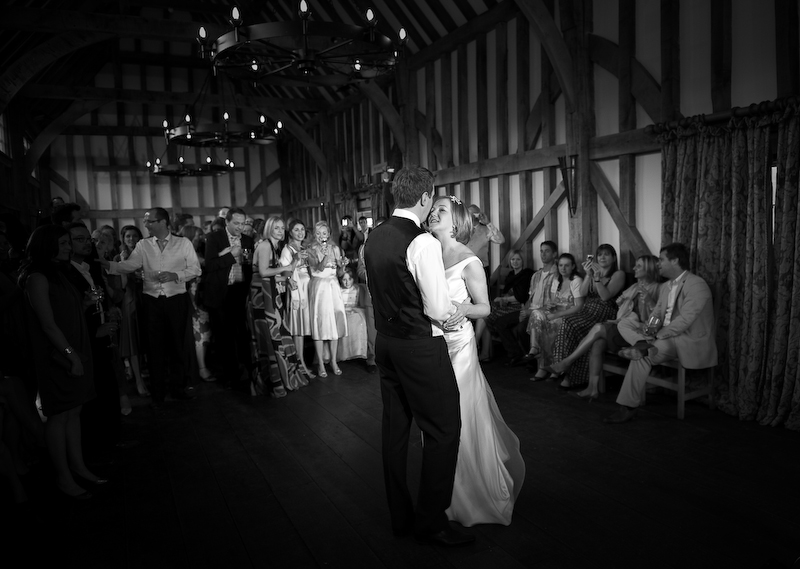
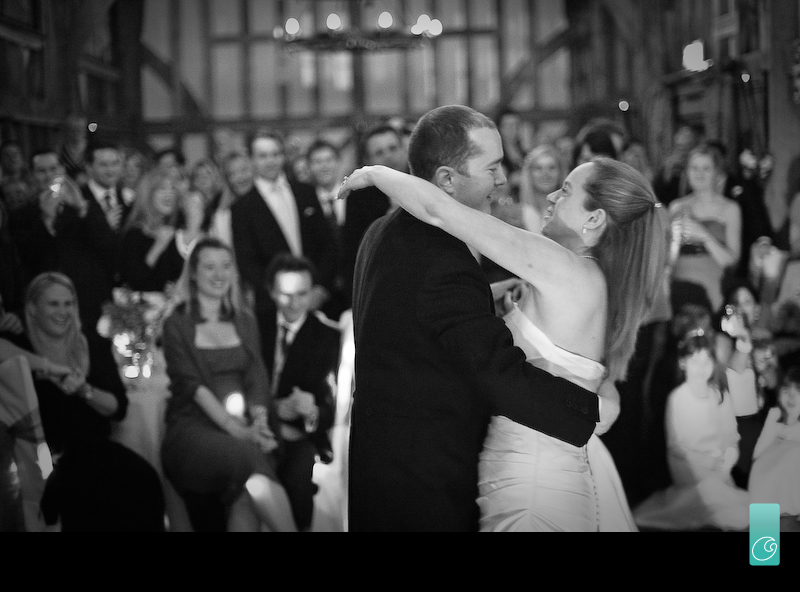
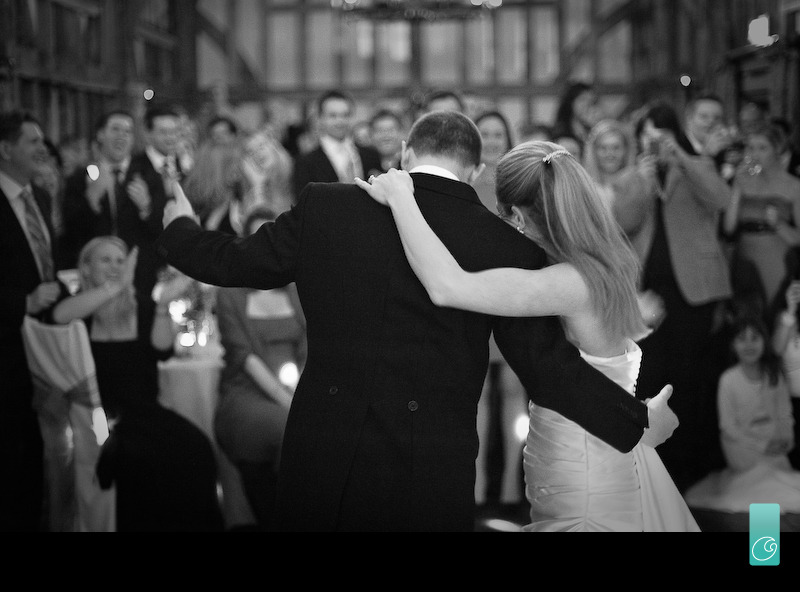
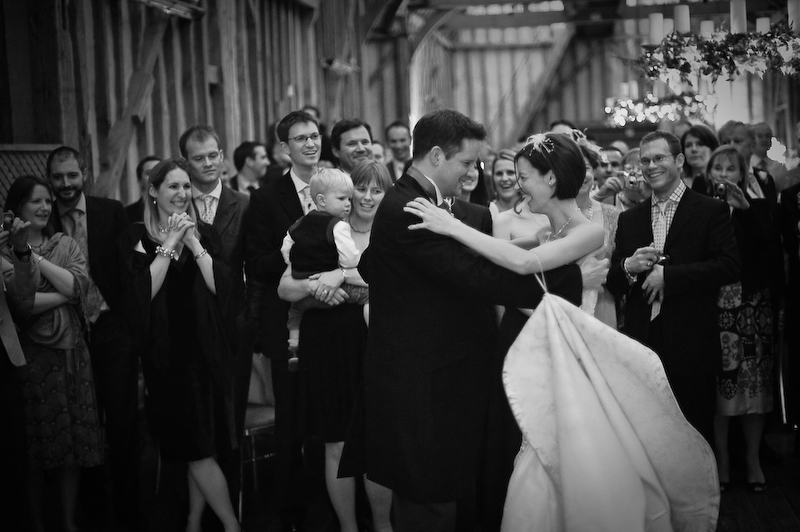
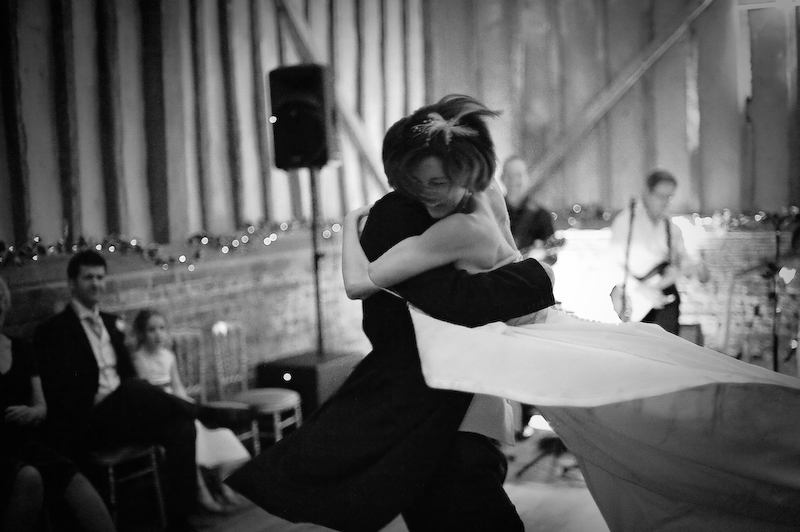
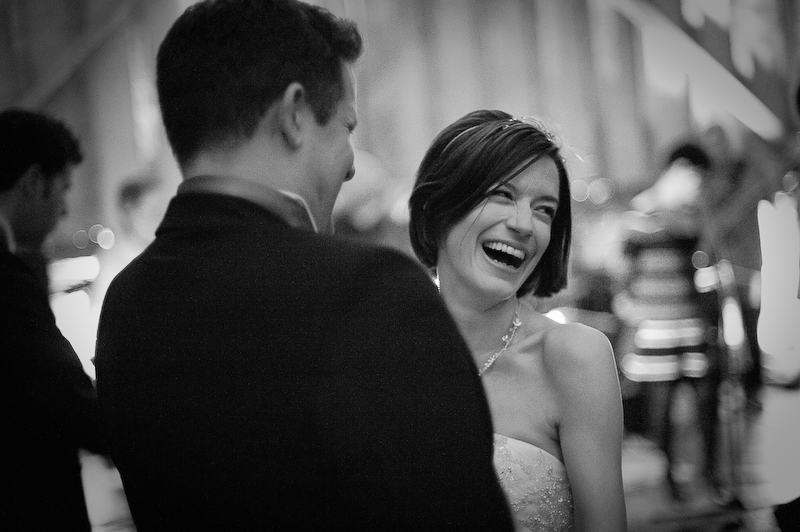
 Could underexpose by miles and pull it back. Not sure how bad the noise would kill the picture. Unless Canon did a firmware update for this.