Using a Variable ND Filter

TheScotty

Suspended / Banned
Messages
5
Name
Scott
Edit My Images
No
Hello,

I recently bought my first filter, a cameron variable ND Filter.

I love long exposure night shots and fancy some long (ish) daytime shots (for the usual blurring of water etc)

First outing with the filter I tried at sundown at the beach but really couldn't get any shutter speeds slower than roughly 1/20th

Camera is a Canon 50D, Sigma 17-70 shooting in RAW, aperture priority, ISO 100, F16

The filter has a min to max setting. From reading before I bought it the general concensus was to stay away from Max therefore I was keeping it just above the middle.

Am I doing something wrong? Is there a problem with the filter? Is that shutter speed what you would expect?

I presumed I'd be able to comfortably get 1sec+ exposure in fading light without too much trouble.

Here is what happened with the filter set to MAX (

105tflj.jpg


P.S. Not all shots were taken directly at the sun

Thank you for any advice :)
 
Try again at 3/4 setting on the filter - still a fair way from maximum and you may even find that the maximum setting gives results that you are happy with. For smoothed sea water, a second or 2 should be enough while for creamy you'll need longer.

Not sure if the little blobs (at 7 o'clock and 8:30 near the sun) are dust bunnies or lens flare - I'm guessing dust bunnies - maybe a rocket blow is needed? Probably don't show at f/8 or wider so may not be worth dealing with until they do what rabbits do and breed...
 
Welcome to TP :)

To be blunt, I'd sent the filter back if you can. That's exactly what I did. Those vari-NDs are useless for most things. When you turn them down strong enough for a long exposure, a dark cross appears over the image, especially noticeable with wide-angles.

Get a fixed ND filter. Haida or LightCraftWorkshop are cheap and good quality.
 
Thank you both.

I did try and turn the filter up toward max and started to notice distortion in the sky about 3/4 right up to what you see in the image above at max.

I loved the thought of the variable filter and most of the reviews were either saying it was excellent or useless. Having used this one a few times i'm leaning toward the latter.

I tried it the morning after that shot before the sun came up and again I couldn't get anything like a long exposure even though it looked very dark through the view finder.

I may try and return it claiming its not fit for purpose.

Nod, I think you are right about the dust. By rocket blow do you mean its on the sensor. I hope so as the lens is fairly new :)
 
Yes, dust on the sensor probably almost invisible to the naked eye! Look in the manual to see how to lock the mirror up and the shutter open for cleaning and carefully send a couple of blasts of air at the sensor while holding the body opening down - above your head if necessary so you can see what you're doing! Personally, I set the camera up on a tripod, looking straight down which leaves both hands free. I also do it in as dust free an area as possible - in my case, a bathroom some time after the last use with hot water. If the thought of doing your own clean fills you with dread (you won't be the only one!), there are places who'll do it for you - at a price and a professional clean doesn't always guarantee a dust free sensor!
 
You are spot on Nod!

I checked some recent shots that were ranging from F11-F16, dust far more noticeable at F16. Time to clean the sensor. I have a can of air that is sold as being useful for cleaning dirt from computer keyboards (kinda like an aerosol can). Is that the sort of thing to use?
 
NO! Sorry to shout but IMO (and that of plenty of experts) the coldness of the air from cans and the propellant used can cause severe problems. Far better to use a large volume bulb blower (Rocket Blower) available from many sources, including most High Street photographic retailers. Lots of videos on YouTube and similar showing how to do the job - basically, find the least dusty room around, remove the lens, set the camera to lock the mirror up for cleaning (check in the manual where this setting is found in the menus) then, holding the body with the lens opening facing the floor (so the dust is more likely to fall out than to fall bck in), squirt air at the sensor while ensuring the tip of the blower doesnt touch the sensor. (Actually, it's rarely the actual sensor you clean, it's more likely to be the low pass filter which sits just in front of it - youstill don't want to damage it though!)

One from Amazon:- http://www.amazon.co.uk/Giottos-GTAA1900-Rocket-Air-Blower/dp/B00017LSPI
One from Jessops:- http://www.jessops.com/online.store/categories/products/jessops/rocket-blower-32860/show.html
And a video showing one in use:- http://www.youtube.com/watch?v=7oQmq_sCU0k (Plenty of links to other videos there too.)
 
Hi all,

Sorry to piggyback on this thread but i just have a question. Also new to photography and bought one of the Variable ND's.

How does one use it correctly, do we take a reading before putting it on or after. Also do we take the reading of the foreground?

Thanks a lot.
 
As I understand it these filters are basically two polarizers linked together so the uneven effect you get with a standard polarizer on a wideangle lens is made that much more obvious.
 
I bought a Variable ND from Lightcraft and returned it after trying it once. I was using it to lengthen exposures outdoors to allow me to use flash with larger aperture settings.

I found it softened my shots significantly - not sure whether it threw off AF or just fuzzed them, but I wasn't happy.

Phil
 
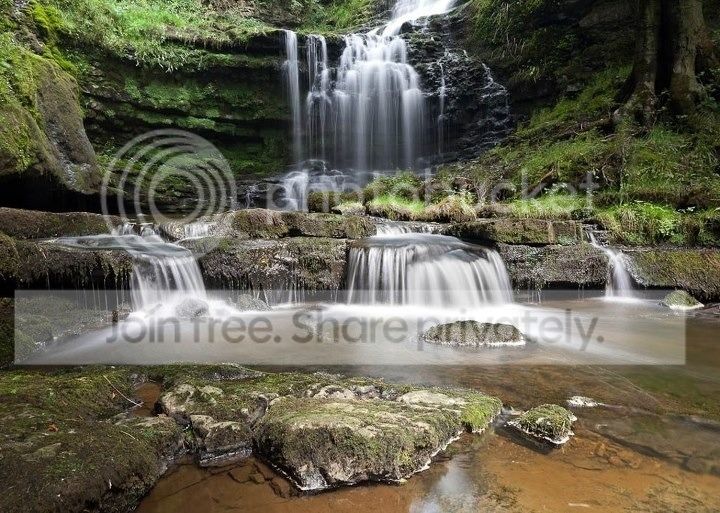
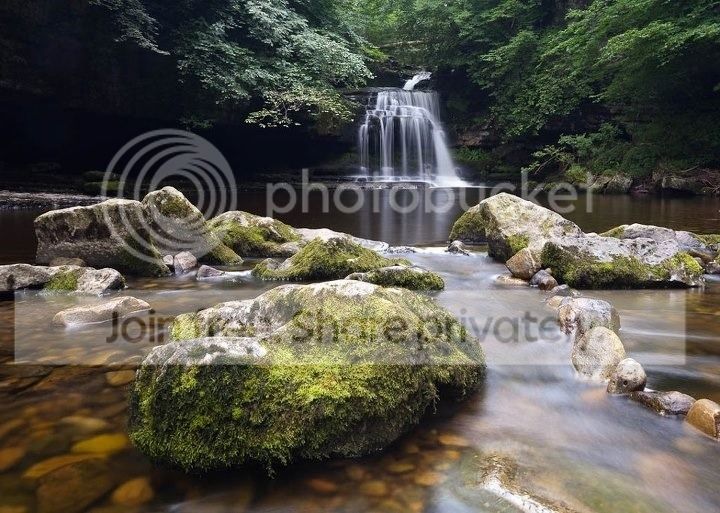
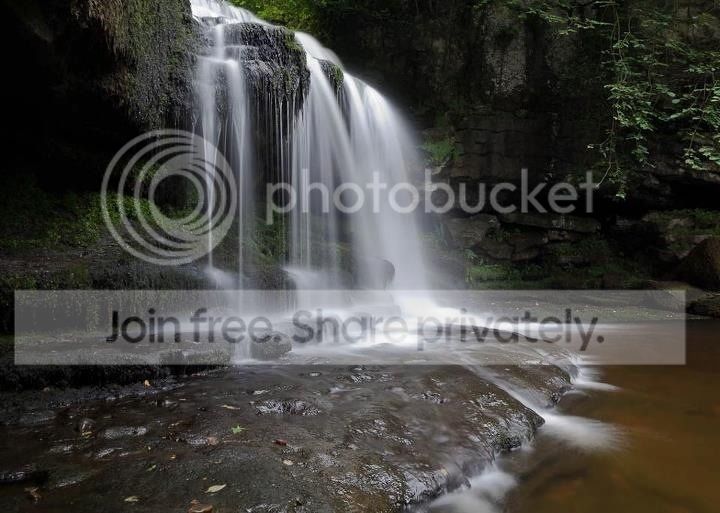
I think I must have been lucky with the 7dayshop Variable ND I bought because I've had no problems whatsoever, very little PP done to these and no noticeable colour cast. For the money I certainly can't complain...

89628dfe.jpg


7230689c.jpg


25a20538.jpg
 
Back
Top