

Under Exposed?

notaclue

Suspended / Banned
Messages
20
Name
Steve
Edit My Images
Yes
Hi All

I went to a bonsai exhibition and my shots seem under exposed or blurry.
I tried using fill in flash and setting ISO but to no avail.

Any ideas what I'm doing wrong?

Camera is a Canon 400D and was using 18-55mm EFS lens

Any advice would be gratefully received.

Steve
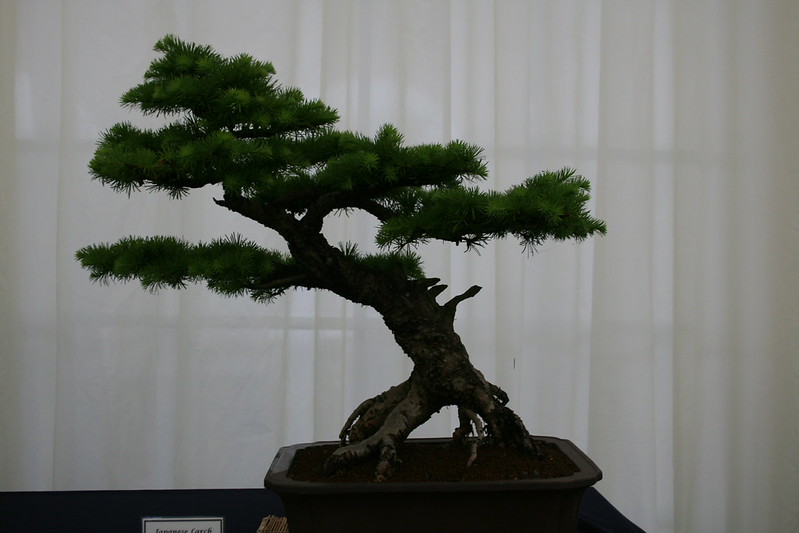

IMG_0063 by notaclue4, on Flickr
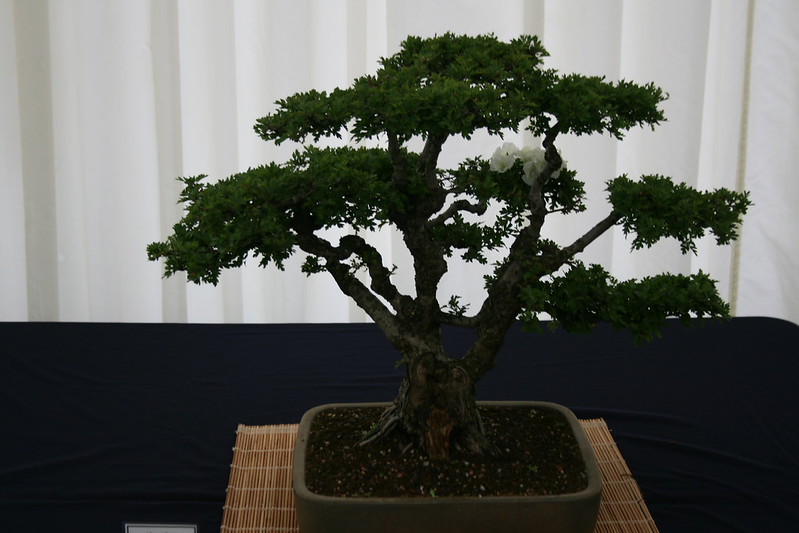

IMG_0068 by notaclue4, on Flickr
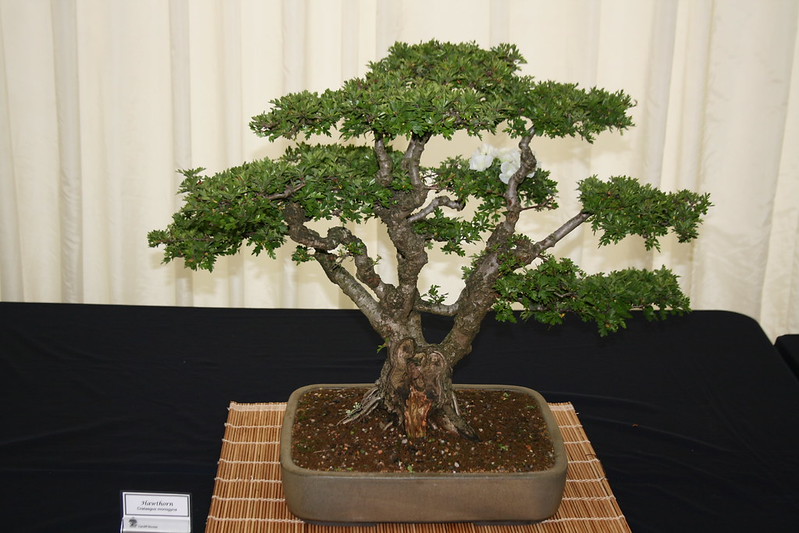

IMG_0070 by notaclue4, on Flickr
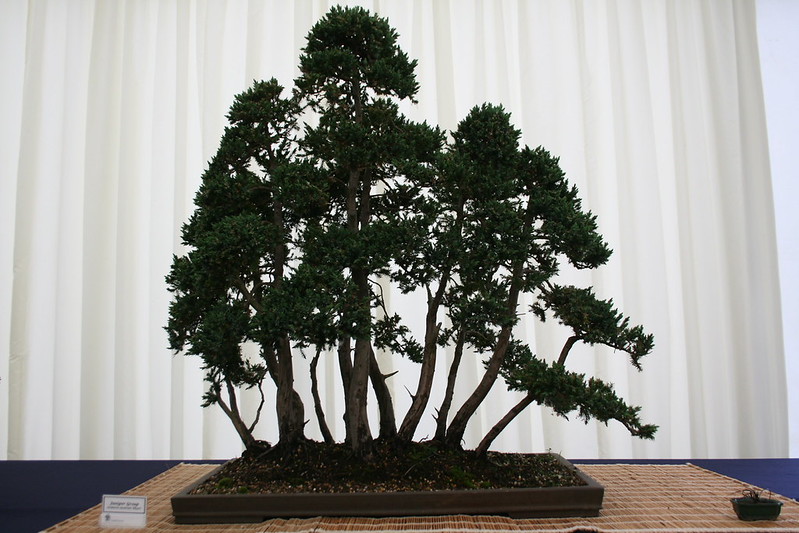

IMG_0080 by notaclue4, on Flickr

IMG_0088 by notaclue4, on Flickr
 
Last edited:
The camera is trying to expose for middle grey and all that white background is confusing the camera's metering system.

This is where blinkies and exposure compensation are very useful or even better, manual exposure.

edit: in this situation fill-flash is a good idea too.
 
Last edited:
Well I didnt know my camera did that.
Time to RTFM!
 
Try different metering options to see the outcome.
 
I was once told to always under expose by a notch as you an bring out more detail? This isnt true then
 
I was told to 'expose to the right', then under expose sunsets/rises.

Guess they all have their place :D

Cheers.

I was once told to always under expose by a notch as you an bring out more detail? This isnt true then

When shooting digital or slide, you should shoot to the right, slightly overexpose or however you want to describe it, to keep as much detail as possible. You need to ensure that even the shadow areas have made an impression on the media, you can't create detail which wasn't captured. Trying to pull detail from dark areas will just increase noise and other artefacts.

When shooting negative film, you should slightly underexpose, to keep as much detail as possible, because overexposed areas will just become a black mass on the film and no detail will be captured. Where you can pull a little detail from the thinnest areas if you're careful.
 
When shooting digital or slide, you should shoot to the right, slightly overexpose or however you want to describe it, to keep as much detail as possible. You need to ensure that even the shadow areas have made an impression on the media, you can't create detail which wasn't captured. Trying to pull detail from dark areas will just increase noise and other artefacts.

Cheers, Phil...the photography learning road is long and another bit has been filled :thumbs:
 
Try using spot metering when the background is fairly bright or white Steve.. that might help.
 
When shooting digital or slide, you should shoot to the right, slightly overexpose or however you want to describe it, to keep as much detail as possible. You need to ensure that even the shadow areas have made an impression on the media, you can't create detail which wasn't captured. Trying to pull detail from dark areas will just increase noise and other artefacts.

When shooting negative film, you should slightly underexpose, to keep as much detail as possible, because overexposed areas will just become a black mass on the film and no detail will be captured. Where you can pull a little detail from the thinnest areas if you're careful.

It's the other way around Phil. Some folks like to under-expose slide film, because it richens the colours but perhaps more importantly, blowing the highlights is instant death. Negative film will take a lot of over-exposure with relatively little impact on image quality.

Digital is best when 'exposed to the right' (of the histogram) but only if you know what you're doing and are post processing to restore tones to their correct values later.
 
You can tell how long it is since I shot film....:$
 
When shooting digital or slide, you should shoot to the right, slightly overexpose or however you want to describe it, to keep as much detail as possible. You need to ensure that even the shadow areas have made an impression on the media, you can't create detail which wasn't captured. Trying to pull detail from dark areas will just increase noise and other artefacts.

When shooting negative film, you should slightly underexpose, to keep as much detail as possible, because overexposed areas will just become a black mass on the film and no detail will be captured. Where you can pull a little detail from the thinnest areas if you're careful.

That's the wrong way round for film

Print film was much more tolerant of over exposure, you basically just got dense negatives. If you under exposed, you got muddy colours

Slide film needed to be exposed more accuratley, but it was better slightly under exposed as it gave rich saturated colours; over exposure gave washed out colours.
 
When the 400d came out there were a lot of complaints about it underexposing when it is not supposed to.
 
I've had a quick play with the image in Lightroom, there's almost no clipping on the blacks. The shadows slider in LR4 recovers the dark areas very well, even for a jpg. This does introduce a little noise but the noise control in LR4 takes care of that.

This is a situation where understanding the histogram and looking at the scene in front of you can really help. With the large area of white background there should be a large peak towards the right of the histogram (but not clipping the white and no blinkies). The exposure meter has "normalised" the whole scene and shunted the peak exposure to the left. Dialling in some exposure compensation would help. Alternatively, alter the exposure metering mode so that the camera is looking at a much smaller part of the scene.
 
Have to wait till next year to take photos of bonsai exhibition.
Must use camera more this year and get some training.
Thanks for the help it is much appreciated.

I had a similar problem when I went to bird of prey centre all shots seemed either underexposed or blurry.

Guess I should read the stickies
 
Last edited:
Have to wait till next year to take photos of bonsai exhibition.
Must use camera more this year and get some training.

Just put a dark coloured object in front of a bright background and practice with that :thumbs:
 
Back
Top