Too much oil in car?

Marcel

Kim Jong Bod
Admin
Messages
29,411
Name
Marcel
Edit My Images
Yes
Had a bit of trouble this week with the car.
Had it 6 months no problems. Booked in for oil change on Monday with National. 45 quid for fully synthetic oil change
(Car is a Mondeo 2005 2.2 TDCi).

Oil change done I drive home.
On Wednesday I go out to take photos, oil light flickers on and off. I pull over straight away, see rainbow drops on wet road.
Wait a while and check dipstick. Bone dry.

Call stepfather who goes to Asda, buys me 4L of Magnatec 5/30 Fully Synthetic. I get about 1.5 to 2L in and the mark is halfway between min and max on dipstick.
I drive carefully to the place I had the oil change done (4 miles or so away).

They inspect it and tell me it's the filter housing that's cracked. Say it could have been cracked before and they just disturbed it, or that the guy who did the oil change overtightened. Either way, they'll fix it for free and reimburse me for my purchase of oil. Won't get part until day after as it's a genuine Ford that's needed.
Got a phone call saying they managed to source the part and as they knew I needed the car that day they got it ready before close of business same day.

I pick car up, everything's OK.

Drive home and then about 2 hours later check oil. It looks OK (It's dark and windy so I don't know if it was overfull or not).
Oil on dipstick was dark which surprised me so soon.

Wife said light flickered on very briefly today, once.
Car's been sat for two hours, I check the dipstick, it looks overfull....and dirty. I've done about 40 miles or so since they fixed the problem on Wednesday.

Wiped dipstick for reference :
View attachment 29801

Dipped dipstick
View attachment 29803

A few shots from around the engine bay showing oil that's made it's way out somehow. Not sure if this is new or was already there, I honestly can't remember.
View attachment 29799 View attachment 29802 View attachment 29800


I know a little overfull is OK, but is this OK? I'm also wondering why the oil light flickered on for my wife. I've driven it mostly the past few days and it's been fine.
Obviously I know no one can answer that, I'm just sounding out loud.

So, thoughts on it being overfull? And also, the colour of the oil? I know it goes dark pretty quickly though.
 
The oil in a diesel gets dark in a blink, as for the overfill, you'll probably get away with it.
 
I bought a car once and did my own oil change, took 6.5ltr out when it should only have been 4.5ltr.

Didn't blow up.
 
Isn't thr failing digital one a ford man? Or did a dream that....sorry I'm not help, when it comes to cars I'm neither use nor ornament all I know is go go juice goes in the back, it goes bang at the front and the combination of the two means I move forwards, if the bang doesn't sound right I take it to my garage to make it bang right again :lol: :lol:
 
I bought a car once and did my own oil change, took 6.5ltr out when it should only have been 4.5ltr.
You didn't have the engine running at the time did you ... I've seen it done.
 
No, I drained 6.5ltr that previous owner had put in
It should only of had 4.5 come out.
 
if it was massively overfilled the engine wouldn't run, any excess should burn off during normal running
 
I'd say there was anywhere between 500ml and 1litre too much oil in there. If memory serves me correctly the 2.2 TDCi takes 5.5litres, I reckon they've emptied the 1 litre bottle in there as well as the 5litre. If taken gently probably not a problem, but not to clever if you accelerate hard or for long periods. You could well end up with blown seals. My advice would be to drain off a litre. As for the photos of the engine bay, none of that looks like fresh oil.
 
If it blows (due to excess pressure) into the intake it will cause a diesel runaway

"A runaway condition can also result from oil supplied by failure of the oil seals in a turbocharged diesel engine, from overfilling the crankcase with oil, or certain other mechanical problems such as a broken internal fuel pipe or a worn or incorrectly assembled throttle linkage. In vehicles or installations that use both diesel engines and bottled gas (e.g. propane, natural gas, acetylene) or operate in an area where vapors may accumulate, a gas leak drawn back into the engine air intake can supply unintended fuel."

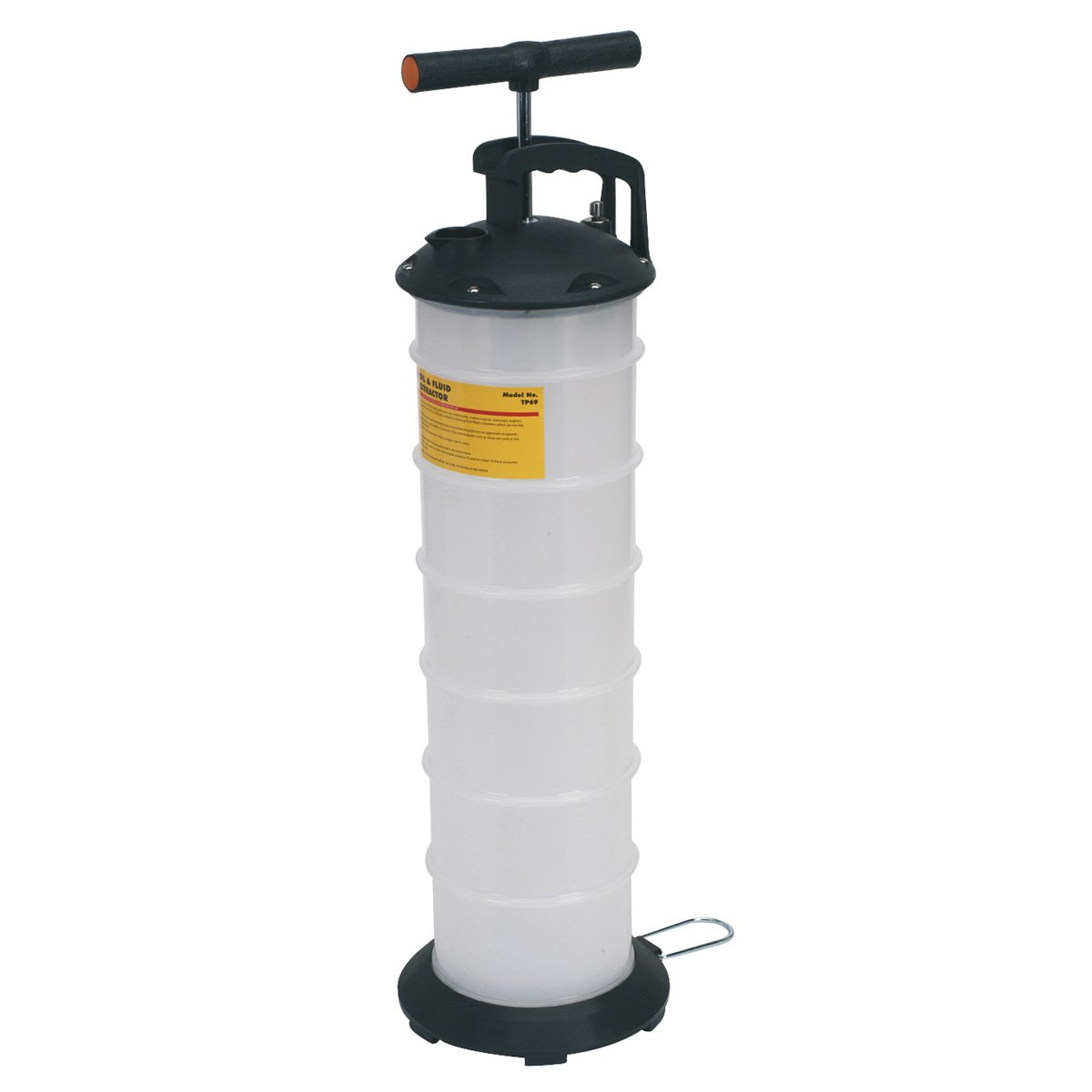
A fluid extractor like this could be a worthwhile buy (hose down the diptube, to withdraw excess)

http://www.amazon.co.uk/Sealey-Manual-Vacuum-Fluid-Extractor/dp/B000RA16CO

51ApbURmo8L._SL1200_.jpg
 
If it blows (due to excess pressure) into the intake it will cause a diesel runaway

"A runaway condition can also result from oil supplied by failure of the oil seals in a turbocharged diesel engine, from overfilling the crankcase with oil, or certain other mechanical problems such as a broken internal fuel pipe or a worn or incorrectly assembled throttle linkage. In vehicles or installations that use both diesel engines and bottled gas (e.g. propane, natural gas, acetylene) or operate in an area where vapors may accumulate, a gas leak drawn back into the engine air intake can supply unintended fuel."
The only thing missing from that list is, VW Passats with the injector wiring loom fault that apparently quite a few have suffered.
 
I had a diesel leak on my van this week, turns out the injector pump needs replacing says my mate whose a mechanic (£170 plus vat). Vans done 60000 miles so having the cambelt done at the same time plus water pump.Total cost £550.

That's my camera put back for a few weeks.
 
If it blows (due to excess pressure) into the intake it will cause a diesel runaway

"A runaway condition can also result from oil supplied by failure of the oil seals in a turbocharged diesel engine, from overfilling the crankcase with oil, or certain other mechanical problems such as a broken internal fuel pipe or a worn or incorrectly assembled throttle linkage. In vehicles or installations that use both diesel engines and bottled gas (e.g. propane, natural gas, acetylene) or operate in an area where vapors may accumulate, a gas leak drawn back into the engine air intake can supply unintended fuel."

A fluid extractor like this could be a worthwhile buy (hose down the diptube, to withdraw excess)

http://www.amazon.co.uk/Sealey-Manual-Vacuum-Fluid-Extractor/dp/B000RA16CO

51ApbURmo8L._SL1200_.jpg

Had exactly that in a van I once owned, ended up costing me two grand to get it fixed including £600 in rental charges for the weeks it took to get the pump rebuilt. Overpressure burst a seal and engine oil got fed into the fuel pump, it shredded itself internally, while the engine went off like a jet, I was damned lucky the engine itself wasn't damaged.

Too much oil = baaad.
 
if your car didn't have an oil flush/clean it will become opaque very quickly so nothing to worry about.

I would look to drain off some oil to prevent pressure/seal damage. You could loosen the drain plug and let it drain out then just re tighten the plug to seal. A little messier but far easier.
 
Had exactly that in a van I once owned, ended up costing me two grand to get it fixed including £600 in rental charges for the weeks it took to get the pump rebuilt. Overpressure burst a seal and engine oil got fed into the fuel pump, it shredded itself internally, while the engine went off like a jet, I was damned lucky the engine itself wasn't damaged.

Too much oil = baaad.

Yeah the issue is the diesel engine can fuel itself on engine oil. Overpressured block, engine oil forced into intake, engine takes off. Turn key off, kills fuel pump but won't matter because the engine is being fed from its own sump (and increasing pressure) so killing the electrics won't matter.

 
just got rid of a picasso 1.6td due to the oil filler cap working lose and throwing oil all over the engine bay ,the problems it caused were unreal sensor lights coming on and off all the time .plus engine management light which in turn led to a oiled up egr valve ,the repair was more than i wanted to pay so i have px it for a mondeo 2.0 tdi ,still got no idea how or why the filler cap came off as i had never had to put oil in it the six months i owned it
 
Yeah the issue is the diesel engine can fuel itself on engine oil. Overpressured block, engine oil forced into intake, engine takes off. Turn key off, kills fuel pump but won't matter because the engine is being fed from its own sump (and increasing pressure) so killing the electrics won't matter.
Move it so the front bumper is pressed against a wall, foot on brakes then drop the clutch so it stalls. Make sure it's a stout wall though!
 
Move it so the front bumper is pressed against a wall, foot on brakes then drop the clutch so it stalls. Make sure it's a stout wall though!

Could you not do all that but without the wall. Surely going into top gear and then braking down to a stall would stop the engine.

Although if it's an auto your screwed
 
Or just drain off the excess and not have to worry about trying to stall the engine nor help the dmf along to an early death in the stalling process.
 
Thanks for the replies everyone. Drove it for a few miles last night to pick up a KFC :D
Still seems OK.
 
There should be a breather hose to bleed off the crankcase pressure, this usually goes into the air filter box, disconnect it from the airbox and feed it into a bottle, but make sure air can escape from the bottle. Fix it up in the engine bay with cable ties. This will allow any excessive crankcase pressure and excessive oil to escape until you can let the excess out. Keep an eye on the bottle though should you need to empty it.
 
Marcel it's only likely to be a problem if the engine is straining, like up a steep hill in low gear.
 
Or just drain off the excess and not have to worry about trying to stall the engine nor help the dmf along to an early death in the stalling process.


I think that may take too long if your sat at a set of traffic lights when it occurs.:p

We had an LR Disco do that at a set of lights. Although we didn't have time to react as the by the time you've realised what was happening the engine had gone bang. Mechanical fuel pump failure I believe.
 
The only thing missing from that list is, VW Passats with the injector wiring loom fault that apparently quite a few have suffered.

Not the only thing missing - some LandRover TDIs suffered from the fuel cut off valve sticking which could leave them chugging away when the "ignition" was turned off. Either stall or try hitting the valve with a broom handle kept in the cab for just that purpose until the replacement part arrives!

Yeah the issue is the diesel engine can fuel itself on engine oil. Overpressured block, engine oil forced into intake, engine takes off. Turn key off, kills fuel pump but won't matter because the engine is being fed from its own sump (and increasing pressure) so killing the electrics won't matter.


Older petrol engines, especially carburetted ones with mechanical fuel pumps used to suffer from "Dieselling" when they got coked up (excessive carbon build up in the combustion chamber). Again, stalling was often the only way to stop the engine.

There should be a breather hose to bleed off the crankcase pressure, this usually goes into the air filter box, disconnect it from the airbox and feed it into a bottle, but make sure air can escape from the bottle. Fix it up in the engine bay with cable ties. This will allow any excessive crankcase pressure and excessive oil to escape until you can let the excess out. Keep an eye on the bottle though should you need to empty it.

Best to block the inlet to the air box since that's sometimes after the filter and you don't really want to let your engine inhale unfiltered air if you plan on keeping it for a while.
 
That was all alot of words I don't understand.
 
That was all alot of words I don't understand.
Go to car, open bonnet, on right hand side is a large rectangular black plastic air filter box. There will be a rubber hose running to the lower half of the box. Remove hose and blank off the hole in the box. Place end of hose in a bottle. Cable tie bottle to something in the car away from moving parts. Make sure the bottle is vented for air to escape. This will release crankcase pressure build up and catch any oil (usually vapour) the oil vapour will stay in the bottle but air will be released from the bottle.
Ultimately though, you really should get the excess oil drained off. Oil should really be at the midway point. I assume the car was on level ground when you checked the oil.
 
Thanks for that reply. I went back and re-read it and kind of understood it...then looked how cold it was outside :D
(My wife has the car today so I can't do anything at the moment :( )

I'm actually tempted to go in and get them to drain some instead. I need to go in to get the reimbursement.
They said they're going to get the guy who did the oil to do it so "I'll send him to the cashpoint this afternoon and ring you back".
They never rung, but I think that's unfair on the lad tbh.
 
When we lived in London one of our neighbours had a Hillman imp (with the engine in the back) and one morning it wouldn't turn over, even though the battery was good. Turns out he wasn't too hot on mechanics, and every few months he added a 'bit more' oil to the engine, because he thought that was what you did. :beer: They'd had the car several years and the engine was effectively full of oil - it hydraulically locked after being topped up beyond what it could manage the previous evening. :rolleyes:

In the case of your oil going black quickly, I understand that happens with diesels because of the soot that blows past the pistons.
 
When we lived in London one of our neighbours had a Hillman imp (with the engine in the back) and one morning it wouldn't turn over, even though the battery was good. Turns out he wasn't too hot on mechanics, and every few months he added a 'bit more' oil to the engine, because he thought that was what you did. :beer: They'd had the car several years and the engine was effectively full of oil - it hydraulically locked after being topped up beyond what it could manage the previous evening. :rolleyes:

In the case of your oil going black quickly, I understand that happens with diesels because of the soot that blows past the pistons.

I went out with a girl once who filled her nissan micra engine to the top of the engine case with oil (this was one where the filler cap was on top of the engine not on a reservoir), basically she brimmed it to the filler cap - because thats what she did with the radiator so why not :bang:

then she wondered why it wouldnt start :lol:
 
this reminds me i must do an oil change on my car, ive only had it 6 years, it should be due one about now
 
Older petrol engines, especially carburetted ones with mechanical fuel pumps used to suffer from "Dieselling" when they got coked up (excessive carbon build up in the combustion chamber). Again, stalling was often the only way to stop the engine.
I had a Marina that did that, richening the mixture (SU carb, so easy) meant the fuel burned at a cooler temperature and mitigated the effect, at least until I could take the head off to decoke it. Nobody seems to do that particular job any more...
 
Not sure if modern fuels have an additive that reduces coking but the phenomenon does seem to have passed into obscurity.

As an aside, my first Landy was an old 2 1/4 NA Diesel Series 2a and had a manual fuel shut off valve. I always kept the handbrake well adjusted and oil free (the handbrake drum was just behind the rear propshaft output and the seals have a tendency to fail...) since it was NOT a good idea to leave it in gear when parked on a hill. Even with the "ignition" off, it could be bump started relatively easily when warm.
 
Not sure if modern fuels have an additive that reduces coking but the phenomenon does seem to have passed into obscurity.
A combination of that and modern cars fuelling and ignition systems being able to reduce the carbon build up.
 
Overfilling engine oil can quite easily blow the crankcase oil seal. Resulting in an oil contaminated clutch plate. Expensive repair.
 
I'm pretty sure a modern engine runs very lean indeed, and with careful shaping of combustion chamber there's very little uncombusted fuel to deposit as carbon. A lean burn also runs hotter, and likewise that will reduce carbon deposition.
 
Back
Top