Very nice capture David, I like that a lot.
So generally best shoot around f/8 - f/5.6 for best sharp results and it shouldn't blow out the white lights etc...? I've never shot 'HDR' via the XT1 and wouldn't know where to start.....(?)
Great advice from all replied -- thank you, keep the advice coming and I'd appreciate any long exposure images shown, thanks.
Peter
Good advice so far, and yes, the problem is that as it gets darker, night scenes can get contrasty beyond the dynamic range of your sensor, particularly when you have artificial lights, which is why David is suggesting blending exposures (I agree).
Your histogram will help a lot, but very small burned out areas may not be obvious, and bracketing exposures is good insurance against missing something.
If you want more advice on this blending technique, Serge Ramelli (who takes a lot of night-time cityscapes, his style is not quite right for me but I learned a lot from him) and Jimmy McIntyre both have very good free video lessons. You don't have to use HDR software - Jimmy blends all of his by hand using luminosity masks, and that's usually my approach too.
That's the other reason to shot in the blue hour - not only is there colour in the sky, the overall contrast of the scene isn't as great.
Whether you will need an ND filter depends somewhat on how much you want to blur the sky, but most people would say not.
Always shoot RAW so you can adjust the white balance later - often, there is no "right" setting and it's a question of what result you prefer.
And yes, in theory you should turn off IS on a tripod, although whether the difference is visible is debatable. You may also find it useful to remove any UV filters, etc. as they can do more harm than good.




 pink/green



 Castlebrae
 My X Family






 Patio Aug 2018
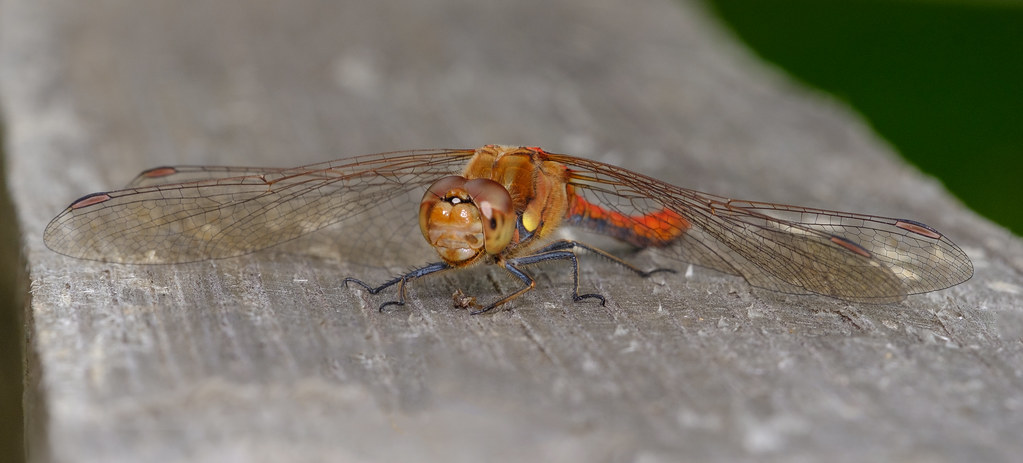
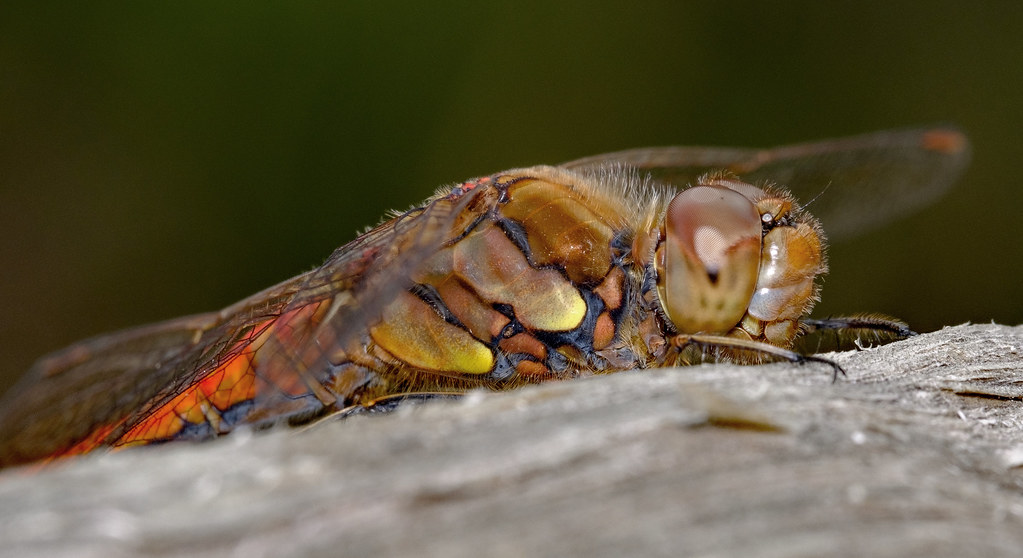

 DSCF3031-Edit
 DSCF3033-Edit-Edit
 DSCF3043-Edit
 DSCF3049-Edit
 DSCF3055-Edit
 DSCF3070-Edit