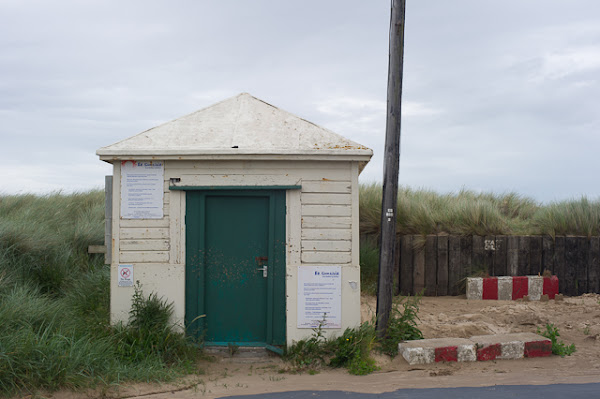
Take that photo, before it is too late.

jonbeeza

Suspended / Banned
Messages
9,388
Name
Jon
Edit My Images
Yes
The council has been changing the street lights in our little road, they are now a bright white. Maybe they are being changed in all areas, I don't know.
There was a lovely old lamp post on the walk way, at the back of the houses and this lit up the path with a lovely colour.

I kept meaning to get a photo of the lamp post when it was lit, possibly with a little mist or fog swirling around it, for that certain look. I just came in at the front of the house, and noticed more lamp posts have been changed. I thought I would go out and get a photo of the old lamp post, at the back of our garden. Just in case that one gets changed also.

Aghhh, it has gone and been replaced by one with a bright light and a swan shaped neck.

I do wish I had of gotten a photo of that old lamp post, and the lovely orangey scene it produced.
 
Ours is a 70's estate and the lamps were not too interesting but they 'updated' all around here to modern brighter lower energy ones and the older ones apart from the awefull sodium lamps were visually better as street furniture.

The other thing we now have is that the lights are all turned off at midnight until 5am :(
 
Our council changed to the pathetic led lighting last year. My mother says its like being in the black out again.
 
Just looking back at some photos from last year, and I did manage to catch the old lamp post. But that was only in the back ground, and daytime so not lit. Oh well never mind, I suppose there are more interesting things to photograph. Just had a look out the door now, and the lamps look very clinical. They produce a very cold looking white light. Much preferred the look of the old orangey lamps and the warm homely colour they produced. But there is obviously a good reason they have been changed.
 
We have one outside our bedroom window and find the new led fitting much less disruptive to sleep than the old sodium fitting.
 
They've just done the lamp posts round here. Some, like the ones on our road, were converted to take the new white LED lamp tops, but it looks like other roads might have had their lamp posts replaced completely (if so, perhaps the conversion tops weren't available for that model of post?). To be honest, I quite like the light colour from the new lamps, it seems much nearer natural moonlight than the sodium-vapour orange things we've had since around the 1970s.

The new light fittings also seem to be far more directional, shining light downwards where it's needed, rather than at 180 degrees and upwards, causing an orange glow all round the neighbourhood. Hopefully, this will go some way towards redressing the light pollution issues (the sky glowing orange) in towns and cities and, as long as the wavelength of the light doesn't upset wildlife such as moths and other insects, that might be a good thing for other nocturnal wildlife species such as bats and owls, and roosting birds might get a better night's sleep too. I really hope they've done some research as to what's best overall when weighing up the benefits and alternatives to sodium vapour lamps, rather than been driven by the 'traditional' lowest common denominator... money! Fingers crossed. (y)
 
Last edited:
They've just done the lamp posts round here. Some, like the ones on our road, were converted to take the new white LED lamp tops, but it looks like other roads might have had their lamp posts replaced completely (if so, perhaps the conversion tops weren't available for that model of post?). To be honest, I quite like the light colour from the new lamps, it seems much nearer natural moonlight than the sodium-vapour orange things we've had since around the 1970s.

The new light fittings also seem to be far more directional, shining light downwards where it's needed, rather than at 180 degrees and upwards, causing an orange glow all round the neighbourhood. Hopefully, this will go some way towards redressing the light pollution issues (the sky glowing orange) in towns and cities and, as long as the wavelength of the light doesn't upset wildlife such as moths and other insects, that might be a good thing for other nocturnal wildlife species such as bats and owls, and roosting birds might get a better night's sleep too. I really hope they've done some research as to what's best overall when weighing up the benefits and alternatives to sodium vapour lamps, rather than been driven by the 'traditional' lowest common denominator... money! Fingers crossed. (y)
No idea, maybe they will help with light pollution. Maybe it was done because they are more energy efficient. Just had a look out the front door at 5am, as the Cat wants to go out. It does look brighter with the new lights, but the colour cast looks very cold, yes I know it is the first of November :).

I will have to do some night photos, to see how they turn out. They may turn out better, as the scene may look like it has been lit by moonlight. :)
 
Just took a photo outside the front door, I must admit the photo does look pretty good. it does look like the area is lit by bright moonlight. The lamp post at the front produced a lovely star burst effect in the photo.
I probably will take more night photos, if that is how the photos are going to turn out. :)

PS

I did not post the photo on here, as the neighbours house numbers are in view etc.
 
Last edited:
All of ours were changed from horrible sodium lamps with their ghastly orange glow to rather nice white LED lights.

No longer is there an orange glow over built up areas as the new lights only point the light downwards. The difference was obvious on a misty night when not all lights had been replaced. The LED lights projected a cone of light down towards where it was needed whilst the old lights sent it everywhere.

Photographers specialising in Milky Way (not the chocolate bar) type photography are very happy about this, as are astronomers. There is a also an environmental impact as the power required is significantly less.


Steve.
 
On few occasions when Teesside to our north had snow cover the orange glow was incredible.
I suppose streetlights will be best with daylight lamps but most of our indoor bulbs are now warm LED and they are great, much better than the ghastly Low Energy things that often barely lasted a year anyway.
 
In the early 1960s my camera was a fixed lens 35mm compact rangefinder I bought cheaply in a junk shop because its shutter was jammed. I fixed it by taking it to bits and cleaning it. I knew that the old Georgian St James Square at the top of Leith Walk in Edinburgh had been cleared of its inhabitants and was due for demolition. I had been telling myself for months that I must go there and photograph it before it was demolished. One morning as I walked up the west side of Calton Hill I looked back at St James Square, and saw a tall crane towering above the buildings. "The wrecking ball crane!" I thought, and decided that I must come back that afternoon with my camera and take what photographs I could.

As usual I didn't. As it turned out I left Edinburgh for London soon after. I'm still kicking myself over having failed to take that opportunity. While I was in London they built the new modern St James Centre, in the style architects refer to as "brutalist", not in itself as bad as it sounds, being derived from the French "brut" meaning "raw", as in Corbusier's love of raw concrete, but in the case of the St James Centre so disliked by many of the locals that they coined the term "Alcatraz Gothic" for that particular variant of the brutalist style. It was possibly Edinburgh's most hated building, and once came quite high up in a poll of Britain's most hated buildings.

How weird that the cycle of modern architectural building and demolition has become so short, and I have lived so long, that the St James Centre which replaced St James Square has now been demolished.

As a consequence of that early traumatic failure I now usually take a camera with me whenever I go out. I now struggle with missing photographic opportunities because I decide that the light is no good and I should come back later, which as usual I never do.
 
In the early 1960s my camera was a fixed lens 35mm compact rangefinder I bought cheaply in a junk shop because its shutter was jammed. I fixed it by taking it to bits and cleaning it. I knew that the old Georgian St James Square at the top of Leith Walk in Edinburgh had been cleared of its inhabitants and was due for demolition. I had been telling myself for months that I must go there and photograph it before it was demolished. One morning as I walked up the west side of Calton Hill I looked back at St James Square, and saw a tall crane towering above the buildings. "The wrecking ball crane!" I thought, and decided that I must come back that afternoon with my camera and take what photographs I could.

As usual I didn't. As it turned out I left Edinburgh for London soon after. I'm still kicking myself over having failed to take that opportunity. While I was in London they built the new modern St James Centre, in the style architects refer to as "brutalist", not in itself as bad as it sounds, being derived from the French "brut" meaning "raw", as in Corbusier's love of raw concrete, but in the case of the St James Centre so disliked by many of the locals that they coined the term "Alcatraz Gothic" for that particular variant of the brutalist style. It was possibly Edinburgh's most hated building, and once came quite high up in a poll of Britain's most hated buildings.

How weird that the cycle of modern architectural building and demolition has become so short, and I have lived so long, that the St James Centre which replaced St James Square has now been demolished.

As a consequence of that early traumatic failure I now usually take a camera with me whenever I go out. I now struggle with missing photographic opportunities because I decide that the light is no good and I should come back later, which as usual I never do.
Many times I say I am going to get a photo before something goes. I get upset when it has gone before I get around to getting that photo.
 
We tend to assume that things which have been around 'forever' always will be. Photograph them anyway. Just in case.

DJL_5724.jpg


_7501270.jpg
 
We tend to assume that things which have been around 'forever' always will be. Photograph them anyway. Just in case.

DJL_5724.jpg


_7501270.jpg

I think most of us think the same, and assume things will stay the same. But things change just when you least expect it.
I was always planning on getting photos of all my family members. I never did as I assumed they would be there always, but some have now passed. I do regret not having photos of them :(
 
Any major modern city has constant regeneration. I also kept putting off taking photos of what I considered at the time were boring mundane shots. Alas now I have only vague memories of how places used to be.
 
The other thing we now have is that the lights are all turned off at midnight until 5am :(

We had ours converted a couple of years ago and, at midnight, they reduce in power so no bright light but enough to be able to see when walking the dogs. (y)
 
We have one outside our bedroom window and find the new led fitting much less disruptive to sleep than the old sodium fitting.
Speak to the council, they'll fit a shroud that stops the light being directed at your house
 
I can't wait until the lights get changed. They are slowly doing ours as they require changing. Crisp, bright white light, easier to see, lower power, they come out great in B&W photos. What's not to like.
 
Any major modern city has constant regeneration. I also kept putting off taking photos of what I considered at the time were boring mundane shots. Alas now I have only vague memories of how places used to be.
It is only when it has gone we miss it. When I go into the City Centre I often take photos of the old streets and houses. There are a lot of back to back houses with little streets being levelled, and new apartments springing up. Areas are changing, so it is good to capture how things were.
 
I can't wait until the lights get changed. They are slowly doing ours as they require changing. Crisp, bright white light, easier to see, lower power, they come out great in B&W photos. What's not to like.

The photo I took last night looked really nice, the new lighting made it look like the scene was lit by moonlight. That's an idea, I may try it in B&W.
 
I much prefer the whiter light. I've actually installed daylight temperature bulbs in my bedroom as it makes me feel more awake first thing and is much more pleasant for working at my desk.
Looking out of the window now, and it certainly does look brighter. It also has a clean fresh look. Might pop outside and take a quick photo.
 
19233-1509562658-e763004ffc880d886bd3fbd1029eb988.jpg


Sorry for the POOP photo, I was outside in my dressing gown and I was freezing. One hand holding the flower thingy, the other hand holding the camera, while trying to stop my dressing gown blowing open. So not after critique on the photo, it is just a quick snap with a compact. The street lamp was about fifteen feet away or so.
 
I can't wait until the lights get changed. They are slowly doing ours as they require changing. Crisp, bright white light, easier to see, lower power, they come out great in B&W photos. What's not to like.

If only, the houses are pitch, the front paths are pitch and you cant even see the front gate latch. It must be that we have got some rejected stock that was going cheap.

Nothing like the lovely lighting Leamington Spa has enjoyed for years.
 
Last edited:
All this new lighting will certainly change the look of night photos, probably for the better.
 
Back
Top