

You are using an out of date browser. It may not display this or other websites correctly.
You should upgrade or use an alternative browser.
You should upgrade or use an alternative browser.
Sanity check, small modifiers from long distances... I don't get it.
- Thread starter sk66
- Start date


MFlip
Suspended / Banned
- Messages
- 332
- Name
- Mark
- Edit My Images
- No
You did see the "approximately symbol" (~) right? I understand HSS...
That's displaying a straight minus symbol on my display so probably where the confusion has come in......... Now I've quoted you it's showing a squiggly line, in the entry box.
I should add I know nothing about HSS so hadn't noticed the relevance of the display error. (An interesting thread none the less)
mike weeks
Suspended / Banned
- Messages
- 4,881
- Name
- mike
- Edit My Images
- No
That's displaying a straight minus symbol on my display so probably where the confusion has come in......... Now I've quoted you it's showing a squiggly line, in the entry box.
I should add I know nothing about HSS so hadn't noticed the relevance of the display error. (An interesting thread none the less)
Same here but see that lose 2 stops so often and it is not an accurate answer so I answered to help all.
Mike
OP

sk66
Suspended / Banned
- Messages
- 9,557
- Name
- Steven
- Edit My Images
- Yes
Well, instead of just posting this here and complaining I decided to write to ProFoto:
"Subject: Very disappointed in your advertising. At best I would call it misleading...
To whom it may concern,
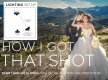
I subscribe to Rangefinder magazine and your advertisement (how I got that shot) in the Dec 2015 issue caught my eye. It caught my eye because I wondered why a “professional” would use a small softbox from a long distance when the only thing it does is waste power. So I looked more closely.
And, as expected, what little added light is evident in the image was indeed “hard.” The softbox was pointless. I have no problem with the light being “hard,” I have a problem with portraying the softbox as being beneficial. But perhaps worse than that, the image is very heavily edited; probably a composite. A 2’x3’ softbox producing that kind of light would be evident on the boat and the tree due to spread and lack of falloff. So, I believe the light was used (somewhat poorly), but it didn’t have a lot to do with creating that image.
I then looked at the Jan 2016 advertisement. This one is even worse. *If* the light was used and contributed to the image, it certainly didn’t come from 45* rt. You simply can't kill hard sun w/ a 2’x3’ softbox for two people full length and have it be “soft.” IMHO, this image looks like "shadow recovery” more than anything else. Your products used as described/illustrated had little/nothing to do with that image.
But the Feb 2016 advertisement is the worst of the three I looked at. There is no chance the light/modifier contributed to that image in any way. If it had done anything at all the BG (and the man in it) would have dropped in exposure. And what’s perhaps worse is the photographer purports using/needing HSS… That camera will sync up to 1/1600 w/o HSS. If he did use HSS for a 1/640 shutter speed the only thing he did was waste/loose ~ 2 stops of power. But I guess that doesn’t really matter since no light made it into the image.
Just to be certain I wasn’t being unfair or missing something I discussed this with a few others who’s knowledge/opinions I respect, and they all agree with me.
While I don’t personally own any ProFoto equipment, I know it to be of high quality and well respected in the professional community. But I do not think these examples are providing your brand any benefit in that regards. In fact, if anything the opposite is true. And that’s a shame.
Signed,
Steven Kersting
PS: the advertisements discussed are attached for your convenience."
We'll see what becomes of it.
Here is the Jan ad since I hadn't gone thru the effort to copy/share it before. The image went most of two pages... it's not all shown here.
"Subject: Very disappointed in your advertising. At best I would call it misleading...
To whom it may concern,
I subscribe to Rangefinder magazine and your advertisement (how I got that shot) in the Dec 2015 issue caught my eye. It caught my eye because I wondered why a “professional” would use a small softbox from a long distance when the only thing it does is waste power. So I looked more closely.
And, as expected, what little added light is evident in the image was indeed “hard.” The softbox was pointless. I have no problem with the light being “hard,” I have a problem with portraying the softbox as being beneficial. But perhaps worse than that, the image is very heavily edited; probably a composite. A 2’x3’ softbox producing that kind of light would be evident on the boat and the tree due to spread and lack of falloff. So, I believe the light was used (somewhat poorly), but it didn’t have a lot to do with creating that image.
I then looked at the Jan 2016 advertisement. This one is even worse. *If* the light was used and contributed to the image, it certainly didn’t come from 45* rt. You simply can't kill hard sun w/ a 2’x3’ softbox for two people full length and have it be “soft.” IMHO, this image looks like "shadow recovery” more than anything else. Your products used as described/illustrated had little/nothing to do with that image.
But the Feb 2016 advertisement is the worst of the three I looked at. There is no chance the light/modifier contributed to that image in any way. If it had done anything at all the BG (and the man in it) would have dropped in exposure. And what’s perhaps worse is the photographer purports using/needing HSS… That camera will sync up to 1/1600 w/o HSS. If he did use HSS for a 1/640 shutter speed the only thing he did was waste/loose ~ 2 stops of power. But I guess that doesn’t really matter since no light made it into the image.
Just to be certain I wasn’t being unfair or missing something I discussed this with a few others who’s knowledge/opinions I respect, and they all agree with me.
While I don’t personally own any ProFoto equipment, I know it to be of high quality and well respected in the professional community. But I do not think these examples are providing your brand any benefit in that regards. In fact, if anything the opposite is true. And that’s a shame.
Signed,
Steven Kersting
PS: the advertisements discussed are attached for your convenience."
We'll see what becomes of it.
Here is the Jan ad since I hadn't gone thru the effort to copy/share it before. The image went most of two pages... it's not all shown here.
OP
sk66
Suspended / Banned
- Messages
- 9,557
- Name
- Steven
- Edit My Images
- Yes
The specific HSS loss will vary with camera, light, and triggering. But IMO/IME ≤ 1 stop is atypical... That said, I haven't done extensive/empirical testing to know *exactly* what the losses are with my equipment.Same here but see that lose 2 stops so often and it is not an accurate answer so I answered to help all.
Mike

Garry Edwards
Moderator
- Messages
- 13,475
- Name
- Garry Edwards
- Edit My Images
- No
A pity that you didn't also point out that the light on the subject that purported to come from the softbox in each example would have come from a totally different direction, i.e. much higher than the softbox would have placed it, but not to worry - any response will be interesting, please keep us in the loop.Well, instead of just posting this here and complaining I decided to write to ProFoto:
"Subject: Very disappointed in your advertising. At best I would call it misleading...
To whom it may concern,
I subscribe to Rangefinder magazine and your advertisement (how I got that shot) in the Dec 2015 issue caught my eye. It caught my eye because I wondered why a “professional” would use a small softbox from a long distance when the only thing it does is waste power. So I looked more closely.
And, as expected, what little added light is evident in the image was indeed “hard.” The softbox was pointless. I have no problem with the light being “hard,” I have a problem with portraying the softbox as being beneficial. But perhaps worse than that, the image is very heavily edited; probably a composite. A 2’x3’ softbox producing that kind of light would be evident on the boat and the tree due to spread and lack of falloff. So, I believe the light was used (somewhat poorly), but it didn’t have a lot to do with creating that image.
I then looked at the Jan 2016 advertisement. This one is even worse. *If* the light was used and contributed to the image, it certainly didn’t come from 45* rt. You simply can't kill hard sun w/ a 2’x3’ softbox for two people full length and have it be “soft.” IMHO, this image looks like "shadow recovery” more than anything else. Your products used as described/illustrated had little/nothing to do with that image.
But the Feb 2016 advertisement is the worst of the three I looked at. There is no chance the light/modifier contributed to that image in any way. If it had done anything at all the BG (and the man in it) would have dropped in exposure. And what’s perhaps worse is the photographer purports using/needing HSS… That camera will sync up to 1/1600 w/o HSS. If he did use HSS for a 1/640 shutter speed the only thing he did was waste/loose ~ 2 stops of power. But I guess that doesn’t really matter since no light made it into the image.
Just to be certain I wasn’t being unfair or missing something I discussed this with a few others who’s knowledge/opinions I respect, and they all agree with me.
While I don’t personally own any ProFoto equipment, I know it to be of high quality and well respected in the professional community. But I do not think these examples are providing your brand any benefit in that regards. In fact, if anything the opposite is true. And that’s a shame.
Signed,
Steven Kersting
PS: the advertisements discussed are attached for your convenience."
We'll see what becomes of it.
Here is the Jan ad since I hadn't gone thru the effort to copy/share it before. The image went most of two pages... it's not all shown here.
View attachment 57536
mike weeks
Suspended / Banned
- Messages
- 4,881
- Name
- mike
- Edit My Images
- No
The specific HSS loss will vary with camera, light, and triggering. But IMO/IME ≤ 1 stop is atypical... That said, I haven't done extensive/empirical testing to know *exactly* what the losses are with my equipment.
I did, because I could not find a definitive answer and so far they all follow a pattern.
Shoot at 1/250 (max sync speed) at full power and ISO100 - adjust aperture to get a full tone exposure
Shoot 1/320 (In HSS mode) and adjust ISO to match histogram
Shoot 1/500 etc. etc.
As near as damn it the shot at 1/500 has been at ISO 400, at 1/1000 ISO 800 and so on
This test is not perfect but there is no change in the light pattern and no change in aperture, the issue is tonal representation (usually compression) at different ISOs and only having 1/3 stops
What this means though is that I can meter in non HSS and work out reasonably accurately what I am getting at different shutter speeds with HSS
Mike
OP
sk66
Suspended / Banned
- Messages
- 9,557
- Name
- Steven
- Edit My Images
- Yes
If it works for you, that's all that matters.I did, because I could not find a definitive answer and so far they all follow a pattern.

OP
sk66
Suspended / Banned
- Messages
- 9,557
- Name
- Steven
- Edit My Images
- Yes
I didn't want to make it too involved/bitchy. I figure that if they give it any attention at all they would at least take it to someone in their organization with some actual lighting knowledge for confirmation (rather than taking my word for it).A pity that you didn't also point out that the light on the subject that purported to come from the softbox in each example would have come from a totally different direction, i.e. much higher than the softbox would have placed it, but not to worry - any response will be interesting, please keep us in the loop.
The best I could come up with was info@profoto.com... and knowing the web/e-mail/business, I won't be surprised if nothing comes of it.

Cistron
Suspended / Banned
- Messages
- 1,231
- Name
- Mike
- Edit My Images
- Yes
Tweet it. That usually get's manufacturers' attention. Worked for me for Lastolite and their shoddy pop-up backgrounds.I didn't want to make it too involved/bitchy. I figure that if they give it any attention at all they would at least take it to someone in their organization with some actual lighting knowledge for confirmation (rather than taking my word for it).
The best I could come up with was info@profoto.com... and knowing the web/e-mail/business, I won't be surprised if nothing comes of it.
Cistron
Suspended / Banned
- Messages
- 1,231
- Name
- Mike
- Edit My Images
- Yes
Ah, come on, vintage '66 isn't quite geriatric yetTweet? I can barely whistle...

Btw, didn't mention it earlier. I like your letter.
Garry Edwards
Moderator
- Messages
- 13,475
- Name
- Garry Edwards
- Edit My Images
- No
More of the same?
These shots may have been taken with their new beauty dish - or the lighting effects may have been created in PP.
What is very clear though is that if the light was used at all, it wasn't placed where they show it to have been placed, and it's also clear that the inverse square law doesn't apply to their lights either
http://profoto.com/offcameraflash/h...ings-out-the-beauty-with-the-ocf-beauty-dish/
Why, when it's so much easier and better to use light, not PP?
These shots may have been taken with their new beauty dish - or the lighting effects may have been created in PP.
What is very clear though is that if the light was used at all, it wasn't placed where they show it to have been placed, and it's also clear that the inverse square law doesn't apply to their lights either
http://profoto.com/offcameraflash/h...ings-out-the-beauty-with-the-ocf-beauty-dish/
Why, when it's so much easier and better to use light, not PP?
OP
sk66
Suspended / Banned
- Messages
- 9,557
- Name
- Steven
- Edit My Images
- Yes
Looks like it was used to create "round catchlights"....More of the same?
These shots may have been taken with their new beauty dish - or the lighting effects may have been created in PP.
What is very clear though is that if the light was used at all, it wasn't placed where they show it to have been placed, and it's also clear that the inverse square law doesn't apply to their lights either
http://profoto.com/offcameraflash/h...ings-out-the-beauty-with-the-ocf-beauty-dish/
Why, when it's so much easier and better to use light, not PP?
OP
sk66
Suspended / Banned
- Messages
- 9,557
- Name
- Steven
- Edit My Images
- Yes
Here's the latest Rangefinder "how I got that shot" ad. This one is kind of believable if you read the description and add in some considerations not included. But I doubt anyone would guess how it was lit from looking at it.

Garry Edwards
Moderator
- Messages
- 13,475
- Name
- Garry Edwards
- Edit My Images
- No
Are the catchlights even genuine? I'm not at all sure that they are.Looks like it was used to create "round catchlights"....
Looking at the fabric beauty dish, I can't help wondering why they've only got 8 rods, because 8 is nowhere near enough, and at Profoto prices I'd expect them to spend more to get more.
But their's is the only deflector I've seen that is actually designed properly and positioned where it should be. I know where all of the other versions are made and it's clear that the guy who "designed" them isn't into physics


itsdavedotnet
Suspended / Banned
- Messages
- 5,864
- Edit My Images
- No
I've got to disagree with quite a few bits that have been posted in this thread, the softbox in the original post will definitely change the shape and edges of the light compared to a bare B1.
However, some of you may chuckle at what's missing from her hotshoe in the big image on this page...
http://profoto.com/offcameraflash/
However, some of you may chuckle at what's missing from her hotshoe in the big image on this page...
http://profoto.com/offcameraflash/
simonbarker
Suspended / Banned
- Messages
- 2,249
- Edit My Images
- No
However, some of you may chuckle at what's missing from her hotshoe in the big image on this page...
You'd think they'd have a spare to make the shot look genuine but I can't really blame them for just handing it over to the person taking the shot.

petr | 2zone studio
Suspended / Banned
- Messages
- 4
- Name
- Petr
- Edit My Images
- Yes
Interesting discussion, guys. So what you basically claim is, that once I shoot from the bigger distance, it just does not matter, if I use some soft/deep box, or the ordinary reflector, and that the light is going to have the same characteristics, e.g. being hard? It reminds me of my Elinchrom supplier, who told me, that if I am going to use Deep Octa from more than 1.5-1.8m, it loses its purpose it was made for.
Well, but also "bare bulb" was mentioned in the initial post. I still think, that whatever modifier, if it directs the light towards the target, is still useful to not waste the power? Sorry if missunderstood, maybe my English is a bit of a barrier here ...
Well, but also "bare bulb" was mentioned in the initial post. I still think, that whatever modifier, if it directs the light towards the target, is still useful to not waste the power? Sorry if missunderstood, maybe my English is a bit of a barrier here ...
Garry Edwards
Moderator
- Messages
- 13,475
- Name
- Garry Edwards
- Edit My Images
- No
Let's deal with one issue at a time...
Yes, there is a formulae that relates to softboxes. Once the softbox is used at a distance greater than the diagonal of its front, it no longer behaves like a softbox. This is due to the effect of the inverse square law, i.e. when it is twice as far away, it is effectly only 1/4 of its size. This is the reason why those stupid little softboxes and beauty dishes that fit over hotshoe flashguns are totally useless - they can only work when the light to subject distance is no more than a few inches.
Next point - yes, any source of light can be useful, regardless of how small it may be and regardless of its power, sometimes just a tiny pin prick of light can make a big difference, which is why studio photographers like myself often include a tiny hotshoe flashgun to add a little light, sometimes smaller can be better.
But this thread is about the Profoto adverts where anyone who knows anything at all about lighting can see at a glance that the so called lighting effects are added on the computer - no lights were used in the shot whatsoever. In some examples, they haven't even bothered to fit a radio trigger to the camera hotshoe, which means that the light that is in the photo could not have fired. In some cases, because the light was so far from the subject, even if it had fired, it could not have produced the lighting effect that they show. In some examples, even if the light had fired, and even if it had been close enough to produce the claimed effect, it still could not have produced that effect because it was in the wrong place (too low, at the wrong angle, or both).
I think it is laughable that a well known company with a good reputation for their products chooses to set out to deceive their customers in this way, it does not indicate that they have any respect for their customers at all. And, equally strangely from my perspective - why try to deceive people in this way when they could so easily produce the claimed results by actually using the lights that they claim to use and by simply positioning them correctly?
Yes, there is a formulae that relates to softboxes. Once the softbox is used at a distance greater than the diagonal of its front, it no longer behaves like a softbox. This is due to the effect of the inverse square law, i.e. when it is twice as far away, it is effectly only 1/4 of its size. This is the reason why those stupid little softboxes and beauty dishes that fit over hotshoe flashguns are totally useless - they can only work when the light to subject distance is no more than a few inches.
Next point - yes, any source of light can be useful, regardless of how small it may be and regardless of its power, sometimes just a tiny pin prick of light can make a big difference, which is why studio photographers like myself often include a tiny hotshoe flashgun to add a little light, sometimes smaller can be better.
But this thread is about the Profoto adverts where anyone who knows anything at all about lighting can see at a glance that the so called lighting effects are added on the computer - no lights were used in the shot whatsoever. In some examples, they haven't even bothered to fit a radio trigger to the camera hotshoe, which means that the light that is in the photo could not have fired. In some cases, because the light was so far from the subject, even if it had fired, it could not have produced the lighting effect that they show. In some examples, even if the light had fired, and even if it had been close enough to produce the claimed effect, it still could not have produced that effect because it was in the wrong place (too low, at the wrong angle, or both).
I think it is laughable that a well known company with a good reputation for their products chooses to set out to deceive their customers in this way, it does not indicate that they have any respect for their customers at all. And, equally strangely from my perspective - why try to deceive people in this way when they could so easily produce the claimed results by actually using the lights that they claim to use and by simply positioning them correctly?
OP
sk66
Suspended / Banned
- Messages
- 9,557
- Name
- Steven
- Edit My Images
- Yes
Interesting discussion, guys. So what you basically claim is, that once I shoot from the bigger distance, it just does not matter, if I use some soft/deep box, or the ordinary reflector, and that the light is going to have the same characteristics, e.g. being hard? It reminds me of my Elinchrom supplier, who told me, that if I am going to use Deep Octa from more than 1.5-1.8m, it loses its purpose it was made for.
Well, but also "bare bulb" was mentioned in the initial post. I still think, that whatever modifier, if it directs the light towards the target, is still useful to not waste the power? Sorry if missunderstood, maybe my English is a bit of a barrier here ...
Yes; a simplified explanation:
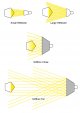
There are essentially two types of modifiers in terms of the light falling on the subject. There are restrictors, such as reflectors, barn doors, snoots, flags, etc. And there are diffusers. Many think of them in similar terms, as controlling the size/area of light. But they do entirely different things.
A restrictor only modifies size/area of coverage... and as such the light from it is from a single source, the light rays falling on the subject are nearly parallel and are always "hard."
A diffuser, on the other hand, also breaks the light up into a huge number of light sources. Every point on the surface is a separate light source with a separate "fan of light." It's these separate fans of light that provide "wrap" and make the light from a diffuser "soft" when used close.
But when used from longer distances the only light falling on the subject is the rays that are nearly parallel and the light looses it's wrap and softness... it becomes "hard" again. Once the light falling on the subject is only the parallel rays you cannot make it harder by moving it father away. You can only affect the relative strength/power.
Last edited:

treeman
Suspended / Banned
- Messages
- 4,094
- Name
- Mark
- Edit My Images
- No
But this thread is about the Profoto adverts where anyone who knows anything at all about lighting can see at a glance that the so called lighting effects are added on the computer - no lights were used in the shot whatsoever. In some examples, they haven't even bothered to fit a radio trigger to the camera hotshoe, which means that the light that is in the photo could not have fired.
Obviously the the trigger was on the camera of the photographer taking the BTS shot, otherwise how else could they have captured an image of the flash firing?
Maybe they should have put another trigger on the photographers camera that's in the BTS image, for effect, but no doubt you'd complain that how could they have taken the BTS image if the trigger was on her camera!
I may be wrong but I don't see Profoto saying anywhere, "here is an actual BTS image taken at the exact same time as the main advertising image was taken", I think you're reading a little bit too much into this.
OP
sk66
Suspended / Banned
- Messages
- 9,557
- Name
- Steven
- Edit My Images
- Yes
The point is; the BTS image, the lighting diagram, and the description all indicate how the image was created. And in every case the image is not a direct result of them.I may be wrong but I don't see Profoto saying anywhere, "here is an actual BTS image taken at the exact same time as the main advertising image was taken", I think you're reading a little bit too much into this.
The reason I said the last image is almost believable is there was not a BTS image. If you read the description loosely and you modify the lighting diagram appropriately (significantly), then that image could be a result of the lighting described.
treeman
Suspended / Banned
- Messages
- 4,094
- Name
- Mark
- Edit My Images
- No
So are you saying in the first shot of the man on the boat, its not being lit from the camera right, bearing in mind the BTS image was not necessarily taken at the exact moment the final image was taken? So we have no idea how far away the modifier was. And we know the diagram is not meant to be to scale either.
I agree its hard to work out whats going on in the image of the woman under the trees, maybe the shadows would be a lot darker without a bit of fill, who knows, yes, it isn't a good example, but hardly misleading, surely? Just a crap advert.
And the image of the bridal couple is being lit with a light, camera right and at 45 degrees from the ground, look at the shadows on the top of her dress.
I agree its hard to work out whats going on in the image of the woman under the trees, maybe the shadows would be a lot darker without a bit of fill, who knows, yes, it isn't a good example, but hardly misleading, surely? Just a crap advert.
And the image of the bridal couple is being lit with a light, camera right and at 45 degrees from the ground, look at the shadows on the top of her dress.

Phil V
Suspended / Banned
- Messages
- 26,303
- Name
- Phil
- Edit My Images
- No
So are you saying in the first shot of the man on the boat, its not being lit from the camera right, bearing in mind the BTS image was not necessarily taken at the exact moment the final image was taken? So we have no idea how far away the modifier was. And we know the diagram is not meant to be to scale either.
I agree its hard to work out whats going on in the image of the woman under the trees, maybe the shadows would be a lot darker without a bit of fill, who knows, yes, it isn't a good example, but hardly misleading, surely? Just a crap advert.
And the image of the bridal couple is being lit with a light, camera right and at 45 degrees from the ground, look at the shadows on the top of her dress.
I'm sorry but that's close to a fanboy response.
The 1st, you're right there's light from that direction, but whilst the BTS isn't supposed to be to scale, it's miles away from a true reflection of the lighting on the image.
The 2nd we'll agree is just rubbish.
The bride and groom? Yes there's a shadow at the top of the dress, and from the necklace too, that show the light was from camera left not right. And there is no sign whatsoever on their faces of that low light, due either to additional lighting not shown in the BTS or very heavy PP.
If the pictures were just purporting to be shot with Profoto gear, no one would have an issue, but it's the fact they're supposedly 'instructional' and you can't pretend that you could get those images shooting to their instructions, or even close to them.
My mrs' lighting expertise goes no further than being a VAL or occasionally firing a camera when I've done the hard work, but she looked at those images and said 'who are they trying to kid?'
treeman
Suspended / Banned
- Messages
- 4,094
- Name
- Mark
- Edit My Images
- No
Phil, I was actually replying to Garry who said that there was no lighting used and it was all done in PP,
"But this thread is about the Profoto adverts where anyone who knows anything at all about lighting can see at a glance that the so called lighting effects are added on the computer - no lights were used in the shot whatsoever."
However, you’ve agreed that there was a light to the camera right, (in the first image) which is all the diagram suggests.
I say again, you’re reading too much into this, its not a tutorial on how to light something, its just an advert.
Now maybe I need a sanity check, but if you look at the top of the dress on the bridal couple, you will see a hard shadow on the right cup (thats our right) and a softer falling off shadow on the left cup, which unless my brains gone, suggest a light to the camera right, theres even a shadow on the guys face from the girls head.
Of course there may well be sheds loads of other stuff going on, including no doubt some PP, but to keep pulling these adverts apart, is all sounding a bit desperate to me.
Admittedly I've not seen the originals but these are just adverts and aren't actually mean to be a detailed tutorial with diagrams on how to get the exact same shot, or have I missed something, as you all seem to think otherwise?
"But this thread is about the Profoto adverts where anyone who knows anything at all about lighting can see at a glance that the so called lighting effects are added on the computer - no lights were used in the shot whatsoever."
However, you’ve agreed that there was a light to the camera right, (in the first image) which is all the diagram suggests.
I say again, you’re reading too much into this, its not a tutorial on how to light something, its just an advert.
Now maybe I need a sanity check, but if you look at the top of the dress on the bridal couple, you will see a hard shadow on the right cup (thats our right) and a softer falling off shadow on the left cup, which unless my brains gone, suggest a light to the camera right, theres even a shadow on the guys face from the girls head.
Of course there may well be sheds loads of other stuff going on, including no doubt some PP, but to keep pulling these adverts apart, is all sounding a bit desperate to me.
Admittedly I've not seen the originals but these are just adverts and aren't actually mean to be a detailed tutorial with diagrams on how to get the exact same shot, or have I missed something, as you all seem to think otherwise?
Phil V
Suspended / Banned
- Messages
- 26,303
- Name
- Phil
- Edit My Images
- No
Well the series of adverts is titled 'How I got that shot', they contain a photo, a BTS, and a description of the gear used and how it was used.
That's fairly unambiguous, to read that as 'it's not a tutorial' is you describing a vagueness that's not implied by their words or images.
You've also quoted Garry's reaction to the first image and extrapolated it to images not seen at the time to prove its not true. Bending time to make a point is odd.
Back to our B&G, the 'shadow' on the grooms face is the natural shadow of his face from the light coming in over his right shoulder. If it was the result of the same flash that's caused the shadow from the dress and necklace it'd be much harder, and again, look at the shadow from the necklace (you've ignored) caused by the same light that caused the one from the dress, and clearly from camera left.
I've said it before (as have others) profoto make great gear and if I could justify the cost I'd buy it in a shot, it's not about that. As I said at the head of this response, they are professing instructions which are simply impossible.
That's fairly unambiguous, to read that as 'it's not a tutorial' is you describing a vagueness that's not implied by their words or images.
You've also quoted Garry's reaction to the first image and extrapolated it to images not seen at the time to prove its not true. Bending time to make a point is odd.
Back to our B&G, the 'shadow' on the grooms face is the natural shadow of his face from the light coming in over his right shoulder. If it was the result of the same flash that's caused the shadow from the dress and necklace it'd be much harder, and again, look at the shadow from the necklace (you've ignored) caused by the same light that caused the one from the dress, and clearly from camera left.
I've said it before (as have others) profoto make great gear and if I could justify the cost I'd buy it in a shot, it's not about that. As I said at the head of this response, they are professing instructions which are simply impossible.
treeman
Suspended / Banned
- Messages
- 4,094
- Name
- Mark
- Edit My Images
- No
Well the series of adverts is titled 'How I got that shot', they contain a photo, a BTS, and a description of the gear used and how it was used.
That's fairly unambiguous, to read that as 'it's not a tutorial' is you describing a vagueness that's not implied by their words or images.
Sorry, I obviously see things differently, once I see the word "advert" huge pinches of salt need to be taken, but maybe I'm cynical. If this was an editorial piece, agreed, it would be pretty shoddy as an explanation of the shot, but i don't believe its meant to be.
You've also quoted Garry's reaction to the first image and extrapolated it to images not seen at the time to prove its not true. Bending time to make a point is odd.
I'm not bending time, he said that in post 60, after all the images had been posted.
Back to our B&G, the 'shadow' on the grooms face is the natural shadow of his face from the light coming in over his right shoulder. If it was the result of the same flash that's caused the shadow from the dress and necklace it'd be much harder, and again, look at the shadow from the necklace (you've ignored) caused by the same light that caused the one from the dress, and clearly from camera left.
.
I'm not disagreeing with you, theres no doubt that there's light coming from the left, but that's why I said there's other stuff going on. There could be a great big white wall just out of shot bouncing all that sunlight back in, who knows? If you can't see a light coming in from the right as well though fine, but I can, we'll have to agree to disagree.
These certainly aren't the best images to show off their gear and why they're choosing them I've no idea, though interestingly, there are far better ones on the B1 &B2 Facebook user group page!
Garry Edwards
Moderator
- Messages
- 13,475
- Name
- Garry Edwards
- Edit My Images
- No
Well, I wouldn't buy it in a shot, the outstanding brand isn't Profoto, it's Bron. Bron in the brand that is used in the really successful, busy studios worldwide, and which is really built to last.
But Bron don't try to deceive their customers and prospective customers, in fact they do virtually no marketing at all.
Profoto are very good at marketing, and the fact that most of the Profoto fanboys on this forum are keeping stum about these deceptive adverts suggests to me that they're getting away with it.
I had to smile at their latest offering, a folding "Beauty Dish" that isn't a beauty dish at all http://www.lightingrumours.com/profoto-ocf-beauty-dish-8066
I liked this quote "The idea of a folding beauty dish is not new: Profoto joins a bandwagon of manufacturers including Falcon Eyes, Aurora Litebank, Lastolite, Godox, Hensel, Multiblitz and Pixapro who have already released their own interpretation of the collapsible fabric beauty dish lighting accessory."
In fact, that lineup includes only one manufacturer, which has made a very bad copy of another very bad copy of the one made by Chimera, the factory that made the original bad copy is just a factory, it doesn't know anything about lighting or physics. And now Profoto has developed their version, which appears to have the same faults.
This, together with their B2, makes me wonder whether Profoto are now going seriously downmarket (in terms of fitness for purpose etc, not price).
But Bron don't try to deceive their customers and prospective customers, in fact they do virtually no marketing at all.
Profoto are very good at marketing, and the fact that most of the Profoto fanboys on this forum are keeping stum about these deceptive adverts suggests to me that they're getting away with it.
I had to smile at their latest offering, a folding "Beauty Dish" that isn't a beauty dish at all http://www.lightingrumours.com/profoto-ocf-beauty-dish-8066
I liked this quote "The idea of a folding beauty dish is not new: Profoto joins a bandwagon of manufacturers including Falcon Eyes, Aurora Litebank, Lastolite, Godox, Hensel, Multiblitz and Pixapro who have already released their own interpretation of the collapsible fabric beauty dish lighting accessory."
In fact, that lineup includes only one manufacturer, which has made a very bad copy of another very bad copy of the one made by Chimera, the factory that made the original bad copy is just a factory, it doesn't know anything about lighting or physics. And now Profoto has developed their version, which appears to have the same faults.
This, together with their B2, makes me wonder whether Profoto are now going seriously downmarket (in terms of fitness for purpose etc, not price).
simonbarker
Suspended / Banned
- Messages
- 2,249
- Edit My Images
- No
But Bron don't try to deceive their customers and prospective customers, in fact they do virtually no marketing at all.
This is incorrect, they have exactly the same kind of how I got this shot stuff if you look for it and shockingly they used lots of post processing on the final shots, what are these companies coming to? The real difference in marketing is Bron do a terrible job in the UK, perhaps they're better elsewhere but I sometimes wonder if they even have someone handling marketing for them in the UK.
Profoto are very good at marketing, and the fact that most of the Profoto fanboys on this forum are keeping stum about these deceptive adverts suggests to me that they're getting away with it.
If you want to label people there's barely 2 you could call Profoto fanboys and why are they supposed to rally to Profoto's defense? I don't see any point in attacking those adverts because they're light marketing fluff and I don't see you lambasting Elinchrom for having a photo which was done with completely different lighting so why the chip on the shoulder over Profoto?
I had to smile at their latest offering, a folding "Beauty Dish" that isn't a beauty dish at all http://www.lightingrumours.com/profoto-ocf-beauty-dish-8066
So how does it differ immensely from the Broncolor version you were waxing lyrical about? The Broncolor may be an excellent product but it seems like a double standard to just assume theirs is well designed.
This, together with their B2, makes me wonder whether Profoto are now going seriously downmarket (in terms of fitness for purpose etc, not price).
What do these adverts have to do with how fit for purpose their equipment is?

Jayst84
Suspended / Banned
- Messages
- 5,092
- Name
- James
- Edit My Images
- No
The wedding one does look a bit odd to me. Seems there is a light source camera right, looks 'reflector-y' to me, but then when you take a look at the 10 person group shot taken at the same time, it looks like it was all just done in post with the natural available light. That, or they took a long time shooting it and then comped it all together, which I doubt.
Anyway, wish I could charge six grand a day, and then have Profoto throw gear and cash at me as well (whether I used it for my photos or not ).
Anyway, wish I could charge six grand a day, and then have Profoto throw gear and cash at me as well (whether I used it for my photos or not
).
Last edited:
Garry Edwards
Moderator
- Messages
- 13,475
- Name
- Garry Edwards
- Edit My Images
- No
I don't have a chip on my shoulder about Profoto at all. What I am strongly against is deceptive advertising, and I believe that Profoto have set out to deceive people into believing that these shots were created with lighting when in fact they were not. In my book, that's wrong.This is incorrect, they have exactly the same kind of how I got this shot stuff if you look for it and shockingly they used lots of post processing on the final shots, what are these companies coming to? The real difference in marketing is Bron do a terrible job in the UK, perhaps they're better elsewhere but I sometimes wonder if they even have someone handling marketing for them in the UK.
If you want to label people there's barely 2 you could call Profoto fanboys and why are they supposed to rally to Profoto's defense? I don't see any point in attacking those adverts because they're light marketing fluff and I don't see you lambasting Elinchrom for having a photo which was done with completely different lighting so why the chip on the shoulder over Profoto?
So how does it differ immensely from the Broncolor version you were waxing lyrical about? The Broncolor may be an excellent product but it seems like a double standard to just assume theirs is well designed.
What do these adverts have to do with how fit for purpose their equipment is?
The fact that the watchdog that is supposed to oversee the truth of advertising sometimes seems to be fast asleeep isn't the point, companies should advertise honestly.
If other firms are also setting out to deceive people then that is wrong too, and if i had seen similar adverts from other people then I would have made comments about those adverts too. The reason that I haven't made similar comments about other adverts is simply that I haven't seen deceptive adverts from other firms (well, there is one that I've seen, where they make a completely false statement about the product they are selling, but they are not a manufacturer). Perhaps I should read more adverts, so that I'm better informed, but I can only comment on what I have personally seen.
A while ago - perhaps a year - I saw a Profoto video that purported to show the effect of lighting with various modifiers. I've been planning to do something similar myself, and their video was done extremely well so I paid very close attention to it. But it was all totally false, for example, from memory the shot that was supposedly lit with a snoot was in fact lit by a softbox and the shot that was supposedly lit by a beauty dish was lit with a standard reflector, which made no sense to me. When I tried to show this video to our video guy later, it had gone.
itsdavedotnet
Suspended / Banned
- Messages
- 5,864
- Edit My Images
- No
I don't have a chip on my shoulder about Profoto at all. What I am strongly against is deceptive advertising, and I believe that Profoto have set out to deceive people into believing that these shots were created with lighting when in fact they were not. In my book, that's wrong.
The fact that the watchdog that is supposed to oversee the truth of advertising sometimes seems to be fast asleeep isn't the point, companies should advertise honestly.
there's definitely *some* lighting in all of these... but yes, even as what could perhaps be described as a 'profoto fanboy' - as in that I've worked with every level of profoto kit for years and literally never had either of my own or rental, a faulty head, pack, cable or modifier.... these are pretty naff ads, and I don't get why profoto keep churning them out. Most of the world's best photographers are using profoto lights and modifiers on a daily basis - perhaps profoto don't have the marketing budget (or need) for higher end advertising photographers and to develop concepts for stronger ads.
There's exceptions on their blog and social media presence, for example a couple of weeks ago UK features photographer Ki Price had some of his wonderful portraits featured: http://profoto.com/blog/tags/ki-price/
Their B1 and B2 products are a relatively new sort of focus for profoto, and I know that for better or worse, the wedding and keen enthusiast market does seem to have a love for 'well known on twitter photographer who also does workshops poses a pretty model in a bride's dress', so I guess that that's what they've gone for with a few of these... Their OCF modifiers are largely plastic based and IMO built to a significantly lower ruggedness than the traditional profoto modifiers - however this market are also going to take much better care of their kit than the advertising rental market!
- but then profoto are FAR from the only lighting, camera or accessory manufacturer to resort to the 'every advertising shot for our lighting has to be a pretty girl in a nice dress in a fashion shot that isn't really a fashion shot, lit frankly questionably, or with a tenuous tie to why the latest widget from ACME corp is the greatest gift to photography'....
I might go to the photography show in a couple of weeks, but I'm a bit worried I'll strain my eyes from rolling them too hard at that bit...
Last edited:
OP
sk66
Suspended / Banned
- Messages
- 9,557
- Name
- Steven
- Edit My Images
- Yes
I explained what I think the issues are in each image. In the boat image there was no point to using a 3' softbox, and most of that lighting was edited out of the image.So are you saying in the first shot of the man on the boat, its not being lit from the camera right, bearing in mind the BTS image was not necessarily taken at the exact moment the final image was taken? So we have no idea how far away the modifier was. And we know the diagram is not meant to be to scale either.
I have a problem with that because it leads to misunderstanding/misuse and the purchase of stuff that is not needed or is unsuitable. The amount of misinformation/bad information regarding lighting is truly astounding to me... and it has lead to a huge market selling crap.
mike weeks
Suspended / Banned
- Messages
- 4,881
- Name
- mike
- Edit My Images
- No
Personally I reckon that a complaint to the ASA would be justified, I mean if a complaint is upheld where broadband is sold as up to xyz and that is what you get, then this really is false advertising
Mike
Mike

Bobsyeruncle
Suspended / Banned
- Messages
- 17,422
- Name
- Bob
- Edit My Images
- Yes
Lencarta call the one for the atom a folding beauty dish....I had to smile at their latest offering, a folding "Beauty Dish" that isn't a beauty dish at all http://www.lightingrumours.com/profoto-ocf-beauty-dish-8066
http://www.lencarta.com/studio-ligh...nd-beauty-dish-for-atom-portable-location-kit
Garry Edwards
Moderator
- Messages
- 13,475
- Name
- Garry Edwards
- Edit My Images
- No
Well, it's much closer to being a folding beauty dish than anything else is, although we don't take credit for its design because it's one of those rare products that we didn't need to change....Lencarta call the one for the atom a folding beauty dish....
http://www.lencarta.com/studio-ligh...nd-beauty-dish-for-atom-portable-location-kit
Look at the 360 of it - It's as close to being a true parabola as it can get, and the deflector plate is in exactly the right place and is exactly the right size.
OP
sk66
Suspended / Banned
- Messages
- 9,557
- Name
- Steven
- Edit My Images
- Yes
Why is it installed convex out? I don't think it's required to make room for the bulb/flash.and the deflector plate is in exactly the right place and is exactly the right size.
Garry Edwards
Moderator
- Messages
- 13,475
- Name
- Garry Edwards
- Edit My Images
- No
It isn't about making room for the flash tube, it's about how the light is deflected. It can be fitted either convex or concave, convex out gives a very good beauty dish effect, concave out makes it more like a ringflash.Why is it installed convex out? I don't think it's required to make room for the bulb/flash.