Restoration.

Galaxy66

Jeremy Beadle
Suspended / Banned
Messages
9,190
Name
My name is Mal not Jeremy :)
Edit My Images
Yes
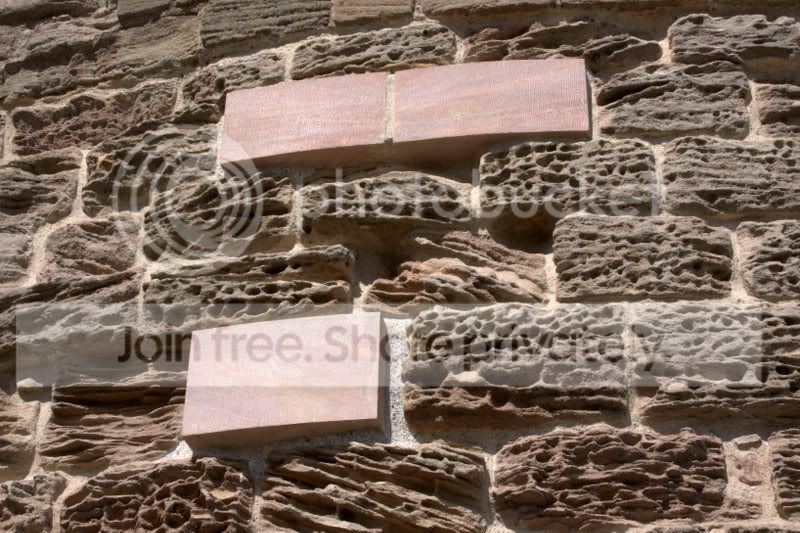
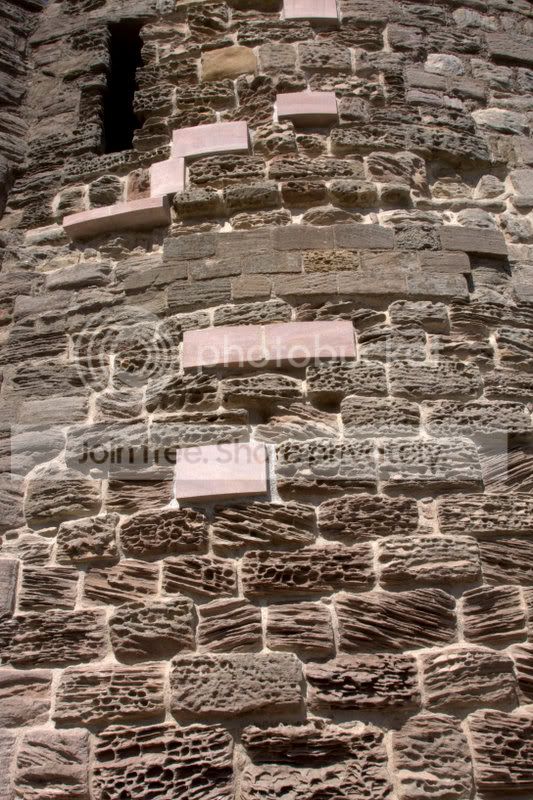
What is your opinion on this type of restoration by English Heritage.

This example from Dunstanburgh Castle, Northumberland.
IMG_9414.jpg


IMG_9415.jpg


I have seen "worse" examples of this on other historic buildings.

I am personally of the opinion it would be better to distress the stone first to blend in with the surrounding fabric.
 
I'd have thought they would have distressed the new stonework to a certain degree just so it blended in better. That just doesn't look right at all.
 
I can see both sides of the coin.

They are simply plugging the gaps to prevent deterioration without trying to hide the repair work. Blending it in would look better, but would give people unrealistic impressions of how well the building is aging.
 
I think the reason they do it, is that it is how the rest of the stone work would have originally looked when first built before it was weathered/worn. To keep new as new and old as old.

It doesn't look nice, but with time they too will weather and blend in a bit more, although they could probably have helped that process a little I agree.
 
Maybe considering that historic buildings will be maintained and restored forever the x number of years it may take for these stones to weather will be worth it in the long term for natural appearance.
 
It looks a bit extreme, but it is the right thing to do.

The principle is that new bits should look new, there should be no attempt to age them, or the historical significance of the original building is lost.

Grand Designs did a programme about an ancient monument that was restored to a working house and showed the various types of work that contribute to restoration, repair and renewal.

Whenever I've done work on my own houses I've tried to follow the same principles, new should look new, a clear join between original and replacement.

If you look at the colouring of the other stones still retaining their dressed appearance it shouldn't take long for that bright colour to go.
 
In 600 years they'll just look like the rest.........


I can't quite see the point of "keeping the building honest" when it's a ruin :shrug:
 
Hmm...

They've used concrete in that repair mortar haven't they? Looks too gray to be Lime.
 
If you look you can see previous work in the first picture. the stones were also placed at the original level. I am sure that it will be lime mortar and the stone the same type as the original.
We will just have to put up with it for a few years.
 
Hmm...

They've used concrete in that repair mortar haven't they? Looks too gray to be Lime.

I can't believe they would be stupid enough to use a cementitious mortar in such a position. The stone looks very soft and that would cause a lot of damage.
 
I have a feeling that the type of stone used is the type that will degrade in a similar way to the original stone work, thus in the long run creating something that will match?
 
I have a feeling that the type of stone used is the type that will degrade in a similar way to the original stone work, thus in the long run creating something that will match?

but in the long run all the orignal stuff will have washed away :lol:
 
A blind man would be pleased to see it :thumbs:
 
The new stuff does look very stark compared to the amazing patterns of the weathered stone, but it is incredible to think that that is how the building would have looked in it's entirety when it was first built. I think that, while not 100% aesthetic it does provide a fantastic insight.
 
Back
Top