Removing lens flare

siejones

Suspended / Banned
Messages
1,547
Edit My Images
No
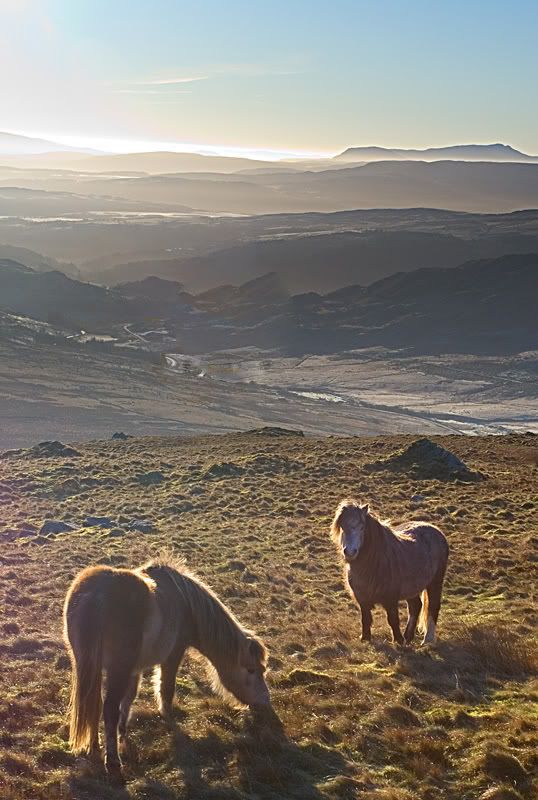
Can anyone suggest the best method of removing lens flare that is in the land detail and take up a large area. It's easy when it's small and in the sky but the healing/cloning tools just don't cut it in situations like this one below.

IMG_0057.jpg


Thanks
 
In CS2, try the spot healing brush too, set the brush size to roughly the size of the flare spot (i tried 90 pixels) and just click it two or three times.

Don't know what you think of that, but looks better to me!
 
In CS2, try the spot healing brush too, set the brush size to roughly the size of the flare spot (i tried 90 pixels) and just click it two or three times.

Don't know what you think of that, but looks better to me!

Thanks but that didn't work for me. I either get a big smudge left or it takes detail from else where like a big clone stamp :(
 
Must be my eyesight here... nothing would surprise me!
 
Sie, some very careful use of the clone stamp and repair tool, both set to soft and about 75% opacity on clone tool can get rid of worse without it being too obvious. Still not perfect, but better I think. :shrug: If you take your time and do it very carefully, you should be able to heal it, but I dont know any other way of getting rid of lens flare, and thats a lovely picture!

oh, I autoleveled it first, but not sure thats necessary

OOPS
 
Sie, some very careful use of the clone stamp and repair tool, both set to soft and about 75% opacity on clone tool can get rid of worse without it being too obvious. Still not perfect, but better I think. :shrug: If you take your time and do it very carefully, you should be able to heal it, but I dont know any other way of getting rid of lens flare, and thats a lovely picture!

oh, I autoleveled it first, but not sure thats necessary

OOPS

Cheers :thumbs:

I was looking for the quick and easy fix cause i'm lazy like that :)

Never thought to change the opacity of the clone stamp though.

Now I have to decide if the picture is worth the effort :thinking: :D
 
:agree:
Lovely horses and beautiful scenery. It's definately worth the time and effort of removing in the flare.
 
you could try and make a selection of the area then colour correct it via curves, selective colour so as to get the area to match its surroundings, then fettle away the edges with the clone or healing tools. :)
 
you could try and make a selection of the area then colour correct it via curves, selective colour so as to get the area to match its surroundings, then fettle away the edges with the clone or healing tools. :)

Thanks...I tried that but basically I was rubbish at it :lol:. I just couldn't coordinate the colour match and even when I got close the edges of the selection were so defined it wasn't worth it.

I could have another go I suppose. I hadn't thought to clone out the resulting edges.

Cheers chap :thumbs:
 
There's no easy way to do this one Sie, it's down to tedious pixel pushing. It's do-able though. Using the clone tool with reduced opacity is probably as good a way as any and using selective masks for problem areas which will also stop you cloning over defined lines.

Tis good practice! :D
 
Hi,

I think this is a little better:

IMG_0057.jpg


Workflow:

PS2
Spot healing - size brush to match lens flare circle.
Darken
Proximity match
Colour/luminosity match.
 
Good job Doug - but you need to check the shape of those hills again. :D
 
Thanks guys :)

Dougdarter: That's exactly what I did with the healing brush!. It at first seemed great then I looked away and looked back and realised it was all wrong :)
 
Flare is a mixture of colour saturation and an increase in levels. If you change these back to there original, 95% of the work is done (takes 30seconds). All you will be left with then is a thin circle (the outside of the flare) This is only visable when zoomed out and is pretty easy to clone away. Hope this helps :)

flareeditco9.jpg
 
Back
Top