Ready to experiment with portraits in the dark

gilbouk

Suspended / Banned
Messages
3,527
Name
Gil
Edit My Images
Yes
Without using lighting other than what can be hand held by myself along with my camera, can anybody recommend a descent flash suitable for taking portraits on the move in poorly lit settings without the subject looking like a startled rabbit in headlights?

I've seen some excellent results from nightclub photographers where people really look very attractive in barely lit settings.

Ideally something that's compatible with my Nikon. Any tips appreciated.
 
DO you have any example images of exactly what you are going for? I think many event/night club photographers use high ISO with bounced off-cam flash, they make use of the ambient lighting and just throw some fill light on the subjects to 'freeze' them/prevent blur. Most of them just aim the flash head directly up so you get a spread of light without giving people red eye or that washy rabbit in headlights look. Or they'll use a diffuser modifier or bounce card on the flash, like this: https://www.amazon.co.uk/Reflector-...502660330&sr=8-5&keywords=speedlight+diffuser
 
Last edited:
Thanks Cagey. I have noticed that technique - where the photographer holds the flash seperate and appears to point it upwards.

Here's the kind of results I'm looking for:
 

Attachments

  • 22495601612_d3faa27532_b.jpg
    22495601612_d3faa27532_b.jpg
    254.1 KB · Views: 64
  • 12888523_1252677954760625_7990521748585476641_o.jpg
    12888523_1252677954760625_7990521748585476641_o.jpg
    130.1 KB · Views: 67
  • 19957024_1455505507875733_5050612696003980946_o.jpg
    19957024_1455505507875733_5050612696003980946_o.jpg
    60.2 KB · Views: 63
  • 19942733_1455509641208653_5966524909973345393_o.jpg
    19942733_1455509641208653_5966524909973345393_o.jpg
    61.1 KB · Views: 64
That's a longer exposure (e.g. 1/4 second) to expose the ambient light of the scene then a flashgun fired to light the subjects and freeze motion.
 
That's a longer exposure (e.g. 1/4 second) to expose the ambient light of the scene then a flashgun fired to light the subjects and freeze motion.
I'm pretty clueless about using a flash. How can you freeze a subject with such a long exposure hand held?
 
I'm pretty clueless about using a flash. How can you freeze a subject with such a long exposure hand held?

The exposure doesn't freeze the motion, the flash at the end of it does. If you shoot the same scene without a flash you'll have underexposed subjects with some shake. Add the flash at the end (second curtain sync) and the camera records the well lit and sharp subjects from the flash duration.
 
Without using lighting other than what can be hand held by myself along with my camera, can anybody recommend a descent flash suitable for taking portraits on the move in poorly lit settings without the subject looking like a startled rabbit in headlights?

I've seen some excellent results from nightclub photographers where people really look very attractive in barely lit settings.

Ideally something that's compatible with my Nikon. Any tips appreciated.
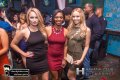
Lots of variables to deal with aside from the flash which will determine the outcomes. ISO performance of your camera, how fast a lens you are using will both play a significant part. The Godox Ving, is affordable and will give you HSS. There are small softbox like diffusers you can get from Lencarta or Amazon which are not bulky to soften the light output. Firing some light is one aspect, the manner in which it enters the camera body on its way to the sensor and how the camera interprets it are equally important.
 
Lots of variables to deal with aside from the flash which will determine the outcomes. ISO performance of your camera, how fast a lens you are using will both play a significant part. The Godox Ving, is affordable and will give you HSS. There are small softbox like diffusers you can get from Lencarta or Amazon which are not bulky to soften the light output. Firing some light is one aspect, the manner in which it enters the camera body on its way to the sensor and how the camera interprets it are equally important.

I imagine there is some sort of communication between flash and camera in order for the exposure to be taken at precisely the correct time when the flash fires?

I think I've got good camera and lens for the job, however no technique experience so I imagine I'll need to practise alot to get good results.

What does HSS stand for and which other features in a good flash should I look for.
 
I imagine there is some sort of communication between flash and camera in order for the exposure to be taken at precisely the correct time when the flash fires?

I think I've got good camera and lens for the job, however no technique experience so I imagine I'll need to practise alot to get good results.

What does HSS stand for and which other features in a good flash should I look for.

Yes, the camera needs to trigger the flash at the end of the exposure. You could use basic wireless triggers such as those from Yongnuo or Cactus (check ebay/amazon) or you could use a cables connection either between your hotshoe and lens using a hotshoe adaptor or using a standard flash sync cable if your camera has a PC Sync output. However, in those examples you've shared above, the flashgun is probably on camera and either pointing directly towards the subjects at a low power and with a basic flash diffuser over it or at higher power and pointed upwards to bounce back off the ceiling as a large diffuser.

Personally, I'd suggest you start with the flashgun on camera and learn to judge the power required as it's a balancing act between shutter speed, aperture, ISO and flash output. You can use any flashgun to do this, you don't need full auto TTL etc so I'd recommend something like a Yongnuo YN560 as a solid manual flashgun. The only settings you need to adjust on the flash itself will be the power and zoom.
 
Yes, the camera needs to trigger the flash at the end of the exposure. You could use basic wireless triggers such as those from Yongnuo or Cactus (check ebay/amazon) or you could use a cables connection either between your hotshoe and lens using a hotshoe adaptor or using a standard flash sync cable if your camera has a PC Sync output. However, in those examples you've shared above, the flashgun is probably on camera and either pointing directly towards the subjects at a low power and with a basic flash diffuser over it or at higher power and pointed upwards to bounce back off the ceiling as a large diffuser.

Personally, I'd suggest you start with the flashgun on camera and learn to judge the power required as it's a balancing act between shutter speed, aperture, ISO and flash output. You can use any flashgun to do this, you don't need full auto TTL etc so I'd recommend something like a Yongnuo YN560 as a solid manual flashgun. The only settings you need to adjust on the flash itself will be the power and zoom.

Would you recommend any currently in the classified section? :) Here's what I've found -

https://www.talkphotography.co.uk/threads/various-items-for-sale.660670/#post-7916851

https://www.talkphotography.co.uk/threads/mcoplus-ttl-flash-for-nikon.660364/#post-7913346

https://www.talkphotography.co.uk/threads/nikon-speedlight-sb-20.660371/

Hope it's allowed, to ask for recommendations from the classified section
 
Last edited:
I reckon the McoPlus flash with off camera flash cable is the best option to get started. I don't know much about the flash itself but it has full manual control as well as TTL (auto) and having cable too means that you can get it off the camera if you want to.
 
What does HSS stand for and which other features in a good flash should I look for.

HSS = High speed sync, allows you to shoot with a faster shutter than your standard flash sync speed. Kind of handy for moving subjects where the ambient light allows the movement of a subject to blur your image of only shooting at say 1/200th.
 
The exposure doesn't freeze the motion, the flash at the end of it does. If you shoot the same scene without a flash you'll have underexposed subjects with some shake. Add the flash at the end (second curtain sync) and the camera records the well lit and sharp subjects from the flash duration.

You only need rear curtain sync if the direction of any light trails is important. It rarely is. First curtain is usually easier to time.
 
I reckon the McoPlus flash with off camera flash cable is the best option to get started. I don't know much about the flash itself but it has full manual control as well as TTL (auto) and having cable too means that you can get it off the camera if you want to.

Thanks very much. I'm just wondering if I should hang fire and wait for a more well known brand or go for the one you recommend rather than get the McoPlus - thinking about sellability should in the future I wanna swap for a more upmarket flash.

I've seen Godox mentioned alot, what are the more desirable brands when it comes to Nikon flashes
 
What's the difference between full manual and TTL?
 
Thanks very much. I'm just wondering if I should hang fire and wait for a more well known brand or go for the one you recommend rather than get the McoPlus - thinking about sellability should in the future I wanna swap for a more upmarket flash.

I've seen Godox mentioned alot, what are the more desirable brands when it comes to Nikon flashes

For £20 including the OCF cable I'd say you're basically getting the flash for free and it's worth keeping in the bag.

The more expensive flash guns are normally more powerful and offer faster recharge times between shots. Also, the Nikon flashguns will work with the built in CLS system that allows wireless control of the flashguns with compatible cameras.

What's the difference between full manual and TTL?

TTL stands for "Through The Lens" (metering) and basically means that you can shoot in an auto mode or aperture/shutter priority and the camera will adjust the flash output to deliver an exposure. If you want to deliver results like the ones you shared, you will need to manually control the flash and camera settings.
 
Last edited:
Got my flash today - what a difference it makes!!

I realised that when using a flash I had to turn off Auto ISO so that I could get the camera to shoot at ISO100 and the flash would 'compensate' to bring the lighting up to the required level to properly expose. I imagine that by adjusting metering up or down will auto-adjust the flash automatically when in TTL mode.

I'm now trying the manual settings. I wondered if metering indication on the camera would work with the changes I make with the settings on the flash? I'm also trying to work out how to change the settings on the flash. I see that when I turn the zoom ring on the lens, and focus, the flash auto adjusts, and the zoom on the display change to coincide. Does anybody know what other factors can be altered?
 
Got my flash today - what a difference it makes!!

I realised that when using a flash I had to turn off Auto ISO so that I could get the camera to shoot at ISO100 and the flash would 'compensate' to bring the lighting up to the required level to properly expose. I imagine that by adjusting metering up or down will auto-adjust the flash automatically when in TTL mode.

I'm now trying the manual settings. I wondered if metering indication on the camera would work with the changes I make with the settings on the flash? I'm also trying to work out how to change the settings on the flash. I see that when I turn the zoom ring on the lens, and focus, the flash auto adjusts, and the zoom on the display change to coincide. Does anybody know what other factors can be altered?
You need to be careful with what you think is happening.

1 you're right about auto ISO, when using flash as your primary light source it's not helpful
2 ISO100 is fine on a summers afternoon in your living room, it won't do what you're aiming for in the dark
3 you're not adjusting the 'metering' you're altering the exposure settings, yes the ETTL will adjust to match your settings but
  • You may need to use FEC sometimes to keep the ETTL in check
  • You have to remember what you were told early on, the manual ambient exposure needs to be considered alongside the flash exposure, typically I'd have my ambient a stop or a stop and a half underexposed, to give some ambient 'atmosphere', underexposing by 3 stops will give a cave like loo
4 the auto zoom only works when the flashgun is pointed forward mounted on camera, which is the worst possible position and direction, as you started from here, a flash off camera, or bounced will give a much nicer light. The auto zoom is a gimmick, but manually zooming a bounced or off camera flash can be really useful.
 
  • Like
Reactions: dkh
Back
Top