

You are using an out of date browser. It may not display this or other websites correctly.
You should upgrade or use an alternative browser.
You should upgrade or use an alternative browser.
RAW or JPEG for concerts
- Thread starter Ukkor
- Start date

itsdavedotnet
Suspended / Banned
- Messages
- 5,864
- Edit My Images
- No
I shoot almost exclusively jpg for anything that I don't have large or full control of, ie any reportage event, including music.
If you can get it right in camera, shoot jpg. Raw will give you a wee bit more leeway to pull stuff out of the dark if need be, (which generally won't look great anyway), and will let you do colour correction with less noise, but won't help you with clipped highlights, which can be a bigger issue.
If you can afford the fps / memory card usage drop of shooting raw, and the ballache of the additional post processing, go for it. If you want to get it right in camera, jpg.
I've flipped to raw if the whole thing was backlit by red LED lights (the bane of all music photogs), as they are a dark sonuvabitch and don't come out well on any setting.
the measurebator brigade will be along in a minute though to convince you to shoot raw.
If you can get it right in camera, shoot jpg. Raw will give you a wee bit more leeway to pull stuff out of the dark if need be, (which generally won't look great anyway), and will let you do colour correction with less noise, but won't help you with clipped highlights, which can be a bigger issue.
If you can afford the fps / memory card usage drop of shooting raw, and the ballache of the additional post processing, go for it. If you want to get it right in camera, jpg.
I've flipped to raw if the whole thing was backlit by red LED lights (the bane of all music photogs), as they are a dark sonuvabitch and don't come out well on any setting.
the measurebator brigade will be along in a minute though to convince you to shoot raw.
Last edited:
andephotographic
Suspended / Banned
- Messages
- 400
- Name
- Andrew
- Edit My Images
- No
I shoot almost exclusively jpg for anything that I don't have large or full control of, ie any reportage event, including music.
If you can get it right in camera, shoot jpg.
These two statements seems kind of contradictory to me.
Surely having full control of the situation makes it a lot more likely that you'll get it right in camera and conversely, not having large or full control makes it less likely you'll get it right in camera so the recoverability of raw would be advantageous?
I shoot raw for almost everything because I don't have a massive mp camera so can afford the cf and hd space and IMO if you can afford the space and know how to work with a raw file then jpeg is just throwing info away.
The only time I def don't shoot raw is at work (photographer in a climbing centre) where I need to run off cds of images quickly.
Plus the work computer has something ridiculous like a 2gb hard drive!

Jayst84
Suspended / Banned
- Messages
- 5,092
- Name
- James
- Edit My Images
- No
Shoot raw, especially if you're new to it, it gives you a bit more leeway with your settings. Then even when you do nail it, it gives you the option of making the image look how you want it, not how Canon do.
fps drop from shooting raw? That's new to me.
Memory, well you won't be shooting that many frames at a concert so that shouldn't be a problem. Even if you were, you should buy enough to let you shoot how you want.
Extra post work is a non-starter for me really, unless you're shooting to wire and even then you can often get away with raw or raw/JPEG so you can use the raws later yourself, it's only an extra few seconds import/export.
Without starting the whole boring debate again, shooting raw isn't a substitute for getting it right in camera. Though shooting JPEG is sometimes a substitute for post production talent.
My pleasure.
...
If you can afford the fps / memory card usage drop of shooting raw, and the ballache of the additional post processing, go for it. If you want to get it right in camera, jpg...
fps drop from shooting raw? That's new to me.
Memory, well you won't be shooting that many frames at a concert so that shouldn't be a problem. Even if you were, you should buy enough to let you shoot how you want.
Extra post work is a non-starter for me really, unless you're shooting to wire and even then you can often get away with raw or raw/JPEG so you can use the raws later yourself, it's only an extra few seconds import/export.
Without starting the whole boring debate again, shooting raw isn't a substitute for getting it right in camera. Though shooting JPEG is sometimes a substitute for post production talent.
the measurebator brigade will be along in a minute though to convince you to shoot raw.
My pleasure.

- Messages
- 1,863
- Name
- Mike
- Edit My Images
- Yes
fps drop from shooting raw? That's new to me.
Probably thinking of maximum number of shots before the buffer fills rather than fps. The 1DmkIV will shoot 10fps for 121 large Jpegs or 28 Raw.


Shoot RAW + JPEG? It, sort of, gives you the best of both worlds and memory is cheap.
I shoot RAW. I prefer it and there's no downside for me, because I don't shoot large numbers of photographs at a time or a lot of bursts, and I only PP the images I want.
This worked for me in the film days too. I never processed colour, but I always got the film developed and then chose the frames I wanted to print.
I shoot RAW. I prefer it and there's no downside for me, because I don't shoot large numbers of photographs at a time or a lot of bursts, and I only PP the images I want.
This worked for me in the film days too. I never processed colour, but I always got the film developed and then chose the frames I wanted to print.

- Messages
- 3,097
- Edit My Images
- No
Raw every time, if you should blow out the highlights or underexpose the shadows you can usually retrieve some of the lost detail in ACR, with jpg its get it exactly right in camera or loose the shot and lets face it a gig is no place to try and review shots you have just taken and make corrections to your exposure.

- Messages
- 16,680
- Name
- Ebenezer McScrooge III
- Edit My Images
- Yes
Raw every time, if you should blow out the highlights or underexpose the shadows you can usually retrieve some of the lost detail in ACR, with jpg its get it exactly right in camera or loose the shot and lets face it a gig is no place to try and review shots you have just taken and make corrections to your exposure.
You do realise that's a tiny bit of a monstrously huge generalisation don't you? Even jpeg's have a lot of scope to play with.
http://www.talkphotography.co.uk/forums/showpost.php?p=2654664&postcount=20
To the OP, if you're confident in what you're doing and know your camera I'd say just use jpeg.
[S2]If you don't really know what you're doing then there may be a small advantage in using RAW for post processing. [/S2]
And before anyone says it, yes, that is a bit of an inflammatory statement. But I've asked this question a LOT of times now and not once has anyone answered it.
Why would the manufacturers include JPEG options on bodies, including the "pro" bodies, if they weren't to be used?

Islander
Suspended / Banned
- Messages
- 1,016
- Name
- Tony
- Edit My Images
- Yes
[S2]If you don't really know what you're doing then there may be a small advantage in using RAW for post processing. [/S2]
And before anyone says it, yes, that is a bit of an inflammatory statement. But I've asked this question a LOT of times now and not once has anyone answered it.
Can I assume from that statement that in the days of film, you never bothered with those tedious negatives and shot straight to polaroid print? Does that mean that Ansel Adams with all of his post processing in the print process didn't know what he was doing?
Why would the manufacturers include JPEG options on bodies, including the "pro" bodies, if they weren't to be used?
For the same reason that HiFi manufacturers put loads of switches and lights on their systems. We like having gadgets and features. They call it added value. :shrug:
To the OP, I'd go with RAW. It allows you a lot more control over the final image.
- Messages
- 16,680
- Name
- Ebenezer McScrooge III
- Edit My Images
- Yes
stuff
Most of the time I shot kodachrome so the important thing was getting it right, much like jpeg today.
If jpeg was as simple as "added value" do you honestly think there would be as many menu options for adjustment as there are?
At the end of the day people should shoot what they're comfortable with. I just wish there wasn't this fanatical obsession with RAW. It's like all of these fanboy arguments, there isn't a right answer, only the answer that suits the individual.

petersmart
Suspended / Banned
- Messages
- 5,000
- Edit My Images
- Yes
Most of the time I shot kodachrome so the important thing was getting it right, much like jpeg today.
If jpeg was as simple as "added value" do you honestly think there would be as many menu options for adjustment as there are?
At the end of the day people should shoot what they're comfortable with. I just wish there wasn't this fanatical obsession with RAW. It's like all of these fanboy arguments, there isn't a right answer, only the answer that suits the individual.
Absolutely - I gave up shooting RAW last year when I decided to do some comparisons on MY type of pics and found that JPEGs were virtually indistinguishable from RAW in the final photos - after all we all view our pics as JPEGs and I don't hear anyone complaining about THAT!
I now use JPEG all the time and have found no disadvantages at all only advantages.
.
- Messages
- 3,097
- Edit My Images
- No
lets face it a gig is no place to try and review shots you have just taken and make corrections to your exposure.
That's the important bit.
Having shot Jpeg and raw for many years, my own experience is that even when well versed in PP and having top notch software raw offers a distinct advantage over Jpeg when it comes to PP, not only is there more data to play with and more scope for adjustment but its also easier once you know your way around ACR and faster.
5mins in ACR saves me 20mins in photoshop.
Getting back to the OP and his issue, the highlight recovery alone in ACR can be a god send for blown highlights and its easy to do.
I agree its never a substitute for a correctly exposed shot in the first place but then in this scenario you don't generally have the luxury of reviewing and correcting al the time, the situation is far to fluid with action going on all the time, focal distances changing and more importantly lighting changing. By the time you have it dialled in either the lighting tech or program controlling the lights has changed things.
andephotographic
Suspended / Banned
- Messages
- 400
- Name
- Andrew
- Edit My Images
- No
But I've asked this question a LOT of times now and not once has anyone answered it.
Why would the manufacturers include JPEG options on bodies, including the "pro" bodies, if they weren't to be used?
Because if Canon or Nikon removed the jpeg option from their pro d-slrs they'd likely never see a penny from a press photographer ever again.
Islander
Suspended / Banned
- Messages
- 1,016
- Name
- Tony
- Edit My Images
- Yes
Most of the time I shot kodachrome so the important thing was getting it right, much like jpeg today.
If jpeg was as simple as "added value" do you honestly think there would be as many menu options for adjustment as there are?
At the end of the day people should shoot what they're comfortable with. I just wish there wasn't this fanatical obsession with RAW. It's like all of these fanboy arguments, there isn't a right answer, only the answer that suits the individual.
lol@stuff by the way

Most manufacturers would put a teacosy on a camera if they thought it would sell a few extra extra 'units' of 'product'
Having used Kodachrome 64 a few times myself I'll agree that getting it right is a good step forward and something we should all be striving for. I also think there's far too much dependence on technology to get us through rather than understanding the basics and applying them. However, where technology is useful why not make the most of the real advantages it gives? RAW is one of those advantages. I shoot both RAW and jpeg myself.
I largely agree with the last statement you made. It's horses for courses and in the case of the OP I'd say that RAW was the best option. It's an opinion of course but so are all the other opinions given here.
Fanboy? Nah.
Islander
Suspended / Banned
- Messages
- 1,016
- Name
- Tony
- Edit My Images
- Yes
Because if Canon or Nikon removed the jpeg option from their pro d-slrs they'd likely never see a penny from a press photographer ever again.
Ker-ching!
- Messages
- 16,680
- Name
- Ebenezer McScrooge III
- Edit My Images
- Yes
lol@stuff by the way
It was getting too confusing for this pore ole country boy to edit
Apologies to the OP for going off topic but haven't been up in your neck of the woods for ages, did you get along to the MX beach race a few weeks ago? I've been promising myself a trip for about 4 years now.
joescrivens
Suspended / Banned
- Messages
- 15,052
- Name
- Joe
- Edit My Images
- Yes
That's the important bit.
Having shot Jpeg and raw for many years, my own experience is that even when well versed in PP and having top notch software raw offers a distinct advantage over Jpeg when it comes to PP, not only is there more data to play with and more scope for adjustment but its also easier once you know your way around ACR and faster.
5mins in ACR saves me 20mins in photoshop.
ACR isn't restricted to raw files. You can open your jpegs in ACR too and save that 20 mins
joescrivens
Suspended / Banned
- Messages
- 15,052
- Name
- Joe
- Edit My Images
- Yes
fps drop from shooting raw? That's new to me.
it is? I thought this was pretty standard.
A raw file is bigger than a jpeg so it takes longer to write to the card therefore it can't keep as many in the buffer. I certainly used to notice this with my 7d, although I believe it could still rattle of 8 frames per second just not for as long as when i was shooting jpeg - i'm thinking it was like 25 shots befoe it would slow down with raws but with jpegs it was like 50+
petersmart
Suspended / Banned
- Messages
- 5,000
- Edit My Images
- Yes
it is? I thought this was pretty standard.
A raw file is bigger than a jpeg so it takes longer to write to the card therefore it can't keep as many in the buffer. I certainly used to notice this with my 7d, although I believe it could still rattle of 8 frames per second just not for as long as when i was shooting jpeg - i'm thinking it was like 25 shots befoe it would slow down with raws but with jpegs it was like 50+
My 450D can take about 5-6 continuous shots in RAW at about 3-4 fps but about 20 shots using JPEGs - at roughly the same fps.
Has come in very handy at times and using RAW I would definitely have lost pics.
.

itsdavedotnet
Suspended / Banned
- Messages
- 5,864
- Edit My Images
- No
The frames per second rate in the burst mode remains the same in JPG or RAW, but the camera can only maintain this rate until the fast buffer memory is full.
indeed. Sorry, I used the wrong terminology. Even the fastest memory cards available can't keep up with full size raws at 8fps for long, even with some gaps - and sometimes for music work you do need to really, really hammer it.
These two statements seems kind of contradictory to me.
Surely having full control of the situation makes it a lot more likely that you'll get it right in camera and conversely, not having large or full control makes it less likely you'll get it right in camera so the recoverability of raw would be advantageous?
Meant it more as in, I shoot raw for portraits, in studio and that kind of thing, where I want to capture the fullest possible range of tones and can fine tune the wb etc in post. Music, this kind of thing is less...precise?
Learn to meter, expose to the left when needed, get the key moments, and search out interesting angles and viewpoints for music work. Oh, and op, EARPLUGS. Non-negotiable. Wear them. If you're doing this regularly, surefire EP3's are the way to go.
Islander
Suspended / Banned
- Messages
- 1,016
- Name
- Tony
- Edit My Images
- Yes
It was getting too confusing for this pore ole country boy to edit
Apologies to the OP for going off topic but haven't been up in your neck of the woods for ages, did you get along to the MX beach race a few weeks ago? I've been promising myself a trip for about 4 years now.
I haven't been to an MX meet for ages - I really should get my backside into gear! The beach races are fun
Let me know if you're up - I'll buy you a pint.

OP

Ukkor
Suspended / Banned
- Messages
- 333
- Name
- David
- Edit My Images
- Yes
So basically, to avoid starting a War (which is ironically RAW spelt backwards) I shall use both and then post back afterwards to say which I thought was better. Be interesting to see if RAW really is worth it though...
Oh and as for the advice on earplugs, made sure I bought them when I first found out about the gig
Oh and as for the advice on earplugs, made sure I bought them when I first found out about the gig

benners
Suspended / Banned
- Messages
- 1,130
- Name
- Ben
- Edit My Images
- Yes
I always shoot in RAW... unless you don't have the software for PP, why wouldn't you? or shoot in RAW+jpeg if you need to get images off to client the split second after they're taken...
it's great if you can get the shot perfectly exposed, etc. at the time of shooting, but as mentioned, if you want to tweak exposure/white balance, etc, etc. then you can.
RAW is also great if you want to convert to grayscale, or be more 'creative' with the image, to almost turn it into some graphic design rather than a true photo.
RAW basically gives you complete flexibility with the image, JPG limits you. why wouldn't you want complete flexibility and limit yourself?
If all your RAW files are perfect and don't need PP, then just save them all as JPEGs at home, takes seconds :shrug:
it's great if you can get the shot perfectly exposed, etc. at the time of shooting, but as mentioned, if you want to tweak exposure/white balance, etc, etc. then you can.
RAW is also great if you want to convert to grayscale, or be more 'creative' with the image, to almost turn it into some graphic design rather than a true photo.
RAW basically gives you complete flexibility with the image, JPG limits you. why wouldn't you want complete flexibility and limit yourself?
If all your RAW files are perfect and don't need PP, then just save them all as JPEGs at home, takes seconds :shrug:
Last edited:

seriousrikk
Suspended / Banned
- Messages
- 5,881
- Name
- Richard
- Edit My Images
- Yes
Oh, and op, EARPLUGS. Non-negotiable. Wear them. If you're doing this regularly, surefire EP3's are the way to go.
READ THIS AND ACT ON IT!
While I was at uni I photographed gigs without them - and the few years following too. I now have some fairly serious issues with my right ear - which was the ear usually pointing at the speaker stack.
Oh, and shoot raw but do your best to get it right in camera. It's nice to have the lattitude to save a shot when the lighting changes - it's nicer not to have to PP everything you take!
Last edited:


inaneredstripe
Suspended / Banned
- Messages
- 6,457
- Name
- mark
- Edit My Images
- Yes
i shoot jpeg.
sticks tongue out.
oh and yes EARPLUGS
sticks tongue out.
oh and yes EARPLUGS

Mike54
Suspended / Banned
- Messages
- 608
- Name
- Mike
- Edit My Images
- Yes
I dont see the point in shooting RAW and Jpeg, your not going to show them at the time so RAW is for me, the only option. If you shoot in Jpeg what White Balance are you thinking of using?; if you shoot in RAW you can reset the WB for each shot, its a mouse click.

benners
Suspended / Banned
- Messages
- 1,130
- Name
- Ben
- Edit My Images
- Yes
I dont see the point in shooting RAW and Jpeg, your not going to show them at the time so RAW is for me, the only option. If you shoot in Jpeg what White Balance are you thinking of using?; if you shoot in RAW you can reset the WB for each shot, its a mouse click.
generally I agree, but there are occasions when you're on assignment and need to email shots over to a client with immediate effect (particulalry for media work), so having jpegs at the ready saves time.
joescrivens
Suspended / Banned
- Messages
- 15,052
- Name
- Joe
- Edit My Images
- Yes
Erm, I don't know where this myth comes from that you cant change the WB of JPEG's.... I do it all the time in LR.... :shrug:
yeah me either, you can even open the jpeg in camera raw and apply the exact same white balance technique you applied to the raw so I don't get it either
Jayst84
Suspended / Banned
- Messages
- 5,092
- Name
- James
- Edit My Images
- No
Erm, I don't know where this myth comes from that you cant change the WB of JPEG's.... I do it all the time in LR.... :shrug:
Take a shot in raw and JPEG, do a decent amount of adjustment to the WB on both and see which looks better.

DekHog
Suspended / Banned
- Messages
- 2,803
- Name
- Derek
- Edit My Images
- Yes
Take a shot in raw and JPEG, do a decent amount of adjustment to the WB on both and see which looks better.
Maybe I'm just very lucky (or very good
).... I never need more than a minor tweak... joescrivens
Suspended / Banned
- Messages
- 15,052
- Name
- Joe
- Edit My Images
- Yes
Take a shot in raw and JPEG, do a decent amount of adjustment to the WB on both and see which looks better.
ok
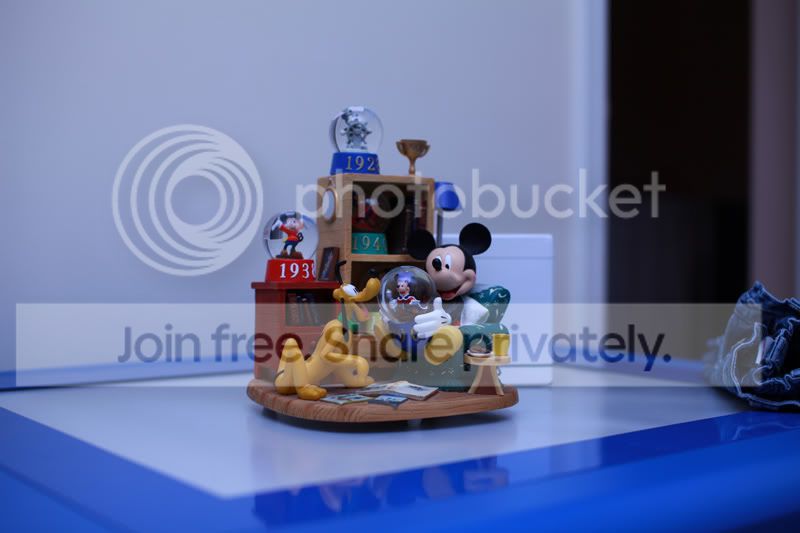
two photos taken with flash at the wrong WB. Opened both in Camera Raw used the white balance dropper and picked the exact same spot on the white box behind the image. Resized to 800 pixels and saved as jpeg. No exposure adjustments, no sharpeneing, nothing but the white balance dropper
original raw
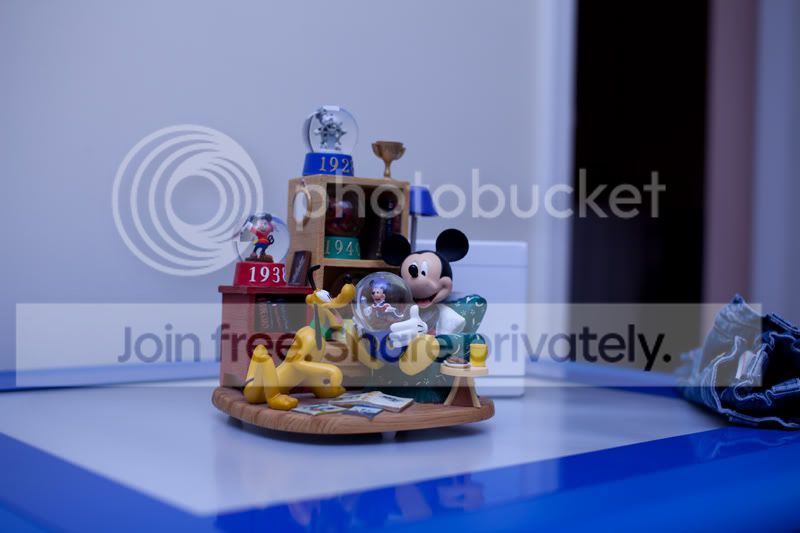
original jpeg
tweaked raw
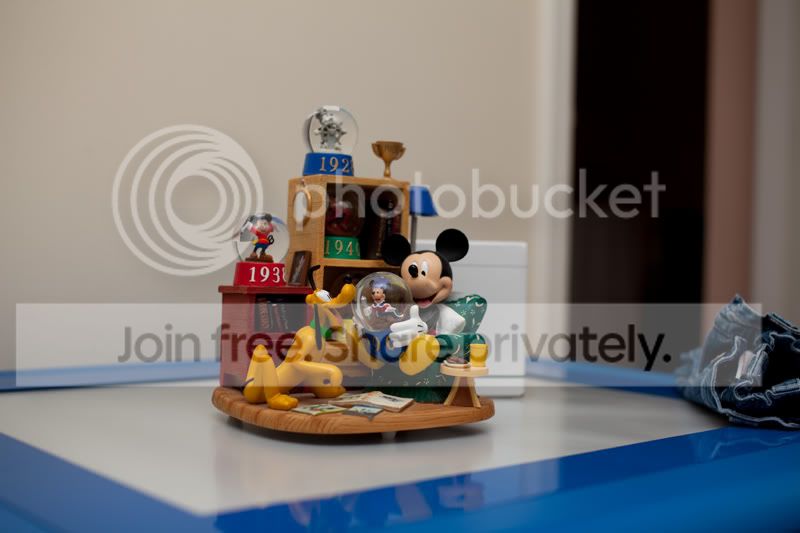
tweaked jpeg
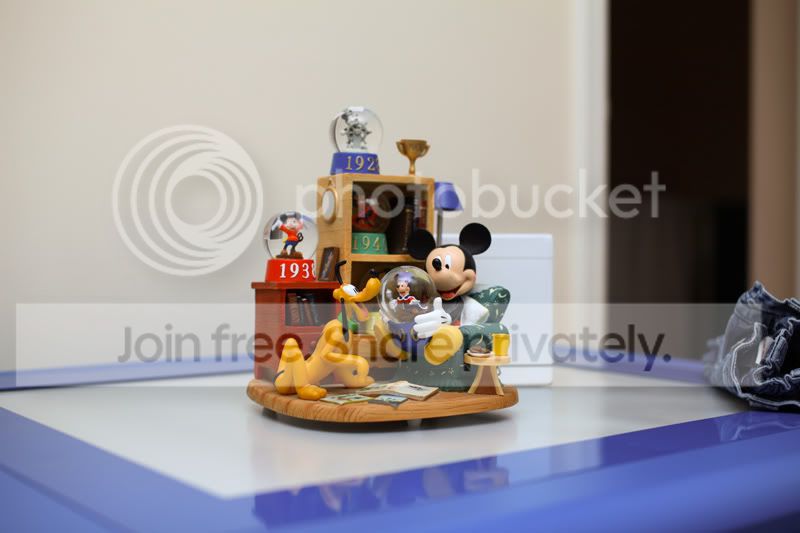
the white balance looks the same to me when adjusted on both :shrug:
The jpeg looks like better exposed to after the wb - no idea why, probably to do with the picture style I was on in the camera
Last edited:
petersmart
Suspended / Banned
- Messages
- 5,000
- Edit My Images
- Yes
Erm, I don't know where this myth comes from that you cant change the WB of JPEG's.... I do it all the time in LR.... :shrug:
You can also do it in DPP - to RAW, JPEGs or even TIFFs.
.


MFP
Suspended / Banned
- Messages
- 18
- Name
- Alan
- Edit My Images
- No
Personally I shoot only RAW and as far as I am aware most of the other togs I see at gigs and festivals do, or at least the ones I talk to. Of the couple that I am aware who shoot only JPEG this is either because they tend to take a lot of images or they are working for an agency such as Redferns (Getty) etc and need to get back home and wire them asap.
I'm lucky in that I don't generally have the pressure of having time limits and would therefore prefer to have more flexability. About 90% of what I shoot is indoor and with the understanding of what is good lighting from the lads on the desk (red or orange) in many cases, I find it helps.
I'm lucky in that I don't generally have the pressure of having time limits and would therefore prefer to have more flexability. About 90% of what I shoot is indoor and with the understanding of what is good lighting from the lads on the desk (red or orange) in many cases, I find it helps.