
Concepts Most influential photographers of the 20th century: Spies of the Cold War

To indicate that this thread is a discussion of theoretical concepts

tjwspm

Suspended / Banned
Messages
68
Edit My Images
No
When it comes to which photographs have influenced the fate of humanity the most, it's spy photos. This is not about composition, tonal range or colors, but about pure information. Resolution and contrast were important, for example, when photographing Soviet documents about the missile sites in Cuba in 1962. These contributed significantly to preventing nuclear war at the time.

The most widely used camera during the Cold War was the Minox subminiature camera. I have compiled four cases in which the course of history was demonstrably influenced by photos secretly taken with a Minox Spy Camera. They happened in Munich, Moscow, Bonn and Norfolk, Virginia:
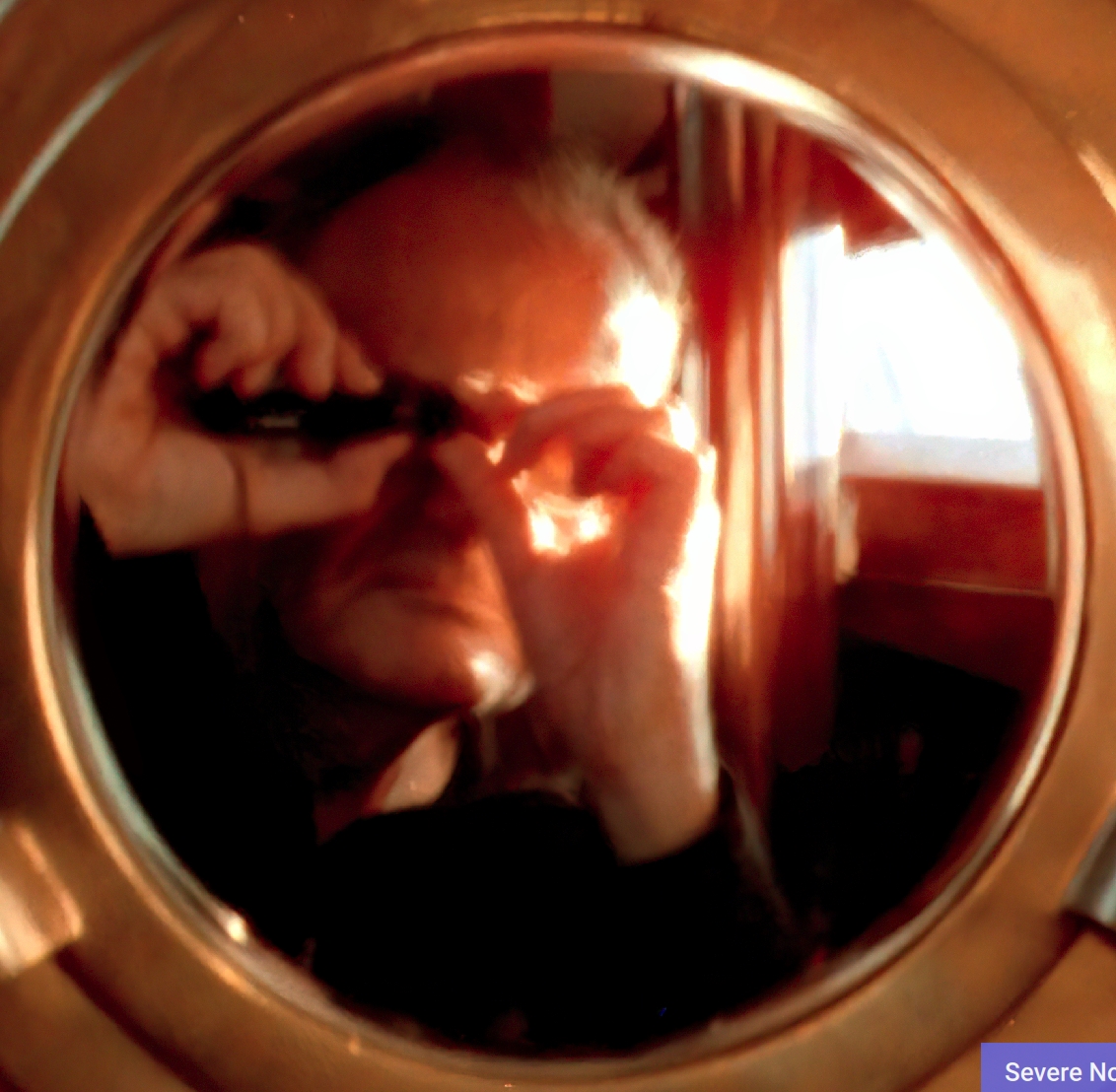
 
When it comes to which photographs have influenced the fate of humanity the most, it's spy photos.
In a particular sense this may be true.
The most widely used camera during the Cold War was the Minox subminiature camera.
I think you'll find that honour is shared among the Chicago Aerial Industries KA- series of aerial cameras, used by the US airforce and navy, the RAF's F24 and later cameras as well as other types used by, for example Armée de l'air (French Air Force)

Cameras used by intelligence agents came in various shapes and sizes and were generally concealed inside apparently innocuous items such as pens and other objects, which it was hoped would not be closely examined. Although the Minox was used for some work, it was definitely a high risk item to be found with.
 
In a particular sense this may be true.

I think you'll find that honour is shared among the Chicago Aerial Industries KA- series of aerial cameras, used by the US airforce and navy, the RAF's F24 and later cameras as well as other types used by, for example Armée de l'air (French Air Force)

Cameras used by intelligence agents came in various shapes and sizes and were generally concealed inside apparently innocuous items such as pens and other objects, which it was hoped would not be closely examined. Although the Minox was used for some work, it was definitely a high risk item to be found with.
Yes, if you include aerial reconnaissance, you are certainly right. My statement was deliberately provocative.
As for the Minox, I refer to the CIA statement “The Minox subminiature camera, in its various models, was the world's most widely used spy camera.”:
 
Last edited:
I refer to the CIA statement “The Minox subminiature camera, in its various models, was the world's most widely used spy camera.”:
Come, now.

If an intelligence agency tells you the sky is blue, would you believe them without looking outside, yourself? :tumbleweed:
 
If an intelligence agency tells you the sky is blue, would you believe them without looking outside, yourself? :tumbleweed:
That is certainly appropriate in many cases. But why would they lie in this particular case? The CIA also produced and used its own cameras during the Cold War, why don't they praise them instead of the Minox?

One reason for the frequent use of the Minox by secret services was probably the ease of procurement. There was no need to smuggle special cameras to the agents through secret channels at great risk. The agent could go (almost) anywhere in the world to a well-run photo shop and officially buy a Minox and film as an amateur photographer.
 
That is certainly appropriate in many cases. But why would they lie in this particular case? The CIA also produced and used its own cameras during the Cold War, why don't they praise them instead of the Minox?
The primary characteristic of all intelligence agencies is secrecy and whatever they release in their (apparent) moments of openness will always be carefully selected to mislead. Any technology that provides an advantage is seldom likely to be revealed, except after many decades, if ever. It would be like playing cards and letting your opponent see your hand - never a good move!
One reason for the frequent use of the Minox by secret services was probably the ease of procurement. There was no need to smuggle special cameras to the agents through secret channels at great risk. The agent could go (almost) anywhere in the world to a well-run photo shop and officially buy a Minox and film as an amateur photographer.
In Western Europe and the Americas, yes.

However, in Eastern Europe, the Soviet Union, China and most of South East Asia, not so much. Ownership of something like a Minox would excite considerable interest among the, shall we say "more excitable" members of the police or security forces (generally just two arms of a single entity). During WW2, when Minox usage was probably at its height among the "intelligence community", possession of such a thing would definitely get you considerable attention from the security forces of each and every country. At that time and for the most part, it would be much less suspicious to be carrying a Leica, Contax or similar camera around, especially if you were an officer or high ranking civilian.
 
Well, I agree that shooting in public with Minox cameras would have caused a considerable stir compared to a Leica or any other popular camera. But the Minox was suitable for smuggling covertly into offices to copy files. I always wonder how they managed to do that indoors without a tripod.
 
Minox EC

I have added another chapter that I find interesting. The case of Colonel Guy Binet. It is so interesting because he used a Minox EC. This camera is not really suitable for copying documents. I researched how he managed to use it for this purpose anyway:
 
I have revised the chapter on Oleg Penkovsky and the Cuban Missile Crisis. The previous external links no longer worked, and I have explained the significance of the documents copied with Minox in more detail:
I find the original sources behind the external links quite interesting ...
 
Back
Top