tjwspm
Suspended / Banned
- Messages
- 68
- Edit My Images
- No
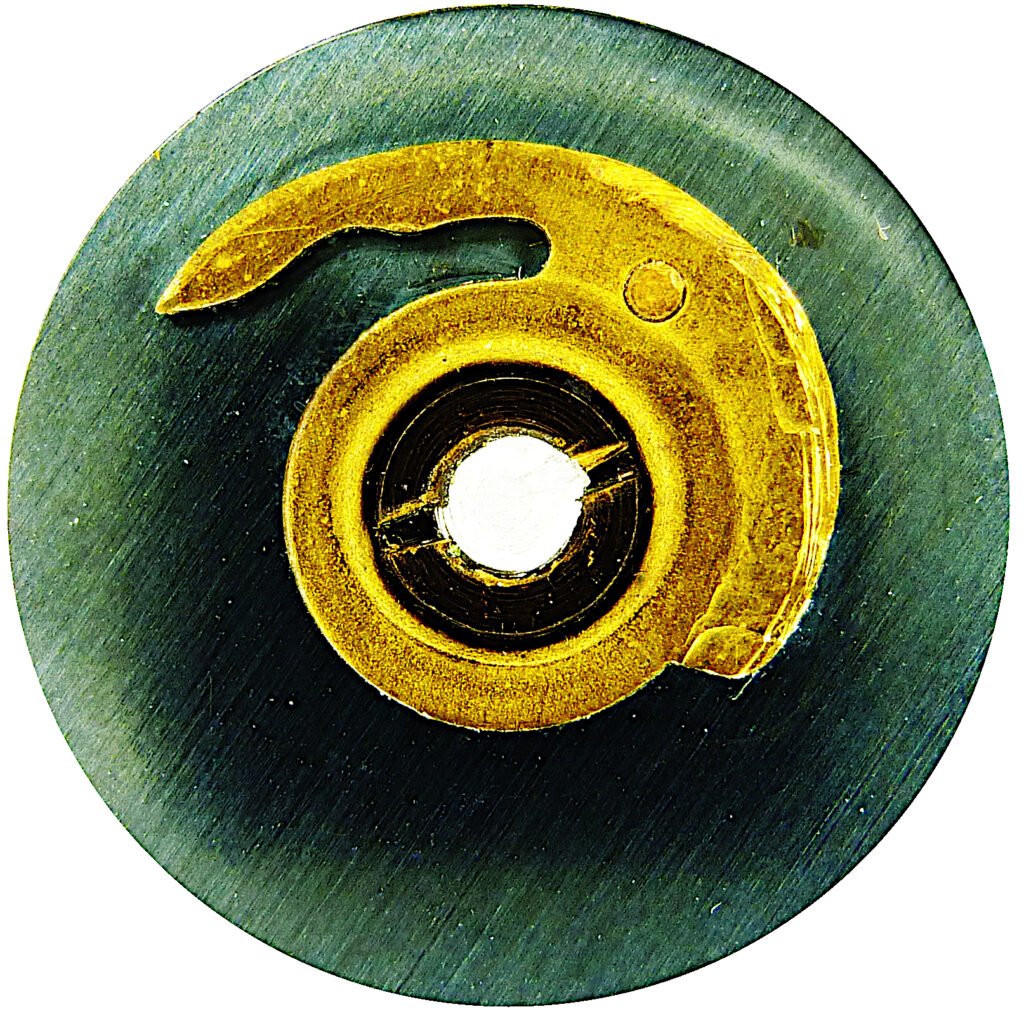
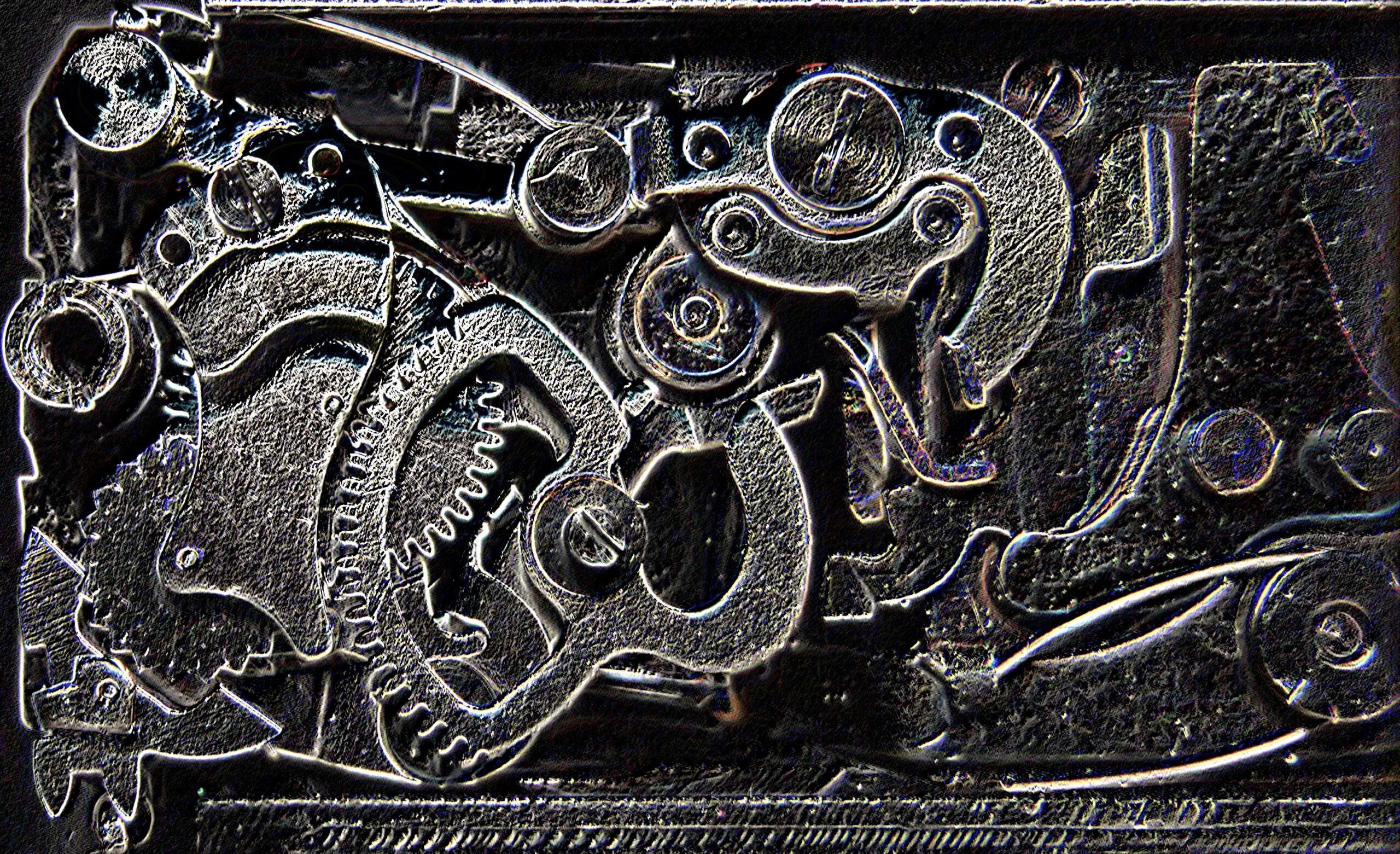
The Minox A IIIs, B, BL, and AX use purely mechanical shutter systems to control light for their tiny 8x11mm film. No electronics — just intricate engineering! How do these cameras handle shutter speeds from 1/2 to 1/1000 seconds, plus B and T settings, to achieve perfect exposures?
This question had been nagging at me. Not just out of curiosity about how the designer had managed to achieve this. That too. But what about the Minox cameras where the shutter speeds are incorrect? This is an issue that preoccupies many Minox enthusiasts. If you want to repair it and not just blindly try things out, you need to know what's going on inside the camera.
After a year and a half of reverse engineering, I finally cracked the code of this mechanism. Since my memory isn't very good, I had to write everything down so I wouldn't forget it. Besides, some things only become clear to me when I try to put them into words. I now would like to share the result with you. My article includes many photos and videos —never before seen online or in books — showcasing the system in action. As far as I know, there’s no other technical description like this out there.

I would greatly appreciate your feedback on the clarity and completeness of the article, as well as any further suggestions on other Minox topics – please let me know what you think!
P.S. This is just my hobby — nothing commercial! I write mainly for myself, so that I don't forget the insights I've gained and so that I can share my enthusiasm with everyone who is interested in historical (miniature) cameras.
Click here for the full story:
Trigger Warning: Contains highly technical details that might send tech geeks into excitement!
 moments-of-now.com
This question had been nagging at me. Not just out of curiosity about how the designer had managed to achieve this. That too. But what about the Minox cameras where the shutter speeds are incorrect? This is an issue that preoccupies many Minox enthusiasts. If you want to repair it and not just blindly try things out, you need to know what's going on inside the camera.
After a year and a half of reverse engineering, I finally cracked the code of this mechanism. Since my memory isn't very good, I had to write everything down so I wouldn't forget it. Besides, some things only become clear to me when I try to put them into words. I now would like to share the result with you. My article includes many photos and videos —never before seen online or in books — showcasing the system in action. As far as I know, there’s no other technical description like this out there.
I would greatly appreciate your feedback on the clarity and completeness of the article, as well as any further suggestions on other Minox topics – please let me know what you think!
P.S. This is just my hobby — nothing commercial! I write mainly for myself, so that I don't forget the insights I've gained and so that I can share my enthusiasm with everyone who is interested in historical (miniature) cameras.
Click here for the full story:
Trigger Warning: Contains highly technical details that might send tech geeks into excitement!
The Minox exposure system
From the user's perspective, exposure consists of three simple steps: set the exposure time, cock the shutter, and take the picture. All images in this
moments-of-now.com