Light Pollution Filters for Astro-photogrpahy ?

wildman

Suspended / Banned
Messages
152
Name
Jav
Edit My Images
No
DOes anyone know if there is a specific filter that you can buy that helps to combat light pollution if you are trying to take star shots ? Every attempt I make at shooting the night sky seems to get hindered by light pollution.

Of ocurse I could drive out into the middle of no where, but thats going to be a bit difficult on a regualr basis :(
 
I may be completely wrong but I would have thought that light whether pollution or from the stars is the same and you wouldn't be able to get rid of one with out losing the other.
 
ND grad mounted upside down?

Those Astronomik drop-in filters are excellent. The only problem is that they don't work with EF-S lenses. That's why I still own a Toki 11.16.

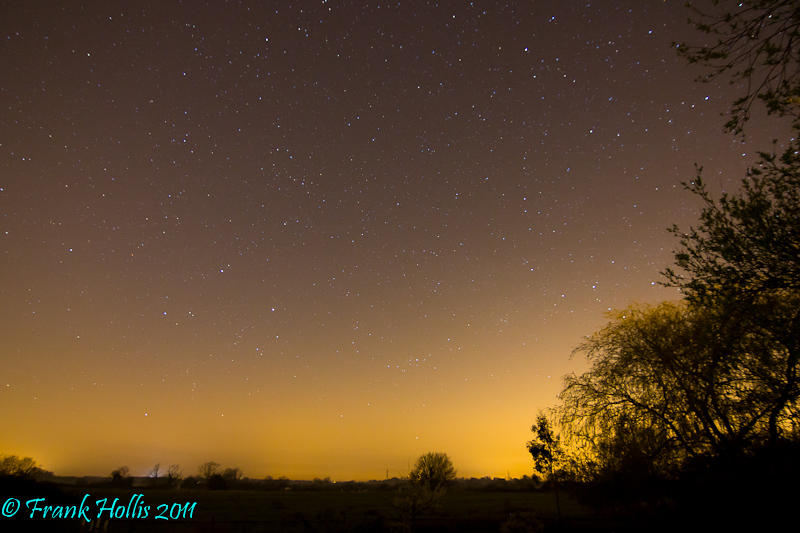
No filter...

LightPollution-1.jpg


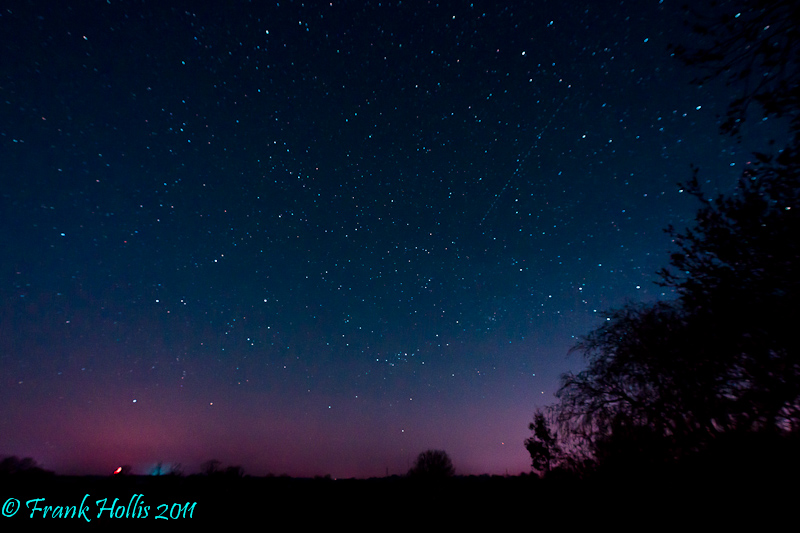
Filtered...

LightPollution-3.jpg
 
I may be completely wrong but I would have thought that light whether pollution or from the stars is the same and you wouldn't be able to get rid of one with out losing the other.

Light pollution tends to be over a very narrow range of frequencies - mainly from sodium lighting. A light pollution filter tries to block that narrow range.
 
Those Astronomik drop-in filters are excellent. The only problem is that they don't work with EF-S lenses. That's why I still own a Toki 11.16.

No filter...

LightPollution-1.jpg


Filtered...

LightPollution-3.jpg

Thats the results I am trying to get, but due to the recent over urbanisation of my area everything looks like your first shot :(

Why not just do it in post processing?

I don't think you can PP light pollution out very well though without impacting overall image quality, I thought it would have been a bit like trying to reproduce the effects of a CP filter which is actually impossible in PP ?
 
Last edited:
Just had a look on a stargazing forum and they have very impressive results.
 
Just had a look on a stargazing forum and they have very impressive results.

from PP ?

if so, I will endeavour to increase my PP skills so I can try for similar. The sky and astronomy has always fascinated me but I know my photography skills are no where good enough yet to get there :(
 
from PP ?

No way. I think my PP skills are pretty good. But there is absolutely no way that I could take my unfiltered shot and get anything like my filtered shot.

If anybody thinks they can then I'd be happy to make the raw file available.
 
No way. I think my PP skills are pretty good. But there is absolutely no way that I could take my unfiltered shot and get anything like my filtered shot.

If anybody thinks they can then I'd be happy to make the raw file available.

I like a challenge but my pp skills suck:lol:. However I'd like to see if any of the usual pp suspects could do anything with the image so will link to this in the pp area and see if there's any takers.
 
Is it possible a polarised lens might help? (assuming the glow is reflected light?)
 
hollis_f said:
Those Astronomik drop-in filters are excellent. The only problem is that they don't work with EF-S lenses. That's why I still own a Toki 11.16.

No filter...

Filtered...

That looks amazing. Which filter do you have??
 
I use an Astronomik CLS Light Pollution EOS Clip Filter bought from Rother Valley Optics. Not cheap at £113, but I do like the results.

Here's a transmission spectrum that shows how it works. It absorbs almost everything between 540 and 630 nm - which includes the mercury and sodium emission bands. The result is that all that horrible orange muck doesn't reach your sensor. Of course, it also removes all of the orange light from your stars. So you need longer exposures (the filtered image above was boosted 1 stop in PP) and you'll need to fiddle with the colours.
 
No way. I think my PP skills are pretty good. But there is absolutely no way that I could take my unfiltered shot and get anything like my filtered shot.

If anybody thinks they can then I'd be happy to make the raw file available.

About 30 seconds in Lightroom. Adjust the white balance towards the blue end, raise the blacks slightly and increase the contrast. Played with the curves a little but didn't make much difference. Wiith more time, or using Photoshop, I could probably have got it even better.

LR-100.JPG


You don't need a filter, you just need to adjust the white balanceto allow for the sodium lighting :)
 
Last edited:
Light pollution tends to be over a very narrow range of frequencies - mainly from sodium lighting. A light pollution filter tries to block that narrow range.
Yup I was completely wrong:bonk:
 
Had a quick go last night but it was pretty woeful although it was only to test a couple of things.
Put a bit more effort into tonight- trying to avoid harsh banding is quite tricky and although you think 'ah,nearly there, a bit more time and I could do this and that'- you know those things will be the real time consumers to get near the effect of using a filter.


Edit45 by Dr_Ozone, on Flickr

Good to see people rising to the challenge though:thumbs:
Maybe with enough time...

Faced with a choice of getting much better at PP or spending some money- well, tonight's experiment has shown me I'd have much more free time to shoot by spending the money on some filters:lol:

However, having said that, I'm lucky I don't do astrophotography- I have an expensive enough lifestyle:lol::bonk:
 
Its ok getting rid of the colour cast in photoshop but the other reason for CLS filters is not just to reduce the effect on colour but also to be able to expose longer.Have a look at the Cloudy Nights forum at the Astro Photography section for loads of info about the use of light polution filters.
 
Back
Top