

You are using an out of date browser. It may not display this or other websites correctly.
You should upgrade or use an alternative browser.
You should upgrade or use an alternative browser.
Learn with MD Lesson No2.
- Thread starter ..MD..
- Start date

ki_user
Suspended / Banned
- Messages
- 2,675
- Name
- Lee
- Edit My Images
- Yes
The only way I can explain the way I understand it. The inside of your camera has no light in it, when the shutter opens e.g. 1/500th sec, a certain amount of light hits the film/sensor. If you are in a room without light and your flash only lasts 1/500th sec the same amount of light is hitting the film/sensor even if the shutter is open for 2hours if there is no more available light it will not make any difference.
Hope this makes sense, it did in my head.
Hope this makes sense, it did in my head.
I was thinking that it was to do with the speed of the pulse of the flash. So in other words the shutter clearly has to be open when the flash pulses but it is the speed of that pulse that freezes the action as opposed to the speed of the shutter. I guess the shutter is open for 1/500 but the flash may be quicker? Something like that. I'm not sure I'm right about this.

tdodd
Suspended / Banned
- Messages
- 6,481
- Name
- Tim
- Edit My Images
- No
I was thinking that it was to do with the speed of the pulse of the flash. So in other words the shutter clearly has to be open when the flash pulses but it is the speed of that pulse that freezes the action as opposed to the speed of the shutter. I guess the shutter is open for 1/500 but the flash may be quicker? Something like that. I'm not sure I'm right about this.
You are right. According to the research here - http://www.waynesthisandthat.com/flashdurations.html - at full power the flash duration from a Canon 580EX is 1/833, but as the power demand reduces the flash duration also reduces, such that at 1/128 power the flash pulse lasts only approx 1/35000, which will surely freeze most things.
In my second shot I actually used the strobe feature of my flash to fire multiple times while the shutter was open. That is why you can see a staggered effect from the bouncing ball, as each tiny flash pulse momentarily freezes the ball in its new position as it moves through the air. The flash was firing at 120Hz, or 120 times per second, but at only 1/128 power. Thus during the 1/15 exposure the flash fired 8 times.
You can use flash creatively with motion, either by strobing, as I have done, or by using second curtain sync to fire the flash at the end of the exposure. I'm sure that's a topic for another day.

I know the lesson this week was not about flash, but flash use was not banned, so I thought I'd be a little bit inventive.


DiddyDave
Suspended / Banned
- Messages
- 9,521
- Edit My Images
- Yes
Flash is waaaaaaaaay off in MD's lesson ideas - but to give you an idea of how it works in (hopefully) simple terms...
Any time flash is used is a DOUBLE exposure - one is the ambient light (so any light around from the Sun or artificial lights such as streetlights, car headlamps, torches etc. - the second exposure is the flash itself
The speed of the flash is often well in excess of 1/1,000th of a sec and it can be MUCH faster than that, so if the flash exposure is bright enough to record on your sensor then it will obviously freeze most moving things
The ambient light shutter speed may well be slow by comparison, even at the flash sync speed of 1/250th for most cameras, so if there is enough ambient light to record too on the same shot you may have such as...
Flash f5.6 1/5,000th sec AND Ambient f5.6 1/250th sec - hence the flash part of the shot freezes the fast moving action whereas the ambient part of the shot can be slow enough to blur
Extremes - if it's really dark then there may be no ambient light recorded and hence ONLY the flash exposure lights the subject - if it's bright then the ambient light may be well over 1/1,1000th sec and the flash may not be powerful enough to record at all
A common use of ambient & flash at Weddings is during the first dance... here the ambient is usually set to an exposure of around 1/25th second so of course the swishing dress is blurred but then there's a burst of flash too to freeze the action and record proper detail in the couple & dress too
I hope that helps a bit, but as I said initially this is waaaaaaaaaay down the line stuff really
DD
Any time flash is used is a DOUBLE exposure - one is the ambient light (so any light around from the Sun or artificial lights such as streetlights, car headlamps, torches etc. - the second exposure is the flash itself
The speed of the flash is often well in excess of 1/1,000th of a sec and it can be MUCH faster than that, so if the flash exposure is bright enough to record on your sensor then it will obviously freeze most moving things
The ambient light shutter speed may well be slow by comparison, even at the flash sync speed of 1/250th for most cameras, so if there is enough ambient light to record too on the same shot you may have such as...
Flash f5.6 1/5,000th sec AND Ambient f5.6 1/250th sec - hence the flash part of the shot freezes the fast moving action whereas the ambient part of the shot can be slow enough to blur
Extremes - if it's really dark then there may be no ambient light recorded and hence ONLY the flash exposure lights the subject - if it's bright then the ambient light may be well over 1/1,1000th sec and the flash may not be powerful enough to record at all
A common use of ambient & flash at Weddings is during the first dance... here the ambient is usually set to an exposure of around 1/25th second so of course the swishing dress is blurred but then there's a burst of flash too to freeze the action and record proper detail in the couple & dress too
I hope that helps a bit, but as I said initially this is waaaaaaaaaay down the line stuff really
DD
DiddyDave
Suspended / Banned
- Messages
- 9,521
- Edit My Images
- Yes
I know the lesson this week was not about flash, but flash use was not banned, so I thought I'd be a little bit inventive.
Inventive? Or a little bit naughty & confusing perhaps

DD
I had worked out that you were using the strobe. What I was pondering over was what Dave explained regarding the ambient light part of the exposure causing blur.
I realise this has gone off at a tangent but I don't think it does any harm to get us thinking a bit harder and to introduce topics that might be covered further down the line, just as long as it doesn't turn into an in depth discussion. In fact, given that the thread has gone pretty quiet it probably helps.
Thanks for the added interest Tim and the explanations from you both. I enjoyed having to exercise my brain!
I realise this has gone off at a tangent but I don't think it does any harm to get us thinking a bit harder and to introduce topics that might be covered further down the line, just as long as it doesn't turn into an in depth discussion. In fact, given that the thread has gone pretty quiet it probably helps.
Thanks for the added interest Tim and the explanations from you both. I enjoyed having to exercise my brain!
tdodd
Suspended / Banned
- Messages
- 6,481
- Name
- Tim
- Edit My Images
- No
Inventive? Or a little bit naughty & confusing perhaps
DD
I couldn't face having yet another pair of shots with a "frozen" ball and a blurry one. I'm afraid I need a little spice to keep my attention, so I thought I'd mix it up a bit. It's not like I totally ignored the concept of shooting one long exposure and one short one. Nobody said flash was forbidden. And my efforts have prompted some thought and perhaps given ideas for future weeks. No harm done, I think. Hopefully some good


ajj1001
Suspended / Banned
- Messages
- 113
- Name
- alison
- Edit My Images
- Yes
In fact, given that the thread has gone pretty quiet it probably helps.
Not especially just means I have to skip the last few posts. I'm trying to keep it simple so I learn from the beginning


ryanyboy
Suspended / Banned
- Messages
- 5,275
- Name
- Ryan
- Edit My Images
- Yes
Hi,
Here's mine. I did them on Sunday am, not too happy with the dull light so hoped to redo during the week but no luck.
Note how happy my lad looks!
Both taken hand held on manual at 70mm. EXIF should be intact
1. 1/30th

2. 1/800th - there is still some motion in the ball?

In the second shot there is no motion in the ball - it's frozen ok. But it's not in focus, your assistant is in focus instead. Try focusing on the ball and try again. I think you'll find it will be sharp and have no blur.
Not especially just means I have to skip the last few posts. I'm trying to keep it simple so I learn from the beginning
Yes but so long as it is only two or three posts you have to skip, where's the harm?
I find it gives me food for thought and something I'm now aware of and have made a mental note to try at some point down the line when my skills have become more advanced and/or I feel like trying to be more creative.
DiddyDave
Suspended / Banned
- Messages
- 9,521
- Edit My Images
- Yes
I couldn't face having yet another pair of shots with a "frozen" ball and a blurry one. I'm afraid I need a little spice to keep my attention, so I thought I'd mix it up a bit. It's not like I totally ignored the concept of shooting one long exposure and one short one. Nobody said flash was forbidden. And my efforts have prompted some thought and perhaps given ideas for future weeks. No harm done, I think. Hopefully some good
Well at least you did it - I find I don't have the balls for this one

DD
Well at least you did it - I find I don't have the balls for this one
DD
and even if you had we wouldn't want you to be posting pictures of them
ajj1001
Suspended / Banned
- Messages
- 113
- Name
- alison
- Edit My Images
- Yes
Yes but so long as it is only two or three posts you have to skip, where's the harm?
I find it gives me food for thought and something I'm now aware of and have made a mental note to try at some point down the line when my skills have become more advanced and/or I feel like trying to be more creative.
10 but who's counting
OP

- Messages
- 10,257
- Name
- MonkeyDave
- Edit My Images
- Yes
Shouldn't we be seeing Lesson 3 posted tonight?

Been thinking about it

Ah sod it i'll go and post it now.
MD
DiddyDave
Suspended / Banned
- Messages
- 9,521
- Edit My Images
- Yes
Been thinking about it
Ah sod it i'll go and post it now.
MD
You've forgotten to include a link again

DD
OP
- Messages
- 10,257
- Name
- MonkeyDave
- Edit My Images
- Yes
You've forgotten to include a link again
DD
Ahhhh Yes sorry guys.
Its here http://www.talkphotography.co.uk/forums/showthread.php?t=244073
Regards
MD

foggy4ever
Suspended / Banned
- Messages
- 5,735
- Name
- Storm Trooper
- Edit My Images
- Yes
It's not that hard to find, the clue is in the title
OP
- Messages
- 10,257
- Name
- MonkeyDave
- Edit My Images
- Yes
It's not that hard to find, the clue is in the title
Thats what I thought .. BUT I will link then from now on...
MD
DiddyDave
Suspended / Banned
- Messages
- 9,521
- Edit My Images
- Yes
It's not that hard to find, the clue is in the title
Mr Forensic Scientist there :razz:
Thats what I thought .. BUT I will link then from now on...
MD
Don't FEED him ammo

DD
foggy4ever
Suspended / Banned
- Messages
- 5,735
- Name
- Storm Trooper
- Edit My Images
- Yes
Mr Forensic Scientist there :razz:
Don't FEED him ammo
DD
Don't push me....I've got the hiccups, had them for about half an hour and getting a little ****ed off. :annoyed:
OP
- Messages
- 10,257
- Name
- MonkeyDave
- Edit My Images
- Yes
Don't push me....I've got the hiccups, had them for about half an hour and getting a little ****ed off. :annoyed:
HA " HIC " Ha " hic" Ha
LMAO
Its funny when nits someone else....
MD
foggy4ever
Suspended / Banned
- Messages
- 5,735
- Name
- Storm Trooper
- Edit My Images
- Yes
HA " HIC " Ha " hic" Ha
LMAO
Its funny when nits someone else....
MD
No it ****ing isn't :razz:
DiddyDave
Suspended / Banned
- Messages
- 9,521
- Edit My Images
- Yes
Don't push me....I've got the hiccups, had them for about half an hour and getting a little ****ed off. :annoyed:
Here's a sure-fire cure
Puzzle - you need to put & do this in the right order
Drive - wall - car - 100mph
Solves pretty much any problem for YOU only
including hiccupsDD
OP
- Messages
- 10,257
- Name
- MonkeyDave
- Edit My Images
- Yes
foggy4ever
Suspended / Banned
- Messages
- 5,735
- Name
- Storm Trooper
- Edit My Images
- Yes
They've stopped now  thanks for the concern and ideas to cure ......now for chinese and beer!!!!!
DiddyDave
Suspended / Banned
- Messages
- 9,521
- Edit My Images
- Yes
WOW - psychic too - that was my other 'cure' idea
DD

YellowMonster21
Suspended / Banned
- Messages
- 14
- Name
- Dan
- Edit My Images
- Yes
Hi All,
I see I'm late, but here is my first effort.
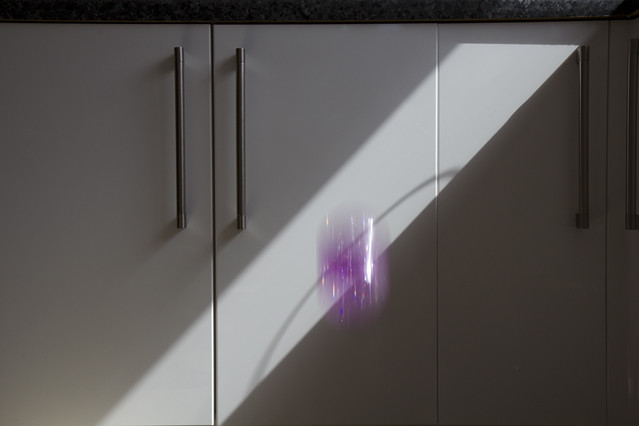
and
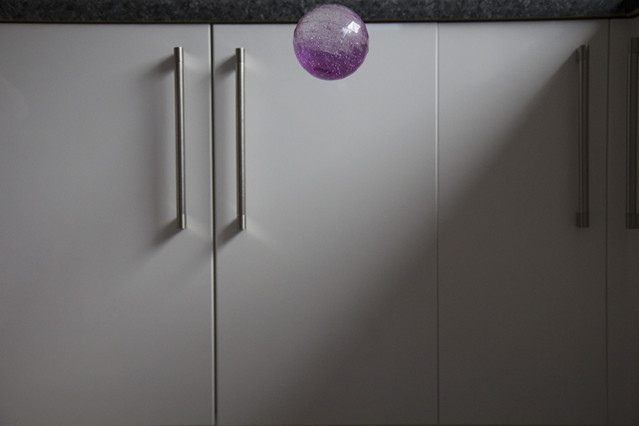
I found it difficult to manage the correct exposure as my assistant wanted to play with her dolly :0)
I think the white reflective background has caused some issues with exposure. I could play with this PS but I want to try and get it right in camera before I get into bad habits.
Nice lesson liked this one, just been a busy week with kids birthdays!
Ok, not seen lesson 3 yet so on my way over.
Ta
Dan
I see I'm late, but here is my first effort.
and
I found it difficult to manage the correct exposure as my assistant wanted to play with her dolly :0)
I think the white reflective background has caused some issues with exposure. I could play with this PS but I want to try and get it right in camera before I get into bad habits.
Nice lesson liked this one, just been a busy week with kids birthdays!
Ok, not seen lesson 3 yet so on my way over.
Ta
Dan


