I have a Nikon D3100 and starting to use it when out hill walking. Now I still currently use the landscape setting on camera as I am not fully sure on how to use manual. But I have heard I would be better to use a circular polarize lens. What would be the reason for that and any recommendations?
You want CPL (circular polariser) filter, not the lens. CPL filters cut down glare, it basically makes glass greener, sky bluer and water more or less see through.
I recommend B+W filters as they are the best quality, failing that, get Hoya HD or Pro1 filters.
I have a Nikon D3100 and starting to use it when out hill walking. Now I still currently use the landscape setting on camera as I am not fully sure on how to use manual. But I have heard I would be better to use a circular polarize lens. What would be the reason for that and any recommendations?
Yes, polarising filters are great for landscapes. The 'circular' bit refers to the optical construction and not the fact that they're usually round.
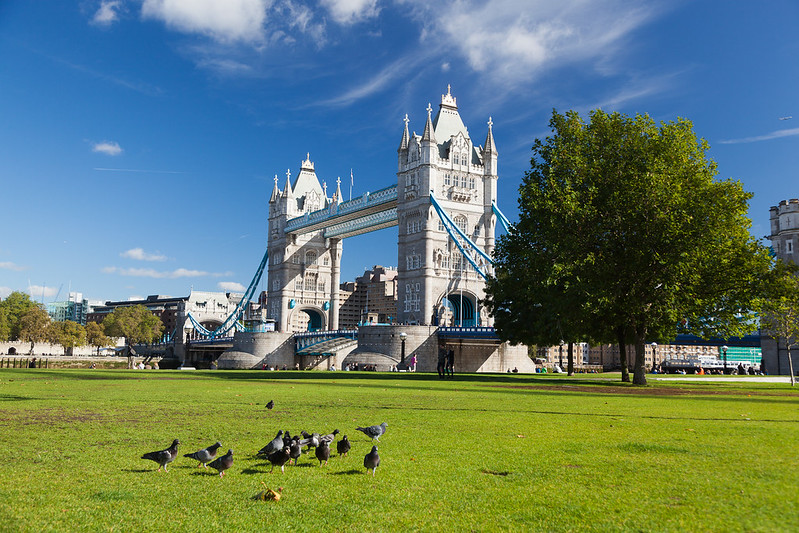
A polariser cuts polarised light. Light from a clear blue sky is polarised and a CPL can darken that substantially when the angles are right, but not at all when the angles are wrong, or if it's overcast (because the atmosphere de-polarises the light).
Reflected light is also polarised and again when the angles are right, a polarising filter can remove reflections completely, eg from glass or water. The critical angle is between 30-40 degrees to the surface (Brewster's Angle). Polarisers work well on grass and foliage, making it darker and richer, because there are always some leaves or blades of grass that just happen to fall at the right angle.
Polarisers are all about angles - angles to the subject, and angle of rotation. Sometimes the effect is dramatic, sometimes barely noticeable, but usually beneficial in some way. Very easy, just rotate it and watch the image change.
This site uses cookies to help personalise content, tailor your experience and to keep you logged in if you register.
By continuing to use this site, you are consenting to our use of cookies.