ISO's

  • Thread starter Thread starter msh
  • Start date Start date

msh

Suspended / Banned
Messages
12
Name
mark
Edit My Images
Yes
Can you teach me/educate me on ISO's.

I'm relatively new to photography I know a few bits from reading and trying things out but would like to know how changing or using the appropriate ISO would help me take better pictures.

I have a Nikon D40 with an 18-55mm lens and a polarising filter.

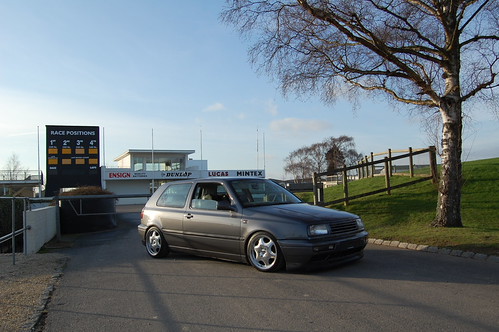
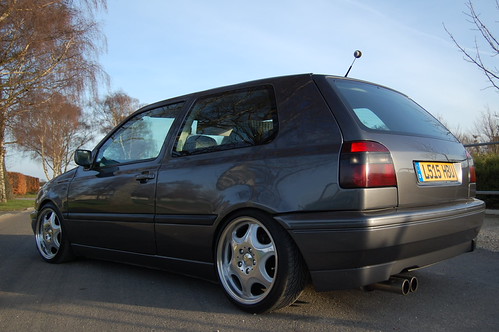
Here are some shots of a mates car comments/critism welcome

Thanks.
3886470343_87c301c0f5.jpg

3887266324_db4986e49b.jpg
 
In digital cameras ISO is the camera's sensitivity to light. The higher the ISO number, the more sensitive the camera is to light.

The problem is that as the camera boosts the available light (becomes more sensitive), it also boosts any signal noise that is present. Creating the speckled effect you might see if you turn your camera's ISO up. This is analogous to turning up the gain on a sound amplifier.

What this means is you should use the lowest ISO possible to achieve the camera setting that is crucial to the effect you want to achieve in the picture.

Basically, you are trading the three variables you have at your disposal: shutter speed, aperture and ISO, depending on what is important to the look of the photo.
 
Well, if you understand about aperture and shutter speed, ISO is the third part of the triangle.

If you cant get the depth of field (aperture) and motion control (shutter speed) that you want with the ambient light then you can vary iso to alter the sensitivity of the camera to light. Usually used when increased sensitivity to light is needed (ie it is too dark to get the shot you want). The only other option for poor light is flash or other externla lighting.

If you have too much light then you go down the route of neutral density filters.
 
start with low ones..50/64/100
dont go higher unless you need to because of speed requirements

your results will be better
 
Cool, thanks a lot guys. I will try it out.
 
Back
Top