Sod all the technical jargon, on your camera use 100 if you can and only go higher if you need a faster shutter speed such as in low light. 800 is about the max before noise starts to noticeably kick in and 1600 is ok for a record type shot, but never going to be the best
Might even find you can expand it to 3200, but that ain't going to be great, but better than nothing
Pretty sensible advice IMO. I think there's an element of "it depends" as well.
It depends on your camera. For example ISO 100 on my superzoom (Canon SX10is) is quite similar to ISO 800 on my Micro Four Thirds Panasonic G3. I have hardly ever used ISO 800 successfully on my SX10.
It depends on the type of image. Noise tends to show up more in areas of plain colour and shadows. You can get away with higher ISOs for some images than others.
It depends on the viewer's tolerance for noise. Some people can't stand having any noise at all visible in their images, other people aren't bothered by a bit of noise. In fact, some people think a little noise can sometimes enhance an image.
It depends on the type of noise. Noise can involve random spots/blotchiness of either colour ("chroma") or brightness ("luminance"). Don't know if it is generally true, but for me at least I have more tolerance for a bit of luminance noise than for chroma noise.
It depends on how large you are going to view or print an image. The larger the image, the less noise it should have in order to be acceptable.
It depends on how much you crop an image. The more you crop, the more prominent the noise will become.
It depends on whether you post process or not. If you post process then you can reduce the noise, but in doing this you will also lose details. Whether you can get an image to an acceptable degree of noise without sacrificing too much detail depends on all the previous things, and also on how good your post processing technique, how good your processing software is with noise, and how much time you have available to process the image.
It depends on your camera settings. You may be able to turn noise reduction up or down in your camera. The same considerations about losing detail apply as with post processing.
It may depend on whether you use RAW or not. I don't know, I don't use RAW, but I imagine you would have a bit more flexibility in dealing with noise if you use RAW.
Another consideration is colour. Higher ISOs tend to produce desaturated images. Here too post processing can help to some extent.
Some people simply won't use ISOs above a certain amount, which is fair enough. But I'm with Rich, in the "it can be better than nothing" brigade.
For example, these images would not be good enough quality for some people, but they are fine for my purposes. I think you should experiment to find out what works for you.
ISO 3200
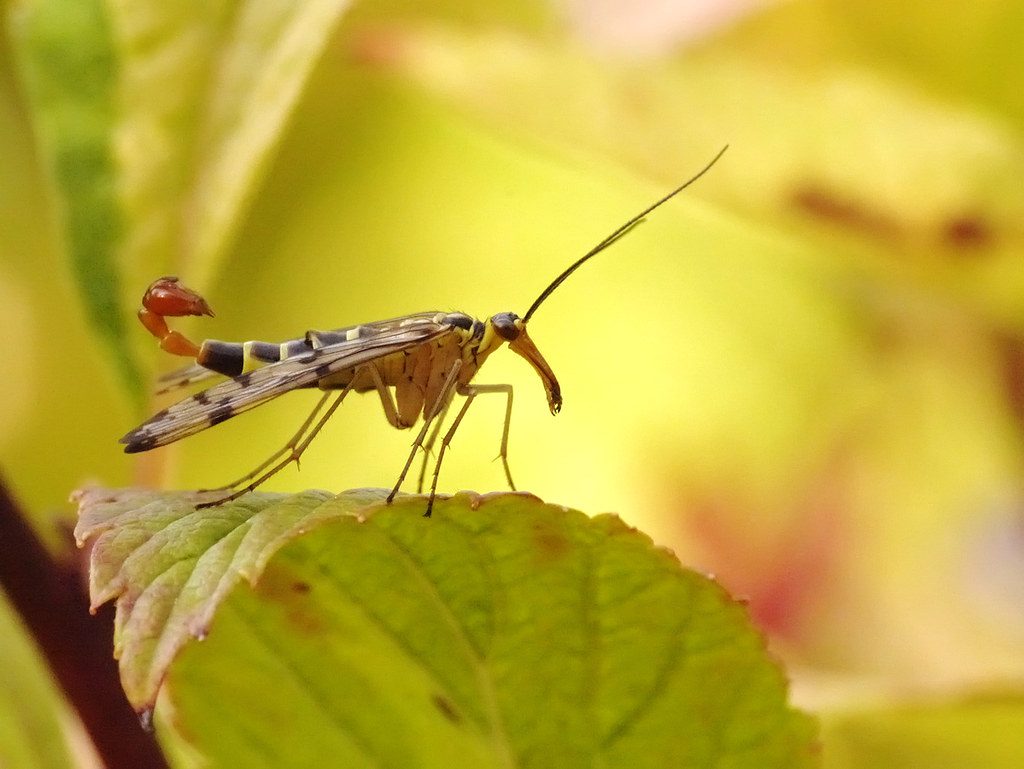 0383 41 2011_09_04 P1130459 ISO3200 PS2 NoLu33,2,2BuHiExCuNoLu33,2,2 900hSS72x0.3
 by
gardenersassistant, on Flickr
ISO 3200
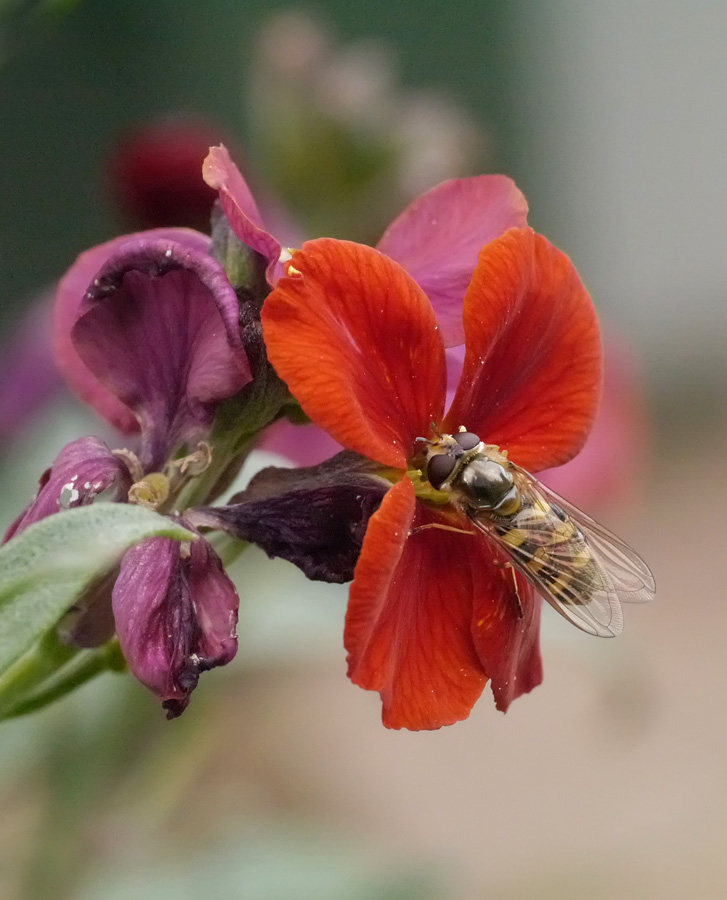 0383 48 2011_09_04 P1130564 ISO3200 PS1 NoLu33,2,2CrClExLebNoLu33,2,2 900hSS32x0.3
 by
gardenersassistant, on Flickr
ISO 6400
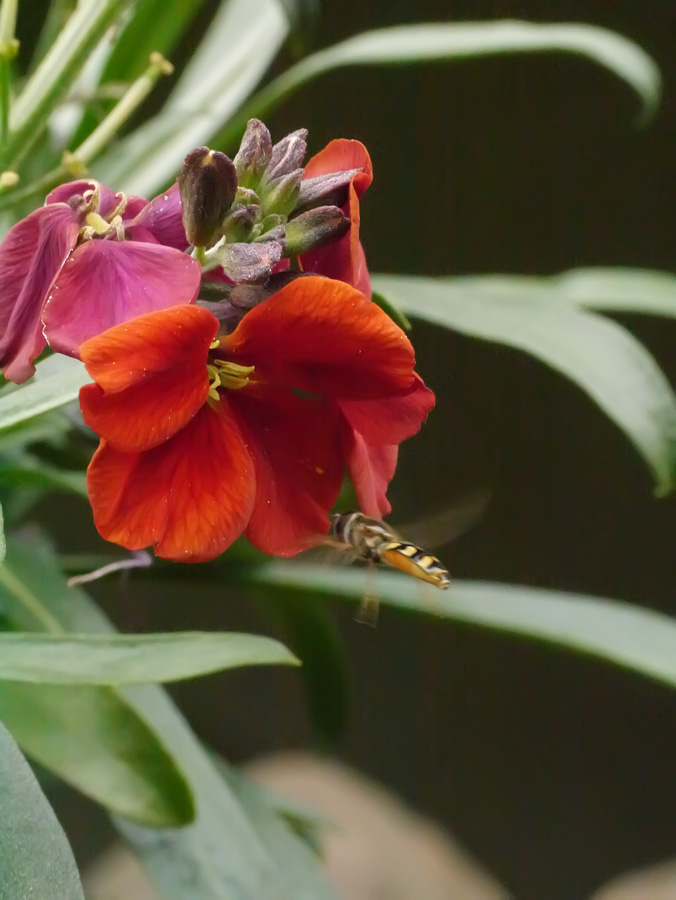 0383 49 2011_09_04 P1130595 ISO6400 PS1 NoLuCo100+8,37+2,5,5ExLeb900hSS45x0.3
 by
gardenersassistant, on Flickr




 It seems like some of you are talking from the perspective of film cameras and some of cameras using digital sensors. On a film camera the aperture does indeed control how much light reaches the film plane as much as the shutter controls how long that light lasts. With digital it gets a lot more complicated and I would point to the aptly named Petersmart for that one. Hats off to you for a knowledge way way beyond mine.

