Is full frame worth it?

You must note that mostly all L lenses Are designed for full frame cameras.

I would love a full frame though as my 70-200 mk2 is a bit too long on a crop and also my 50mm f1.8 is too long for a walkaround lens
 
jonneymendoza said:
You must note that mostly all L lenses Are designed for full frame cameras.

I would love a full frame though as my 70-200 mk2 is a bit too long on a crop and also my 50mm f1.8 is too long for a walkaround lens

No they are designed for all cameras.
 
odd jim said:
No they are designed for all cameras.

Fit all canons but I don't think designed for is necessarily true. For instance something like a 17-40 or 16-35 is designed to be an ultra wide angle and not a normal lens on a crop. And a 24-70/105 isn't really designed for using on a crop as it isn't that wide. However the longer end can become more useful.
 
amtaylor said:
Fit all canons but I don't think designed for is necessarily true. For instance something like a 17-40 or 16-35 is designed to be an ultra wide angle and not a normal lens on a crop. And a 24-70/105 isn't really designed for using on a crop as it isn't that wide. However the longer end can become more useful.

I agree to an extent, especially in relation to focal ranges. But, for example, you can't say the 70-200's, 100-400 etc are 'designed' per se for FF but then I supposed the term "designed" is subjective...
 
I agree to an extent, especially in relation to focal ranges. But, for example, you can't say the 70-200's, 100-400 etc are 'designed' per se for FF but then I supposed the term "designed" is subjective...

The benefits of lenses designed for crop-format cameras quickly run out over about 60mm-ish. Canikon etc doesn't make EF-S/DX lenses that start much beyond this focal length.

But below it, the advantages are substantial. For example, you simply couldn't make a 10-20mm super-wide that would cover full frame with anything like decent sharpness (or be small and affordable). You couldn't make 17-55 and get f/2.8 - the closest Canon gets is 16-35L which obviously has much less range. It also costs a lot more and doesn't have IS. Lots of other examples.
 
There is nothing in what I have said above that you could possibly disagree with.

With the greatest respect bud, you need to go right back to the basic concept of DoF, its relevance, and how it is applied.

The DoF might be as you describe, but in moving back you have changed perspective so the two images are not the same. To get a like for like comparison, you need to adjust focal length from the same viewpoint.

No, seriously, don't. You are completely mistaken.

Funny how you keep moving the goal posts and simply will not accept that you are, what's the word...wrong :lol:

I understand what's going on and I've been clear in what I've been saying, the problem is that you wont accept it and keep moving the goal posts to suit your own wrong view.

Remember how we got into this? You keep insisting that DoF changes with sensor size. It does not. Change ONLY the format size and DoF is the same.

Take two cameras with different sized sensors, mount the same lens or a very similar lenses on each and take a shot from point A at an object at point B and the DoF is.... THE SAME. That's always been my point but you wont see it and keep insisting upon changing position and / or lens too.

Moving position or changing lenses does not prove that DoF changes with format size because you've changed other things. Good God, changing lens or position between two shots while using just one format will make the DoF look different between shots so what hope have you got of proving anything when you do this?

The way to prove that format size affects DoF is to change only the format size and see if the DoF alters. It does not.

Therefore the statements.... Sensor size changes DoF, the smaller the sensor size the less control you have over DoF, you can't get shallow DoF from MFT are not strictly true, any of them. Sensor size in itself and by itself does not affect DoF. All you are doing is effectively cutting pieces out of an image so affecting DoF should be impossible, and it is. You have to change other things than the format size to get the DoF to change.

Anyone with two cameras with different sized sensors that'll take the same lens or similar lenses can prove this to themselves within minutes so how we can spend weeks arguing about it I simply don't know. Do the test and convince yourself.

Anyway, you're repeated goal post changes and refusal to do the test yourself are confusing me as it's easy to do. Do the test and find out for yourself. It's simple to do.

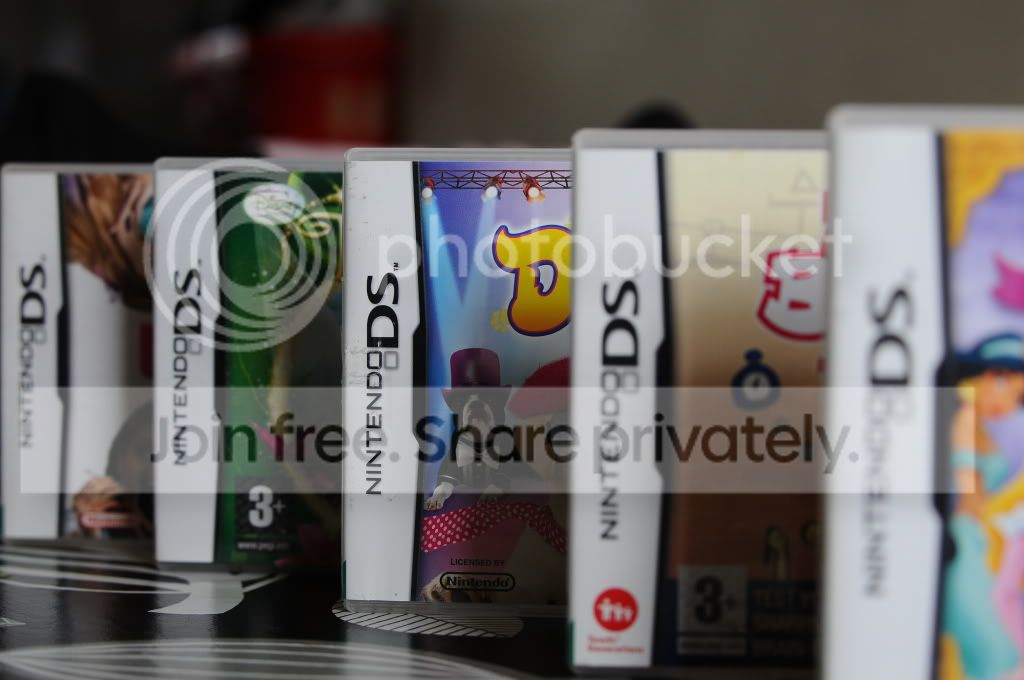
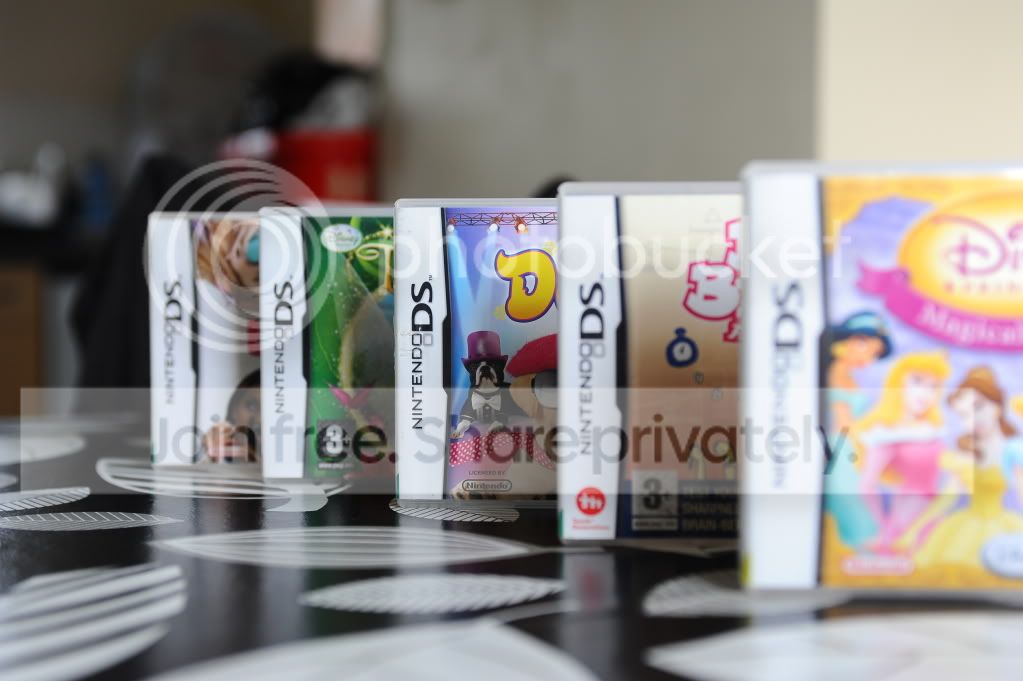
2c-GF1.jpg


2c-5D.jpg


Proved! :lol: :lol:

And as minds are closed on this easy to prove to yourself matter and those who will not see don't because they refuse to see that's my last word on this topic except ... "Try it and prove it for yourself!" :lol:

 
...... All you are doing is effectively cutting pieces out of an image so affecting DoF should be impossible, and it is.
But you then have to enlarge the piece you cut out to get it to the same size as the entire image it was removed from. When you enlarge the "cut piece", the areas previously perceived as "sharp" become less so.

Bob
 
Last edited:
Alan (and apologies to everyone else). I don't have any issue with that at all, and why you think that I would is a little puzzling. What you have done is crop down a larger sensor to effectively create an identical smaller one. So of course it is the same.

However, the point is one of relevance. That's not how we work. You started out with two completely different shots with much more of the scene captured by the larger sensor, and then manipulated it.

If you start with with two images from two different format cameras framed the same with the same field of view (which any normal person would regard as 'the same' for this purpose) then the image delivered from the smaller sensor has more DoF.

We know that the focal length has been adjusted to get the framing the same, that's what the lens crop factor is all about. That is how we work - the sensor is fixed and we adjust the lens; we don't start with a fixed lens and then fiddle about with framing on the the sensor because that would result in rubbish quality images.

I would like to leave it there.
 
But you then have to enlarge the piece you cut out to get it to the same size as the entire image it was removed from. When you enlarge the "cut piece", the areas previously perceived as "sharp" become less so.

Bob

You both (well, almost everyone here) needs critical thinking lessons :lol:

You're talking completely past each other. Side 1 (woof woof) is going on about the physical viewing of depth of field, changing one physical variable (sensor size) and keeping all other physical variables constant at a time, allowing the photographic variables to change.

Side 2 (not woof woof) is going on about the photographic viewing of depth of field, changing one photographic variable (sensor size) and adjusting other physical variables to keep other photographic variables (print size, field of view) constant.

It's made it quite funny to watch.
 
Last edited:
You both (well, almost everyone here) needs critical thinking lessons :lol:

You're talking completely past each other......

What I see is an attempt (by some people) to redefine the accepted (for many decades) definition of the term DoF into one pertaining to the capture of the image rather than the presentation of the image.

(The above statement is guesswork on my part as I simply fail to understand some of the theories...especially when short back focus is brought into play)

Bob
 
Back
Top