Improving photos.

Johnny7000

Suspended / Banned
Messages
139
Name
John
Edit My Images
Yes
Hi all.
I am relatively new to the Nikon d7000 camera.
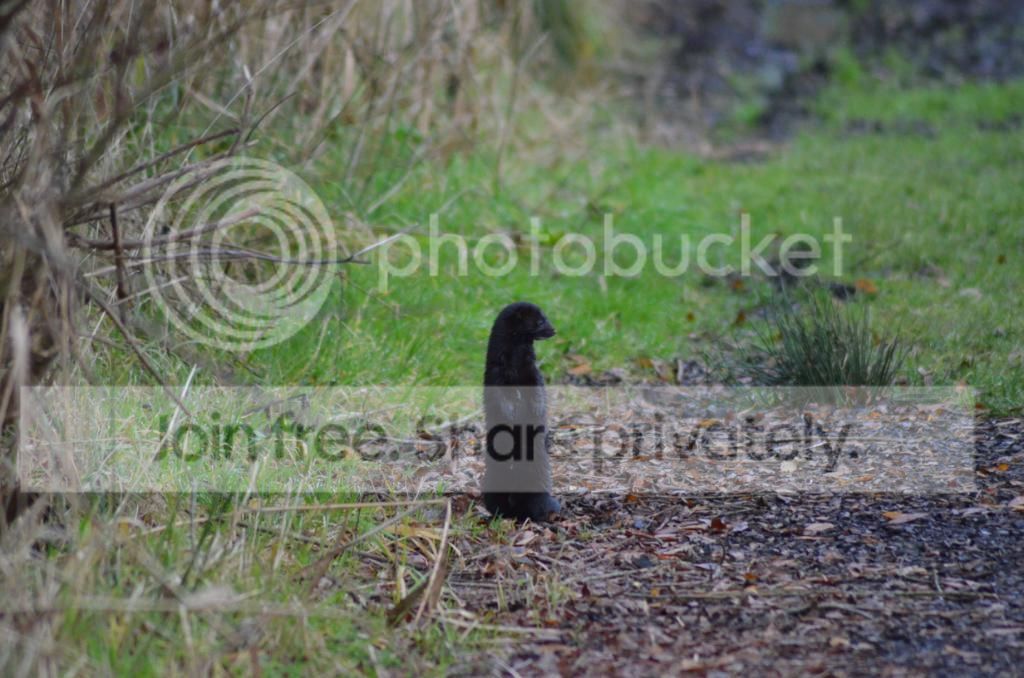
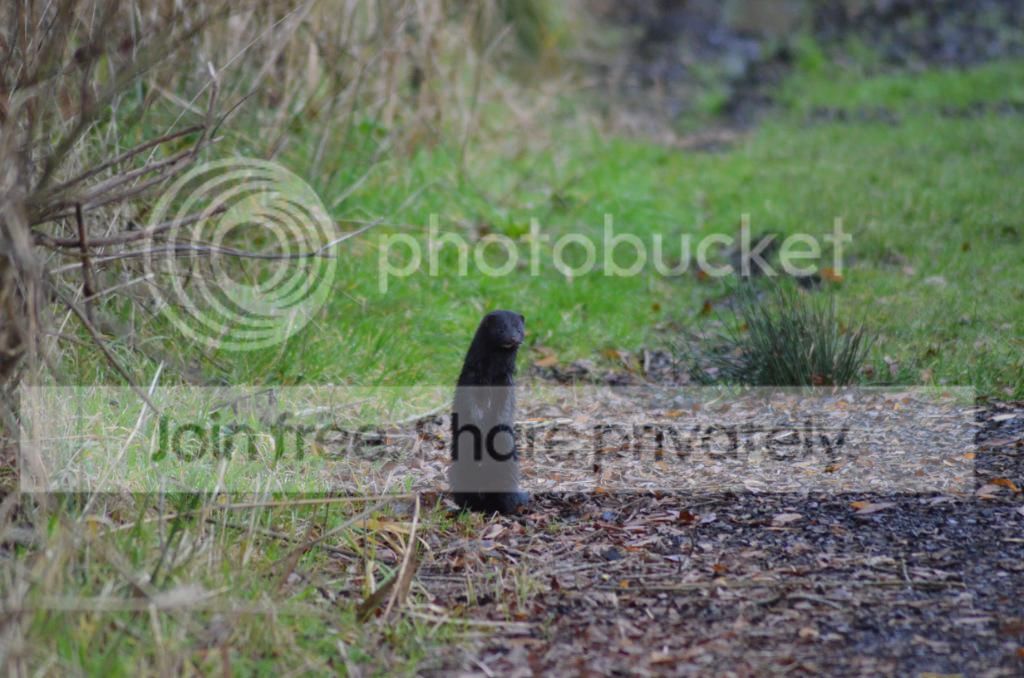
I was having a wander through a local nature reserve and a mink came out in front of me. Knowing he wouldn`t hang around once he`d seen me i snapped off a few before he did disappear.
How can i improve the photos (if i can)please.
Thanks.
033-1.jpg

035-1.jpg
 
You could make use of the D7000 16mps and crop in a bit tighter (focus needs to be spot on to make the most of cropping). Anything else would be PP to your taste. Probably a bit brighter though. D7000 is also great at higher ISO so don't be afraid to pump it up to get a better exposure. Do you have exif info for these shots?

Iain
 
You could make use of the D7000 16mps and crop in a bit tighter (focus needs to be spot on to make the most of cropping). Anything else would be PP to your taste. Probably a bit brighter though. D7000 is also great at higher ISO so don't be afraid to pump it up to get a better exposure. Do you have exif info for these shots?

Iain

Thankyou Iain. I`ll get back to you asap as regards exif info.
John.
 
Do you have exif info for these shots?

Iain

Camera Maker: NIKON CORPORATION
Camera Model: NIKON D7000
Image Date: 2012-12-21 16:00:00 (no TZ)
Focal Length: 300.0mm (35mm equivalent: 450mm)
Aperture: f/5.6
Exposure Time: 0.0016 s (1/640)
ISO equiv: 3200
Exposure Bias: none
Metering Mode: Matrix
White Balance: Auto
Flash Fired: No (enforced)
Orientation: Normal
Color Space: sRGB
GPS Coordinate: undefined, undefined
Software: Ver.1.03
 
Shutter speed was just about fast enough at that focal length and ISO was already pretty high and presumably that was your largest aperture?
You could have spot metered off of the mink rather than use matrix metering and looks like the focusing could be better although the ground around it looks like the focus area.
 
You are at the limit of your equipment, high ISO already, lens open as wide as it can. and slower shutter speed may result in motion blur.

If you try to get more light in, this will sacrifice shutter speed. Did you shoot raw? you might be able to increase the exposure there.
 
Camera Maker: NIKON CORPORATION
Camera Model: NIKON D7000
Image Date: 2012-12-21 16:00:00 (no TZ)
Focal Length: 300.0mm (35mm equivalent: 450mm)
Aperture: f/5.6
Exposure Time: 0.0016 s (1/640)
ISO equiv: 3200
Exposure Bias: none
Metering Mode: Matrix
White Balance: Auto
Flash Fired: No (enforced)
Orientation: Normal
Color Space: sRGB
GPS Coordinate: undefined, undefined
Software: Ver.1.03

Thanks for that Dave. :thumbs:
 
Dale_3100 is right there isn't much more you could do with the available light as it was near to sunset. You may be able to lighten it slightly in post processing. I find the d7000 has great high ISO, I find with the right conditions you can get very useable images up to 1000, even 2000 is useable but 3200 is pushing it for great images.

The one thing thats made the biggest difference this year to improve my wildlife photography was finding out about getting to the subjects eye level, its surprising how much difference it makes.
 
Last edited:
You've just discovered why people pay £6000 for a 300mm f2.8 as opposed to a £400 for a 300mm f5.6

At times, light is everything. When you're at your shutter speed limit, wide open and at your ISO limit, only money can save you.
 
rob-nikon said:
The one thing thats made the biggest difference this year to improve my wildlife photography was finding out about getting to the subjects eye level, its surprising how much difference it makes.

I think that applies with all photography, getting the horizon in the background, a bit of sky allows more light in to the frame and and makes a better picture, so much more interesting than a subject with lots of ground behind.

I need to research what people use to keep their knees clean when taking photos. I don't fancy waking around with one muddy knee
 
Wildlife photography takes getting used to, its unlike any other where you get a second chance. One of the best places to practise is in a zoo, there you can get an idea of camera settings for moving animals and that's about the best tip I can give. Shooting through mesh the trick is to get as close to the mesh as possible,this make the mesh so blurred it virtually disappears. Invariably on a walk you are almost bound to have the wrong lens for the shot, this has happened to me so many times and changing it is too late the animal has gone

Realspeed
 
Last edited:
Dale_d3100 said:
I need to research what people use to keep their knees clean when taking photos. I don't fancy waking around with one muddy knee

In the autumn/winter I wear waterproof trousers, you do get muddy knees until I take them off at the car. I have just brought a 6x4ft ground sheet off amazon for £2 to try laying on. The other idea I've yet to try is a garden foam kneeling pad, it would be light weight and could hang off the camera bag when not needed.
 
I recommend mud-coloured trousers! I use Jack Pyke waterproof trousers, or otherwise just have wet knees (and elbows at times).
 
I`ll happily sacrifice a muddy knee or two for a possible shot of a lifetime.
In wildlife photography you get good/bad shots and missed opportunities but have fun getting the best out the camera.
 
Back
Top