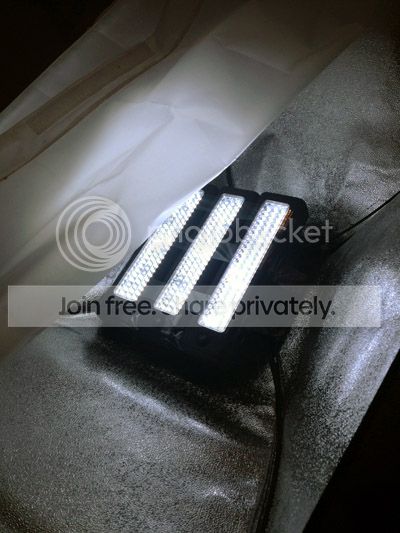
I would definitely advise getting some sort of softbox if you're going to be using an LED torch - depending on the size of it, i've noticed the LEDs can appear seperated when just used by itself.
Here's what i did instead - it's a cheap softbox from Amazon with 3 x Halfords £9.99 LED torches literally selotaped to the inside. Gives it plenty of brightness without being too harsh, and the softbox makes it that bit easier to avoid any light spilling out or streaking across the picture too:
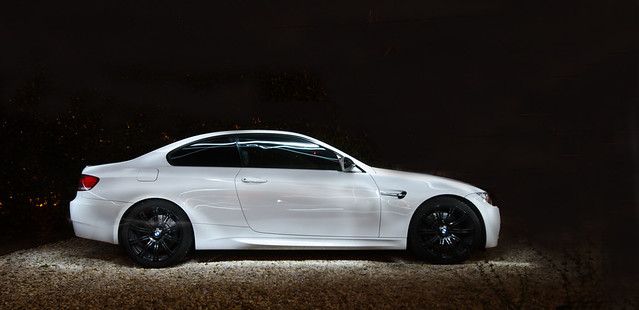
Exposure/aperture all depends on what car you're painting and how much (if any) ambient light there is. I'd start at around F5.6 and a 10-13 second exposure to begin with, you might need to do 2-3 images (light painting the front of the car, side of the car and then floor/background) and then adjust it to suit. I usually tend to start low (paint wheels/side/front) walking one direction before then bringing it high to light the roof etc.
this was shot on a 30 second exposure with an aperture of F5.6 - if i could take the picture again, i'd possibly go for a shorter shutter to around 15 seconds to try and kill some of the light from the streetlights behind:
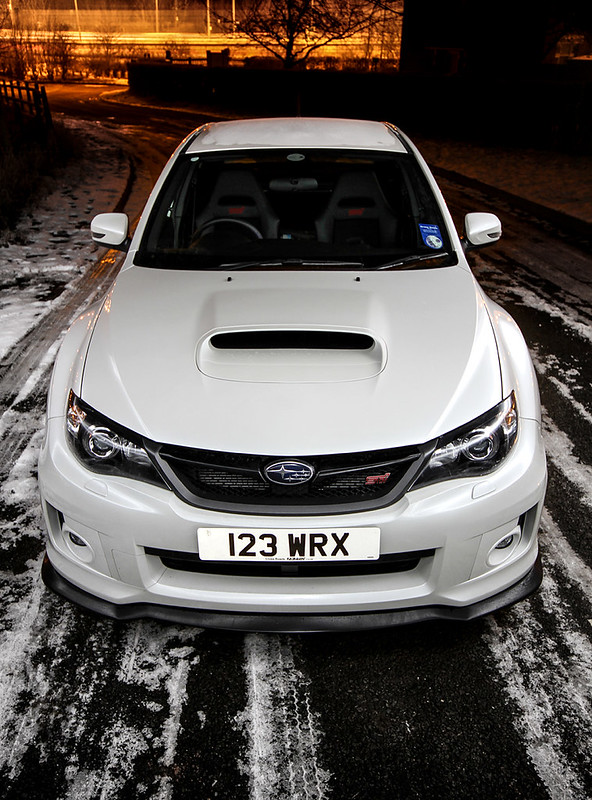 Subaru WRX STI
 by
markriccioni (Scene-Media), on Flickr
This was shot at F6.3 with a 10 second shutter - albeit a composite from around 3 images blended together (to stop the background from overpowering the black car)
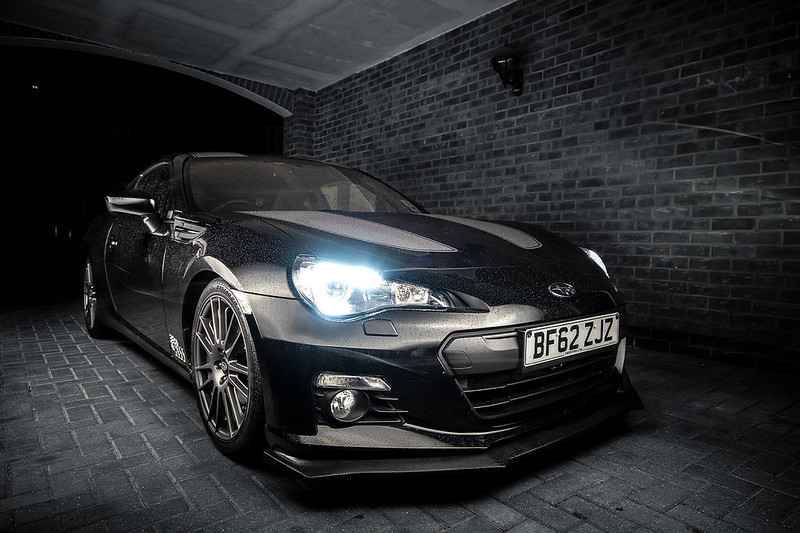 Subaru BRZ
 by
markriccioni (Scene-Media), on Flickr
As an alternative method, this was shot with an 8 second shutter @ F13. Because there was a lot of ambient light from the tunnel/street lights (and black was being a pain to strobe) i used a higher aperture and light painting to bring out highlights like the wheels and bumper without getting loads of reflection or glare. You don't get the lovely solid white light as you do on the pictures above, but it's something to consider depending what you're shooting and what sort of picture they want.
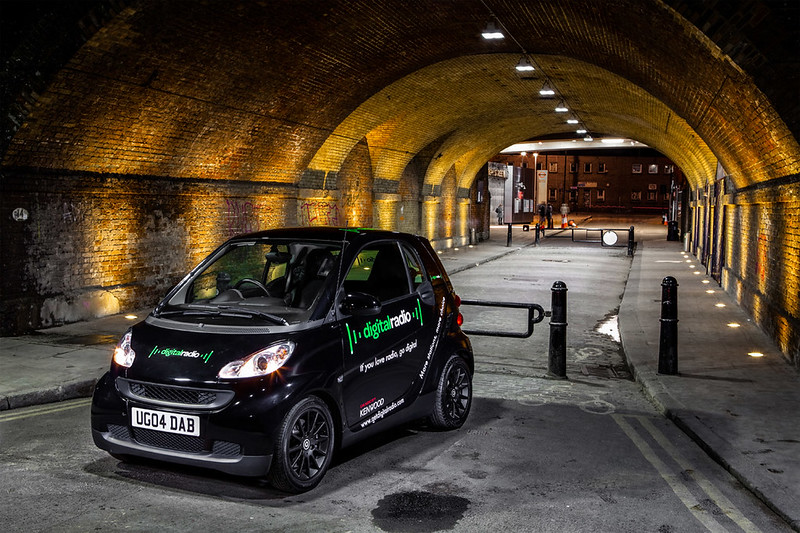 Kenwood DAB-equipped Smart
 by
markriccioni (Scene-Media), on Flickr