High ISO weekend - aim to get "usable images".

thats not a good attitude to have. Your standard should be as high as possible, I wouldn't give a customer a product that I didn't personally myself think was of a high standard. It's not just them who will be seeing the work but anyone who looks at it.

Spot on.
 
joescrivens said:
You haven't been to enough churches then. I was in a relatively bright church the other week and I was at ISO 2500 at 1.4 with a shutter of 1/50.

3600 is more than plausible for a church

The last church I was shooting in was quite dim (not completely dark but what you would "expect" most churches to be) I was shooting at f1.8 and around the 2500-3200 Mark. Only did I go high when using a slow lens.

But of course there are darker churches and I appreciate that, hence the need to know you can deal with the outcome :-)
 
joescrivens said:
thats not a good attitude to have. Your standard should be as high as possible, I wouldn't give a customer a product that I didn't personally myself think was of a high standard. It's not just them who will be seeing the work but anyone who looks at it.

I'm not suggesting I have low standards but merely pointing out your standards are based on current equipment and can only go as high as allowed.
 
I'd tell them not to go close :)

Looking at the high res file I've determined it to be fine up to A3 still.

Also - remember your standards vs theirs.
My last wedding was shot with a camera fault producing nothing but soft images.

But Phil, you are stating here that you have given less than the norm images to a customer, because 'your' standards are not the same as a customers.....very dangerous ground to be on IMHO.
 
I'm not suggesting I have low standards but merely pointing out your standards are based on current equipment and can only go as high as allowed.

why did you bring up the point that your last wedding had a fault and produced nothing by soft images? It read like you were saying that because the cupole didn't notice and were happy with them
 
heres anothe iso 25600, f2.8, 1/50th sec, 65mm
so light is low.(i know not the best subject but its all i had to hand)
and this was litrally a 5 min job including editing so not perfect.
straight from raw
SJB_4398.jpg


edit
SJB_4398rawedit.jpg

edit 2 with more than 2 mins on.
SJB_4398edit2.jpg

crop
SJB_4398edit2crop.jpg
 
Last edited:
here you go 25600

looks barely any noise at all, mainly because there is good light and lots of highlights

what does it prove? not much I don't think


shelf by JoeBoyMan, on Flickr
 
Quick question.

I notice some of the high iso shots are using +1 exposure compensation. Since iso 25600 is a non native iso (ie a boosted iso 12800), does that mean that a +1 shot at 25600 is effectively shot at 12800?

ANd isnt shooting high iso test shots with a +1 comp 'cheating' a little?
 
Quick question.

I notice some of the high iso shots are using +1 exposure compensation. Since iso 25600 is a non native iso (ie a boosted iso 12800), does that mean that a +1 shot at 25600 is effectively shot at 12800?

ANd isnt shooting high iso test shots with a +1 comp 'cheating' a little?

You are confused a bit.

The iso is the iso, this is being set by the user. The compensation is affecting the shutter or the aperture, depending on what mode is chosen. In my case it's affecting the shutter, making it somewhat lower to compensate for the fact I want it 2/3rds over what the camera sees as perfect exposure.
 
You are confused a bit.

The iso is the iso, this is being set by the user. The compensation is affecting the shutter or the aperture, depending on what mode is chosen. In my case it's affecting the shutter, making it somewhat lower to compensate for the fact I want it 2/3rds over what the camera sees as perfect exposure.

Well, not totally clear anyway, a thinking out loud post!

I understand iso is iso etc, but with non-native iso's being an amplified version of a lower iso, isn't using positive exposure compensation and then dialling back in pp the same effect as using a lower iso?

And what is the highest native iso a d7000 goes to?
 
Well, not totally clear anyway, a thinking out loud post!

I understand iso is iso etc, but with non-native iso's being an amplified version of a lower iso, isn't using positive exposure compensation and then dialling back in pp the same effect as using a lower iso?

And what is the highest native iso a d7000 goes to?

No because the dialling back can be done selectively. A lower iso will affect the entire image, but dialling back certain parts will not
 
Well, not totally clear anyway, a thinking out loud post!

I understand iso is iso etc, but with non-native iso's being an amplified version of a lower iso, isn't using positive exposure compensation and then dialling back in pp the same effect as using a lower iso?

And what is the highest native iso a d7000 goes to?

This is an interesting point actually as native iso goes only as far as 6400. The additional two stops to take the exposure to 25,600 are generated by the camera simply pushing an image that is already two stops under exposed before any compensation is dialled in. It therefore begs the question as to whether you would be better simply shooting exactly the same shot at iso 6400 and then trying to recover it all later yourself in PP. It seems quite possible that this would yield better results but I've never tried it.
 
No because the dialling back can be done selectively. A lower iso will affect the entire image, but dialling back certain parts will not

But wouldn't using a lower iso produce a cleaner picture.
 
Rapscallion said:
Quick question.

I notice some of the high iso shots are using +1 exposure compensation. Since iso 25600 is a non native iso (ie a boosted iso 12800), does that mean that a +1 shot at 25600 is effectively shot at 12800?

ANd isnt shooting high iso test shots with a +1 comp 'cheating' a little?

What you're telling the camera is to allow more light in to increase exposure. Its just fine tuning exposure to what you want.

In most circumstances you will either;

Spot meter the shadows (but this will blow out any highlight detail possibly)

Or another way and probably more controlled is to use evaluative metering but compensate.

Anyway, regardless of weather you use manual mode, compensation or different metering the end result should yield what you have seen in your head. No cheating about it, just you getting the image you want.

Remember at higher ISOs your camera will still meter as it does for ISO100 but you know you need a slight over exposure - how you achieve it is whatever method you prefer, one way is to compensate.
 
gad-westy said:
This is an interesting point actually as native iso goes only as far as 6400. The additional two stops to take the exposure to 25,600 are generated by the camera simply pushing an image that is already two stops under exposed before any compensation is dialled in. It therefore begs the question as to whether you would be better simply shooting exactly the same shot at iso 6400 and then trying to recover it all later yourself in PP. It seems quite possible that this would yield better results but I've never tried it.

I'm going to try this at the weekend and make a new thread :)
 
joescrivens said:
I have lots of time on my hands, mind if I start it midweek?

Knock yourself out!

After a long day of work I come home to finish my wedding edits...sigh. Its ok, I'm young - I'll have time to sleep when I'm old and decrepit lol.

There we go folks, soon we will have a new thread see what gives the best results - in camera pushing or PP pushing...participation would be handy :)
 
This is an interesting point actually as native iso goes only as far as 6400. The additional two stops to take the exposure to 25,600 are generated by the camera simply pushing an image that is already two stops under exposed before any compensation is dialled in. It therefore begs the question as to whether you would be better simply shooting exactly the same shot at iso 6400 and then trying to recover it all later yourself in PP. It seems quite possible that this would yield better results but I've never tried it.
Sorry im really slow tonight care to explain, I cant get my head around it, yes i understand that the camer is pusihingthe iso 6400 upto 25600. But are you saying take the same shot at iso 6400 and in p&p.:bang:

are you saying set up for the iso 25600 shot but use iso 6400, so same shutter and apature on both shots and see whtas best.
 
Last edited:
Phil Young said:
Cleaner doesn't = better. Pixel peepers think otherwise.

You can clean up noise, its when detail is lost too much that becomes the problem.

In general yes it does. Otherwise we would always shoot high Ido for the hell of it. You should only push your Iso as much as you need to in order to get a sharp well exposed image.
 
If cleaner doesn't mean better ... why are you coming up with ways to clean the rougher images up Phil? Make up your mind, sheesh! :D

I took a few shots at 25k, then thought, these could easily have been taken at 3200-6400 ... I had to keep stopping the aperture down - meaning in these situations, I really would never need higher ISO.

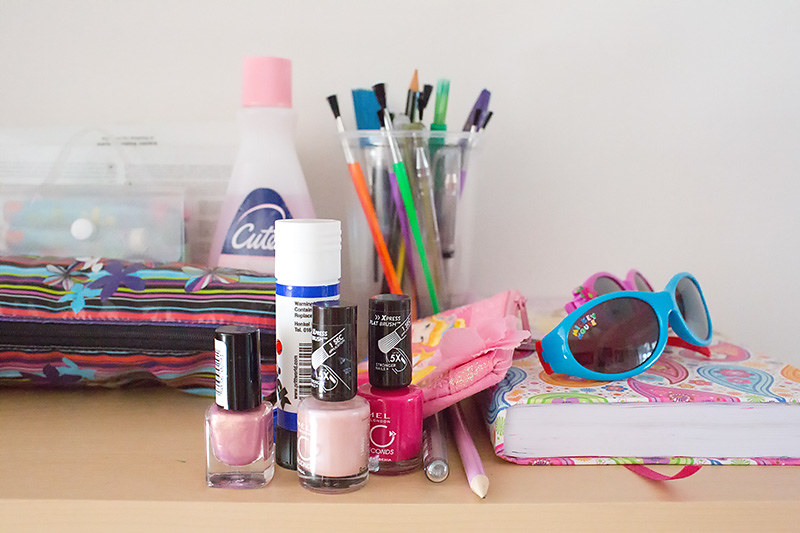
This testing should be limited to dark situations, where one might actually require it at some point. Not bright bathrooms and back lit teddy bears.
 
yes totaly agree a shot taken at iso 25600 f8 with a shutter speed of 600th sec is pointless, and one that in real life doesnt really come up, but one at 25600 f2.8 and a shutter of 50th sec is more likely.

cagey wheres the teddy.
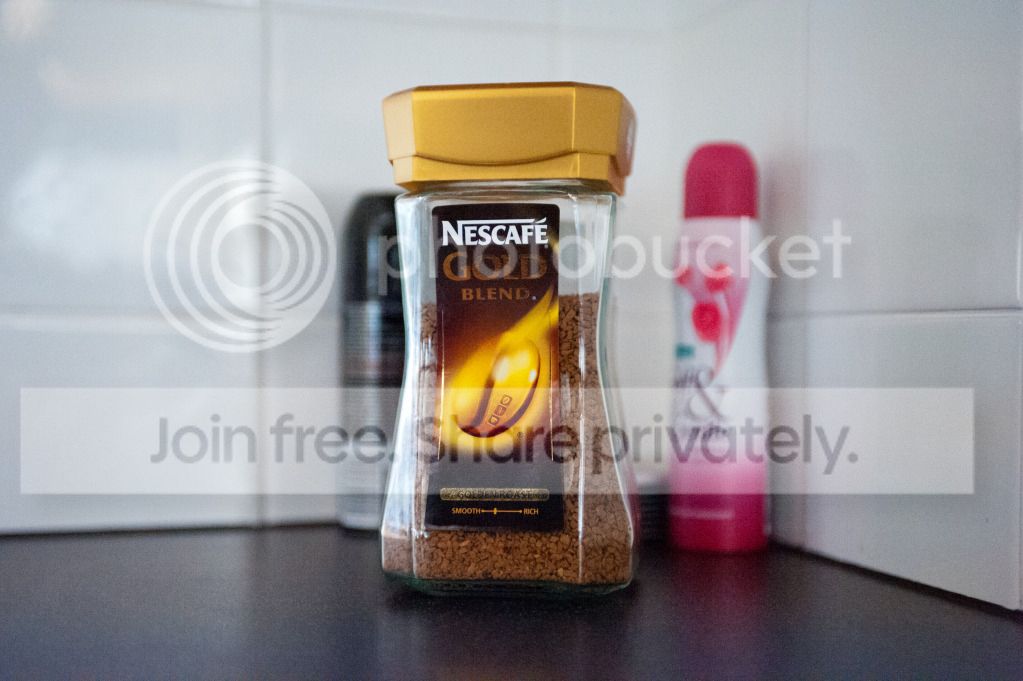
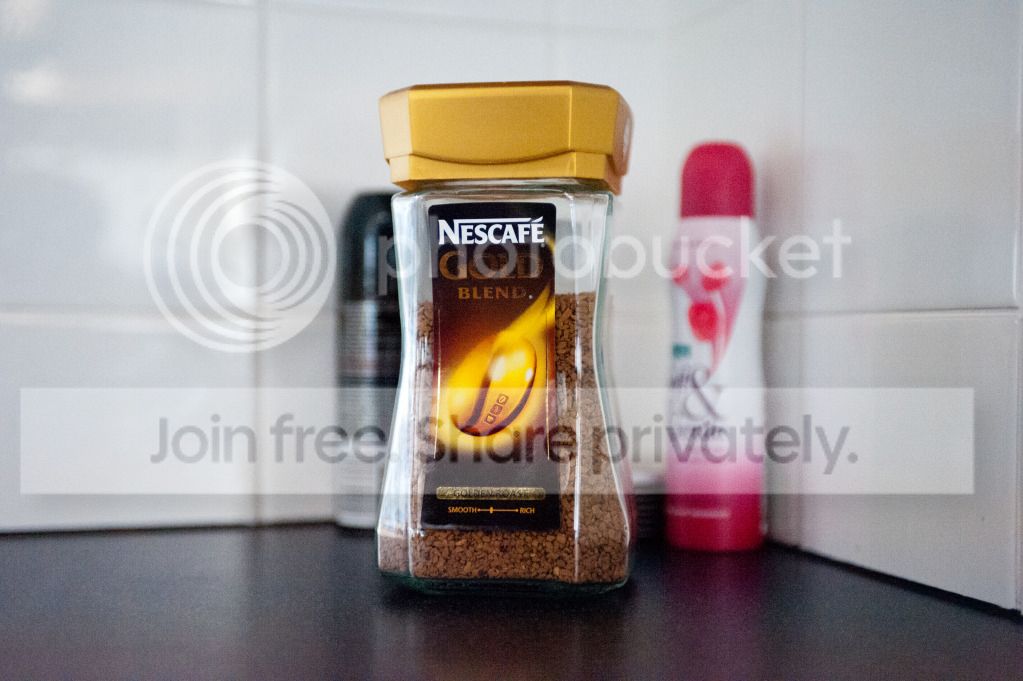
my coffe put was low light(lower than most churches i do).
 
Last edited:
It was I shot the teddy :D I just didn't post it. It was actually a random collection of the kid's toys. Dolls, teddy bears, little bits and bobs. Put them on a dark backdrop but it was near a window so plenty of light was streaming in. My gig shot at 10K was about the best example so far but Phil says 10K is nothing. I'll set up something worthy of 25K later maybe.
 
Last edited:
Sorry im really slow tonight care to explain, I cant get my head around it, yes i understand that the camer is pusihingthe iso 6400 upto 25600. But are you saying take the same shot at iso 6400 and in p&p.:bang:

are you saying set up for the iso 25600 shot but use iso 6400, so same shutter and apature on both shots and see whtas best.

That's the gist of what i was thinking.

Also shooting at high iso with a +1 comp confuses me.

Isnt the main reason to use high iso is to get acceptable shutter speeds, and if you have enough room to give a +1 comp, you could equally shoot at a stop lower iso with no loss of quality and less risk of blown highlights?
 
Sorry im really slow tonight care to explain, I cant get my head around it, yes I understand that the camera is pushing the iso 6400 upto 25600. But are you saying take the same shot at iso 6400 and in p&p.:bang:

are you saying set up for the iso 25600 shot but use iso 6400, so same shutter and aperture on both shots and see what's best.

Yep, in a nutshell. I might be out of my depth here but as far as I'm aware an ISO 25,600 shot is simply a 6400 shot that the camera has processed (rather than amplified) into a 25,600. I guess similar to sliding the exposure up 2 stops in Lightroom or Photoshop. I'm just curious to know whether it makes any difference whether you do it yourself or let the camera do it. There are advantages in simply letting the camera handle it as you don't really want to be shooting underexposed shots as it makes checking the histogram a pig! Just interested to find out what happens.

I guess the test is pretty simple. Shoot a static subject at iso 25,600 with the exposure how you want it then shoot the same shot but only adjust the iso down to 6400 and change nothing else. Then work your magic with the raw files and see if they look any different.
 
I don't think it's that simplistic. At ISO 25,600 the noise is a hell of a lot rougher and patchier than at 6400, the colours diminish quite a bit too. It's not just the camera over exposing. That would be more like the camera faking a wider aperture than ISO>
 
I don't think it's that simplistic. At ISO 25,600 the noise is a hell of a lot rougher and patchier than at 6400, the colours diminish quite a bit too. It's not just the camera over exposing. That would be more like the camera faking a wider aperture than ISO>

Yes, but is that not because in reality it's badly underexposed iso 6400 image? Not stating this as fact by the way. It's just how I've been told the hi/lo iso system works.
 
Just done a quick test one at iso 25600 and one at 6400 underexpose by 2 stops compared to the 25600(both set to +1ev)(both are from raw just adjusted in camera raw to look the same.(noise and sharpning on default.
f2.8, 1/20th sec, 55mm
1st is the 25600
SJB_4407fromraw25600.jpg

2nd is the 6400 under exposed by 2 stops(and pushed back in p&p)
SJB_4408straightfromraw6400.jpg


not alot in it, the 6400 sems to have a tad more noise but also detail.
look at both of the shots near the bottom on the 6400 lower left theres colour noise.
 
Last edited:
Interesting post here about the D7000 and it seems to be backed up with some science:

http://forums.dpreview.com/forums/read.asp?forum=1034&message=37590422

Interesting snippet:

"For the user, the implication of this is that ISO settings above 800 provide no more true image data than ISO 800 itself does; you only lose highlight range in your raw files when you select those settings. Although those high settings have practical value in producing usable JPEG images out of camera, for Raw-only shooting, we are better off staying at ISO 800 and using scaling in post, where we can use tone curve customization to preserve highlights that would have otherwise been clipped."
 
I call BS on that one. There's not a chance you'll get the same result using ISO 800 and adjusting in post, as you will from ISO 3200 and less processing. Say, shooting at a gig in poor lighting. Way too much dark and shadow to have to pull back from ISO 800.
 
I call BS on that one. There's not a chance you'll get the same result using ISO 800 and adjusting in post, as you will from ISO 3200 and less processing. Say, shooting at a gig in poor lighting. Way too much dark and shadow to have to pull back from ISO 800.

I agree it does not make sense at all
Surely you need to get the exposure right as a priority
I've been exposing to the right over the last six months and has made a big difference to my photography
That statement by dp review goes against all of that
 
LCPete said:
I agree it does not make sense at all
Surely you need to get the exposure right as a priority
I've been exposing to the right over the last six months and has made a big difference to my photography
That statement by dp review goes against all of that

I wouldnt dismiss things without testing.

How many of you think that exercise aids in fat reduction? And what if I say its such a small percentage its hardly worth the effort?....

Sometimes things are true even if it goes against popular myth.

Worth testing perhaps?

Note* I'm not saying it is it isn't true, just not to dismiss because everyone thinks differently.
 
I wouldnt dismiss things without testing.

How many of you think that exercise aids in fat reduction? And what if I say its such a small percentage its hardly worth the effort?....

Sometimes things are true even if it goes against popular myth.

Worth testing perhaps?

Note* I'm not saying it is it isn't true, just not to dismiss because everyone thinks differently.

Yeah good point am still learning all this but have found that exposing to the right is a good way to minimise noise on my 7D but it is quite possible that nikons work differently:)
 
Last edited:
LCPete said:
Yeah good point am still learning all this but have found that exposing to the right is a good way to minimise noise on my 7D but it is quite possible that nikons work differently:)

I put my hands up and say I've never tried to shoot at 800 in a 6400 scene. And I always shoot RAW.

I'll try it so see if I retain the detail of an 800 shot and if it's just a case of handling noise then it might be worth considering.

Certainly not something to dismiss unless its been tried.
 
I agree it does not make sense at all
Surely you need to get the exposure right as a priority
I've been exposing to the right over the last six months and has made a big difference to my photography
That statement by dp review goes against all of that

The linked thread is interesting and quite relevant to this thread. It is in effect saying the sensor in a d7000 is doing the same thing at iso 950 as at 25600!
 
Last edited by a moderator:
Rapscallion said:
The linked thread is interesting and quite relevant to this thread. It is in effect saying the sensor in a d7000 is doing the same thing at iso 950 as at 25600!

Not even. Its saying the only thing that happens is detail loss. Noise as proven in this post can be handled quite easily.
 
Back
Top