HELP! - How to make images really really pop!

Sorry, but that image does nothing for me. Looks a mess TBH.

:thumbs: this - that would have wound up in my reject folder , it certainly doesnt 'pop' imo
 
the problem with ABs photos is that you have to see them in context with the story, when you take one out in isolation it can often seem a bit odd. But his photos really need to be observed as a story. It's the same with rdh look:

http://www.rossharveyweddings.com/images/3224.jpg

if someone posted that photo in isolation as a wedding pic you would be very confused. But in the story it fits.
 
the problem with ABs photos is that you have to see them in context with the story, when you take one out in isolation it can often seem a bit odd. But his photos really need to be observed as a story. It's the same with rdh look:

http://www.rossharveyweddings.com/images/3224.jpg

if someone posted that photo in isolation as a wedding pic you would be very confused. But in the story it fits.

Fair comment ;)

Just had a look at some of Ross Harvey's work, v nice too. He certainly goes to town of the shallow DoF look, with both OOF foregounds and backgrounds, with a million detail pics that build into the big picture. Seems to use a tilt & shift lens a lot to create shallow DoF at distance, which is hard with just a low f/number.

And it seems to work pretty well, because the foregounds are skillfully crafted.
 
None of these images posted really pop out at me even though there are some nice shots. There was a 200mm f/1.8 thread on here a while back where they did, and the Zeiss 100mm f/2 creates some beautiful images. The POTN Canon forum has a lens sample archive for all the Canon lenses like the 200mm f/2 etc where you really see some images that jump out and hit you.

The Leica forum is good for images that pop as well as you have high micro contrast lenses in front of a CCD sensor with no AA filter. The light quality being almost perfect certainly helps AB as well with his photos, but there's no denying he works hard at his craft.
 
Tell you what loud burp - why don't you post some of your epic portraiture and we can have a side by side comparrison with joe's ... unless of course you are all talk :whistling:

Aren't you a wedding photographer? You post yours I'll tell you what I'd pay for them.
 
weddings, children, events,a bit of sport (though not full time), and i will when you do.
 
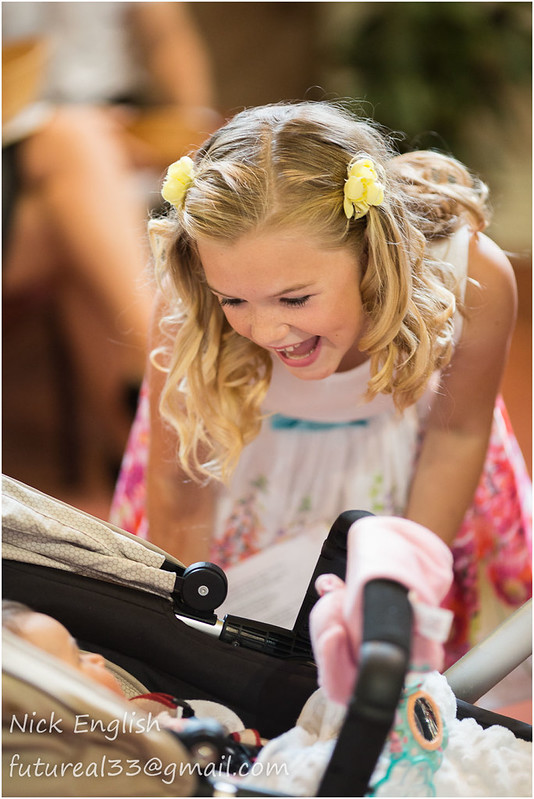
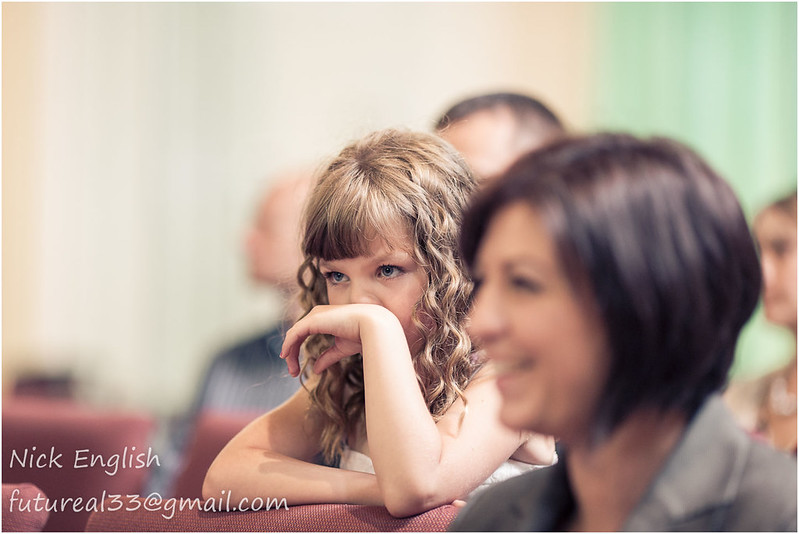
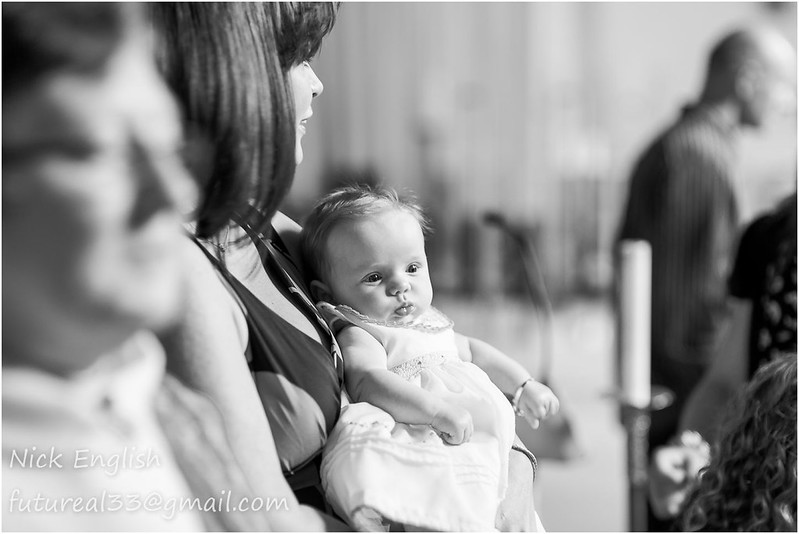
#2 and #4 of that set pop for me - too much oof foreground detail for me in #3
 
Totally agree. The handle is way too obtrusive.

thats #2 phil - and actually i'm not too bothered by the handle as the main point that draws the eye is the young girls face - not the baby

i was reffering to the oof adult on the right of the photo below ;)
 
Most peoples eyes automatically go to eyes or face so the handle shouldn't come into it but agree the oof woman is very distracting and partly obscures the girl and almost looks like the woman was added to the photo afterwards such is the effect.
A lot of these photos seem to have a very blurred person/thing in the foreground which I find adds nothing to the photo. Blurring of background is fine because it lessens it's impact on picture but in the foreground it is obviously still there and very much part of the photo
 
i disagree.

I think oof foreground can give extra depth to the image. The woman in the foreground doesn't bother me at all
 
Such is the subjective nature of photos. It bothers me more each time I look at it now, so I will stop looking at it :)
 
big soft moose said:
thats #2 phil - and actually i'm not too bothered by the handle as the main point that draws the eye is the young girls face - not the baby

i was reffering to the oof adult on the right of the photo below ;)

Oops my mistake. Its the opposite for me, the woman's head is a bit annoying and a couple of feet to the left would have been a nicer angle but in #2 I can't help but to linger on the handle for a few seconds before getting to the girl and then finally onto what she's looking at.

I've never been a fan of obtrusive lead-ins on portraits.
 
I thought I'd join the debate after reading through the threads.

One thing I've noticed from quite a few of the images that others are hopping will 'pop' is the amount of blown highlights. It's a distraction that pulls down the image. A few blown highlights, in backlit hair for example is great, but blown dresses, windows and large parts of the background are distracting and not very comfortable to look at.

It's an element not many photographers consider as they concentrate on the face of the subject.
 
photogav said:
I thought I'd join the debate after reading through the threads.

One thing I've noticed from quite a few of the images that others are hopping will 'pop' is the amount of blown highlights. It's a distraction that pulls down the image. A few blown highlights, in backlit hair for example is great, but blown dresses, windows and large parts of the background are distracting and not very comfortable to look at.

It's an element not many photographers consider as they concentrate on the face of the subject.

Yep. I was guilty of this and received a lot of critique which I feel improved my images immensely.

I wasn't thinking "the dress is blown and needs to be exposed for"...I was thinking (as you said) "let be concentrate on skin, eyes and facial features".

...learnt my lesson.
 
I thought I'd join the debate after reading through the threads.

One thing I've noticed from quite a few of the images that others are hopping will 'pop' is the amount of blown highlights. It's a distraction that pulls down the image. A few blown highlights, in backlit hair for example is great, but blown dresses, windows and large parts of the background are distracting and not very comfortable to look at.

It's an element not many photographers consider as they concentrate on the face of the subject.

actually I disagree, I think people put too much weight in blown highlights. Of course if 3/4 of the image is blown like in the one phil is referring to of his, it's too much, but blown windows etc people need to get over that in my opinion
 
actually I disagree, I think people put too much weight in blown highlights. Of course if 3/4 of the image is blown like in the one phil is referring to of his, it's too much, but blown windows etc people need to get over that in my opinion

I agree with Joe here... As long as the dress isnt completely blown, then whats the problem. Small patches of blown-ness are fine by me, windows are I think can look better blown as they are more of a distraction when you can see outside clearly (unless the photo relies on the window scene to add impact).

If we're talking about massively over exposed images, with little edge detail due to large amount of blown subject and background - then yes, thats too much
 
I agree with Joe here... As long as the dress isnt completely blown, then whats the problem. Small patches of blown-ness are fine by me, windows are I think can look better blown as they are more of a distraction when you can see outside clearly (unless the photo relies on the window scene to add impact).

If we're talking about massively over exposed images, with little edge detail due to large amount of blown subject and background - then yes, thats too much

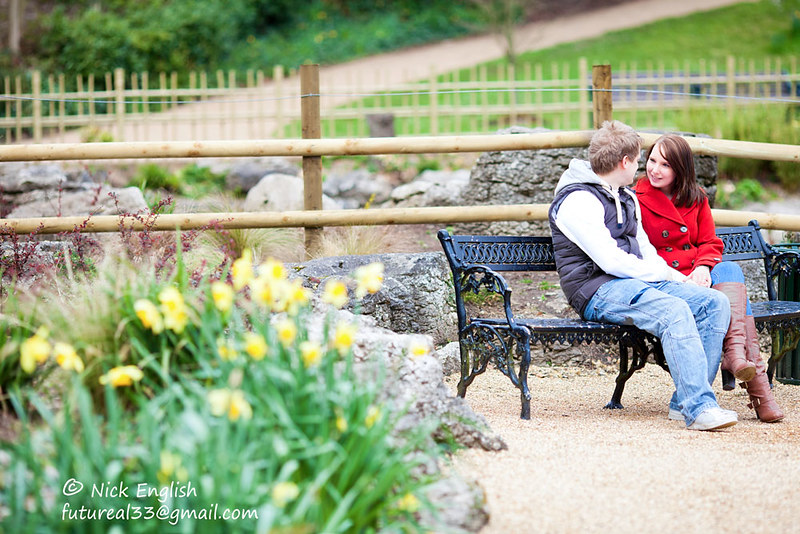
yeah, in your first image above i bet some patches on the guys white top is blown, but it doesn't matter, it's a really bright vibrant image. I'd rather have it like that than a bit duller but no blown patches just ebcause it's more technically accurate that way
 
worryingly i agree with joe again - blown highlights only matter if the detail that is blown out matters

so if for example the bride has a beautiful and expensive lace inset on the dress, of which she's extremly proud and its not visible in any of the shots because you've fluffed the exposure then you are in trouble

on the other hand a great shot of the bride and groom at the reception which just happens to have a blown window in the background is fine.

skys i tend to think are important because its relatively easy to get the sky right, and vast expanses of featureless white in the outdoor shots look very amateur
 
ziggy©;4862488 said:
If i add +1 to an image before i take it, the image will almost always be overexposed.

then you need to look at your metering method. I shoot at +1 all the time
 
ziggy©;4862488 said:
If i add +1 to an image before i take it, the image will almost always be overexposed.

my suspicion is that you are using evaluative or centre weighted - which basically meters for the whole scene - use spot, and as said meter for the highlight (e.g off the white dress)

however remember that the camera is trying to render whatever it meters as 18% grey so you add at least plus 1 to ensure that the white areas come out white
 
my suspicion is that you are using evaluative or centre weighted - which basically meters for the whole scene - use spot, and as said meter for the highlight (e.g off the white dress)

however remember that the camera is trying to render whatever it meters as 18% grey so you add at least plus 1 to ensure that the white areas come out white

its all bunkum

Its about the dynamic range of the whole system, starting with the lens, finishing with the screen or print

Shooting to overexpose is a daft idea, if you actually intend to use the image for anything. I shot a (boring) still of some products this week. The dynamic range in the image was way too big for the target (CMYK printing) so to that end, I had to re-shoot the original "technically perfect" image, and alter the lighting (in order to reduce the dynamic range in the shot) to ensure that the finished printed page actually looked like the product
 
shooting to the right isnt about over exposing - its about getting the exposure right (ie that the histogram is weighted to the right but the tones arent clipped) this works better than shooting to the left and having to recover the detail in PP as that generates a lot of red channel noise.

admittedly for shoots where you have complte control of the lighting there are other options as you say - i'm talking about girls in big white dresses under natural light/possibly with fill flash and under a time pressure.
 
tumblr_lsj9c5CJEl1qztxwyo1_500.jpg


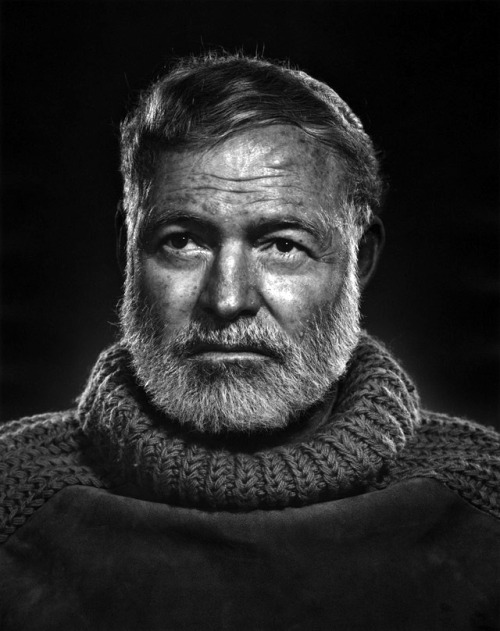
This is exposed to the left, but still has detail and still "pop's". Classic low key Rembrandt lighting. Would you say the exposure is right?
 
Last edited:
ah, so popping an image isn't about getting the exposure right?

There is a lot of ballony about "technically the right exposure" when in essence, there is no such thing. its about artistic interpretation AND not destroying detail if it is artistically needed. For Karsh, the shot above was exposed perfectly, for others blown highlights are "exposed perfectly"

Re wedding dresses

What about the dark suits? How about getting the suit and the dress exposed properly to show detail?

The A. Adams Zone system wasn't a case of being facetious, it was a recognition that shots needed to be printed, and getting detail in both shadows and highlights is important, and in essence, the qualities of the lens, the film, the paper and the scene are all part and parcel of getting a shot "properly exposed
 
ah, so popping an image isn't about getting the exposure right?

Absolutely not. Popping is not caused by correct exposure. There's a ton of other things involved. That's not to say that a correctly exposed image can't pop. But it doesn't do it by default as shown in your example above
 
ah, so popping an image isn't about getting the exposure right?

There is a lot of ballony about "technically the right exposure" when in essence, there is no such thing. its about artistic interpretation AND not destroying detail if it is artistically needed. For Karsh, the shot above was exposed perfectly, for others blown highlights are "exposed perfectly"

Re wedding dresses

What about the dark suits? How about getting the suit and the dress exposed properly to show detail?

The A. Adams Zone system wasn't a case of being facetious, it was a recognition that shots needed to be printed, and getting detail in both shadows and highlights is important, and in essence, the qualities of the lens, the film, the paper and the scene are all part and parcel of getting a shot "properly exposed

Not really disagreeing with you Richard, but there is such a thing as technically correct exposure - it's just that it may not be optimum, or best or whatever. Expose-to-the-right technique is an example of that.

But technically correct exposure is when mid-grey in the subject is recorded as mid-grey on the sensor, say 18% grey, or something close to that, in the middle of the histogram. That's what the standard JPEG output is geared to.

I agree that exposure is very much a moveable feast these days, and FWIW my own exposures are rarely technically correct by that definition, but it's an accepted standard and a useful reference when discussing these things.
 
Last edited:
joescrivens said:
Sorry but that doesn't pop

I'm foreign to this slang...if we are eddying to the original images then we're talking, well exposed, sharp, noise free good DOF, vibrant images that have nice contrast...seems a pretty standard look top want to achieve though...

Unless I'm missing what "image popping" is?!?
 
I'm foreign to this slang...if we are eddying to the original images then we're talking, well exposed, sharp, noise free good DOF, vibrant images that have nice contrast...seems a pretty standard look top want to achieve though...

Unless I'm missing what "image popping" is?!?

Your brother will know.
 
Back
Top