You are using an out of date browser. It may not display this or other websites correctly.
You should upgrade or use an alternative browser.
You should upgrade or use an alternative browser.
HDR
- Thread starter snapharry
- Start date


Mike Warburton
Suspended / Banned
- Messages
- 798
- Name
- Mike
- Edit My Images
- Yes
Thanks.I know a lot like the garrish look but I use HDR to get as natural a look as possible and I just found that with filters in mountainous areas I couldnt achieve this.

barratt1988
Suspended / Banned
- Messages
- 1,013
- Name
- Phill
- Edit My Images
- No
I use Dynamic HDR for my high contrast landscape work such as sunrises etc and then finish off in CS2.I stopped using filters years ago as I didnt like the way the hard edged grad would put a definitive dark shadow along the tops of the mountains whilst trying to hold back the sky.
This is how I processed this shot a few years back from three different images.
Llyn Gwynant by Mike Warburton Photography, on Flickr
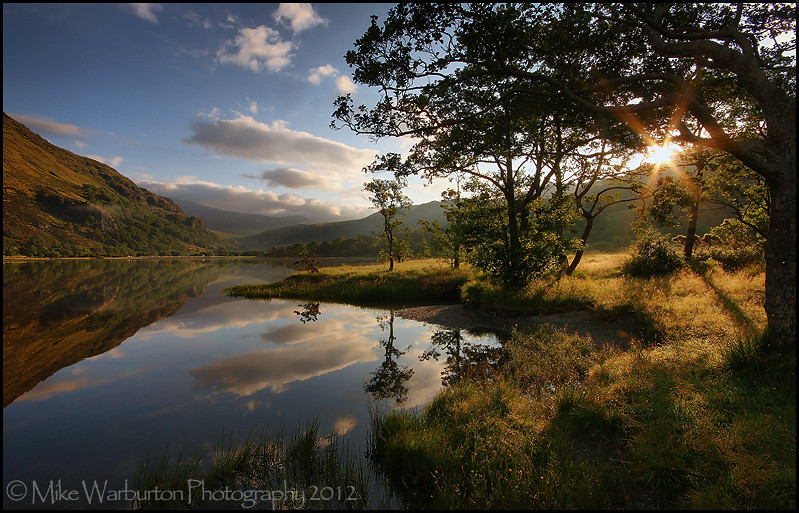
Now this is more like the blending I prefer. I wouldnt call this hdr personally.

Phil Young
Suspended / Banned
- Messages
- 6,584
- Name
- Phil
- Edit My Images
- Yes
Why not? It does have a high dynamic range...Now this is more like the blending I prefer. I wouldnt call this hdr personally.
barratt1988
Suspended / Banned
- Messages
- 1,013
- Name
- Phill
- Edit My Images
- No
Because unlike 90% of hdr it doesnt look like a butchered messWhy not? It does have a high dynamic range...

Phil Young
Suspended / Banned
- Messages
- 6,584
- Name
- Phil
- Edit My Images
- Yes
Then I think you're confusing "high dynamic range" (which is what is stands for after all...) with local contrast and heavy sharpening.Because unlike 90% of hdr it doesnt look like a butchered mess
HDR is just the range of the image, it doesn't have a definitive answer to how it needs to be processed after that, just that the range is enough to show good detail in the highs and lows of an image.
"This looks/doesn't look like HDR" is a bit of a silly statement since there's no 'way' of describing HDR apart from exactly that" (H)igh (D)ynamic (R)ange.
barratt1988
Suspended / Banned
- Messages
- 1,013
- Name
- Phill
- Edit My Images
- No
Right.. so the programs people use to butcher shots are called local contrast and heavy sharpening ? No there called hrd programs.Then I think you're confusing "high dynamic range" (which is what is stands for after all...) with local contrast and heavy sharpening.
HDR is just the range of the image, it doesn't have a definitive answer to how it needs to be processed after that, just that the range is enough to show good detail in the highs and lows of an image.
"This looks/doesn't look like HDR" is a bit of a silly statement since there's no 'way' of describing HDR apart from exactly that" (H)igh (D)ynamic (R)ange.
People generally say a shot is hrd if it is a blend of for example 3 images. People say a picture has a high dynamic range if a shot has a high level of stops from light to dark. Despite these sounding very similar they are not. A HDR processed image more often than not looks awful.
There is no need to be pedantic about the use of a word when we all know the meaning of the stated words and abbreviations.
And regardless im entitled to my own opinion of images and if you like using hdr programs then good for you. I personally feel they ruin shots and people use them to cover up poorly shot photos
Phil Young
Suspended / Banned
- Messages
- 6,584
- Name
- Phil
- Edit My Images
- Yes
It's not pedantic and "what is HDR" isn't an opinionated subject. I suspect you have falling into a group of people that know HDR as a specific type of image and wrongly call that method of processing "HDR". HDR isn't a method of processing, it's a description of the exposure coverage of an image.Right.. so the programs people use to butcher shots are called local contrast and heavy sharpening ? No there called hrd programs.
People generally say a shot is hrd if it is a blend of for example 3 images. People say a picture has a high dynamic range if a shot has a high level of stops from light to dark. Despite these sounding very similar they are not. A HDR processed image more often than not looks awful.
There is no need to be pedantic about the use of a word when we all know the meaning of the stated words and abbreviations.
And regardless im entitled to my own opinion of images and if you like using hdr programs then good for you. I personally feel they ruin shots and people use them to cover up poorly shot photos
And that's not up for opinion, that's what HDR means.
barratt1988
Suspended / Banned
- Messages
- 1,013
- Name
- Phill
- Edit My Images
- No
It's not pedantic and "what is HDR" isn't an opinionated subject. I suspect you have falling into a group of people that know HDR as a specific type of image and wrongly call that method of processing "HDR". HDR isn't a method of processing, it's a description of the exposure coverage of an image.
And that's not up for opinion, that's what HDR means.
How would you like me to phrase is to please you? If you shoot 3 images and blend them youself the results are often pleasing, if you allow a "hdr program" to do it the results are very often fake and crap. I dont really care for the explanation of what dynamic range is im ok for that thanks phil.
If you enjoy using hrd programs then good for you but I aswell as many people feel that it looks dreadful.
Im affraid your falling into a group of people who think a single shot taken with highlights and shadows is HRD. But infact its called a well exposed shot.
Right.. so the programs people use to butcher shots are called local contrast and heavy sharpening ? No there called hrd programs.
People generally say a shot is hrd if it is a blend of for example 3 images. People say a picture has a high dynamic range if a shot has a high level of stops from light to dark. Despite these sounding very similar they are not. A HDR processed image more often than not looks awful.
There is no need to be pedantic about the use of a word when we all know the meaning of the stated words and abbreviations.
And regardless im entitled to my own opinion of images and if you like using hdr programs then good for you. I personally feel they ruin shots and people use them to cover up poorly shot photos
I don't think Phil Young is being pedantic. He is simply correcting your misunderstanding.
Phil Young
Suspended / Banned
- Messages
- 6,584
- Name
- Phil
- Edit My Images
- Yes
Processed with 'a HDR program':How would you like me to phrase is to please you? If you shoot 3 images and blend them youself the results are often pleasing, if you allow a "hdr program" to do it the results are very often fake and crap. I dont really care for the explanation of what dynamic range is im ok for that thanks phil.
If you enjoy using hrd programs then good for you but I aswell as many people feel that it looks dreadful.
Im affraid your falling into a group of people who think a single shot taken with highlights and shadows is HRD. But infact its called a well exposed shot.

Same program:

Same program:

They are all HDR, all processed in photomatix and used multiple shots blended together. I conclude that your argument is based largely on ignorance, which gets a bit annoying.
barratt1988
Suspended / Banned
- Messages
- 1,013
- Name
- Phill
- Edit My Images
- No
I think the 3rd image explains my feelings on HRD programs. But that's my opinion and that doesnt matter to you 
Phil Young
Suspended / Banned
- Messages
- 6,584
- Name
- Phil
- Edit My Images
- Yes
As expected but based on previous posts, you would regard #3 as the only HDR, which would be wrong (not my opinion, how it is).I think the 3rd image explains my feelings on HRD programs. But that's my opinion and that doesnt matter to you
barratt1988
Suspended / Banned
- Messages
- 1,013
- Name
- Phill
- Edit My Images
- No
No I regard them all as HDR I unfortunately regard the 3rd the only one to be over cooked in my opinion.As expected but based on previous posts, you would regard #3 as the only HDR, which would be wrong (not my opinion, how it is).
I quite like the 1st image haha must be in the 1%
I just regard a blended image with highlights and shadows a normal range as you would see from your eyes and HRD as something your eyes wouldn't be able to see, and I know that's what other people believe it to be. Clearly not all but a good amount of photographers

- Messages
- 7,312
- Name
- Jeff
- Edit My Images
- No
It depend what you want.I don't like HDR via photomatrix.In camera on the low setting only the trained eye can tell.It's quick and easy for increasing the dynamic range.I don't want the horrible garish stuff that Photomatrix and adobe produce it looks horrible to me.
Suggest rather than slagging off a piece of software you learn to use it first....

aerobandit
Suspended / Banned
- Messages
- 2,487
- Name
- Piotr
- Edit My Images
- Yes
If you're gentle with the software, HDR's can actually look good. These didn't even have much PP and I think they're not bad
View attachment 4594
View attachment 4595
View attachment 4596
View attachment 4594
View attachment 4595
View attachment 4596
barratt1988
Suspended / Banned
- Messages
- 1,013
- Name
- Phill
- Edit My Images
- No
Yes any process can BUT the chance off it happening using "hrd programs" is significantly higher. I myself am just not a fan of unreal looking shots :sAny process can butcher an image. This is not unique to HDR.
Yes any process can BUT the chance off it happening using "hrd programs" is significantly higher. I myself am just not a fan of unreal looking shots :s
Well that is simply not correct. As posted earlier the same 3 bracketed images put through photomatix can give real / unreal (repulsive) results. I hate overdone HDR myself, but I like more real HDR.
It is the user that butchers the image. It is not the fault of HDR software:
Real
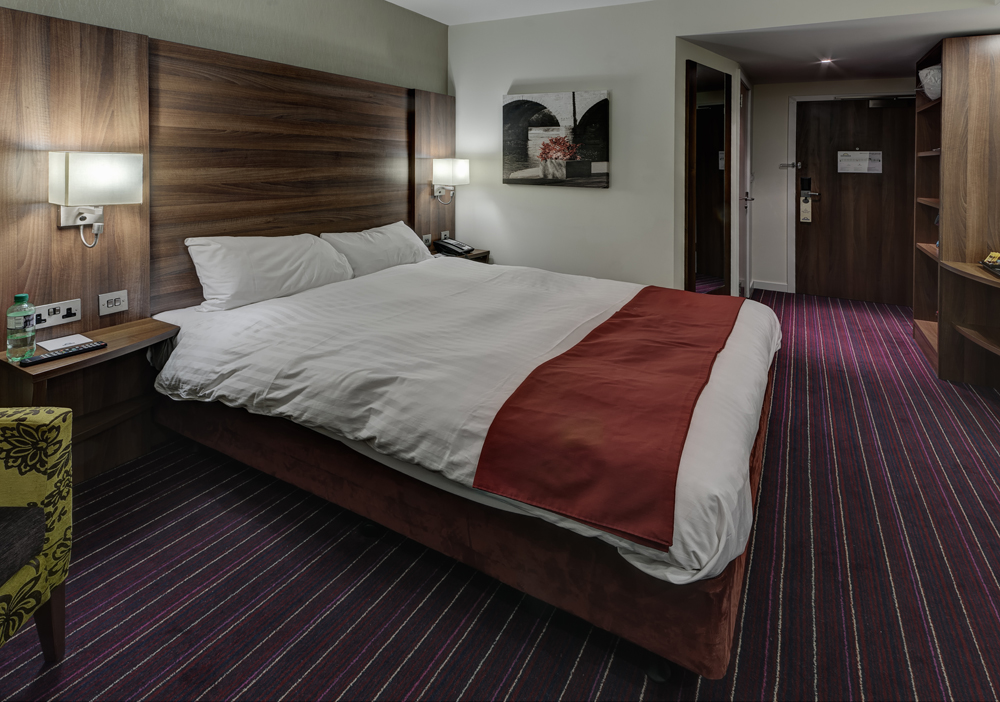
non garish by 2010kev, on Flickr
Unreal (repulsive)
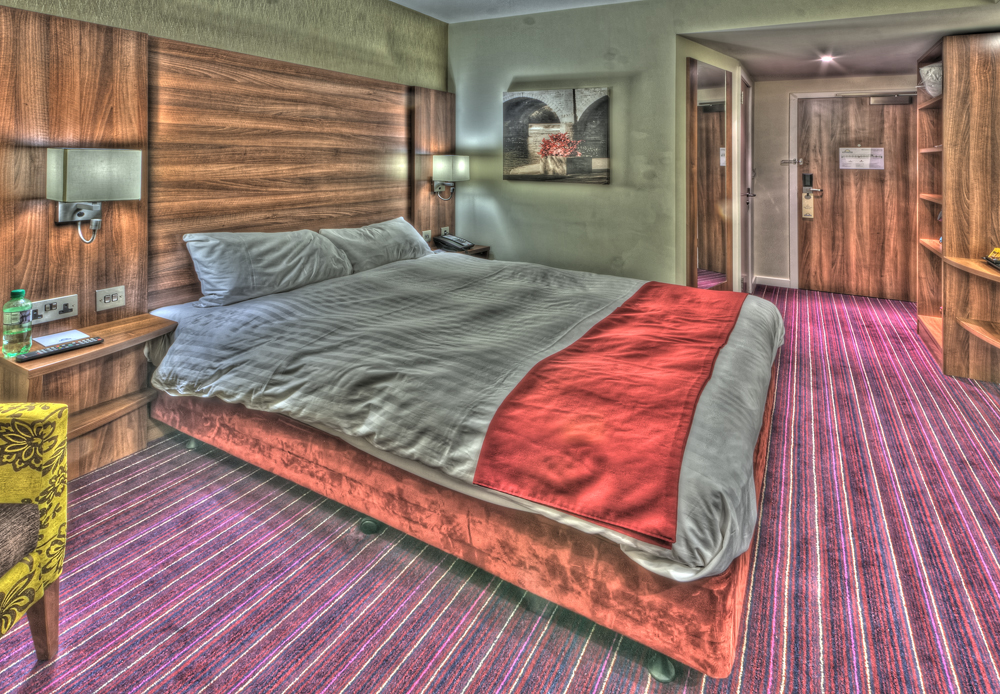
garish by 2010kev, on Flickr
Do mono shots look real? I don't see in black and white.
 I note you take longer exposures of waterfalls. Does blurry milky water look real? But I thought you are not a fan of unreal looking shots?
Last edited:
Phil Young
Suspended / Banned
- Messages
- 6,584
- Name
- Phil
- Edit My Images
- Yes
We see in HDR, camera sensors don't. The day one is announced will be a VERY profitable one indeed.I just regard a blended image with highlights and shadows a normal range as you would see from your eyes and HRD as something your eyes wouldn't be able to see, and I know that's what other people believe it to be. Clearly not all but a good amount of photographers
You've got 3 images I posted there - all mine and all in the same software. As you can see, the only difference is how I felt about processing them, they are all as easy to achieve.
Suggest you change the error of your ways in what you think HDR actually is otherwise this silly myth that HDR is a type of processing will be fuelled by those misunderstandings.
barratt1988
Suspended / Banned
- Messages
- 1,013
- Name
- Phill
- Edit My Images
- No
We see in HDR, camera sensors don't. The day one is announced will be a VERY profitable one indeed.
You've got 3 images I posted there - all mine and all in the same software. As you can see, the only difference is how I felt about processing them, they are all as easy to achieve.
Suggest you change the error of your ways in what you think HDR actually is otherwise this silly myth that HDR is a type of processing will be fuelled by those misunderstandings.
We dont see in hdr though do we because our eyes are the STANDARD we just see more range than a cameras sensor. And dont tell me to change the error of my ways and that im silly because your opinion is just that. It doesnt actually make you correct.
Anyways this bickering is boring me so im out
Anyways this bickering is boring me so im out
Oh dear! I don't think you were called silly.
Last edited:
Phil Young
Suspended / Banned
- Messages
- 6,584
- Name
- Phil
- Edit My Images
- Yes
Lol...ah well.

MarkLG
Suspended / Banned
- Messages
- 128
- Name
- Mark
- Edit My Images
- No
A HDR image processed in Photomatix from 5 shots bracketed -2 to +2:

There are a huge number of variables in Photomatix ranging from subtle exposure blending through to the hideous painting effect. The unnatural looking shots typically have the detail enhancement turned up to the max, which removes all shadow detail.
There are a huge number of variables in Photomatix ranging from subtle exposure blending through to the hideous painting effect. The unnatural looking shots typically have the detail enhancement turned up to the max, which removes all shadow detail.
Another natural HDR from a set of 3. I was just messing around with my knew 7d for this handheld HDR taken at iso 5000. Photomatix used to get a natural result.
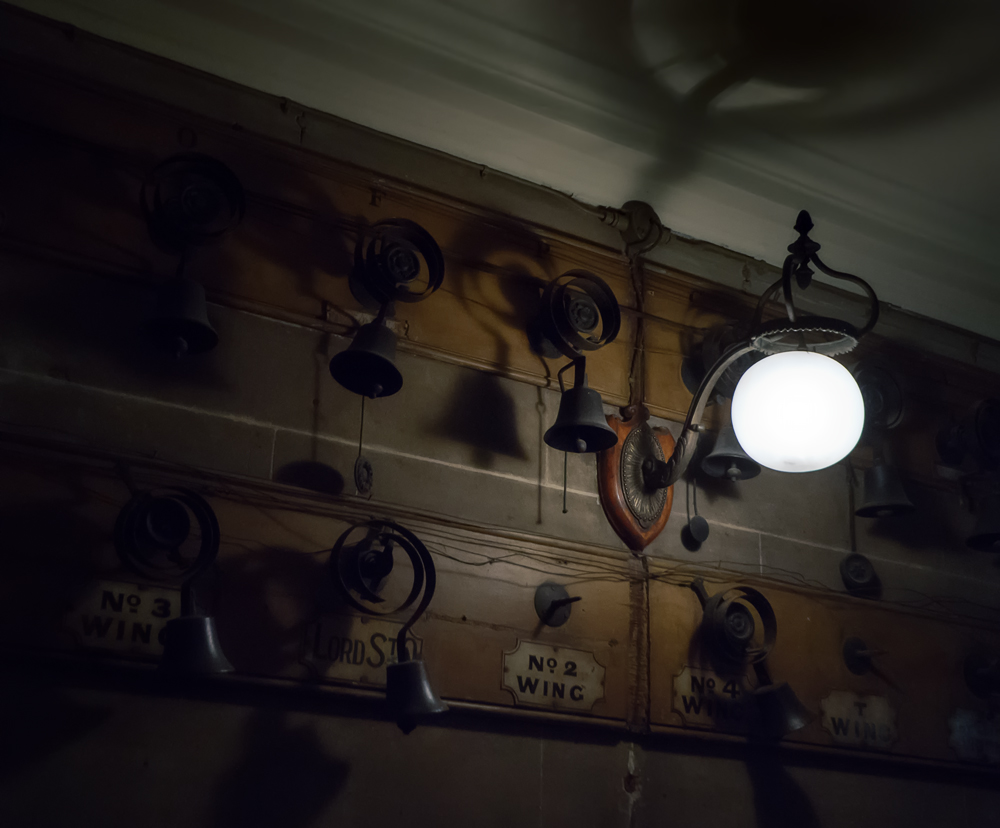
Butler Please by 2010kev, on Flickr
Butler Please by 2010kev, on Flickr
Last edited:
- Messages
- 7,312
- Name
- Jeff
- Edit My Images
- No
I used the horrible Photomatix Pro software to produce this merge of three shots in Tewkesbury Cathedral....

Tewkesbury Abbey III by kennysarmy, on Flickr
Tewkesbury Abbey III by kennysarmy, on Flickr

- Messages
- 9,277
- Edit My Images
- No
"This looks/doesn't look like HDR" is a bit of a silly statement since there's no 'way' of describing HDR apart from exactly that" (H)igh (D)ynamic (R)ange.
Ironically, an HDR image is actually a low dynamic range image. A high dynamic range scene is compressed into the low dynamic range of the print or monitor it is being viewed on.
Steve.
Phil Young
Suspended / Banned
- Messages
- 6,584
- Name
- Phil
- Edit My Images
- Yes
If you apply HDR term to the contrast of the range then yes, but it also applies to the exposure as well.Ironically, an HDR image is actually a low dynamic range image. A high dynamic range scene is compressed into the low dynamic range of the print or monitor it is being viewed on.
Steve.
I guess they are both correct by definition.

bobleeuk
Suspended / Banned
- Messages
- 270
- Name
- lee
- Edit My Images
- Yes
A HDR image processed in Photomatix from 5 shots bracketed -2 to +2:
There are a huge number of variables in Photomatix ranging from subtle exposure blending through to the hideous painting effect. The unnatural looking shots typically have the detail enhancement turned up to the max, which removes all shadow detail.
I like that mark, where was this taken.

MarkLG
Suspended / Banned
- Messages
- 128
- Name
- Mark
- Edit My Images
- No
I like that mark, where was this taken.
It's from the top of a hill called West Nab, just off the A635 Holmfirth - Manchester road, at the Holmfirth end. Sadddleworth Moor in the distance.
bobleeuk
Suspended / Banned
- Messages
- 270
- Name
- lee
- Edit My Images
- Yes
It's from the top of a hill called West Nab, just off the A635 Holmfirth - Manchester road, at the Holmfirth end. Sadddleworth Moor in the distance.
I thought recognised it mark, I was wondering if it was on wesendon head road, I live in Holmfirth.
Ironically, an HDR image is actually a low dynamic range image. A high dynamic range scene is compressed into the low dynamic range of the print or monitor it is being viewed on.
Steve.
Not necessarily. Screens like Dolby Vision can easily hit 5000 cd/m2 allowing display of HDR with no dynamic range compression.
If you apply HDR term to the contrast of the range then yes, but it also applies to the exposure as well.
I guess they are both correct by definition.
The dynamic range of a signal is the ratio of maximum signal level to the noise floor.
It is not a measure of contrast or brightness. These are both subjective interpretations of signal level.
Phil Young
Suspended / Banned
- Messages
- 6,584
- Name
- Phil
- Edit My Images
- Yes
Fair enough.The dynamic range of a signal is the ratio of maximum signal level to the noise floor.
It is not a measure of contrast or brightness. These are both subjective interpretations of signal level.
What's your interpretation of HDR then??

MarkLG
Suspended / Banned
- Messages
- 128
- Name
- Mark
- Edit My Images
- No
I thought recognised it mark, I was wondering if it was on wesendon head road, I live in Holmfirth.
That's the one - I'm in Homfirth as well!
MarkLG
Suspended / Banned
- Messages
- 128
- Name
- Mark
- Edit My Images
- No
Fair enough.
What's your interpretation of HDR then??
HDR in it's truest sense is using software and multiple exposures to create an image where the dynamic range of the original scene exceeds that of the camera's sensor.
Most sensors will have a DR of around 12 stops. Anything too dark gets lets in noise and shows as black, and anything too bright shows as blown out highlights with no colour information (i.e. red, green and blue are all maxed out).
By taking a series a shots from -2 to +2 you're effectively giving yourself an extra 4 stops to work with, which means you can bring the shadows up and reduce the chance of blowing out the bright parts of the picture.
Strictly speaking the DR of the final image is reduced overall, but if it's done properly it should be close to the way you saw the scene originally - if you're watching a sunset your eyes will instinctively adjust to whatever part of the scene you're looking at.