having first go at seascapes

powell7

Suspended / Banned
Messages
731
Name
chris
Edit My Images
Yes
hi all,going to have my first go at seascapes 2moz after work.
just wanted some help.
just to let you know i dont have any filters yet:'(
but what one`s should i go for?

whats the best setting to have the camera on?
what sort of shutter speed and F number should i use?
is there any tutorials on line that anyone knows of?

any help would be great,thanks chris
 
It's all about light and timing. I guess you live by the sea and to get good images you'll be able to return to the scene and shoot on many ocassions under varying light, and you will need to. The more dramatic the sky the better. thunderstorm go for it, flat light with a plain white sky, keep the camera in the bag. Evenings are good, early mornings much better, depending of course on the direction of the light.

Start off with Iso 200 and shoot on P if you are not very experienced, check images for exposure and magnify them up to check focus, push the iso up as it gets darker but most important of all, if it don't look interesting, don't shoot, come back another day.

Good luck

john
 
I'd agree with early morning on late evening.
Shoot at ISO 100 and aim for longer shutter speeds if you want to add motion in the cloud and blur water(always a nice effect). Aim for around F16 to keep foreground and distance in focus (though F11 may be your sweet spot for your lens....Experiment). Focus around a third into the frame. Shoot in manual and if you can get a 0.6 ND Grad then so much the better. If you do manage to get a grad then expose for the foreground and pop your grad over the sky to even out the latitude between bright sky and foreground.
If you have live view then use this to manually focus as your camera may well struggle in low light.
Above all this have a great time and we look forward to seeing your efforts
ps nice Avatar...English or French?
 
You don't necessarily need filters, although I use them, I have only recently started using them.

To save yourself the inital costs (Lee filters are expensive),to control the (often) high contrast you can take two shots (on a tripod), expose one for the sky the second shot will be exposed for the foreground. You can then blend them in photoshop.

Just follow this guide. The rest of David Clapp's site is also worth a look, his landscape and seascape stuff is amazing.
 
nice Avatar ???
 
Any of you guys tried exposure blending with a 10 stopper? Does the movement of the water blending over 2 pictures make it a bit of a mess?
 
You don't necessarily need filters, although I use them, I have only recently started using them.

To save yourself the inital costs (Lee filters are expensive),to control the (often) high contrast you can take two shots (on a tripod), expose one for the sky the second shot will be exposed for the foreground. You can then blend them in photoshop.

Just follow this guide. The rest of David Clapp's site is also worth a look, his landscape and seascape stuff is amazing.

This is exactly what I do. I'd rather do my fiddly stuff in the comfort of my office at home rather than on the beach in howling winds. :)


I agree with all that has been said about the time of day. This freebie I find very useful to pinpoint the direction and time of sunrise and sunset.

http://stephentrainor.com/tools

Dave
 
But you could also argue that it's better to get it right in camera than sat in front of a computer fiddling around. After all us outdoor photographers enjoy being outdoors, Right? ;)

This is what I tend to do, I held off buying filters for quite a while (except for the B+W 10 stop ND) because I didn't feel I needed them.

Recently I have had a change of heart and do genuinely feel it best to get it right in camera but there are times when ND grads do not work well and EB is a better process, e.g. when the foreground subject (sides of an inlet, cove cliff etc ) is unnaturally darkened because of the filter grad line.

My main reason for buying filters is to save on the PP time, get it mainly right in camera and I also find it slows me right down which tends to lead me take better images, rather than firing on tons at different exposures hoping that one of them is good.
 
I agree with all that has been said about the time of day. This freebie I find very useful to pinpoint the direction and time of sunrise and sunset.

http://stephentrainor.com/tools

Dave

+1 to ^^^^ ... It's a great addition to my iPhone and I use it when I'm planning where to go to save time wandering aimlessly trying to get a good compostion in the dark.
 
Any of you guys tried exposure blending with a 10 stopper? Does the movement of the water blending over 2 pictures make it a bit of a mess?

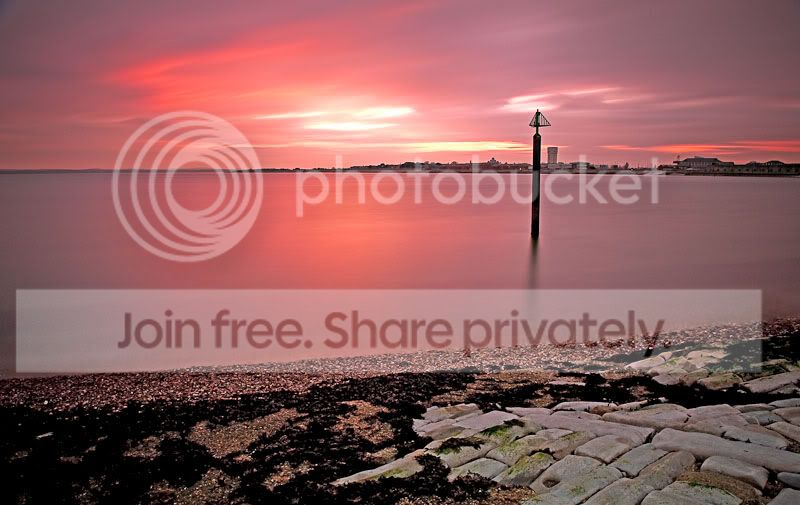
I havn't tried it with a ten stop, only becuase I tend to shoot with it at sunset / sunrise times, therefore not needing the graduation so much, although I think the following could have benefitted from a two stop fade in the sky where it is very slightly blown.

Southsea800100312.jpg
 
oh,thanks its an old english carp just under 30lb.
thanks everyone for your help,i`m off out now to have ago.
 
just got back.had fun,learnt alot,got wet feet:lol:

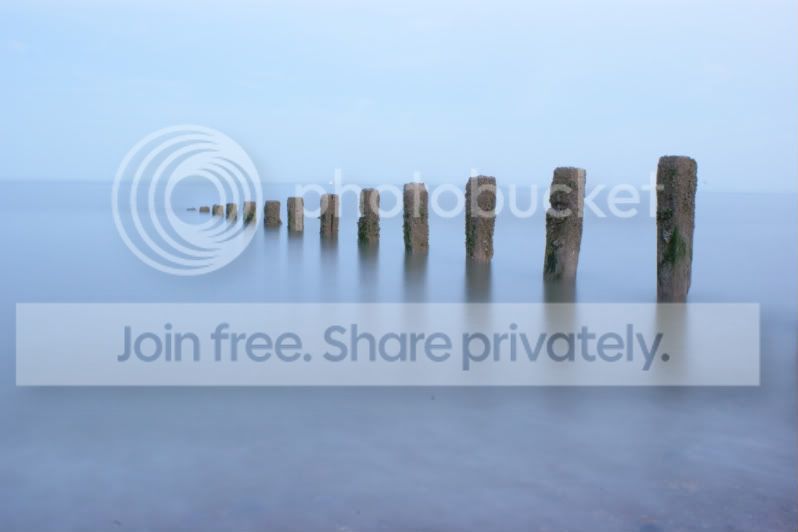
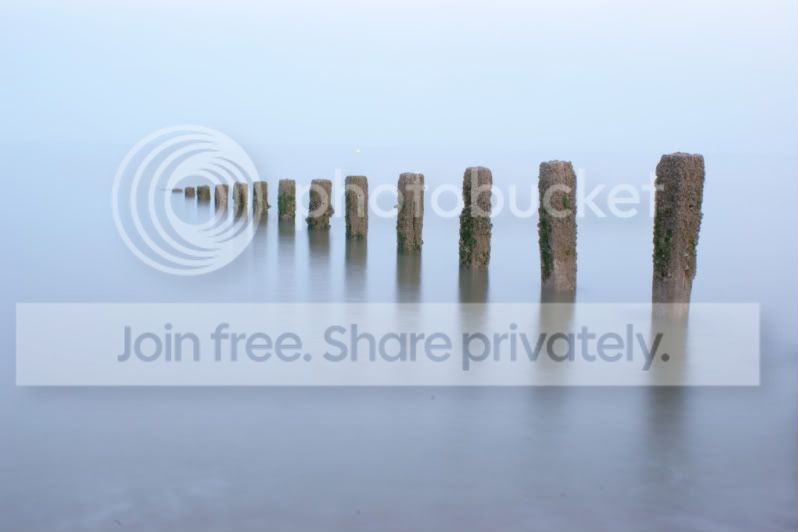
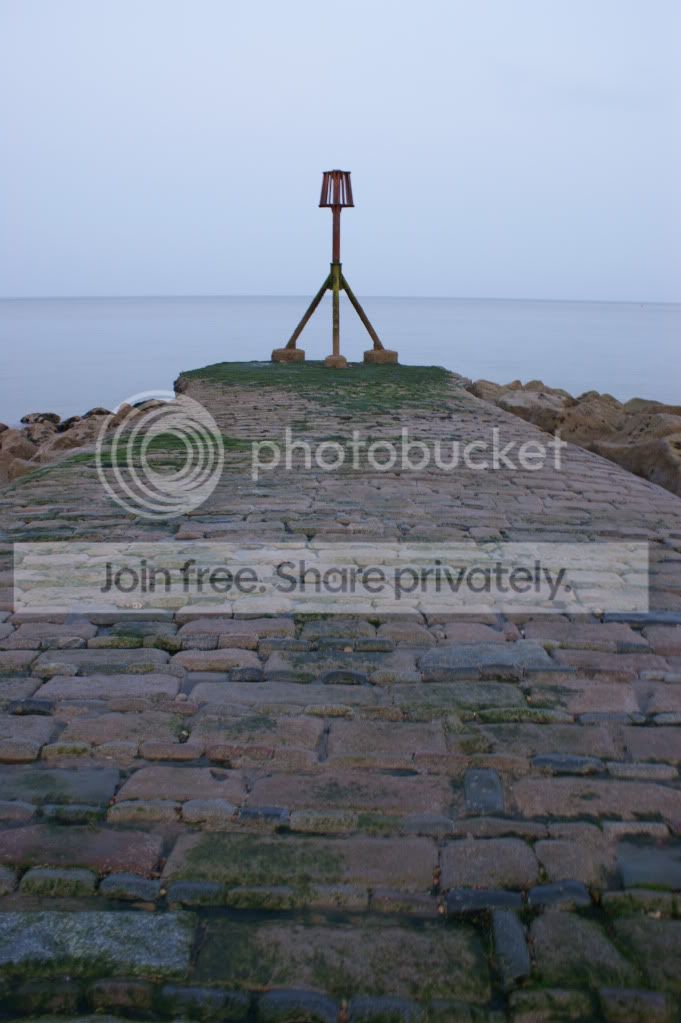
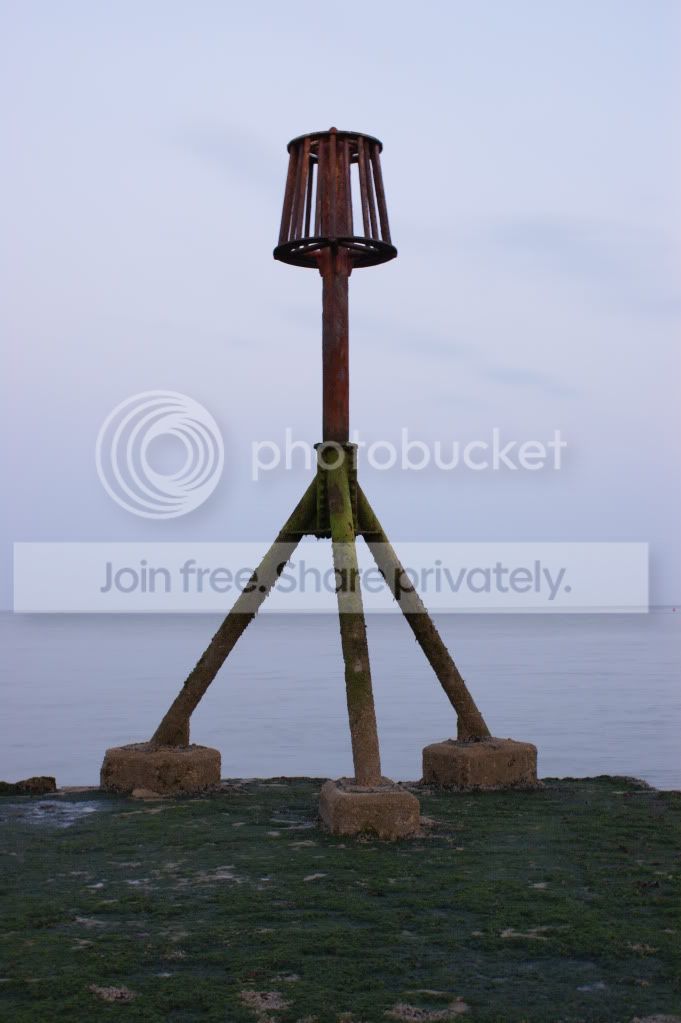
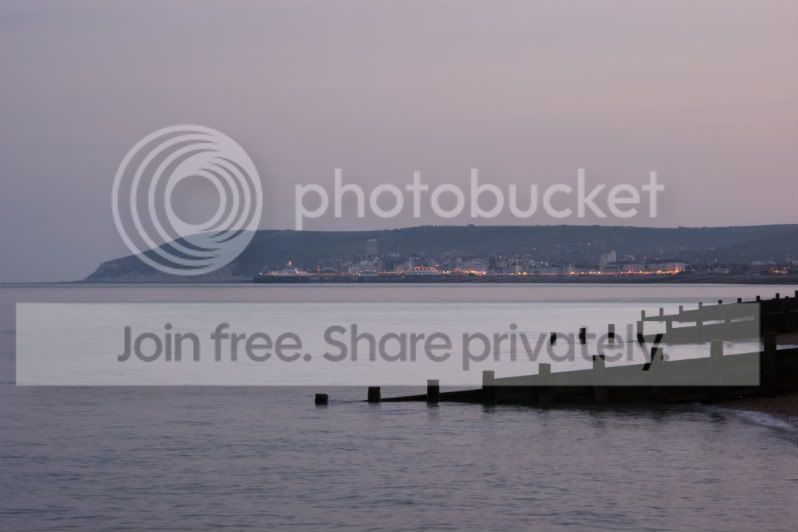
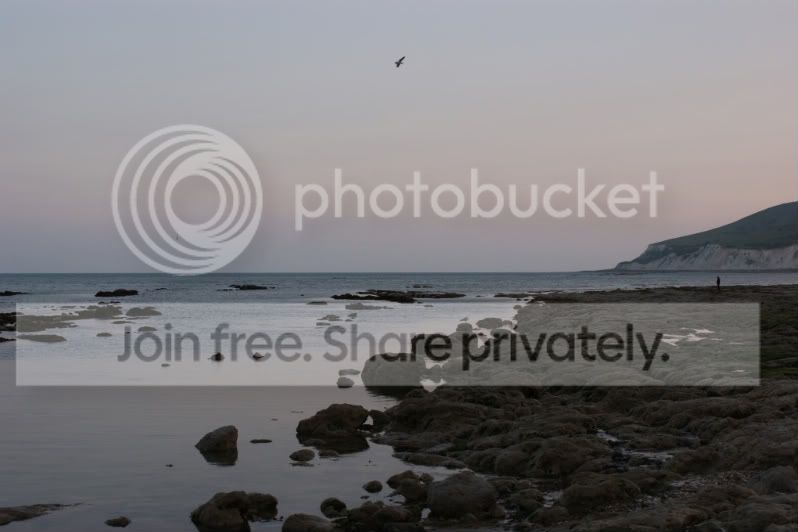
got afew photos i like,not very intresting to look at but its the techneak involved that i wanted to try.
013-2.jpg

011.jpg

008.jpg

could people let me know what they think and how i could improve them.
i think a longer shutter speed would have been better.

am i right in saying if i used an nd filter i could have had the shutter open longer earlyer in the evening?
i ask this becos i was finding earlyer when i had the shutter open for around 30second the photo was coming out white,but by the time it was dark enoght to open the shutter longer it was almost dark.
what would be the best sort of filters to get for a sony?
i have photoshop cs3,what could i do to them to make them pop,they were taken in raw.
thanks all,chris.
 
If you want to shoot during daytime you will need to use ND filters to slow the shutter speed down a bit more otherwise just leaving the shutter open for any length of time with will overexpose the image.

If you can go for a B+W ten stop filter. If you don;t fancy doing that right away then try shooting between one hour either before or after sunrise or sunset respectively and shoot with a small aperture, say f16-f18. Have a play and see what work, although be aware that if the aperture is very small, f22 you can end up with a soft shot due to diffraction of the light passing through such a tiny hole.

My shot above was taken about ten minutes after sunset, the shutter was open for four hundred seconds.

I also think it is slightly over-exposed. I always aim to overexpose (read expose to the right) by half a stop when doing long exposures. Alway easier to dial down the exposure when post processing than trying to crank it up a bit.

If you think to over expose a 400 second by half a stop it leaving the shutter open another two hundred seconds !!! It was a tip I read on here and it has served me well.

Good luck, long exposure seascapes allow you to really let your creativity run wild. It allows you to simplify your composition and capture many moments it one shot.

Also, have a go a between 0.5 to 2 seconds if there is any movement in the water, it won't quite give you a milky effect but on sandy / riven beaches or with any rocks buried in the surface you end with striated lines which shows the movement in the water. You won't need a ten stop filter for this either, in fact if the light is getting quite dark you won;t need any filters at all, provided the sky is not too contrasty compared to the foreground.
 
Hi again Chris,
Yes an ND filter will extend your shutter time. That combined with shooting early morning or late evening should give you from 4 seconds to 30 seconds depending on the light levels, Both will give movement/Blur to the water and clouds. 30 seconds will give you a nice subtle mist effect on the water. I use an ND filter as well as an ND Grad when i want to retain detail in the cloud/foreground and to induce movement however i don't really like stacking more than 2 filters as image quality will start to degrade.
Don't get too anal about all of this, Just remember to keep it really really simple and experiment. What F stop did you take your photos at? Also try to focus at the bottom of the first post, Really take your time with the focus.
 
i used f11 and f16 on p mode.
think ill have a pop down the shop later to have a look at some filters,what makes are best? and what grade should i start with?
there wasnt any clouds last night so i dont think that helped with the lighting.
 
iv had a look at them filters,bit much for me at the mo.
what are kood and hoya filters like? or should i just save up?
am i right in thinking the higher the grade the earlier in the day i can open the shutter for longer?
iv been reading abit,when people say meter on the foreground,whats it mean,and how do i do it?
 
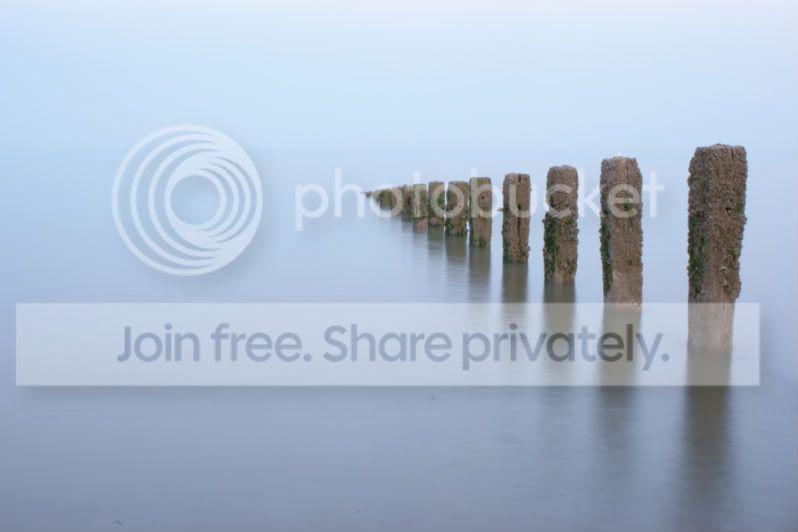
couple of new ones,c and c`s welcome.
045.jpg
034.jpg

037.jpg

012-3.jpg
 
You don't necessarily need filters, although I use them, I have only recently started using them.

To save yourself the inital costs (Lee filters are expensive),to control the (often) high contrast you can take two shots (on a tripod), expose one for the sky the second shot will be exposed for the foreground. You can then blend them in photoshop.

Just follow this guide. The rest of David Clapp's site is also worth a look, his landscape and seascape stuff is amazing.

thanks for the link! excellently written and easy to follow tutorial :)
 
Back
Top