Have I bought the wrong polarizing filter?

tomwazza

Suspended / Banned
Messages
62
Name
Tom
Edit My Images
Yes
Hi Everyone,

After going to the Eden project and getting some rather bland photos (see below) I decided to get myself a polarizing filter to enhance the colours a little.

5018375782_478197bf39_b.jpg


I jumped straight in and bought a Linear Hoya Polarizing filter for my Canon 30D, now after an hour or so on Google (to try and figure out how to use it) I find that perhaps I should have bought a circular one? Something to do with the AF?

Am I a little mistaken? Or should I go out and buy a circular one?

Sorry for the newbie question :)

Cheers,

Tom.
 
From what I understand, yes you have the wrong type, a linear one can affect the focus and the metering.
I have an old linear type and personally think they work far better than circular types.
Don't buy cheap, I bought a cheap HOYA circular polariser only to find out it is nothing more than a cheap piece of tinted glass!!
With polarizes you will only get the results you want at certain angles to the sun, they can be useful, as for the shot above, that would have been a whole load better if it hadn't been overexposed to start with.

Paul
 
I've had a little play the evening and found that the canon seems to be focusing ok, the shutter time has been altered though (but that'll be the same for both linear and circular and can be corrected?)

Not entirely sure what the metering does, best do a quick google.
 
Last edited:
I've had a little play the evening and found that the canon seems to be focusing ok, the shutter time has been altered though (but that'll be the same for both linear and circular and can be corrected?)

Not entirely sure what the metering does, best do a quick google.

It will focus OK indoors more often than not, you may see the anomoly when there is a highly reflective scene that you polarize, manual focus, of course, will always work.

Paul
 
Right, so I'd best sell the linear one then and get a circular one instead.

Doing well so far lol.

Cheers for the top tips guys.
 
Last edited:
yes, but get used to the camera metering first, the polarizer will help, not solve.
Did you shoot in RAW and do you post process the images? You will see and learn far more from you shots than sticking a filter on. Have a play it's great fun.

Paul
 
Well...

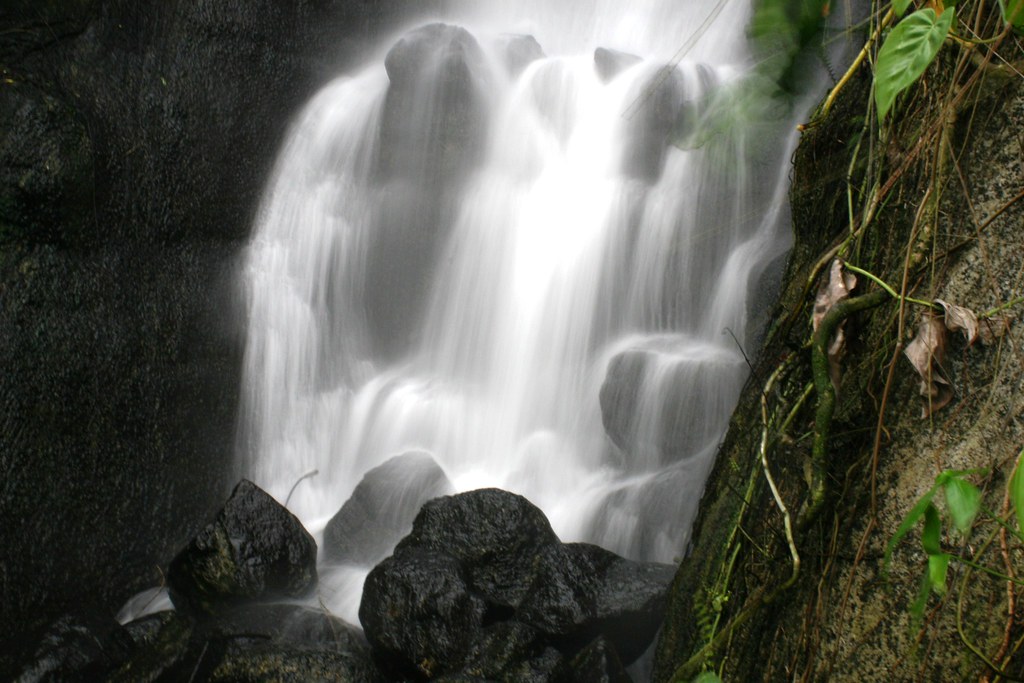
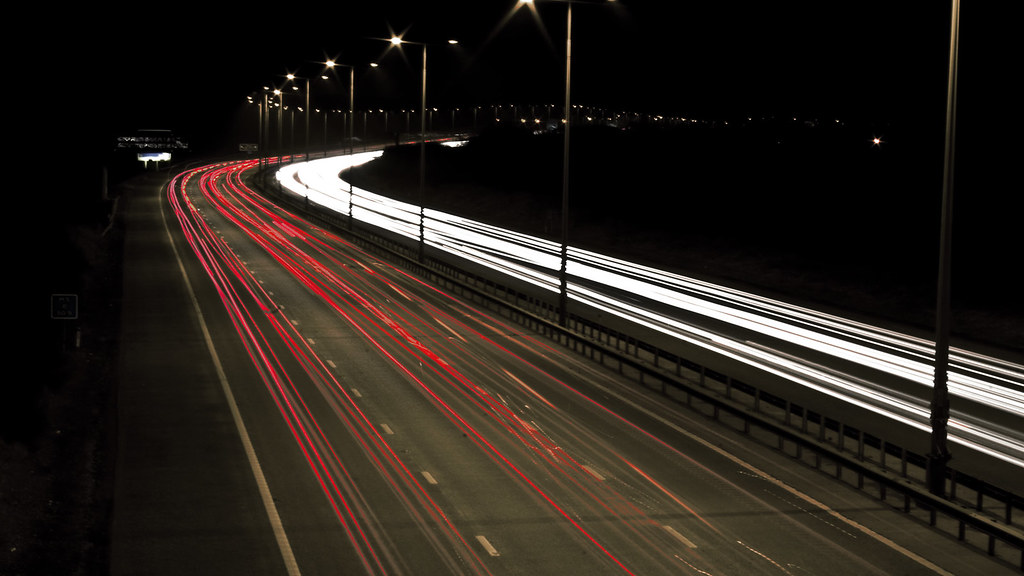
I usually shoot in auto (i know, i know) when I'm just taking snaps, but I do shoot in RAW when I want to be a little more arty. I like taking photos with long exposures. Like these for example:

Eden Project -

5017865861_0ee9c96c63_b.jpg


Motorway Lights - Lots of processing to enhance reds/whites:

5017860207_2b9f6cc42f_b.jpg


Hope you like!

Just contacted the seller to see if he has a Circular one that he might be able to exchange with mine, just a thought. Edit - Seller just agreed to refund!

Cheers,

Tom.
 
Last edited:
Don't be in a hurry to sell the linear.

Get the circular polariser as well.. there's lots of fun you can have combining a linear polariser on the front of a circular polariser. It gives you a very crude variable ND filter.
 
Circular polarising filter, the filter works best at 90 degrees to the light source (sun).

Er no.

Turn the polariser while looking through the eyepiece and you will see where it works best. You may not want the maximum effect.

I use an LPL and the only problem I have is occasional EV easily compensated in PP. It produces a stronger more polarising effect than a CPL.

Looking at the original picture if it had been fully polarised I would expect the clouds to stand out much more against the sky.
 
Yup wrong choice Linear Polarisers do not work on Digital cameras Circular are best something about the light they tend to be more expensive but Jessops do some nice ones for a decnt price I have a range now from cheapo Kood one to a B&W and as you would expect the more you pay the better the results. The kood is weak whilst the B&W is amazing the balance point price to filter was Jessops have to say well made too
 
Yup wrong choice Linear Polarisers do not work on Digital cameras

They do work, and they can be useful.. they just don't do the same thing.
 
Linear vs circular - in terms of effect, they are exactly the same. A circular polariser is just a linear polariser with a quarter-wave plate stuck on the back which 'circularises' the light so that it doesn't upset the metering and AF systems. You use them both in exactly the same way, for the same result.

In terms of the polarising effect, I have never been able to distinguish any difference between either linear vs circular, or cheap vs expensive. However, cheap ones sometimes have a colour cast, and are prone to affecting sharpness on long lenses which magnifiy imperfections in the polarising foil sandwich.

On my Canon cameras, I couldn't get a linear polariser to upset the autofocus at all, no matter how hard I tried. But I could get the exposure meter to read 2/3rds of a stop out. Other cameras may be different, it depends on the light-splitting regimes they use to feed the metering and AF systems.

The best polarisers are multicoated and this is well worth having. It reduces flare a lot, which is the main problem with any filter. As opposed to sharpness, which is not often affected by a decent filter. I like the Hoya HD as it only reduces the light by 1.2 stops, whereas most others which are 1.7-2 stops. It's on my super-wide most of the time fro landscape :thumbs:

Edit: Polarisers are all about angles. The ones to remember are mainly 90 degrees for skies and 37 degrees for reflections (google it) :)
 
Last edited:
Hells bells, would you believe it

I have just re read this thread and my Hoya piece of tinted glass is in front of me, I turned it round and it works a treat? just googled and apperently circular polarizers only work in one direction.

I have removed the glass and turned it round, now it works fine...top result:clap:, I was thinking of chucking it out.:bonk:

Paul
 
Interesting thoughts. Totally off topic:

what did you think of your visit to the Eden project?

Did you take kids?
 
Back
Top