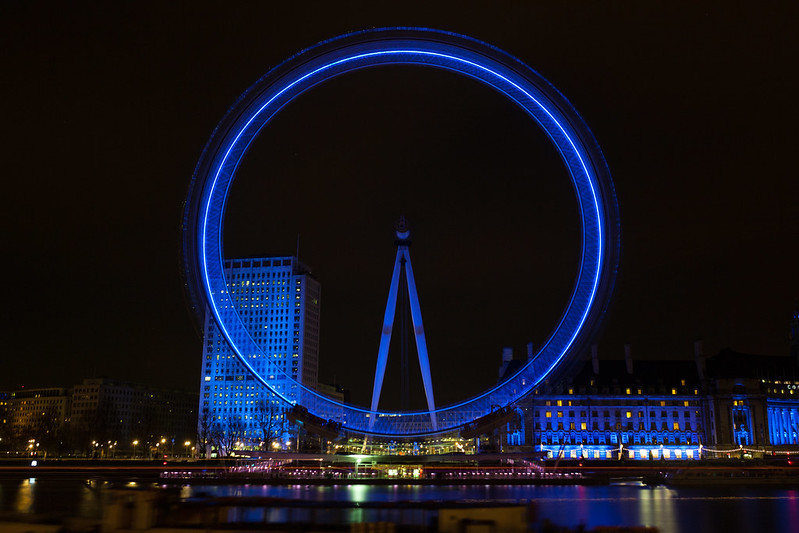
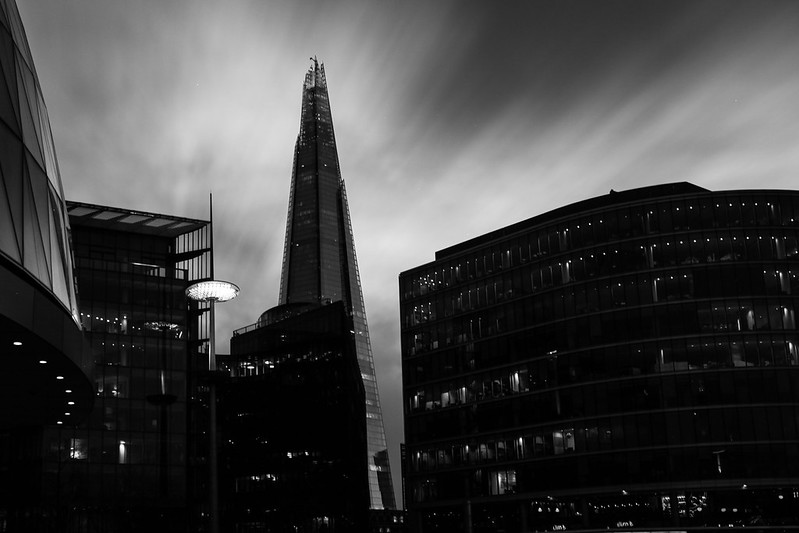
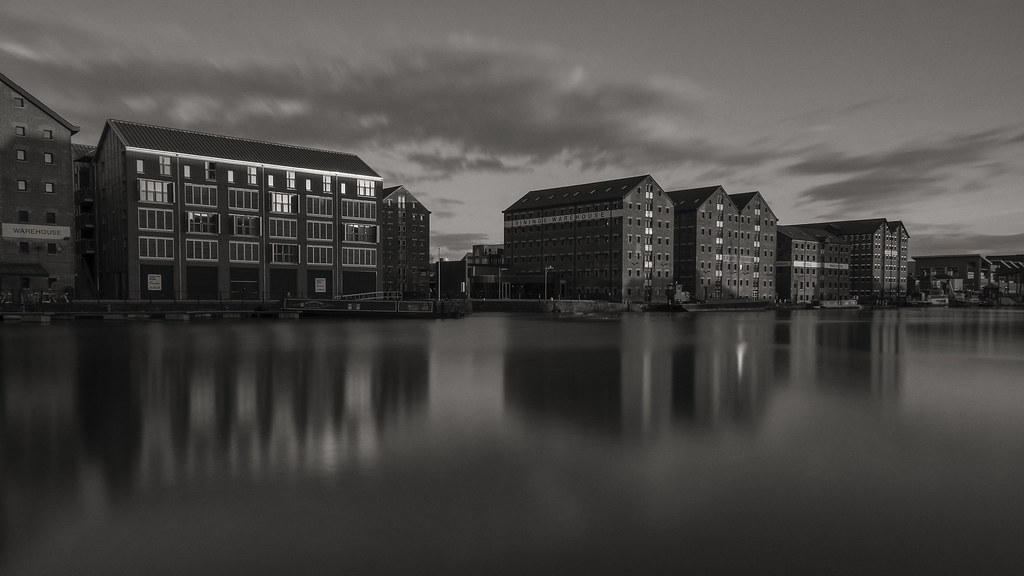
For exposure calc, the problem with this type of extreme ND filter is that very few of them are exactly ten stops. I've tested a lot of them and they range from 8.5 to over 11 stops, and they're also prone to slight batch variation. There can also be some other slight variables according to the available light - basically infrared content. So the first thing is to test your filter, in good light, and find out what you've actually got.
Two easy ways to calculate exposure. Say your filter is exactly ten stops, then that's 30 clicks on the shutter speed dial (camera set to default 1/3rd stop increments) or also a total of 30 clicks of shutter speed, aperture and ISO combined. This works well up to the camera's 30secs maximum. Or, write down the key shutter speeds you're likely to use, and stick that to a label or card in to the filter box, or inside the lens cap - you'll only need a few numbers, less than ten.
In practise, the final exposure may well vary from the calculated one, even when you've got all the sums right. Handy tip - some cameras, like all Canons I think, when set to 'B' the frame counter will count the seconds, so no need for a watch.