- Messages
- 4,497
- Name
- Dave
- Edit My Images
- No
Brush, soap and elbow grease?
Probably down to salts coming out of the mortar. I have had it for 10 years in an earth retaining wall (with a waterproof membrane between the soil and the wall) and see little improvement. I noticed it coming from the lower brickwork on a neighbours house about two years ago. The house is 40 years old ! Water seems to make it worse. A hard rub with a dry brush during a dry spell improves it, but it comes back. I think you are stuck with it.
The problem with efflorescence is that after it has been exposed to air (CO2 actually) the salts form carbonates which require acid to remove. The usual acid used for this is HCl which is a VERY strong acid. First thing to try is to hose it down and use a stiff brush, if that fails then it is an acid wash, taking the necessary precautions.
If it got to an acid wash stage how does one go about it?
I am going to try this I think... Everbuild Salt Away Remover 5 Litre
I do not think that the bricks are the problem
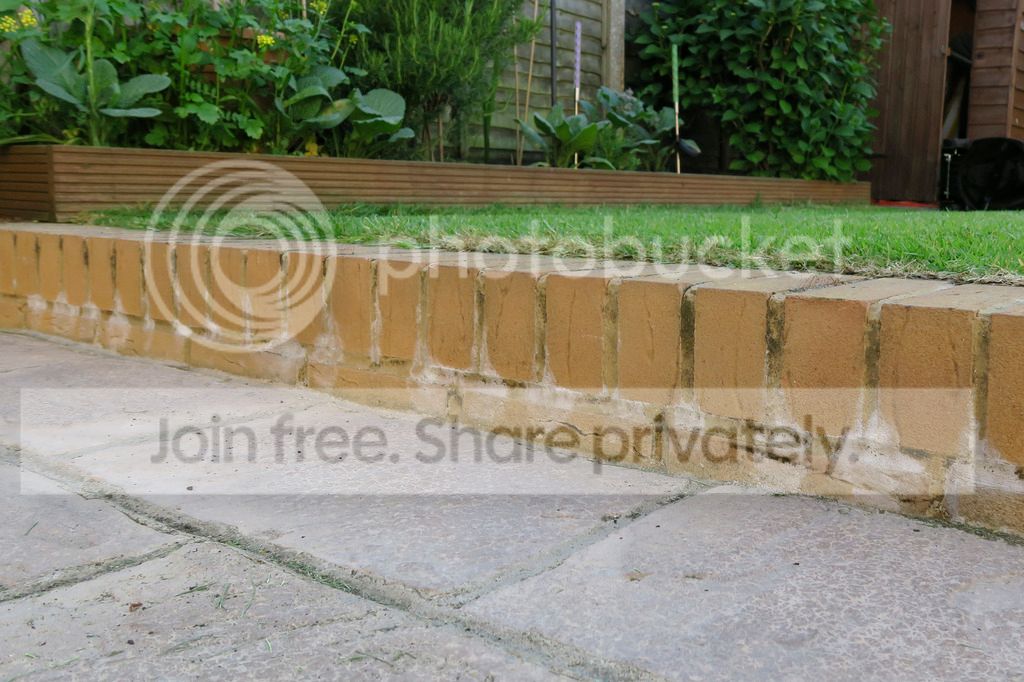
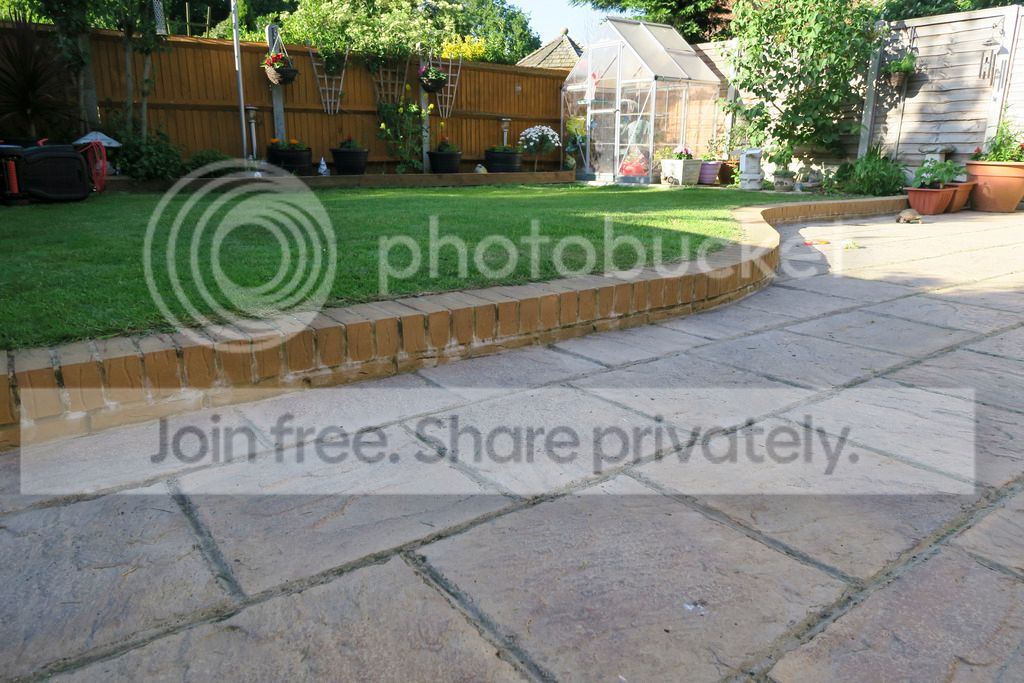
The wall is acting as a retaining wall to the raised grassed area, whilst not challenged structurally it is still similar to the wall of a dam in so much that it contains any moisture draining down through the lawn.
Ideally the rear of the wall should have been tanked (damp proofed), or better still built with an engineering / semi-engineering brick, and a gravel backfill used to act as a land drain, with some weep holes (drains) positioned through the wall along it's length to allow the water a way out.
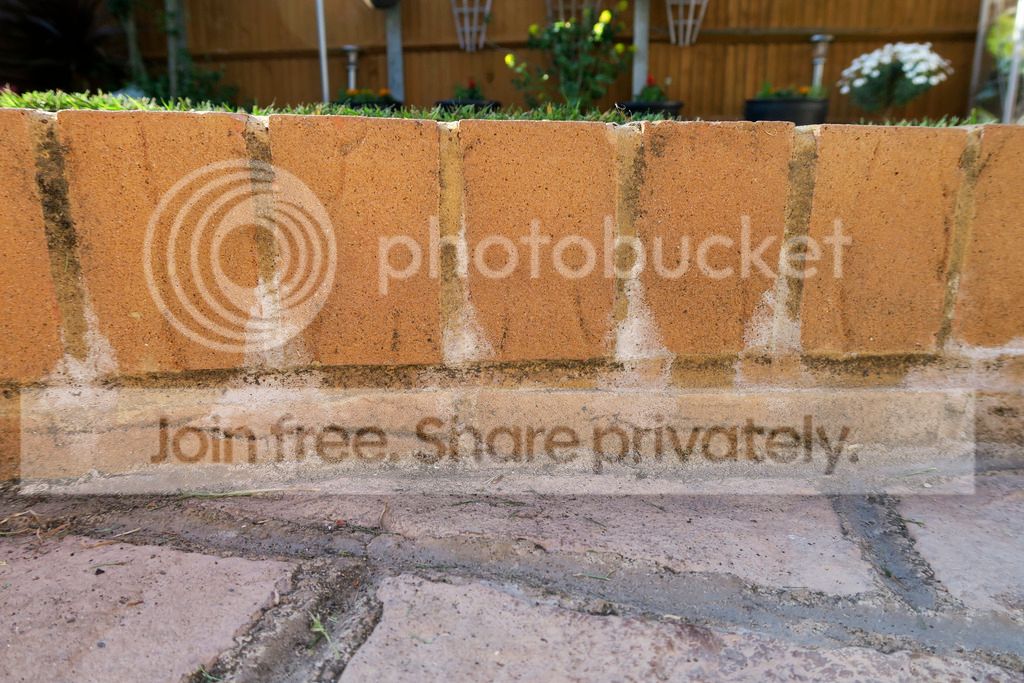
Looking at the position of the staining on the joints indicates the ground water behind the wall is finding the weakest point to come through, depositing any naturally occurring 'salts' on the surface of the joint, you can clean it with an acid, but I think that the issue will always be there due to the nature of the construction of the wall.
Personally I would use a pressure washer on it for the time it will take every twelve months.
Brick cleaning acid is normally used to remove mortar stains rather than salts.

I used engineering brick to build my 30" high wall (double brick plus strengthening pillars). The wall is capped. I have a waterproof barrier between the soil and wall. Efflorescence occurs above and below soil level. Pressure washing is eneffective. As soon as the wall dries the white staining is still there.
I have a feeling that once efflorescence appears it is there for a very long time.
Time will cure it. An alternative could be to paint a mix of natural yoghurt and water onto the wall to encourage natural(ish) looking aging. Personally, I went for leaving nature to take its course.
T
Or just rip the bricks out & relay them. Job done.
You can buy HCl easily. Well, you can buy concentrated HCl solution. HCl itself is a gas.Gastric acids contain HCl therefore you could try vomitting over the wall. OK, that's the stupid advice out of the road.
Builder's merchant etc. sell various brick cleaners etc. They are acidic, but aimed at removing mortar stains which is a different thing.
HCl is a very powerfull acid. It is highly corrosive. Contact with and/or fume inhalation can have serious acute and chronic health effects. Not really a substance suitable for non-professional use.
Not sure if joe public can buy the stuff.
Even if you had the efflorescence professionally cleaned off it will likely just continually reappear.
The reason it sticks around is that the salts react with the CO2 in the air and form carbonates - think limescale in a kettle and you'll get the idea ... any wall that is below ground level such as a retaining wall can be prone, but it also occurs well above ground. Only real way to remove it is to use an acid of some sort, the Everbuild salt away has a pH of 2.5 so is an acid (just not an uber strong one). Heck vinegar would remove it in time ...
ETA: once removed, it may return ....
Make sure it's malt vinegar - your garden will smell like a chip shopI test sprayed a section of wall with vinegar yesterday. It made an improvement. Don't see any change in the mortar joints that are affected, but there is a definate improvement in the brick faces. For all vinegar costs I'll repeat spray a few times.
I can say with reasonable certainty that you never diluted HCl from 100%. 100% HCl is a gas which is never used by endpoint users in industry because it's staggeringly dangerous, difficult to handle and it's much easier & cheaper to work with solutions.Loving all this talk of how dangerous Hydrochloric Acid is (HCl ). In a former career we tested the purity of precious metals. We frequently used HCl, diluting it from 100% as required. We rarely used gloves (or if we did they were surgical type ones, the brown stain HCl leaves is a 'mare to get off) and the fumes when mixed with water were rather unpleasant. It was the Sulphuric and Hydrofluoric Acid that were nasty (HF) eats through glass! Anyway for the safety conscious ones. HCl should be handled with care, if you get it on skin rinse immediately with water as the burns if left can get rather sore), it rots fabric rather than burns it. In a nutshell where gloves, goggles when using. Don't put your head over the bottle when diluting.
I guess we were all lucky as half the time the fume cupboards which switched off due to the annoying alarm (faulty systems). It was always fun carrying out test on GPC salts (gives of KCn when tested)I can say with reasonable certainty that you never diluted HCl from 100%. 100% HCl is a gas which is never used by endpoint users in industry because it's staggeringly dangerous, difficult to handle and it's much easier & cheaper to work with solutions.
Concentrated industry HCl is about 30% and that will cause painful burns on contact and needs to be handled in a fume hood as it releases HCl vapour even at rest.
Also, it's nitric acid that causes brown/yellow stains. Not HCl.
Funnily enough, although HF eats through glass it doesn't dissolve tissue. So it won't eat through your hand (though it's dangerous in other ways).
/pedantry