Do you see contrast ?

dinners

In Memoriam
Suspended / Banned
Messages
15,745
Name
Phil
Edit My Images
Yes
In a world of colour I was wondering how may people feel they easily see contrast without having to think about it.

Green fields against a blue sky, a bowl of oranges and apples - all work beautifully together in terms of colour contrast but when viewed in black and white - can often appear as exactly the same tone.

To create contrast we can obviously adjust selective colours these days prior to mono coversions and for those of us old enough to remeber we can make use of coloured filters when shooting black and white film but I was wondering how many people 'see' contrast as second nature without even thinking about it when they're out and about with the camera.
 
Last edited:
........all work beautifully together in terms of colour contrast but when viewed in black and white - can often appear as exactly the same tone.

To create contrast we can obviously adjust selective colours these days prior to mono coversions and for those of us old enough to remeber we can make use of coloured filters when shooting black and white film but I was wondering how many people 'see' contrast as second nature without even thinking about it when they're out and about with the camera.

Using the famous phrase from Pot Black (*well, I think it was that prog):

For those viewers watching in black and white, the pink ball is just behind the green

As dinners pointed out, using a coloured filter will help train the eye... Next time you're doing a Mono photo shoot fit an Orange filter to your lens to attain a more authentic B&W finish :thumbs:
 
Using the famous phrase from Pot Black (*well, I think it was that prog):

For those viewers watching in black and white, the pink ball is just behind the green

As dinners pointed out, using a coloured filter will help train the eye... Next time you're doing a Mono photo shoot fit an Orange filter to your lens to attain a more authentic B&W finish :thumbs:

I think it was pot black :thumbs:

I know it's not the best method for producing B&W images but a really good way to get a 'feel' for contrast is to switch your camera to B&W and spend some time shooting then checking the results.
 
A thought provoking question Phil!

Contrast isn't as immediately obvious as colour strength, brightness and focus when you look at a subject through the viewfinder or even if you use Live-view or an equivalent feature (including when taking a shot and previewing on the camera LCD for obvious reasons).

I tend to judge contrast using a combination of eyesight, the graphs available on camera and accept that times have changed and I can now also adjust via PP to enhance less easily visible aspects of the shot later if necessary.

I always shoot in RAW then import and convert later, this offers the most flexible and productive work-flow procedure in my experience.
 
Last edited:
When I was studying for my Fine Art degree we had to do an exercise in exactly this (one of the few useful things we did... art degrees are not all that!) by producing a painting that had a variety of colours but all had to be as close as possible in tonal range, we then "photocopied them" in black and white to see the results... people were very surprised... I wasn't... I was more surprised that people had got to degree level without realising that different colours didn't equal contrast!
 
I think of contrast in three different ways. It isn't strictly correct, but it works:

colour contrast (Black v white. Red v green. Purple and Yellow etc).
Lighting contrast - highlight to shadow.
Focus contrast - focal blur creates a "contrast" between sharp and soft.

I think all these things can add to the technical contrast of light. Ad I said, it isn't strictly correct technically, but it works to help create pictures that have a contrast of some degree in them to make things stand out. Personally I think lighting contrast works the best as it transfers from colour to monochrome.

In short answer to the original question, yes I do see contrast, but I am generally looking to create it, rather than just notice it. By that I mean I look first at the direction and strength and type of light, then I work out where my subject needs to be to make best use of it. This process may take as long as, oooh 2 seconds.

The other way to think of it is how landscapers do. Obviously they can't put the subject where they need it for the prevailing light BUT they can put the light where they want it, by choosing the time of day to be at the chosen viewpoint of that subject.

I think the whole thing can be boiled down into one phrase, or sentence: think about the shot and the light required to make it work. This might be the colours, the direction, strength and type of light(s) or the focus.
 
That is why in B&W days red green and blue filters were used to help provide contrast in shots.

Yes - what I was trying to ask is whether people have developed the ability to 'see' contrast for themselves and are therefore able to suddenly spot a great mono shot without having to create contrast within pp or filters ?
 
The more different the colours are the more contrast you can create in post. That goes along with all different shades of these colours, and grey.

Using a colour filter on digital camera is a waste of light and time. I was curious enough to try it and the output is exactly the same just degraded as w/o filter.
 
Last edited:
Using a colour filter on digital camera is a waste of light and time. I was curious enough to try it and the output is exactly the same just degraded as w/o filter.

unless it helps you visualise the final shot or you are some kind of anti pp luddite :lol:
 
colours are more inter-related in sympathy and repulse
hence the saying
b****r the ymca

BGR YMC
 
Contrast is how we see isn't it ...remove the shadow and the view before our eyes would blend into one flat coloured surface, but we'd have little idea where one object position was in relation to any other.

So I must see contrast .... I just don't think black and white.

Hence, shooting subject matter in natural light at times not overly far from dusk / dawn yields far better results than photographing stuff during the hours where the sun is at its highest elevation* ;) :thumbs:


* clearly, this is most apparent during summer months!
 
Contrast is the difference in visual properties that makes an object (or its representation in an image) distinguishable from other objects and the background. In visual perception of the real world, contrast is determined by the difference in the color and brightness of the object and other objects within the same field of view. Because the human visual system is more sensitive to contrast than absolute luminance, we can perceive the world similarly regardless of the huge changes in illumination over the day or from place to place.
 
Hence, shooting subject matter in natural light at times not overly far from dusk / dawn yields far better results than photographing stuff during the hours where the sun is at its highest elevation* ;) :thumbs:


* clearly, this is most apparent during summer months!


What this thread needs is some examples of positive tonal use in high sun to gain good composition.

You got any?..anyone? ...you lead and I'll follow.

I’m pretty sure I think tonal ranges all day long, just for colour not black and white and not in the same analytical way you guys have taught yourselves …so I’d love to see some examples.
 
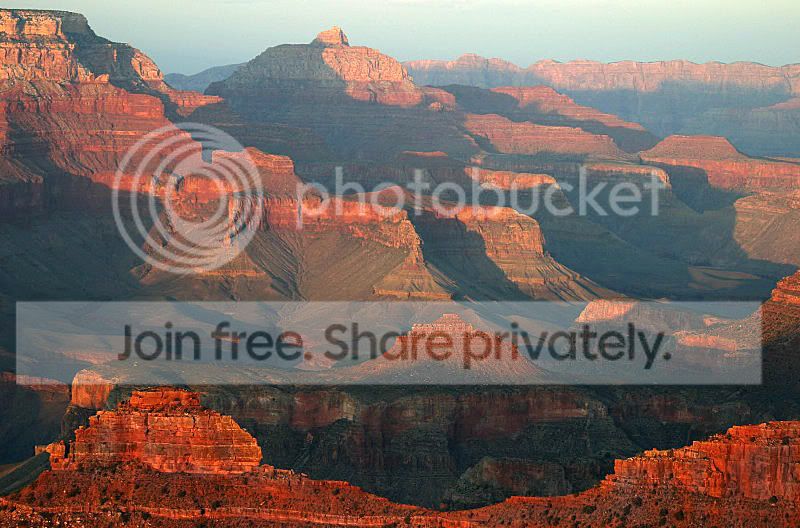
#1 shows the GC with quite a low sun cast on it, and imo provides great contrast!
grandcanyon-12.jpg


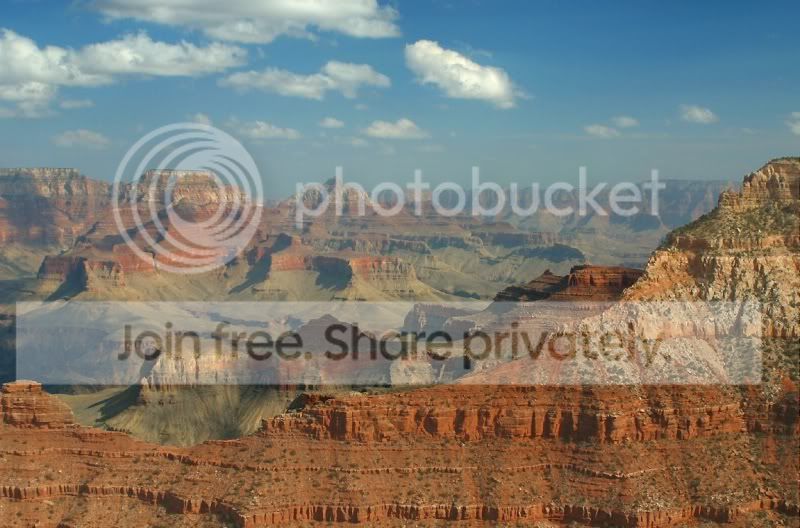
#2 shows it with the sun at a relatively high elevation
grandcanyon-14.jpg
 
Last edited:
Nice examples MScotts.

Tones can be used to both construct or isolate.

In the opposite direction to the above shots...
The idea with this shot was to utilise the flat tonal range of the whole background relying on only the lines and textures to make the compositions background work, even though its all red and orange (which can be dominant and overbearing colour types) in this shot because all the tones are soft and similar its pretty much all blended into one contrast wise.

manndogsmall.jpg


When converted to black and white (no filters) you can see just how flat the tonal ranges are in the back ground.
In effect, I have isolated the dog, man and shadowed underpass as the places to be viewed, which works the same for B&W or colour.

manndogsmallBW.jpg


I can imagine this shot would work less well in anything but vertical bright sunlight which is why I think its an interesting example of tonal isolation in such situations.
 
You used to be able to buy something called a pan view filter (I thinnk it was called that) that was a sort of very dark mauve and looking through it "helped" you see the tones rather than the colours, a lot of the B+W guys used to swear by them.
 
Back
Top