Auto Vs Manual control

  • Thread starter Thread starter Tom Harper
  • Start date Start date
I noticed that CA too, but I didn't want to say anything... it's his L lens, I'm certain... ;) :eek:
 
I think this all goes to show that it's better in some cases to have everything on manual - then at least you know what the hell's going on...

If the image is blurred or badly-exposed it's because you've done something wrong, not the camera...

Then 'all you need to do' is learn the basics and all will be well...
 
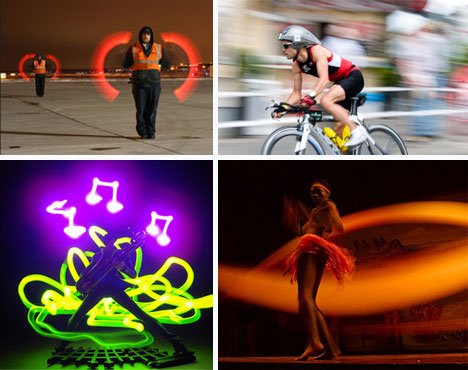
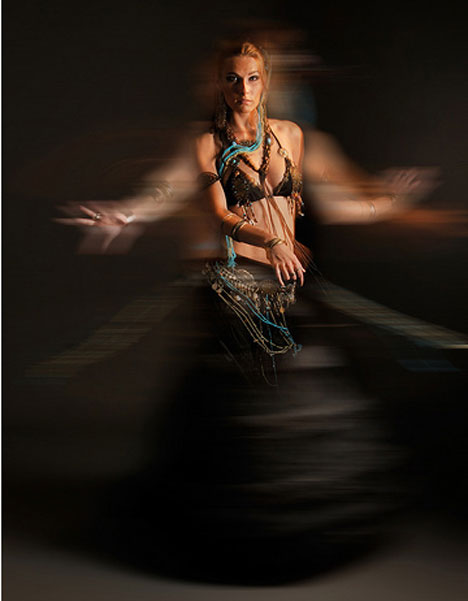
Motion blur is the new black.
 
who wants a correctly exposed blurry shot?

2642246332_56be9c2578.jpg


motion-blur-photography-dancer-5.jpg


time-lapse-motion-blur-photography.jpg
 
don't be smart!:lol:

you know what I mean, ok I'll revise

Who wants a perfectly exposure blurry shot when the shot is supposed to be static
 
who wants a correctly exposed blurry shot?

You have to admit out of the three shots my manual effort is the best, the full auto ISO is noisey and the manual iso is blurred

Initially you said the Camera was wrong

'what I find is that the camera gets it wrong, like it will pick 1/20 for example when 1/60 or 1/80 would do'

all I'm pointing out is the cameras not wrong - it is working out how to get a correctly exposed shot by altering the settings you allow it to (originally only shutter in you original post) and if you altered only the shutter - as in your original post you would get a underexposed shot and bringing the image back in PP would result in a noisy image, which is basically what you'd get with a higher ISO to start with.

What ever method you use Full manual ,AV,TV, etc ,etc you should always try to expose correctly or slightly to the right as that will always produce a cleaner final image.
 
Initially you said the Camera was wrong

'what I find is that the camera gets it wrong, like it will pick 1/20 for example when 1/60 or 1/80 would do'

all I'm pointing out is the cameras not wrong - it is working out how to get a correctly exposed shot by altering the settings you allow it to (originally only shutter in you original post) and if you altered only the shutter - as in your original post you would get a underexposed shot and bringing the image back in PP would result in a noisy image, which is basically what you'd get with a higher ISO to start with.

What ever method you use Full manual ,AV,TV, etc ,etc you should always try to expose correctly or slightly to the right as that will always produce a cleaner final image.

ok, you'll have to excuse my figure of speech. The camera getting it wrong is in relation to the final image at the end, not that it doesn't correctly expose an image with the right settings

I mean that my camera does a poorer job of creating the final image in the best way than I do myself when I make it manual as shown in the test above.

does that clear it up?
 
I use Av almost exclusively - in 99% of cases I find it's the aperture that has the biggest aesthetic effect on an image, so I want to be in control of that and I'm only concerned about shutter speed for a particular effect (freeze fast motion, long exposure) otherwise I'm just keeping an eye on the selected speed being "within limits" (e.g. above 1/focal length for camera shake)).

I would agree that using Av or Tv and ignoring "the other variables" is a bad idea, but I don't think there's anything wrong with using Av to get the exposure in the "ballpark" and using EC to adjust, rather than having to dial everything in in Manual (especially as in Manual on the 5D2 Auto-ISO reverts to 400 and only works in (semi-) auto. If I need a more "predictable" exposure I'll switch to Manual, but I would disagree that Manual is better by default.
 
what I mean when I say the camera gets it wrong, is for example lets say I let it choose ISO automatically, it will put a really high ISO when one quote a few stops down would have been more than acceptable.
Ye, this is pretty annoying when you've got IS or a good handholding technique - not that I do! - or are on a tripod. I leave it on Auto-ISO so that I don't miss something generally, but if I see it picking a high ISO when there's some "slack" in the shutter, I'll set the ISO manually. Canon really need to get Auto-ISO working properly - e.g. has an effect in Manual, allow you to specify upper ISO limits, take into account lens IS in its calculations (and provide a manual way of allowing X stops before bumping the ISO to account for better handholders, etc).
 
If you think of Manual as 'locking' the exposure, rather than just another way of changing the exposure, it makes more sense to use it when appropriate. Otherwise, why not let the camera do the knob-twiddling for you, and just tweak it with +/- compensation?

'Manual' ought to be called 'Set and Lock' mode.

Edit: V nice pics Rob - where did you lift them from? :D
 
If you think of Manual as 'locking' the exposure, rather than just another way of changing the exposure, it makes more sense to use it when appropriate. Otherwise, why not let the camera do the knob-twiddling for you, and just tweak it with +/- compensation?

'Manual' ought to be called 'Set and Lock' mode.

:thumbs:
 
If you think of Manual as 'locking' the exposure, rather than just another way of changing the exposure, it makes more sense to use it when appropriate. Otherwise, why not let the camera do the knob-twiddling for you, and just tweak it with +/- compensation?

'Manual' ought to be called 'Set and Lock' mode.

Edit: V nice pics Rob - where did you lift them from? :D

Just Googled 'creative blur - motion blur' etc...they were the most interesting ones that popped up...lol
 
ok, you'll have to excuse my figure of speech. The camera getting it wrong is in relation to the final image at the end, not that it doesn't correctly expose an image with the right settings

I mean that my camera does a poorer job of creating the final image in the best way than I do myself when I make it manual as shown in the test above.

does that clear it up?

Thats why you need to know the limitations of your camera in each situation and use the appropriate settings for each situation to get the best results - You may get away with IS and a low shutter speed on a lens cap but you wouldn't on a moving person in poor changing light and fiddling trying to set fully manual exposure could result in a missed photo.
 
Thats why you need to know the limitations of your camera in each situation and use the appropriate settings for each situation to get the best results - You may get away with IS and a low shutter speed on a lens cap but you wouldn't on a moving person in poor changing light and fiddling trying to set fully manual exposure could result in a missed photo.

I wasn't using IS. Also like I said, I use manual exclusively and I can't say I have ever missed a shot yet. People always think of manual as fiddling with the settings, it's not that at all.

This idea of someone taking, then chimping , then adjusting, then chimping etc etc isn't how manual should be used. The more you use it the better you get at surveying a scene and having a very good idea of the settings you'll need for it to get the perfect shot. I don't find myself fiddling with settings. I find myself dialing in what I'll need and then using it. It works for me so I'll keep doing it :thumbs::thumbs:
 
I wasn't using IS. Also like I said, I use manual exclusively and I can't say I have ever missed a shot yet. People always think of manual as fiddling with the settings, it's not that at all.

This idea of someone taking, then chimping , then adjusting, then chimping etc etc isn't how manual should be used. The more you use it the better you get at surveying a scene and having a very good idea of the settings you'll need for it to get the perfect shot. I don't find myself fiddling with settings. I find myself dialing in what I'll need and then using it. It works for me so I'll keep doing it :thumbs::thumbs:

Once you 'learn' how to do this properly, you begin to wonder why you ever needed any of those auto-settings...

As I said earlier, I learned on manual, mechanical cameras with manual focus lenses.
The only 'auto' I use is the AF, as the focussing screens aren't up to much in new cameras (and to be honest, it only catches me out once in a while in very low light and low-contrast subjects) and the iTTL flash on the SB900 which combined with all the other elements of Nikon's CLS is just bloody brilliant...
 
Once you 'learn' how to do this properly, you begin to wonder why you ever needed any of those auto-settings...

As I said earlier, I learned on manual, mechanical cameras with manual focus lenses.
The only 'auto' I use is the AF, as the focussing screens aren't up to much in new cameras (and to be honest, it only catches me out once in a while in very low light and low-contrast subjects) and the iTTL flash on the SB900 which combined with all the other elements of Nikon's CLS is just bloody brilliant...

same as me, I actually even dial in manual settings on my flash too, again just personally I find the results to be better when I do it all myself
 
The camera is never going to set the right settings for what you want unless you are just taking snaps.

I live nearly exclusively on semi auto, but I fully understand the results it's going to give me. Only time I use manual is when I have the Tripod up and I am taking shots from a static location.

Another big factor is that the camera doesn't have a clue what focus point you want.

CBA to change the exposure everytime the sun goes behind a cloud or I turn in another direction :|

I took my 50D on a stag do the other day and just left it on Auto most of the time as I wanted a lot of snaps along with a couple of more thoughtful shots, definately a time and place :)
 
My original question was not just what is better but is there any real difference between using manual compared with using the exposure compensation to make adjustments?

For example if I select the aperture I want and let the camera choose the shutter speed (adjust ISO if needed) then bump the exposure compensation up or down to get the desired effect is it any different from selecting manually both the shutter and aperture?

It seems from the posts that there isn't its just that most are used to using the manual controls for both shutter and aperture rather than the exposure compensation. Both ways of working should produce the same results but it seems I would be more likely to get the exposure right first time leaving the camera to decide the shutter speed after I selected the ISO and aperture.

As an example when shooting snow scenes last winter I used AV mode and upped the exposure compensation to get the snow white rather than grey which is what would have happened if I left the camera to make all the decisions. I don't see this as being any different from adjusting the shutter and apeture individually other than as I would be less likely to nail the exposure I wanted first time.
 
It seems from the posts that there isn't its just that most are used to using the manual controls for both shutter and aperture rather than the exposure compensation. Both ways of working should produce the same results but it seems I would be more likely to get the exposure right first time leaving the camera to decide the shutter speed after I selected the ISO and aperture.

you also run the danger though of the camera choosing a shutter speed that is too slow for the method you intend.

This is the biggest difference, when we use manual we have more control over the decisions we make with regard to the controls, we aren't just looking for the perfect exposure, the human is deciding not to go below a certain shutter speed or ISO no matter what the camera wants to do. The camera will just base the settings on the reading it has done, the human will base it on the output he/she wants to get
 
I think the opposite is true: by shooting on manual, you're thinking in advance of what effect your settings will have on the final outcome.
Shooting in snow, for example: I 'know' both from experience and from countless posts on the subject, that I need to overexpose to get my whites 'white', so when selecting my exposure I will use a slower shutter speed or a wider aperture than the viewfinder indicator suggests, probably to +1.0EV.
I'm therefore more likely to nail the eposure first time than if I'd allowed the camera to make it's decision and then compensate after viewing the result.

I think it comes down to experience - I find it faster to shoot on manual now than any other way because I've been doing it for so long
 
when selecting my exposure I will use a slower shutter speed or a wider aperture than the viewfinder indicator suggests, probably to +1.0EV.
I'm therefore more likely to nail the eposure first time than if I'd allowed the camera to make it's decision and then compensate after viewing the result.

I don't see the difference here. If you use the camera viewfinder indicator as an inital guide then adjust aperture or shutter to get +1.0EV why not just use its auto settings and dial in exposure compensation +1.0EV. Is the end result not the same in your example. Sorry if I'm being a bit thick I'm just trying to really understand this aspect of exposure and manual control.
 
Why not let the technology take the lead to get you in the ball park then just tweak the exposure compensation to suit?


Agree totally, 90% of my shooting is done in a/v mode, the other 10% is mainly flash (manual) and manual in auto ISO.

I find manual exposure too much hard work, I know what aperture I want in most situations, so let the camera take the strain when it comes to shutter speed, gently tweaking the EC to get the result I want.

And I'm old enough to grow up on manual everything in cameras, pleased I don't have to go back to any of it :)
 
you also run the danger though of the camera choosing a shutter speed that is too slow for the method you intend.


I don't see that being able to manually adjust the shutter speed will do anything other than give me an underexposed shot and that I could achieve the same aim by dialing in -1.0EV.

As I see it I have four choices.

1. I can adjust the shutter speed and get an underexposed shot.
2. I can use exposure compensation and also get an under exposed shot.
2. I can adjust both the shutter and aperture to get a faster shutter and proper exposure but lose the DoF I wanted.
3. I can adjust the ISO to get the aperture I want and the faster shutter speed.

Therfore, does it not make more sense to leave the camera to choose the shutter speed and instead manually adjust the ISO?

I can see your aproach of changing the shutter would work if you leave the ISO on auto but as you pointed out earlier this might give you a much higher ISO than you wanted.
 
I don't see that being able to manually adjust the shutter speed will do anything other than give me an underexposed shot and that I could achieve the same aim by dialing in -1.0EV.

As I see it I have four choices.

1. I can adjust the shutter speed and get an underexposed shot.
2. I can use exposure compensation and also get an under exposed shot.
2. I can adjust both the shutter and aperture to get a faster shutter and proper exposure but lose the DoF I wanted.
3. I can adjust the ISO to get the aperture I want and the faster shutter speed.

Therfore, does it not make more sense to leave the camera to choose the shutter speed and instead manually adjust the ISO?

I can see your aproach of changing the shutter would work if you leave the ISO on auto but as you pointed out earlier this might give you a much higher ISO than you wanted.

seems though that doing your exposure compensation is going to lead to more tweaking, I mean can you look at the scene and know what exposure compensation you need before you've taken the shot? You don't know what the camera is going to pick for your settings till you've taken it, then make your adjustment.

with manual I can survey the scene dial in all the settings and get the shot without the need for doing any tweaking.
 
you also run the danger though of the camera choosing a shutter speed that is too slow for the method you intend.

This is the biggest difference, when we use manual we have more control over the decisions we make with regard to the controls, we aren't just looking for the perfect exposure, the human is deciding not to go below a certain shutter speed or ISO no matter what the camera wants to do. The camera will just base the settings on the reading it has done, the human will base it on the output he/she wants to get

When i shoot macro i shoot 100% manual including focus , probably 90% of my other shooting is AV or TV , and when using AV if the shutter drops too low i up the ISO - all of this i can see in the viewfinder and change simply no need to opt for the fully manual setting - and if it gets to the point the ISO is to high or the shutter's to low i stop shooting or change to a faster lens, while letting the camera control 1 component of the exposure process it still can re-act to changes of light and subject in fully manual it cant - Uncle Canon and auntie Nikon spend a great deal of time and money on the algorithms for exposure when in aperture or shutter priority and mostly they do a very good job with a little oversight for the operator.

for the other 10% of the time i'll use fully manual when i want a specific shot and dont want the camera to change anything - like when using ND grad's.
 
When i shoot macro i shoot 100% manual including focus , probably 90% of my other shooting is AV or TV , and when using AV if the shutter drops too low i up the ISO - all of this i can see in the viewfinder and change simply no need to opt for the fully manual setting - and if it gets to the point the ISO is to high or the shutter's to low i stop shooting or change to a faster lens, while letting the camera control 1 component of the exposure process it still can re-act to changes of light and subject in fully manual it cant - Uncle Canon and auntie Nikon spend a great deal of time and money on the algorithms for expose when in aperture or shutter priority and mostly they do a very good job with a little oversight for the operator.

for the other 10% of the time i'll use fully manual when i want a specific shot and dont want the camera to change anything - like when using ND grad's.

if it works for you then use it, can't say I find this works for me, but thats why we have so many different dials and settings so we can all get the methods that work best for us

what would you do in the instance of my example where I didn't want to go higher than 1000 ISO but it kept putting it at 3200. If I then fixed it at 1000 it gave me too slow a shutter speed. My manual gave me the best results, how would I have got those settings in Av mode?
 
Are we talking about manual with spot metering here.. or manual with matrix/evalutative metering?

I can't see how manual with anything other than spot metering can work properly (thats what I use 100% of the time)

If you are using matrix with manual how can you set things up beforehand, as the metering is taking things in from all over the place.

With spot you can take a subject you want to be properly exposed and sort that out at the right place on the meter display (takes a second once you know your zones!) and everythng else falls into place.

Just wondering if any folks use matrix with manual :)
 
seems though that doing your exposure compensation is going to lead to more tweaking, I mean can you look at the scene and know what exposure compensation you need before you've taken the shot? You don't know what the camera is going to pick for your settings till you've taken it, then make your adjustment.

with manual I can survey the scene dial in all the settings and get the shot without the need for doing any tweaking.

I agree and disagree. You can dial in the settings on maual because of your experience. I think with experience knowing what your camera would give you on its auto settings you could also learn to dial in the exposure compensation as it seems it amounts to the same thing.

I guess it depends what you are used to and feel most comfortable with. When I use manual I usually find I need a couple of shots to get the exposure right and rarely get it first time. I have been trying to use it more but find when in fast moving situations I revert back to using AV priority and using the exposure comp (plus sometimes a change of ISO) and find I get a better success rate.
 
Are we talking about manual with spot metering here.. or manual with matrix/evalutative metering?

I can't see how manual with anything other than spot metering can work properly (thats what I use 100% of the time)

If you are using matrix with manual how can you set things up beforehand, as the metering is taking things in from all over the place.

With spot you can take a subject you want to be properly exposed and sort that out at the right place on the meter display (takes a second once you know your zones!) and everythng else falls into place.

Just wondering if any folks use matrix with manual :)

If your using your camera to meter then making manual adjustments to change the exposure does this not amount to the same thing as changing your exposure compensation.

I would also guess that using matrix metering and manual is fine for some scenes while spot metering is better for other such as backlight subjects and the choice will depend on the subject and the aim of the shot. I wouldn't think one is better than the other for use with manual settings.
 
I agree and disagree. You can dial in the settings on maual because of your experience. I think with experience knowing what your camera would give you on its auto settings you could also learn to dial in the exposure compensation as it seems it amounts to the same thing.
That's kinda true. I think there's an argument that it's better to learn the "real world" and how you personally would meter that, rather than learning "how the camera meters" which is based on the specific software for that camera, meaning as you use different cameras that experience is invalidated to some degree - and I guess there's always the possibility of a certian scene throwing you an unexpected reading.

In reality, in most cases it's reasonable enough to rely on the meter and use EC to get the exposure pretty damn close (Very dark? +2. Bit dark? +1? Bit bright? -1. Very bright? -2). Certainly gets me closer than metering myself. :)

Ultimately if you're in Manual and using the exposure meter to change the settings such that you put the needle where you want it, then it's not really different to using Av/Tv and EC to achieve the same end. i.e. if you rely on the camera's meter to make the expsoure decision for you, then they are to all intents the same (although strictly you should also be AE locking when using Av/Tv to keep the exposure the same as you get with Manual should the lighting change between metering and shooting).
 
what would you do in the instance of my example where I didn't want to go higher than 1000 ISO but it kept putting it at 3200. If I then fixed it at 1000 it gave me too slow a shutter speed. My manual gave me the best results, how would I have got those settings in Av mode?

Personally i would'nt want to shoot a 100mm lens at such low shutter speeds so if i needed natural light i would have stuck the camera on a tripod and used AV, or used flash ;)

how would you cope with a 500mm lens shooting birds outside on a sunny cloudy day with variable light with all different colored birds trying to catch them as they land on a perch before jumping onto a feeder ?
 
Tom, you got it right in your OP. There is no difference in the final exposure - optimum is optimum - and you can set it any which way you like, or meter it using spot or evaluative or incident or whatever suits.

They are all just different ways of arriving at the same answer. Personal preference, easiest working method, individual prejudice, nothing else. None is inherantly 'better' in terms of the end result, it just the process of getting there.

Edit: as I said earlier, the biggest difference between manual and the various auto modes, is that once it's set on manual, it's locked.
 
I don't see the difference here. If you use the camera viewfinder indicator as an inital guide then adjust aperture or shutter to get +1.0EV why not just use its auto settings and dial in exposure compensation +1.0EV. Is the end result not the same in your example. Sorry if I'm being a bit thick I'm just trying to really understand this aspect of exposure and manual control.

Exactly the same - just a different means to the same end.
 
That's kinda true. I think there's an argument that it's better to learn the "real world" and how you personally would meter that, rather than learning "how the camera meters" which is based on the specific software for that camera, meaning as you use different cameras that experience is invalidated to some degree .

Very good point and a good enough reason for me to keep experimenting and trying to learn to use manual proficinetly. Cheers:thumbs:
 
Exactly the same - just a different means to the same end.

Thanks for the info and yoru patience. I think I now have a much better understanding of all this than I did when I got up this morning. Cheers :thumbs:
 
I think the best choice I made when starting out a few months ago was using manual all the time

I'm no expert by any stretch of the imagination, but it didn't take me long to be able to fire off a shot and if it's under exposed or over exposed work out what I need to do - including adjustments to take account of the look (i.e DOF) I'm after

Personally I don't see the point in buying a DSLR and not going straight to manual, you learn so much so quickly
 
I think the best choice I made when starting out a few months ago was using manual all the time

I'm no expert by any stretch of the imagination, but it didn't take me long to be able to fire off a shot and if it's under exposed or over exposed work out what I need to do - including adjustments to take account of the look (i.e DOF) I'm after

Personally I don't see the point in buying a DSLR and not going straight to manual, you learn so much so quickly

Click; check; need to shoot another; oops, there goes the opportunity over the horizon! What do you learn from that? Manual doesn't work all the time - nothing DOES work all the time.

IMO, if you're after a particular DoF, use A, want a certain shutter speed? Use S. Want to be able to react quickly, use P and be prepared to twiddle the dial to achieve whatever aperture or shutter speed you feel you need in a fraction of a second.

Yes, after years of experience, you can make a pretty accurate guess as to settings in M, and can twiddle either wheel to adjust whatever parameter you like (with a button press for ISO) but, like I said, what works FOR ME is P mode to get the EV right, then twiddle to adjust any parameter I feel I want/need to.
 
Back
Top