
panther_87k
Suspended / Banned
- Messages
- 540
- Name
- kirsty
- Edit My Images
- Yes
Hello,
First things first an explanation to understand where im at right now.
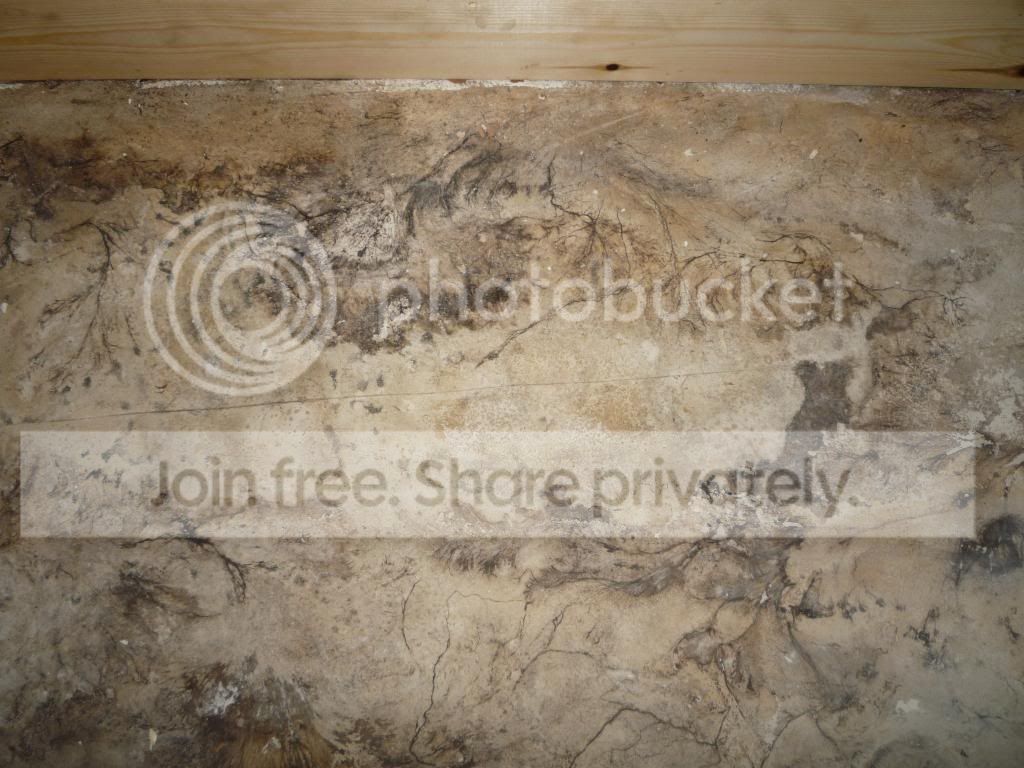
We live in a council house and have recently had an inspector in to look at our dining room, the skirting boards had warped/cracked, come away from the wall and crumbled to bits in places, it took about 3 weeks for an inspector to come out. We in the mean time pulled the lino flooring up to see the extent of the problem, what looks like mould has grown across the bare concrete (concrete has never been sealed or treated with anything) from the wall about 1-2 feet, ruining the lino in the process.
We guessed that it was either rot or damp, although it wasnt wet to touch it looked wet.
Inspector came out, had a look, took photos and said he wasnt certain of the cause so would send out a company called protecta home, a private firm they use as a contractor for damp/rot/mould issues whom use various equipment to test the problem areas and assertain exactly what it is and why its happened.
Today a council worker turns up unannounced, says he is here to replace the skirting boards. We knew nothing about this and quite frankly he was lucky we were even home. Phone the council to speak to the inspector who had been out to be told by him that he "showed boss the pictures and he says its dry rot, the spores are dead so we'll just paint some rot inhibitor stuff on and replace the skirting".
So we allow the council worker to get on with what he has been told to do. He goes off and gets his materials. Comes back with this- http://www.cuprinol.co.uk/products/5_star_complete_wood_treatment_(fp).jsp#top
Now, i havent looked into this product properly yet but the name itself would suggest it is for treating wood, the council worker promptly paints it onto the wall :bonk: he also paints it onto the back of the new skirting pieces, but surely if its a wood treatment the rot that has gotten into the walls (it is showing on the opposite side of one of them) isnt going to be cured by a wood treatment that has been painted onto brick and latham plaster (thats what our house is constructed of).
What I am wondering is, have we been fobbed off and is this problem likely to just come back again?
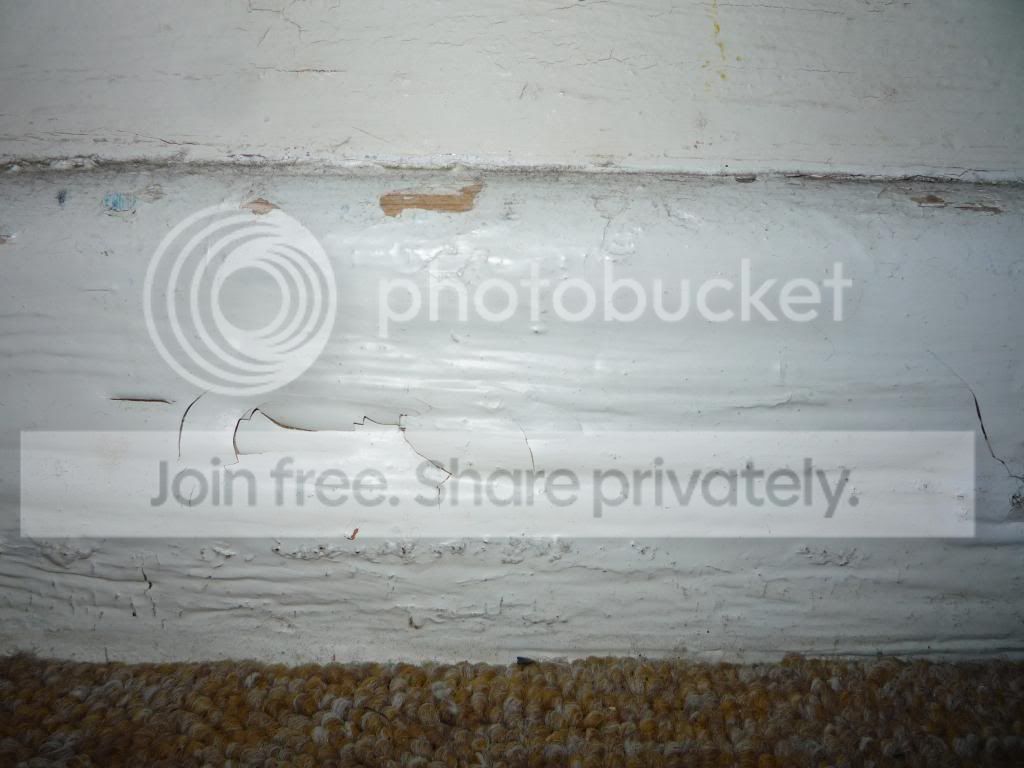
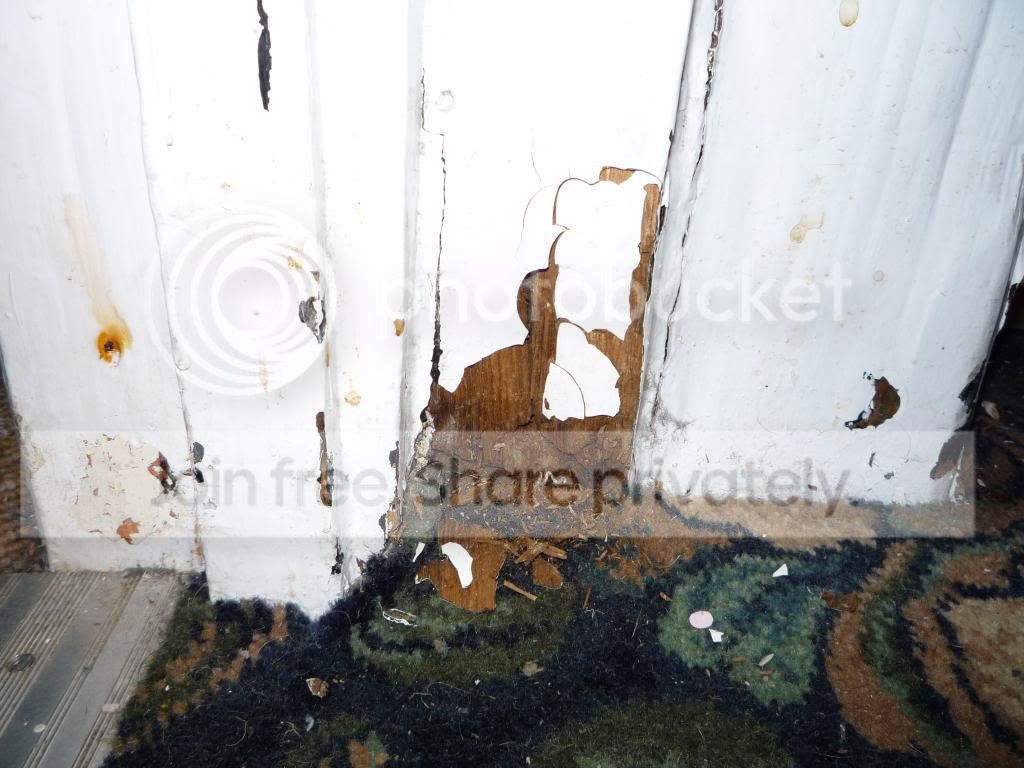
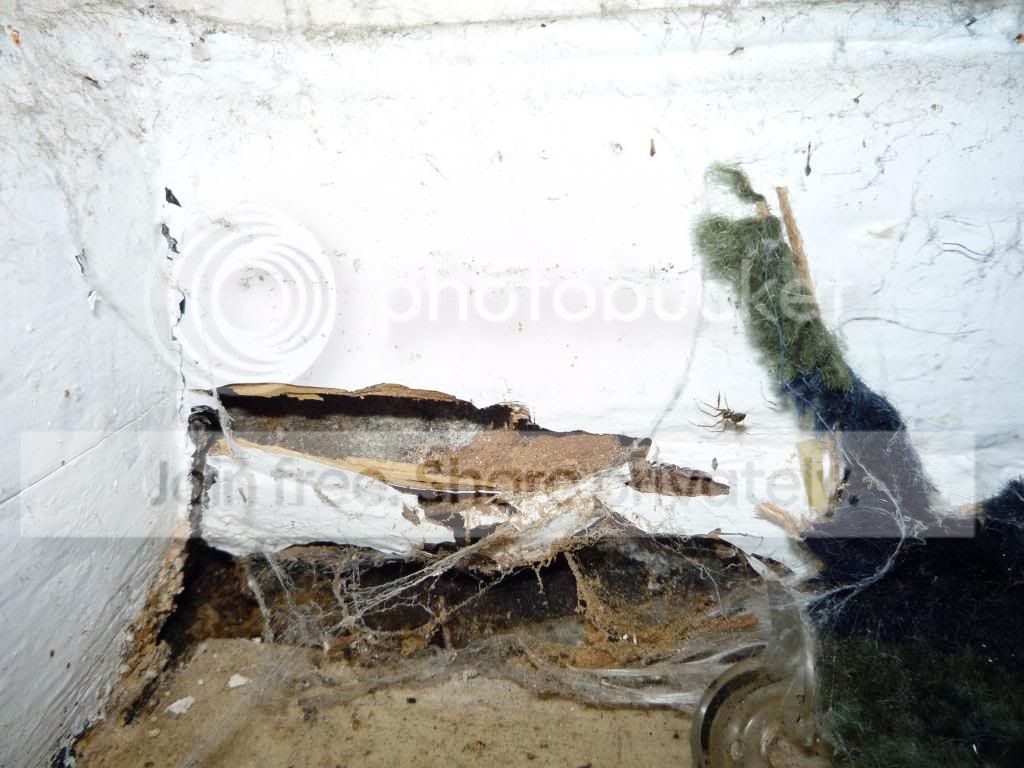
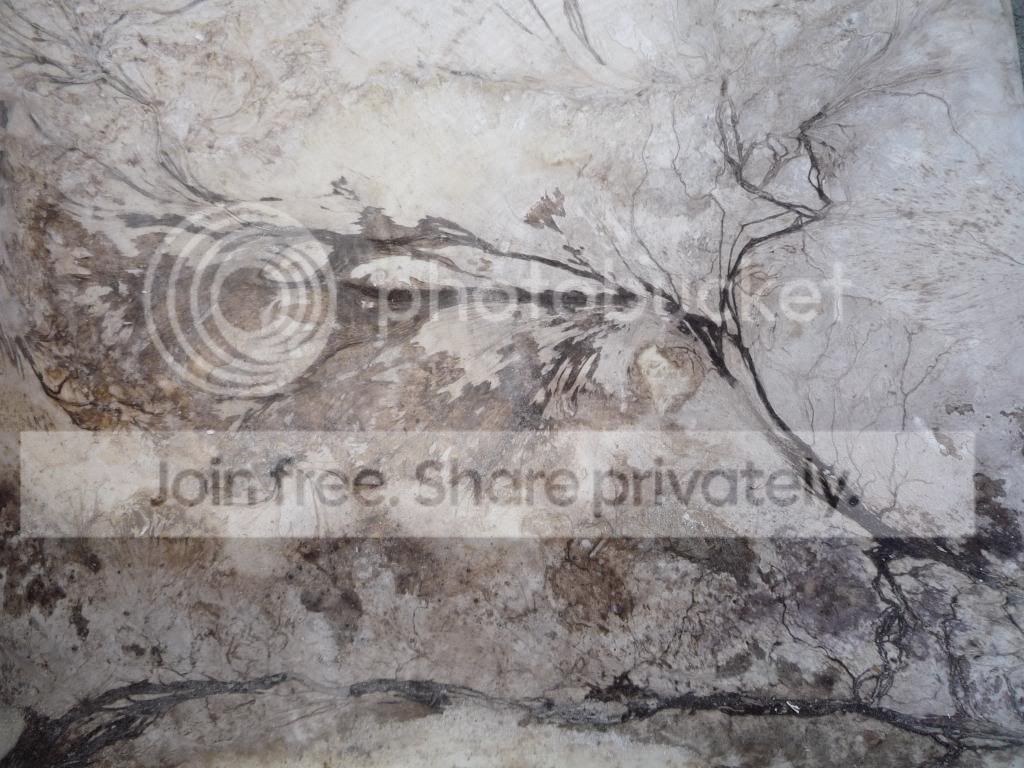
Heres some pictures to show what has been happening.
This is how the skirting looked when it first was noticed (also how the wall on the opposite side of the the dining room looks now where it appears to have travelled through the wall)
Crumbling wooden door frame
A small piece left in our hallway (they are only fixing the dining room)
Concrete floor, its like this for about 1-2 feet from wall outwards
Back of lino, which is now ruined
Thanks
First things first an explanation to understand where im at right now.
We live in a council house and have recently had an inspector in to look at our dining room, the skirting boards had warped/cracked, come away from the wall and crumbled to bits in places, it took about 3 weeks for an inspector to come out. We in the mean time pulled the lino flooring up to see the extent of the problem, what looks like mould has grown across the bare concrete (concrete has never been sealed or treated with anything) from the wall about 1-2 feet, ruining the lino in the process.
We guessed that it was either rot or damp, although it wasnt wet to touch it looked wet.
Inspector came out, had a look, took photos and said he wasnt certain of the cause so would send out a company called protecta home, a private firm they use as a contractor for damp/rot/mould issues whom use various equipment to test the problem areas and assertain exactly what it is and why its happened.
Today a council worker turns up unannounced, says he is here to replace the skirting boards. We knew nothing about this and quite frankly he was lucky we were even home. Phone the council to speak to the inspector who had been out to be told by him that he "showed boss the pictures and he says its dry rot, the spores are dead so we'll just paint some rot inhibitor stuff on and replace the skirting".
So we allow the council worker to get on with what he has been told to do. He goes off and gets his materials. Comes back with this- http://www.cuprinol.co.uk/products/5_star_complete_wood_treatment_(fp).jsp#top
Now, i havent looked into this product properly yet but the name itself would suggest it is for treating wood, the council worker promptly paints it onto the wall :bonk: he also paints it onto the back of the new skirting pieces, but surely if its a wood treatment the rot that has gotten into the walls (it is showing on the opposite side of one of them) isnt going to be cured by a wood treatment that has been painted onto brick and latham plaster (thats what our house is constructed of).
What I am wondering is, have we been fobbed off and is this problem likely to just come back again?
Heres some pictures to show what has been happening.
This is how the skirting looked when it first was noticed (also how the wall on the opposite side of the the dining room looks now where it appears to have travelled through the wall)

Crumbling wooden door frame

A small piece left in our hallway (they are only fixing the dining room)

Concrete floor, its like this for about 1-2 feet from wall outwards

Back of lino, which is now ruined

Thanks


