7DayShop Variable ND filter - Garbage.

hollis_f

Suspended / Banned
Messages
3,696
Name
Frank
Edit My Images
Yes
Well, I ordered one of these, along with the Polaroid one, to see if they might be any use at all. The first disappointment was the fact that it's all plastic. The threads feel particularly delicate and I wouldn't be surprised if they gave up quite quickly.

First I tried it on my 10-22. Nasty vignetting at 10mm and the first sign of the notorious cross-pattern appeared at around 3-stops. At 22mm it did manage to get to around 5 stops before it became apparent. About what I'd expected.

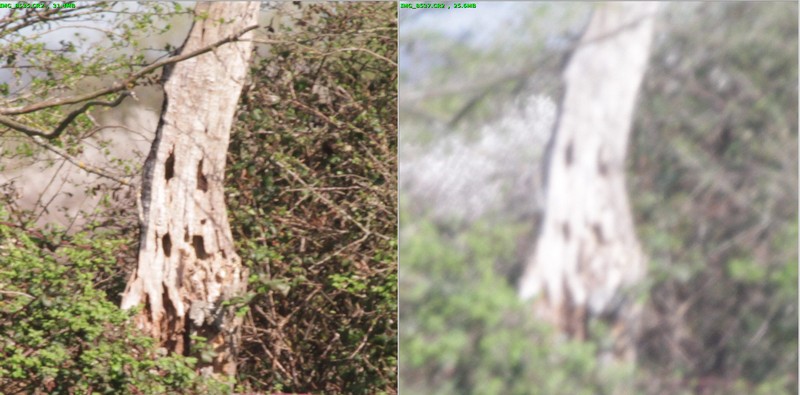
I'd also heard of problems with IQ using longer lenses. So I stuck my 100-400 on a tripod and started playing. No matter what I did I couldn't get a decent image. After a while I wondered if it was something wrong with my technique, shooting at 400mm with long exposures. So I got out my 10-stop Heliopan and tried that. The result is below - 100% crops with the Heliopan on the left.
VND%20Test.jpg


So, it's useless on short lenses unless I keep it to below 5 stops. It's useless on long lenses. It feels flimsy. It's going back to 7DayShop as being 'not fit for purpose'.
 
Last edited:
Oh dear! Quite a few asking about this filter with a view to buying, glad I didn't!
 
That is pretty poor. Took me a minute to work out your comparison was actually the same image !
 
Blimey, that's terrible :thumbsdown: Cheap nor not, that's not worth buying at any price :gag:
 
Well I'm glad it's not just me having issues.

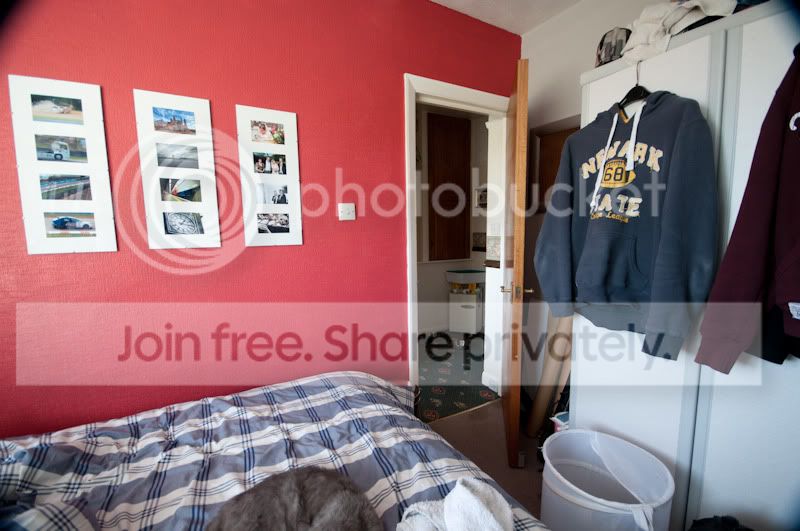
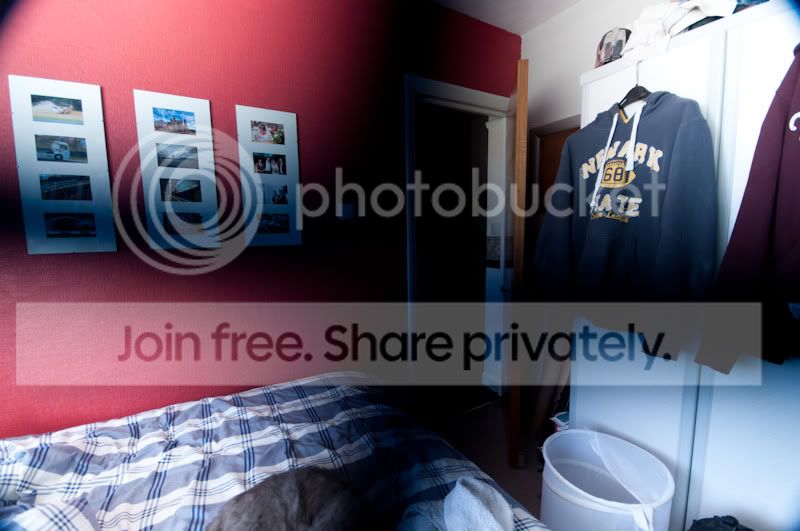
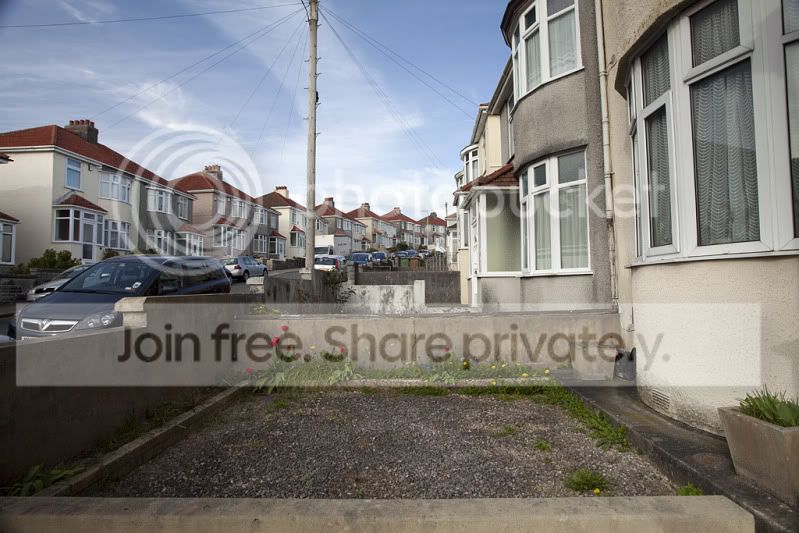
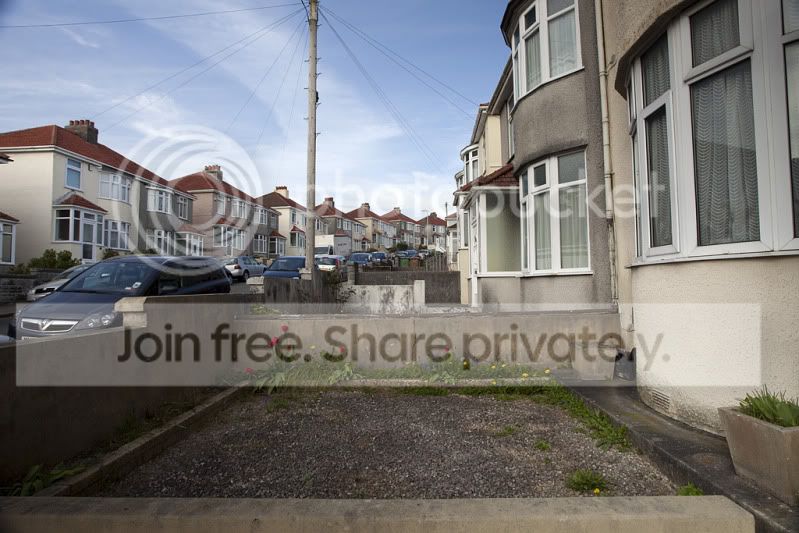
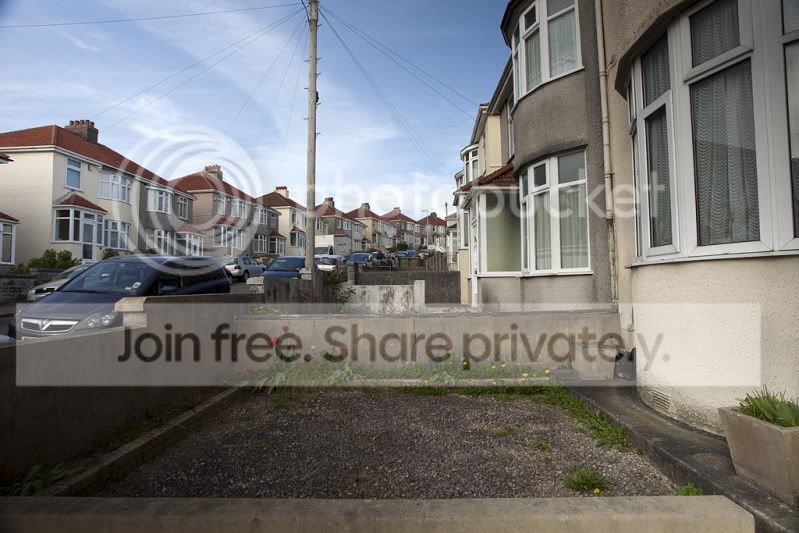
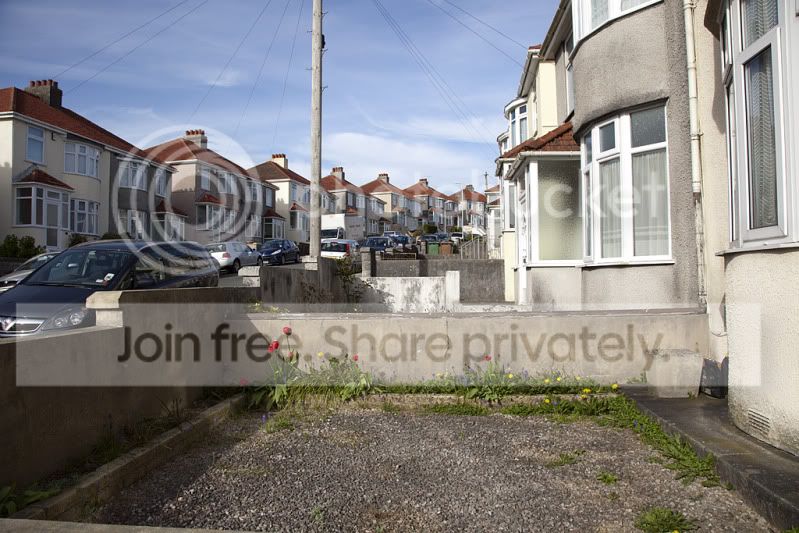
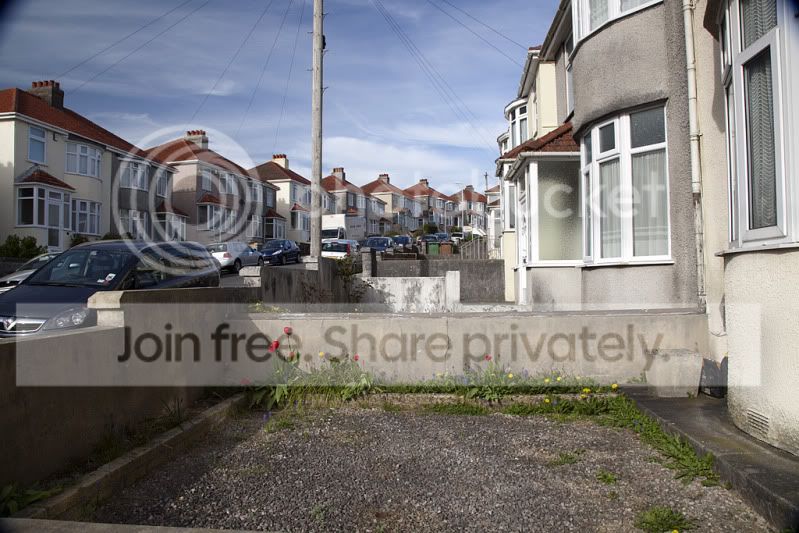
Got mine today and popped it on the camera and done a simple test in my room.

Will upload the results in a few moments.
 
Sigma 10-20mm

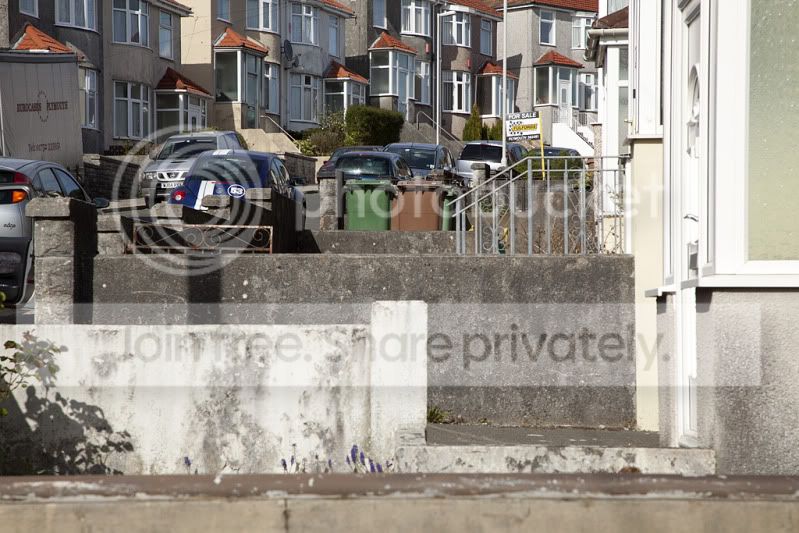
First shot set to minimum.
DSC_7871.jpg


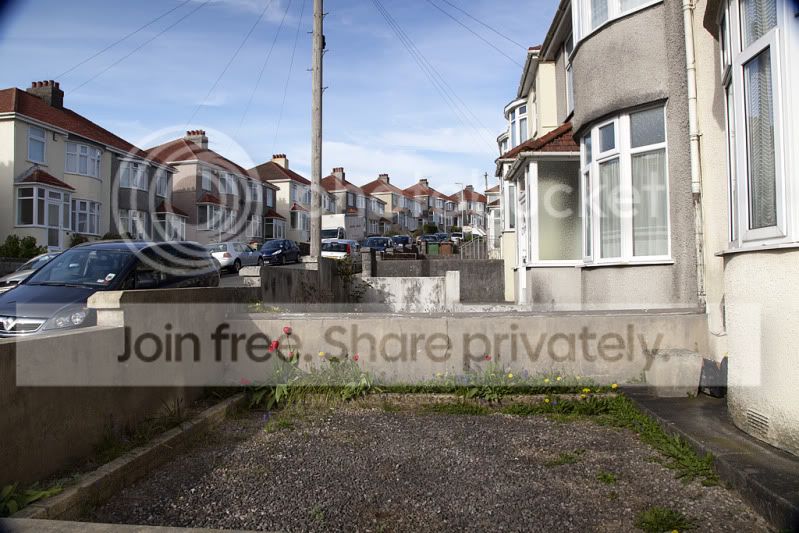
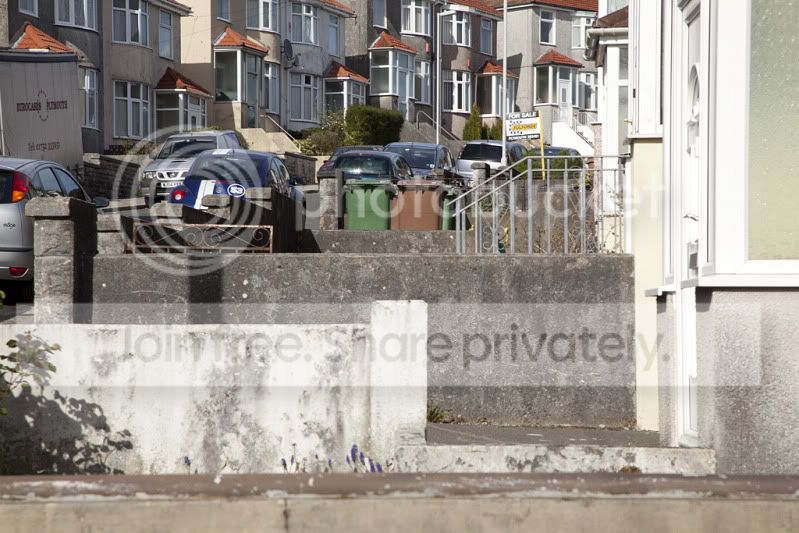
Next shot set to max.
DSC_7872.jpg


Too much hard work for my liking. A filter is meant to make life easier, NOT HARDER. Will be sending it back.
 
Thanks for the reviews guys. I almost made the mistake of getting one of these.
 
OH! b****r! mine came this morning AAARRRGGGHHH:bang:
 
Looks like they'll be getting a few returns then, eh? I believe they're not the easiest to deal with when it comes to getting refunds etc....
 
Looks like they'll be getting a few returns then, eh? I believe they're not the easiest to deal with when it comes to getting refunds etc....

They will enjoy dealing with me then. They clearly state if you are not 101% satisfied that you can send it back for a full refund.

:)
 
Personally I put it down to user errpr myself, I don't see the problem to be honest, The frames are metal, yes the filters themselves seem to be resin but that should not really be an issue, as for their use, like most things you have to learn to use them to get the best out of them.

I have done some testing since this thread started and discovered the following:

First the polorisers effect the image differently depending a) on what lens it is being used on, b) the amount of ND you are attempting to dial in and c) the amount of ND available is also dependant on the lens (less the wider the angle of view).

I tried it on my 24-105L on a tripod with the IS turned off at both 24mm (slight vignetting) and 105mm and also on my 17-40L which had a slight amount of vignetting at 20mm, it would be perfectly useable at 21mm.

I shall be keeping mine.

The images below in this post (and the next) were taken using a Canon 5DMk2 and I stuck the camera into Av mode so that the camera would make any allowances for changes in the lighting whilst I was undertaking the testing. I also used the 2 second self timer to ensure the camera was a stable as possible. Exif data should be intact on all images.

20mm, No Filter, ISO 50, f11, 1/60 sec

20mm60thsecNF.jpg


20mm, ISO 50, f11, 1/15th sec (2 stop drop at its lowest setting)

20mm15thsec.jpg


20mm, ISO 50, f11, 1/8th sec (3 stop drop)

20mm8thsec.jpg


20mm, ISO 50, f11, 1/4th sec (4 stop drop)

20mm0_25secs.jpg


20mm, ISO 50, f11, 1/2th sec (5 stop drop) Maximum possible for this focal length

20mm0_5secs.jpg
 
These next shots were all taken on the 24-105L, again on a tripod and again with the self timer. The 24mm shots do exhibit some slight vignetting but nothing that can't be fixed in PP or by using a different lens.

24mm. f11, ISO 50, 1/50th sec No Filter,

24mm50thsecNF-1.jpg


24mm. f11, ISO 50, 1/20th sec, Minimum ND setting

24mm20thsec.jpg


24mm. f11, ISO 50, 1/3rd sec, Maxmum useable ND setting at this focal length on this lens (4 stop drop)

24mm3rdsec.jpg


*** *** *** *** *** *** *** ***

Now the 24-105L at 105mm, this needed +1 stop exp comp due to the brightness of parts of the scene, all images had this +1 stop

105mm, f11, ISO 100, 1/125 sec, No Filter

125thsec.jpg


105mm, f11, ISO 100, 1/60 sec, Minimum setting on filter (only 1 stop drop)

60thsec.jpg


105mm, f11, ISO 100, 3.2 secs, Maximum useable setting on this focal length on this lens (>8 stop drop)

3_2secs.jpg


So each to their own, but a little practise and awareness of what the filter can and cannot do might be worthwhile!
 
Last edited:
OK, can I ask a question? - why is the amount of ND limited at different focal lengths?
 
Considering how much a normal high quality ND filter costs I'm surprised someone with decent lenses, let alone a L lens would buy something cheap like this.
It seems like you get what you pay for in this case.
I'm sure some people will find a use for it but I doubt it will be many.
 
Oh what the hell i think i will give it ago then like you say i suppose its trial and error and working out what things will or won't do:bonk:
 
Hang on Guys. I have just joined the forum and have just read these posts. I have purchased this filter for my EOS 5DmkII I also have the B+W 10 stop ND.

I have just completed an exhibition with these filters and although this filter is “different” I have had no problems with it. When using these types of filter I always shoot at around f.8. The images are a bit soft but this is to be expected for such a cheap piece of glass but I have had fun with it and will be using it on further projects. Practice with it, get to know its limitations and then make them work in your favour. What do you expect for £35?

For those amongst us that want the quality in a variable ND filter go out and buy yourselves a Singh-Ray vari ND

Kevin.
 
welcome to the forum Nivek, I'll have to go and look up that singh -ray thing now!
 
Too much hard work for my liking. A filter is meant to make life easier, NOT HARDER. Will be sending it back.

There was me thinking it was supposed to expand your creative horizons.. :lol:

Cheap filters aren't about sharpness and they aren't going to have the same effectiveness with every lens. I've never used the 7DS VND, but I've been using a cheap DIY VND, welding glass, etc. You get what you pay for..
 
Because you get the horrible cross pattern visible in Dal's post if you increase the ND effect.

No, that's the symptom. The reason is the same as why the use of a polariser below around 17 mm gives issues in general. The wider the more pronounced the effect. Polarised light and hence the effect seen only covers about 90 degrees of the sky. When a lens field of view exceeds 90 degrees you begin to see a tail off of polarisation effect which looks like a reverse of a lens vignette i.e. the centre of the frame is darkest and the edges are light as the plarizer has no effect there (this assumes the centre of the field of view is pointed toward the centre of light polarisation, off centre and the "vignette" will also be off centre).

With the variable ND it uses two polarisers, one linear the second circular. The circular polariser is the one closest to the lens, the reason being a circular polarise comprises a linear polariser followed by a filter that depolarises the light again to prevent interference with AF etc. This is why two CPLs cannot be used to create a VND as the first would deplarise the light. A VND uses cross polarisation between two filters to progressively reduce the light being transmitted to near zero.

Depending on the attitude of the fixed polariser, when a wide angle lens is used there will be a reverse vignette caused by the first PL and one at an angle somewhere between 0 and 90 degrees so the net result is a cross patter or lesser due to the vignettes interfering with one another.

This is a function basic physics rather than the quality of the filter i.e. regardless of the quality of the optical components, you will never evenly apply polarisation across a wide field of view and using two PLs will create a vignette as shown above. For focal lengths < 17mm you will have issues of the cross, depending on the axis of polarisation relative to the centre of frame.

Here's a thread from this very website that covers the issue of wide angle polarisation: Wide angle lens with polarising filter

This one explains polarisation in detail: http://www.cameratechnica.com/2011/04/10/the-science-of-polarizing-filters/
 
Last edited:
Still, there's an argument for buying cheap and buying twice. I appreciate the sentiments, and I can completely empathise; I've made plenty of cheap-out mistakes myself over the years. Cheaping out on a filter to attach to a £1000 lens is a false economy. If I could offer one piece of advice to newer togs, it'd be this:

Buy only the tool you need for the job, and buy the best you can from the beginning.

Good luck in returning your filters, and thanks for sharing the lacklustre results; it'll help a great many toggers in future!
 
Still, there's an argument for buying cheap and buying twice.

And even more of an argument for understanding what's going / likely to be going on both before you buy and before you decide it's the gear that's at fault.
 
Hmmm. Was thinking of trying one of these. Might wait for a while now!
 
And even more of an argument for understanding what's going / likely to be going on both before you buy and before you decide it's the gear that's at fault.

Indeed, the Singh-Ray website, who promote their own VND which costs about 10 times that of the 7 Day Shop one, state:

NOTE 2: The design of the Vari-ND Filter may introduce irregularities when used with very wide angle lenses, especially on full-frame cameras. Adjust your focal length and reduce the filter density setting until the irregularities disappear.

As I said, the cross issue is a function of the physics involved not the quality of the components. The overall IQ will, of course, be affected by the optical quality of the filters and could also be affected by build quality wrt the co-planar positioning of the two surfaces and internal reflection handling between them.

Regardless of how much you spend you will see issues on wide angle lenses as you decrease the focal length versus increasing the filter density. If you want high cut ND on super wide then you are stuck with stacking NDs or buying a Big Stopper or similar.
 
Last edited:
Hi. First post here.

I bought the 7 Day Shop Variable ND a few weeks ago after doing some research on the web, including this thread. The image at the top of the page really horrified me, but I did some more digging for opinions elsewhere and decided to take a chance. The filter, the 77mm version (I use cost-effective step-down rings to fit other lens sizes), was pretty darn cheap at around £18 (its then sale price) so what's to lose? Well, after using it for a while, mostly for shallow DOF video work with a Canon 60D, I have to say that the filter is nowhere near as poor as the initial post makes out. In fact, for the money, it's excellent. Colour cast is there, but minimal - white balancing can minimise it even more. It's true that the filter softens the image, but not by that much, and certainly not by the insane amount shown in the misleading image above.

Sure, you could probably get better results using a more high-end branded filter, but at maybe ten or twenty times the price. For me, my £18 vari ND is plenty good enough!!!

By the way, in case you're wondering, I'm NOT a shill for the 7 Day Shop people. I'm just a regular schmo looking for a good deal. I think I got one. I'm posting this today simply because I don't think that original post is being completely fair, and, as a result, some photographers/videographers could be missing out on a cost-effective filter solution.
 
Last edited:
It's true that the filter softens the image, but not by that much, and certainly not by the insane amount shown in the misleading image above.

What do you mean 'misleading'? It's a fact - that is the image the filter produced. Are you suggesting I fiddled it in some way? Why on Earth would I want to do that?

Have you tested it with a 400mm lens?
 
I really cant imagine many people spending a lot of money on good glass and putting up with a £18 filter, no matter how little it costs.

Those images at the top of this thread were terrible, and while im happy to believe others might get better results with different lenses i dont feel they were misleading at all, especially not if you own a 100-400, but then i cant really imagine anyone really using this filter much on a lens of that calibre.
 
I bought one a while back but haven't got round to playing with it yet. Time for some testing and a report back I think.
 
Looks like they'll be getting a few returns then, eh? I believe they're not the easiest to deal with when it comes to getting refunds etc....


Not in my experience - Very fast on returns - free postage back and a credit on the credit card or replacement - spot on service, all in my experience of course!


Having not used filters on DSLR I am about to look into them, But I would expect to pay for quality, so I would stick to a brand that it popular with pros earning a living from their glass:thumbs:

However the Singh-Ray vari ND will have to wait for a few more years:lol:
 
What do you mean 'misleading'? It's a fact - that is the image the filter produced. Are you suggesting I fiddled it in some way? Why on Earth would I want to do that?

Have you tested it with a 400mm lens?

Don't take it personally. I'm not suggesting you fiddled anything. However, several weeks ago I saw your picture and as a result I nearly didn't buy the filter. Subsequently, I found that my own images using it were far less, shall we say, catastrophic. In that way, the original post was misleading. It's a simple fact, I'm afraid.

Also, you stated that the filter was made of flimsy plastic. That may have been true with your filter, but the one I received is very sturdy, has a professional feel... and is made entirely of metal. I can only assume that the 7 Day outlet must have re-sourced and improved their stock since you bought yours. In which case, fair enough all round.

The longest lens I've used with it is a 250mm. Pin sharp? No, but not bad, and certainly good enough for my purposes - HD video production, with some casual stills work. And, like I said before, colour is fine. BTW, I have tested the filter in stills mode. RAW, at various settings, etc. My posts here are based on these circumstances. So, I'm not mixing up its video and stills performance.

If I had a couple of hundred quid rolling around spare, would I buy a top name branded ND? Sure. I'm just not massively convinced that the quality bump would be that big.
 
Last edited:
Don't take it personally. I'm not suggesting you fiddled anything. However, several weeks ago I saw your picture and as a result I nearly didn't buy the filter. Subsequently, I found that my own images using it were far less, shall we say, catastrophic. In that way, the original post was misleading. It's a simple fact, I'm afraid.

It's possible the filter wasn't quite on right or something...

I once bought a cheap CPL (about a fiver), and when it arrived I found it had a very bad yellow cast to everything, and a huge IQ loss, much like the OP's VND's. So naturally I went to amazon and wrote a scathing review about its poor quality, and ordered a decent one (buy cheap...).

For some reason a few months later I came across the cheap CPL and figured I'd have another look at how bad it was, put it on and... no colour cast at all, not as good IQ as the more expensive one, naturally, but nothing as bad as it was that first time.

I have no idea why my initial tests showed a colour cast and massive IQ loss, my only guess is that it wasn't quite sat in the thread right and was reflecting back, or something.
 
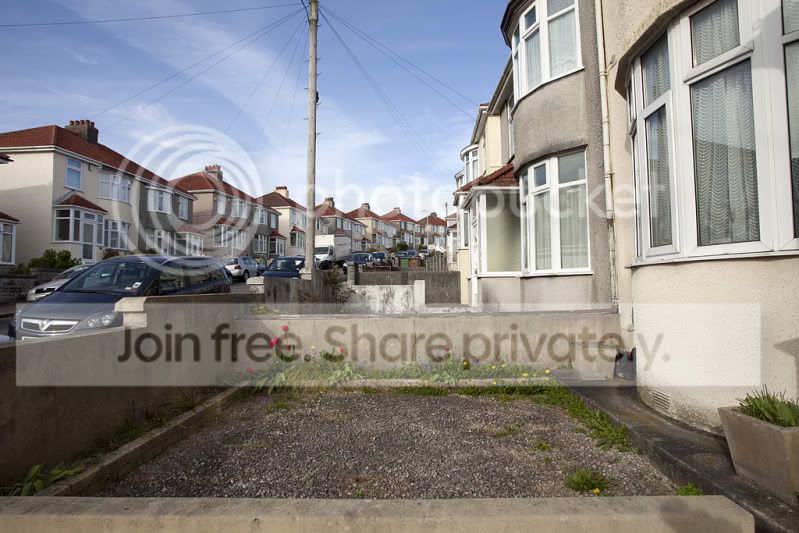
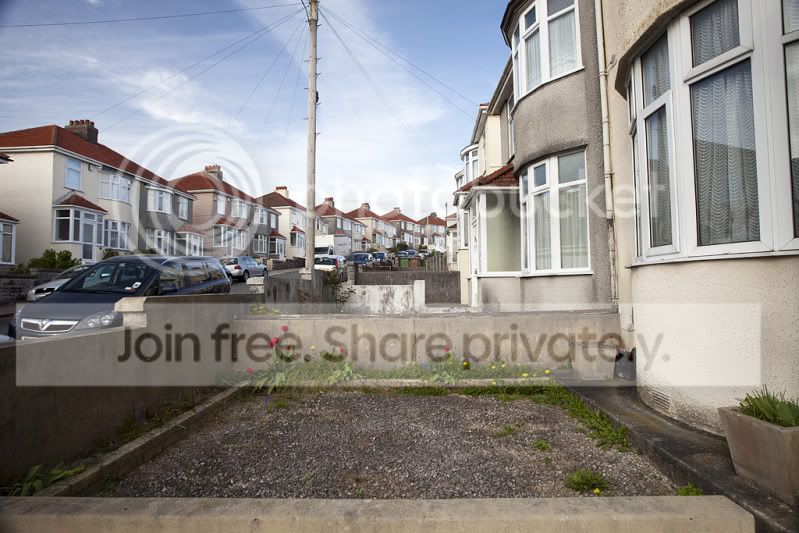
Sigma 10-20mm

First shot set to minimum.
DSC_7871.jpg


Next shot set to max.
DSC_7872.jpg


Too much hard work for my liking. A filter is meant to make life easier, NOT HARDER. Will be sending it back.

What was the final cause on this, and what did the filter manufactr say
 
Back
Top