10 stop filter..

Probably garbage ;)
 
I had an XCSOURCE filter a while back in 67mm and found that it did ok - certainly for the price. A bit of colour cast but this is easily corrected in Lightroom or similar.

I thought there was a thread on this forum somewhere for these filters.
 
I find using filters is a time-consuming but worthwhile process in the right conditions. Some cameras can accurately measure long exposures through 10-stop filters. Personally these days I would only use a quality square filter. I got all mine used from Ffordes, the Lee Seven5 system, except the 10ND big stopper, that costs £70 I had to pay full price. I much prefer to get light measurements and adjust down as appropriate, then put in the filter. Using a threaded filter will be complete pain.

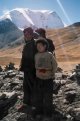
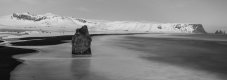
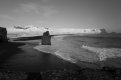
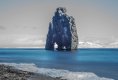
I'm no expert at all, I make it up as I go along, but I have used filters effectively to deal with harsh light in snow and at altitude and to isolate objects. The first one below was on film 30 years ago and I recall hand-holding about 3 circular filters over the lens. All very hit and miss. I was at about 16,000 altitude and the light was just ridiculous. The others two show how filters can isolate an otherwise messy scene, using 10 + 5 filters and a 30 second exposure in very bright light.

Filters AJ320.jpg L1030890.jpg L1030889.jpg DSC01884.jpg
 
I find using filters is a time-consuming but worthwhile process in the right conditions. Some cameras can accurately measure long exposures through 10-stop filters. Personally these days I would only use a quality square filter. I got all mine used from Ffordes, the Lee Seven5 system, except the 10ND big stopper, that costs £70 I had to pay full price. I much prefer to get light measurements and adjust down as appropriate, then put in the filter. Using a threaded filter will be complete pain.

I'm no expert at all, I make it up as I go along, but I have used filters effectively to deal with harsh light in snow and at altitude and to isolate objects. The first one below was on film 30 years ago and I recall hand-holding about 3 circular filters over the lens. All very hit and miss. I was at about 16,000 altitude and the light was just ridiculous. The others two show how filters can isolate an otherwise messy scene, using 10 + 5 filters and a 30 second exposure in very bright light.

View attachment 106936 View attachment 106938 View attachment 106939 View attachment 106940

Taking filters on and off a lot is a PITA whatever type you use. Sure, the Lee clip-on holder is easy, but you shouldn't need to do this more than once - to take the shot. That's it.

Everything should be done without the filter in place. You know the filter factor (check it exactly by experiment because they're often not quite as marked) then set exposure, cover the viewfinder, fit the filter and shoot. Any slight adjustments to exposure do not require the filter to be taken off and on again.

Easy way to set the shutter speed, once you know exactly what filter factor you have. Say it's 9.3 stops - in 1/3rd stop increments, that's 28 clicks on the dial, just count them. Only works up to 30secs exposure though, the camera's maximum. Also, Canons count down the seconds on the LCD display - can be handy.
 
Taking filters on and off a lot is a PITA whatever type you use. Sure, the Lee clip-on holder is easy, but you shouldn't need to do this more than once - to take the shot. That's it.

Everything should be done without the filter in place. You know the filter factor (check it exactly by experiment because they're often not quite as marked) then set exposure, cover the viewfinder, fit the filter and shoot. Any slight adjustments to exposure do not require the filter to be taken off and on again.

Easy way to set the shutter speed, once you know exactly what filter factor you have. Say it's 9.3 stops - in 1/3rd stop increments, that's 28 clicks on the dial, just count them. Only works up to 30secs exposure though, the camera's maximum. Also, Canons count down the seconds on the LCD display - can be handy.

I use the Lee on Leica M and Q. I get a reading and then adjust per the Lee grid, then pop on the holder. A bit of guesswork never goes amiss, such as with graduated filters, always erring on under-exposure. Can also control and take the image with the wireless phone app. They count down the last 10 seconds and the noise reduction. With film, the Leica M7 can auto-expose on aperture priority up to 999 seconds - over 16 minutes. The most ridiculous thing I ever did was set up 30 second timed exposures for star trails, drive off about 50 miles for pancakes at 2 in the morning and went back 3 hours later to collect the camera. I doff my cap at people with the patience to do such stuff. I'm more a point and click type of guy who doesn't like getting up early in the morning too often.
 
Taking filters on and off a lot is a PITA whatever type you use. Sure, the Lee clip-on holder is easy, but you shouldn't need to do this more than once - to take the shot. That's it.

Everything should be done without the filter in place. You know the filter factor (check it exactly by experiment because they're often not quite as marked) then set exposure, cover the viewfinder, fit the filter and shoot. Any slight adjustments to exposure do not require the filter to be taken off and on again.

Easy way to set the shutter speed, once you know exactly what filter factor you have. Say it's 9.3 stops - in 1/3rd stop increments, that's 28 clicks on the dial, just count them. Only works up to 30secs exposure though, the camera's maximum. Also, Canons count down the seconds on the LCD display - can be handy.

I've had a 77mm B+W 10 stop sitting in my bag for years after I bought it for the 5D3, but never really put it to because I got all caught up in using apps and timers.

As you say, no need for that, and actually on my Fuji, it will meter through the filter just fine on a bright day so it just works without any adjustments at all.
 
Last edited:
Ordered it last night, whats £6 really.. Off to wales in 2 weeks so get it tested then :)
 
Back
Top