

You are using an out of date browser. It may not display this or other websites correctly.
You should upgrade or use an alternative browser.
You should upgrade or use an alternative browser.
Yellow in black and white film
- Thread starter Barney
- Start date

- Messages
- 5,607
- Name
- Stephen
- Edit My Images
- Yes
Because it's a light colour; very few "white" objects are white. We perceive them as white because our eyes adapt.
A full answer requires going into how our eyes work, sensitometry, visual perception, aging mechanisms, and the basic physics of light. You need a library recommendation rather than a book recommendation on this one. Just accept that yellow is off white, and even white in black and white has some density in the negative unless it's a blown highlight.
A full answer requires going into how our eyes work, sensitometry, visual perception, aging mechanisms, and the basic physics of light. You need a library recommendation rather than a book recommendation on this one. Just accept that yellow is off white, and even white in black and white has some density in the negative unless it's a blown highlight.
OP

Barney
Suspended / Banned
- Messages
- 3,043
- Name
- Wayne
- Edit My Images
- No
Because it's a light colour; very few "white" objects are white. We perceive them as white because our eyes adapt.
A full answer requires going into how our eyes work, sensitometry, visual perception, aging mechanisms, and the basic physics of light. You need a library recommendation rather than a book recommendation on this one. Just accept that yellow is off white, and even white in black and white has some density in the negative unless it's a blown highlight.
Daffodils are a nightmare, they blow easier than a white sky.
AndrewFlannigan
Suspended / Banned
- Messages
- 11,977
- Edit My Images
- No
If you're really interested, read up on reflectance, here for example...
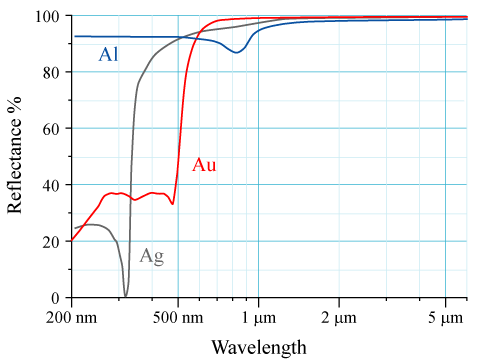
 en.wikipedia.org
Then have a look at...
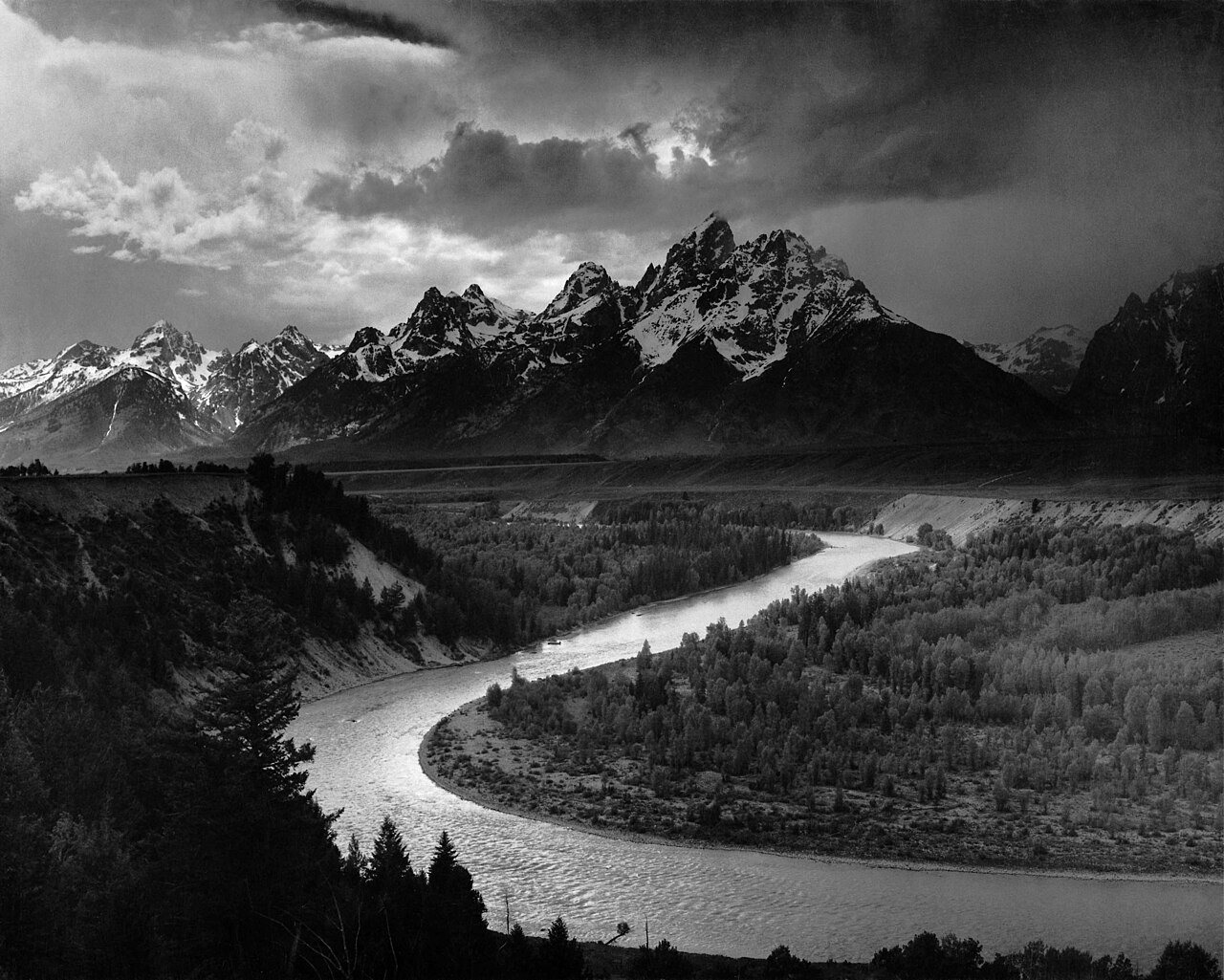 en.wikipedia.org
...but Stephen's answer is fine for general photographic purposes.
Reflectance - Wikipedia
Then have a look at...
Monochrome photography - Wikipedia
...but Stephen's answer is fine for general photographic purposes.

sk66
Suspended / Banned
- Messages
- 9,557
- Name
- Steven
- Edit My Images
- Yes
Probably due to the metering. Yellow flowers in a green background is going to meter far lower than most any scene with a lot of sky within the metered area.Daffodils are a nightmare, they blow easier than a white sky.
OP
Barney
Suspended / Banned
- Messages
- 3,043
- Name
- Wayne
- Edit My Images
- No
Thanks for that, I will have a read.If you're really interested, read up on reflectance, here for example...
Reflectance - Wikipedia
Then have a look at...
Monochrome photography - Wikipedia
...but Stephen's answer is fine for general photographic purposes.

I did not think of that!Probably due to the metering. Yellow flowers in a green background is going to meter far lower than most any scene with a lot of sky within the metered area.