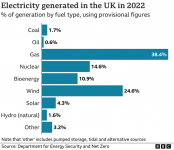
Problem with renewables is that its supply cannot be manipulated to match the demand.
There's a few solutions:
- Build interconnects, the bigger the renewable area, the less it is affected by local weather. In this case, Scotland exported a lot of its surplus energy and imported when needed. After tally up, they achieved almost 100% net renewable, not fully renewable powered
- Demand-shaping, things like reduce peak load by paying consumers, or time-of-use tariff. Reward people to shift their demand away from periods of low supply.
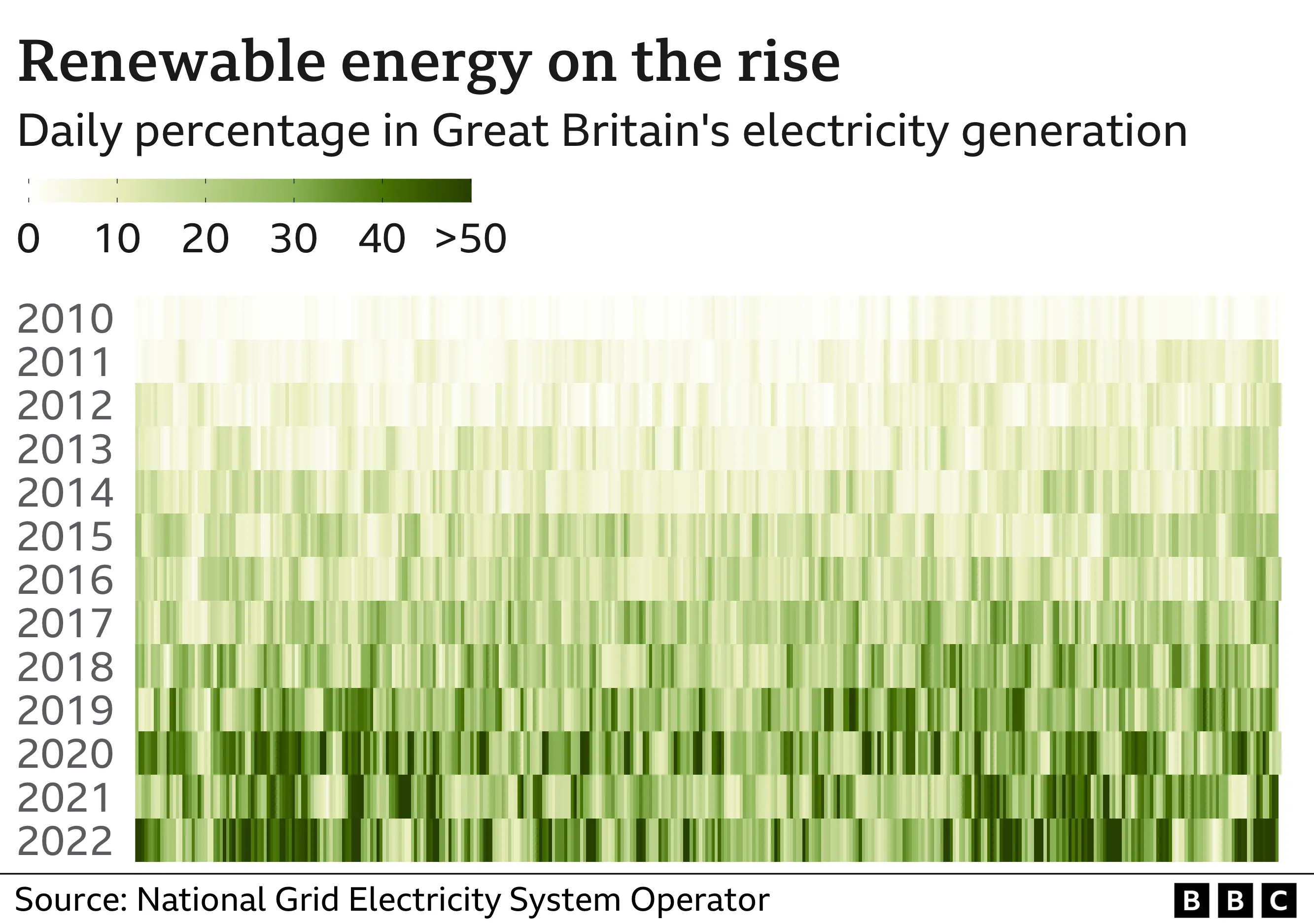
So I personally don't think it's spin in any shape or form. Net consumption is an important metric to show capacity growth. Reaching true 100% renewables is impossible without HUUUUUUUUGE infrastructure change, it is not possible in the near future. Just like the drive to "net-zero", it's an actual achievable goal compared to true zero carbon society.
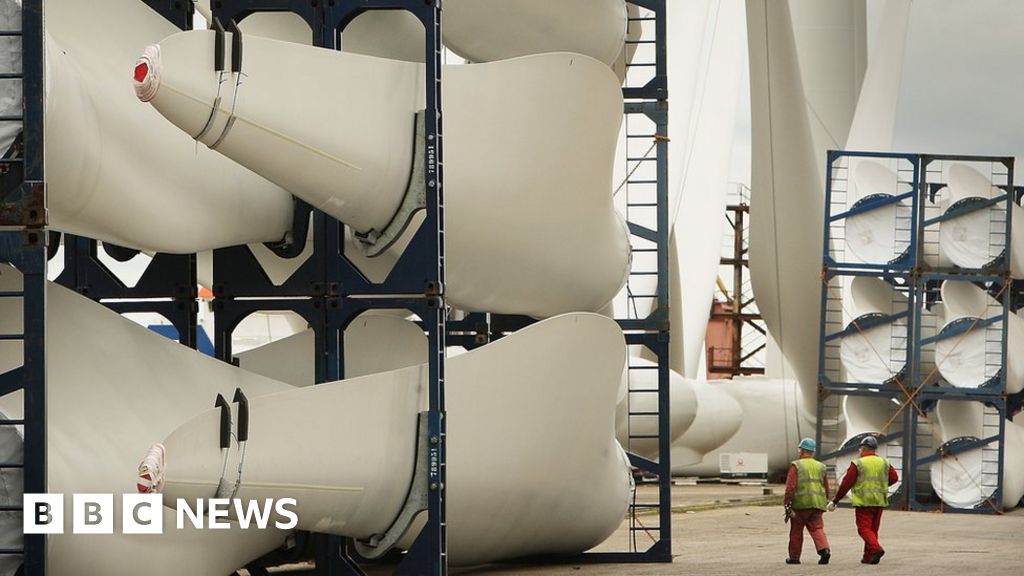
Wind turbine components are currently not recyclable, same for solar panels I don't think. But over its whole life, including manufacturer and decommission, per-kWh of electricity, wind and solar are still among lowest carbon emittor and cheapest. Same concept with nuclear, just because there is a tiny risk of meltdown, we shun this power source and continue to burn hugely polluting fossil fuel? The key is to focus on whole-life carbon, risk and cost, as well as not geopolitically tied energy independency.