Who told you that little gem?
The fast end of the normal cloth blind type focal plane shutter, in fact any focal plane shutter of the same type is governed by the width of the slot between the two shutter curtains as are the other speeds above and including I believe 1/30 and possibly up to 1/60th which is where the flash synchro was at it's limit and where the entire film frame was exposed to coincide with the flash going off. so if they are set correctly at the lower end the speed accuracy would/should be more or less consistent.
In a comparison test conducted by a serious but long discontinued magazine (Not the comic, Amateur Photographer is today) they compared an Olympus OM1n, Nikon FM, Minolta SRT101, Pentax SP and a Canon AE1 There was very little to choose between them regarding speeds and all when set at 1/1000 sec were above the 1/900th mark which is for all practical purposes - nothing. OK that was when they were new but a competent technician should be able to replicate the accuracy by adjusting any discrepancy in the curtain gap.
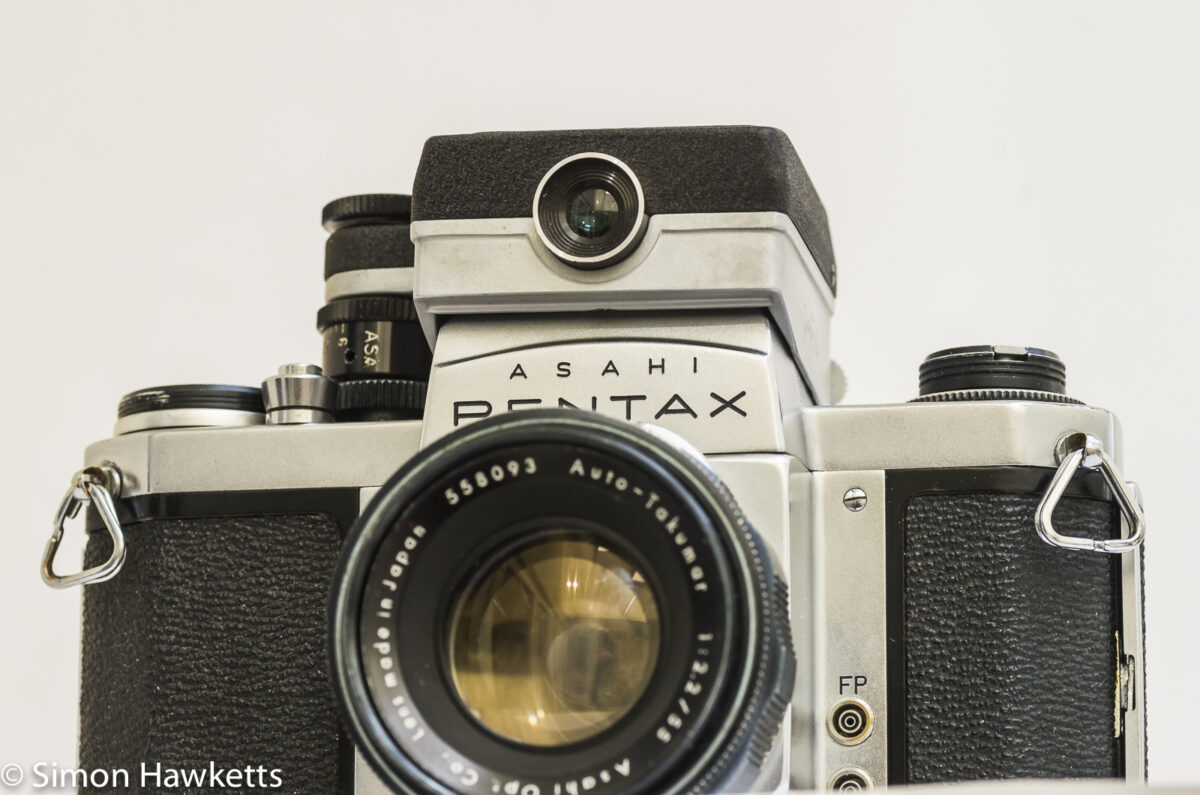
Also with the earlier Pentax S1a from the early 1960's and after the 1/500th marked shutter speed was another click on the shutter dial which was found by a Fleet Street journalist and contributor to photographic magazines, Victor Blackman, to be a supposedly unregulated and unmarked shutter speed, which when tested closely approached a 1/1000th speed. Possibly unmarked so they could sell the S1a at a lower price.
Are you not confusing focal plane type shutters and the between lens shutters in cameras equipped with a SVS or similar shutters and similar to be the 'over optimistic' and often only managing 2/3rds of the marked top speed of 1/500th (even on Rollieflexes because that accuracy depended on consistent spring pressure, not the width of a gap between 2 component parts





 and it was the S3 tested for 1/1000th and it was 1/700.


