UV Filters - Are they any good? And is there any point?

Plain Nev

Vincent Furnier
Suspended / Banned
Messages
2,722
Name
Neville
Edit My Images
Yes
I must admit I do use UV filters on most of my lenses. Simply because it's a measure of protection, and they might do something. Although, it's probably undetectable to my untrained eye and probably magic. Lately though I have heard several people turn their noses up at them, and I'm beginning to wonder if they know something I don't. Almost certainly, I should think. :D So what are peoples opinions of them? What are the pros and cons? And are they worth bothering with?
 
Lens manufacturers spend hundreds of thousands of pounds developing ultra pure lens elements for optical quality..
You then stick a cheap bit of glass in front of it all for little benefit.

They don’t protect the lens really, anything powerful enough to damage the front element will go straight through a flimsy filter and damage the element anyway.
There are some times maybe it might be ok, like on a windy beach, but for everyday use, I wouldn’t bother.
 
I use them on all my lenses for protection. I’m a sport photographer and between moisture, sand, mud, golf balls and metal fencing I’ve not damaged a front element.

I don’t subscribe to the thought there’s any perceivable difference in image quality as the filter is so close to the lens. There’s a YouTube video about damage to the front element and it’ll give you an idea the state things need to be in for any perceivable difference to be seen.
If you’re using very small apertures or very long exposures, dirt and imperfections will show up in images.

Food for thought - I’m yet to see an image posted anywhere where it’s suggested removing a UV filter would
have improved the image ;)
 
I used to use them especially on the beach to protect the lens from sand and salt water but these days I don't bother and have still had zero issues.

The only issue I can think of when using them is possible reflections if there are bright lights in the frame. I've never seen any image degradation other than that so if anyone feels better using them than not... I'd say a cautious go for it... but maybe take it off if there are bright lights in the frame to lessen the possibility of any reflection related issues.
 
There are a few instances where a 'sacrificial' filter can potentially prevent damage to the front element of a lens - these are where there is a high likelihood of things like mud, salt spray, or similar are flying about - and where you are very likely to want to quickly wipe the front of the lens to clear it for the next shot.
In these cases, small particles of grit, etc, could scratch the front element when you try to wipe them clear.
In these situations, you're best using a specific 'protection' filter, with toughened, optically clear glass, and scratch / flare resistant coatings - rather than a general UV filter.
For protection from impacts a lens hood (and taking care not to bump into things!) is going to do a lot more than a thin filter, which as previously mentioned, is likely to just shatter if hit by something with sufficient force to damage a front element.
 
Certain lenses are described by their manufacturers as only being weathersealed when a filter is fitted. Iirc Canon do for some L lenses...
 
This has been covered before. Adding a filter in front of the lens may cause flare and lower contrast in many situations. A simple test is to take a shot with and without the filter in Raw and the Raw file will often be larger without the filter due to the extra detail. The thing that probably makes the most difference is to use a lens hood for reducing flare and protecting the lens. Whatever you do, avoid stacking filters.

Dave
 
Lens manufacturers spend hundreds of thousands of pounds developing ultra pure lens elements for optical quality..
You then stick a cheap bit of glass in front of it all for little benefit.

They don’t protect the lens really, anything powerful enough to damage the front element will go straight through a flimsy filter and damage the element anyway.
There are some times maybe it might be ok, like on a windy beach, but for everyday use, I wouldn’t bother.

I see this reasoning a lot, whilst I agree…yet I keep seeing lens for sales with the line "There is a slight scratch on the front element, don't affect image quality".

Personally, I once dropped the camera once and it landed lens first, it was a prime lens so no moving front element. The filter too the blunt of the impact and bent the brass ring. Managed to get it off with pliers when i got home but the lens was fine.
 
I bought a lens off here a few years ago and it was sold as "always had a UV filter on" and was a good price. I tried the lens and it was OK but but not overly sharp so I took the UV filter off to clean it and noticed loads of tiny scratches on the surface of the UV filter. Without the filter it is a good lens, I did wonder if those scratches were the reason it was being sold at a good price.

I'm just back from a caving trip with that same lens and caving is the only time I use a UV filter on any of my lenses but I make sure to check them after they have been underground for scratches.
 
A lens hood on by default is better protection.
I had one UV filter but made it into a DIY black mist diffusion filter with spray paint.
Thus saving over £100 :cool:
 
Last edited:
I'm not a fan - I only use ND or polarising filters when needed - my dad had a filter on every lens - but me - I throw caution to the wind and go without as I'm far more likely to drop the camera in a lake (which I did) than damage a lens without a UV filter.
 
Some are good and there can be a point in using them - to reduce UV when using film. I used to prefer to use skylight filters rather than UV - gave a slight warmth to the results.
 
Certain lenses are described by their manufacturers as only being weathersealed when a filter is fitted. Iirc Canon do for some L lenses...
I've never understood this stance. How can fitting a non weather tight filter of unspecified quality make a significant difference to the sealing of a lens? It might take the energy out of jets of water, but it will also trap water from such jets against the front element. Permanent immersion requires a higher ingress protection rating than jets do.
In general the seal between the front element & the lens body (which generally do not move relative to each other) will be MUCH easier than sealing of focus rings, & provisions for lens length to change (zoom or focus)...
 
As @Faldrax , @4wd & @Nod have pointed out there can be good uses for them. The basis for DIY projects is actually my most used use, since I rarely shoot film. I've not tried spraying them, but use them to hold bokeh masks against the front element, give threads to adapted lenses and even just as spacers - but many of these uses are after the useless bit of glass has been removed from them!
 
I've never understood this stance. How can fitting a non weather tight filter of unspecified quality make a significant difference to the sealing of a lens? It might take the energy out of jets of water, but it will also trap water from such jets against the front element. Permanent immersion requires a higher ingress protection rating than jets do.
In general the seal between the front element & the lens body (which generally do not move relative to each other) will be MUCH easier than sealing of focus rings, & provisions for lens length to change (zoom or focus)...


I think the Canon lenses that need the filters need the official Canon filters and you can bet that they're not cheap!
 
I don't use them. But a lot of the time I do shoot with a CPL so.....

I can understand in certain circumstances like a really windy beach, anywhere with flying sparks, mud being flung around at a car rally etc but aside from that I don't really see the point.
 
Taking pictures of: someone surfing from a windblown sandy beach; traction engines throwing up smoke and sparks from coal-fired boilers; a protest during which I had to switch cameras/lenses really quickly...

Those are the last things I actually did, then cleaned the filters when I got home. If they get bad I swap them out for another one - they are cheaper than lenses. Don't know what effect repeated cleaning might have on a front element, and don't care to find out. I don't know how well they might protect a lens from impact- but they have to do so to some extent and I'll take that.

Yes. It does depend on circumstances :-)
 
This subject comes up a lot and can often be controversial.

If you have a high quality camera, like a Nikon dSLR, then by all means fit a UV filter. But if just have a Canon, or one of those dreadful mirrorless things, it's hardly worth protecting the lenses. Sometimes UV filters can cause problems like flare, but you can easily fix this with an editor like Affinity Photo on your PC (only a fool would pay the Adobe tax, or buy a Macintosh). It also depends on the type of photography you are interested in. If you work in a worthwhile genre, like street photography, it's important to keep your lens clean, but if you just like to take boring macro photos of bugs, tedious long lens shots of birds on sticks, or dreary HDR landscapes with large pebbles in the foreground, it really doesn't matter. If you are pretentious and convert your images to monochrome or, even worse, a dinosaur who still shoots black and white film, you may want to fit a yellow or orange filter instead. Always buy a high quality German brand like B+W or Heliopan from a reputable dealer, unless you voted for Brexit, in which case you'll probably want to go for a grey market Hoya imported from Hong Kong to dodge VAT.
 
Last edited:
A lot of so-called "weather sealed" lenses require the addition of a filter to complete their weather sealing.
 
Never use them - but I never go near the sea or out in the rain and take great care not to drop stuff.

I do use GND soft edged filters though but wouldn't spend money on something that doesn't create an optical affect be a darkening sky or polarisation.
 
Filters do protect proper lenses from moisture and any medium impact or scratching particularly when used with lens hood.

Good UV filter has essentially zero impact on iq unless:

1. Shooting with long lens. Like 400mm. Never use anything in front of them


2. Strong backlight. Like some dark interiors or sun in the frame

Obviously cheap or fake filter is asking for trouble.
Cpl has more impact on iq (slightly more) but I don't hear anyone screaming not to use it

Plastic fantastic grads have terrible impact on iq yet most anti UV people here still use them. Totally doesn't add up
 
I'll avoid anything contentious like an opinion, and simply state that I do not use them, and my lenses are devoid of filters except when I need a yellow, green, orange, red or sometimes blue one. But never more than one at a time.

I am a dinosaur (see post 19).

This is a considered opinion - I used to always have a skylight filter fitted years ago, and stopped after looking at the data.
 
I'll avoid anything contentious like an opinion, and simply state that I do not use them, and my lenses are devoid of filters except when I need a yellow, green, orange, red or sometimes blue one. But never more than one at a time.

I am a dinosaur (see post 19).

This is a considered opinion - I used to always have a skylight filter fitted years ago, and stopped after looking at the data.

I normally like sledgehammer wit but this just made me feel there is a limit and I need to log off for a while. Sometimes less in more.

OP.
Buy one, use it and see how you feel and then use it more or reserve it for use in questionable conditions or just put it in a drawer.
 
Last edited:
Note also that while UV filters offer a degree of protection against minor impacts...
I would say only that UV filters survive minor impacts, the protection offered against impact is highly debatable as lenses typically survive any such minor impacts perfectly well without a filter. A moderate impact against a wooden branch can smash a filter leaving sharp, hard fragments that can easily scratch a lens, while the softer wood is unlikely to scratch an 'unprotected' lens.
The protection offered against salt spray, fingerprints etc is much more clear cut, you can simply stick a filter in the dishwasher.

As we're often told 'there are two sides to every story', but with filters both sides must be clean! :exit:
 
the protection offered against impact is highly debatable as lenses typically survive any such minor impacts perfectly well without a filter.

please show use some examples of scratched front elements where filter was used. Such lens would have almost no value in my books and would be generally avoided when offered for sale - and for a good reason.
 
How about a moderate impact with soft furnishings, or a glancing blow from a fruit or vegetable projectile when photographing a protest or civil disturbance?
 
Good quality protection filters do prevent the lens from suffering from scuffing and the micro scratches that build up over time from cleaning.
They inturn do suffer from this accumulated damage. And should be replaced before they affect image quality.

The best quality coated protection filters will not reduce image quality in any measurable way.

They also largely prevent the Ingres of moisture and dust into the interior of the lens.

Lens hire companies are constantly having to replace lens front elements because of these abuses.
 
How about a moderate impact with soft furnishings, or a glancing blow from a fruit or vegetable projectile when photographing a protest or civil disturbance?

Most damage is caused in the resultant cleaning process.
 
It's just as well I was using UV filters when I experimented with the 'Brillo pad method' recommended to me by a Youtube influencer.

One other important use of UV filters we haven't covered yet is to protect your other filters. As Leica puts it:

'Thanks to an additional thread, the UVa II filter can also be used in combination with other filters, and acts as permanent protection for your valuable filters, too.'


Since their other filters cost £130, you can see the sense in this, especially as their UV filter is a comparative bargain at £120. Of course, cautious photographers may wish to add an additional layer of protection, perhaps adding a £30 Hoya filter to the front of the stack to keep the Leica UV in pristine condition.
 
Last edited:
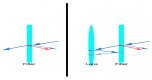
Cheap filters of any kind can be problematic. Primarily because they create a secondary light path (refraction/reflection) that has a different focal distance.

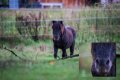
118528664_3515251378498596_4735904200591827960_n.jpg


This secondary light path will cause a loss of clarity/contrast/sharpness, or even show up as nisen bokeh (doubling) as in this image.

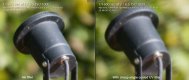
118383034_3515321725158228_7241857030958817882_n.jpg


This is a closeup detail from the same lens w/wo the filter... it looks like motion blur, but it's not (and there is some doubling as well).

118595306_3515321705158230_9120842410274941697_n.jpg


Use them if you want/need, but only use good quality double coated filters. However, you don't always get what you pay for... it seems the most expensive filters don't generally justify their cost. And if you see something weird in your images... suspect the filter as a potential cause (hopefully it won't be after the fact/uncorrectable and important).
 
Last edited:
Cheap filters of any kind can be problematic. Primarily because they create a secondary light path (refraction/reflection) that has a different focal distance.

View attachment 319798


This secondary light path will cause a loss of clarity/contrast/sharpness, or even show up as nisen bokeh (doubling) as in this image.

View attachment 319799
That double image looks like what you'd get from OOF bright lines taken with a mirror lens, fore ground & background point bokeh also shows typical doughnuts.
If it was caused as you claim the second image would be considerable fainter - about 0.16% the brightness of the main image (2 reflections each being ~4% of the incident light if totally uncoated) It would also show throughout the image not just in the bokeh. The pathways you describe do occur but generally just get seen as a reduction in contrast.
 
Cheap filters of any kind can be problematic. Primarily because they create a secondary light path (refraction/reflection) that has a different focal distance.
This is why I stopped using them in some situations there is a quite marked loss of quality, though you have to pixel peep to see it.
You can also sometimes get what looks like internal reflection of bright light sources
 
That double image looks like what you'd get from OOF bright lines taken with a mirror lens, fore ground & background point bokeh also shows typical doughnuts.
If it was caused as you claim the second image would be considerable fainter - about 0.16% the brightness of the main image (2 reflections each being ~4% of the incident light if totally uncoated) It would also show throughout the image not just in the bokeh. The pathways you describe do occur but generally just get seen as a reduction in contrast.
It is not a second image of a reflection on the filter as can sometimes occur.

Nisen bokeh is due to spherical aberration and over/under correction... it results in bright ring bokeh very similar to what you get from mirror lenses (over correction causes bright ring BG bokeh, under correction causes bright ring FG bokeh). And the secondary light path being longer is causing the correction for spherical aberrations to be additionally incorrect for them (over corrected). In portions of the image that are (nearly) in focus both are nearer w/in the DoFocus so it only reduces contrast/sharpness there.
 
Last edited:
You can also sometimes get what looks like internal reflection of bright light sources
I recall seeing cases where the lens markings (e.g. f ratio) show up in the image due to internal reflection, or a kind of image doubling because the focused sensor image reflected back out to the filter. Canon illustrates both circumstances in Lens Work III, and explains that's why the protective front elements for their own large telephotos are meniscus lenses instead of simple flats (the curve of a menicus lens bounces the reflection off-axis where the internal lens body absorbs it).

But those are rarer than just image degradation and nisen bokeh.
 
Last edited:
I think the Canon lenses that need the filters need the official Canon filters and you can bet that they're not cheap!

The Sigma 105/1.4 has an official filter…It's not cheap!

n1IJlDv.jpg
 
How about a moderate impact with soft furnishings, or a glancing blow from a fruit or vegetable projectile when photographing a protest or civil disturbance?

Do you often get moderate impacts with soft furnishings at civil disturbances then? :ROFLMAO:

I should add that in my earlier experience when I did use UV filters - they added reflections into the image when taking long exposure narrow aperture night photography that included single point light sources like street lights - I learnt that without the filter I got a better night time long exposure.
 
Back
Top