tjwspm
Suspended / Banned
- Messages
- 68
- Edit My Images
- No
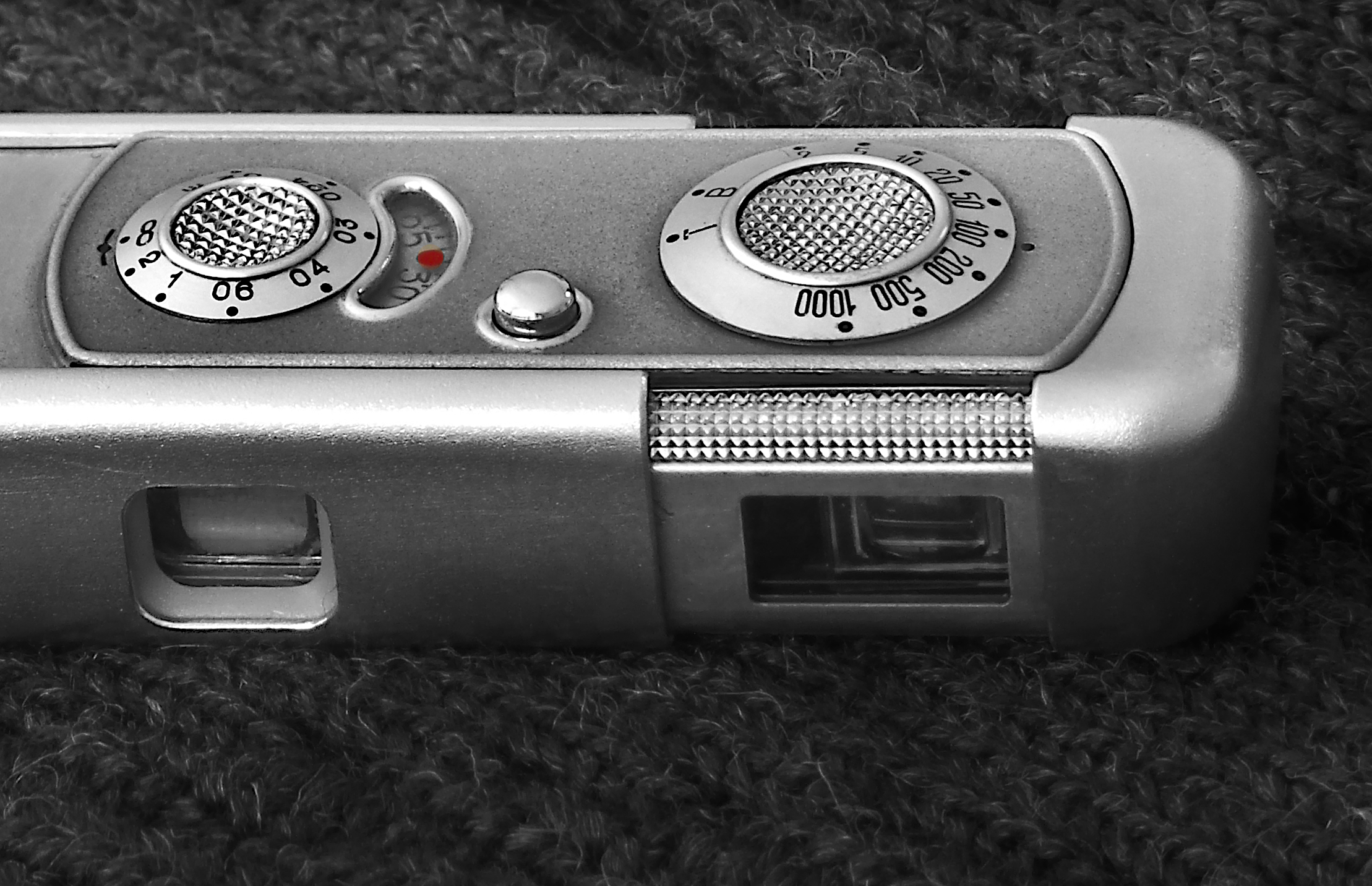
The Riga Minox, a miniature camera renowned for its compact size and deleloped in 1936, houses a shutter mechanism that is as fascinating as it is functional.
While the shutter mechanisms of later Minox models, such as the A IIIs, B, and BL, have been somewhat documented, the inner workings of the Riga Minox remained a mystery. Despite extensive research and inquiries, no explanation could be found. So I embarked on a reverse engineering project to uncover the secrets of this shutter.
Unlike subsequent Minox models, the Riga Minox employs a single-blade guillotine shutter. This simplified design, while seemingly less complex, is no less effective in controlling exposure time. The shutter's operation is governed by a series of precisely engineered components that work in harmony to deliver accurate and consistent results.
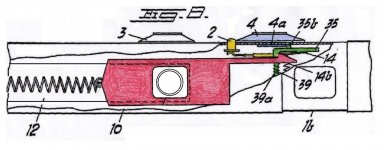
The Riga Minox shutter is a testament to Walter Zapp's engineering prowess. Its ingeniously simple design combined with its precision is a remarkable achievement. By understanding the mechanics of this small but sophisticated mechanism, we gain a deeper appreciation for the craftsmanship that went into creating this iconic camera. While modern cameras rely heavily on electronics, the Riga Minox serves as a reminder of the beauty and ingenuity of purely mechanical systems.
To understand the Riga Minox shutter, we must delve into its fundamental principles: Cocking the Shutter, Opening the Lens, Exposure Control, Closing the Lens. Read on here:
 moments-of-now.com
While the shutter mechanisms of later Minox models, such as the A IIIs, B, and BL, have been somewhat documented, the inner workings of the Riga Minox remained a mystery. Despite extensive research and inquiries, no explanation could be found. So I embarked on a reverse engineering project to uncover the secrets of this shutter.
Unlike subsequent Minox models, the Riga Minox employs a single-blade guillotine shutter. This simplified design, while seemingly less complex, is no less effective in controlling exposure time. The shutter's operation is governed by a series of precisely engineered components that work in harmony to deliver accurate and consistent results.
The Riga Minox shutter is a testament to Walter Zapp's engineering prowess. Its ingeniously simple design combined with its precision is a remarkable achievement. By understanding the mechanics of this small but sophisticated mechanism, we gain a deeper appreciation for the craftsmanship that went into creating this iconic camera. While modern cameras rely heavily on electronics, the Riga Minox serves as a reminder of the beauty and ingenuity of purely mechanical systems.
To understand the Riga Minox shutter, we must delve into its fundamental principles: Cocking the Shutter, Opening the Lens, Exposure Control, Closing the Lens. Read on here:
How the Riga Minox shutter works
How does the shutter on the Riga Minox work? Here is the only explanation available online with lots of pictures.
moments-of-now.com